admin
admin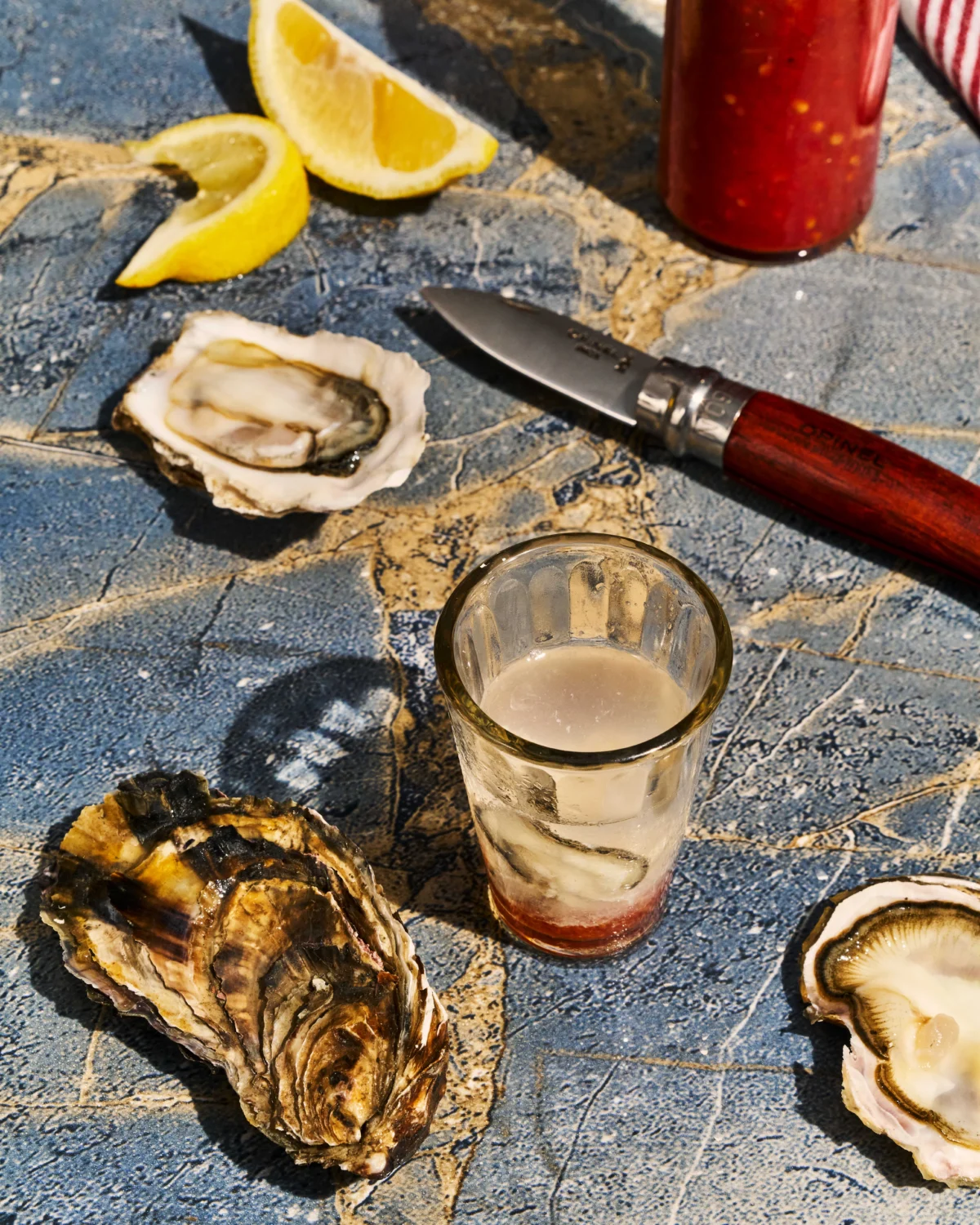
Oysters, those briny jewels of the sea, possess a remarkable duality, equally captivating in their raw, unadorned state as they are transformed by the kiss of heat. While the pristine essence of a freshly shucked oyster—a burst of cold, saline flavor that evokes the ocean’s depths—is an unparalleled experience, the application of culinary techniques unlocks an entirely new spectrum of gastronomic possibilities. Whether subjected to the intense heat of a broiler, the smoky char of a grill, the crisp embrace of frying, or simmered within the complex depths of a gumbo, oysters adapt and evolve, acquiring new dimensions of flavor without ever losing their inherent oceanic character. Mastering the art of shucking is a foundational step for any oyster enthusiast, a skill that opens the door to exploring the diverse and delectable ways these bivalves can be enjoyed, both in their natural shell and beyond.

The history of oyster consumption is deeply intertwined with human civilization, stretching back to prehistoric times. Archaeological evidence from coastal settlements worldwide reveals that oysters were a significant food source for early humans, valued for their accessibility, nutritional content, and unique flavor. In ancient Rome, oysters were a delicacy, enjoyed by the elite and even featured in the writings of gastronomes like Apicius. Throughout the centuries, oysters have maintained their esteemed status, becoming synonymous with luxury, celebration, and refined dining. Their cultivation and harvesting have also evolved, moving from wild collection to sophisticated aquaculture practices that ensure sustainability and consistent quality.
Innovative Mignonettes: A Modern Twist on a Classic Pairing
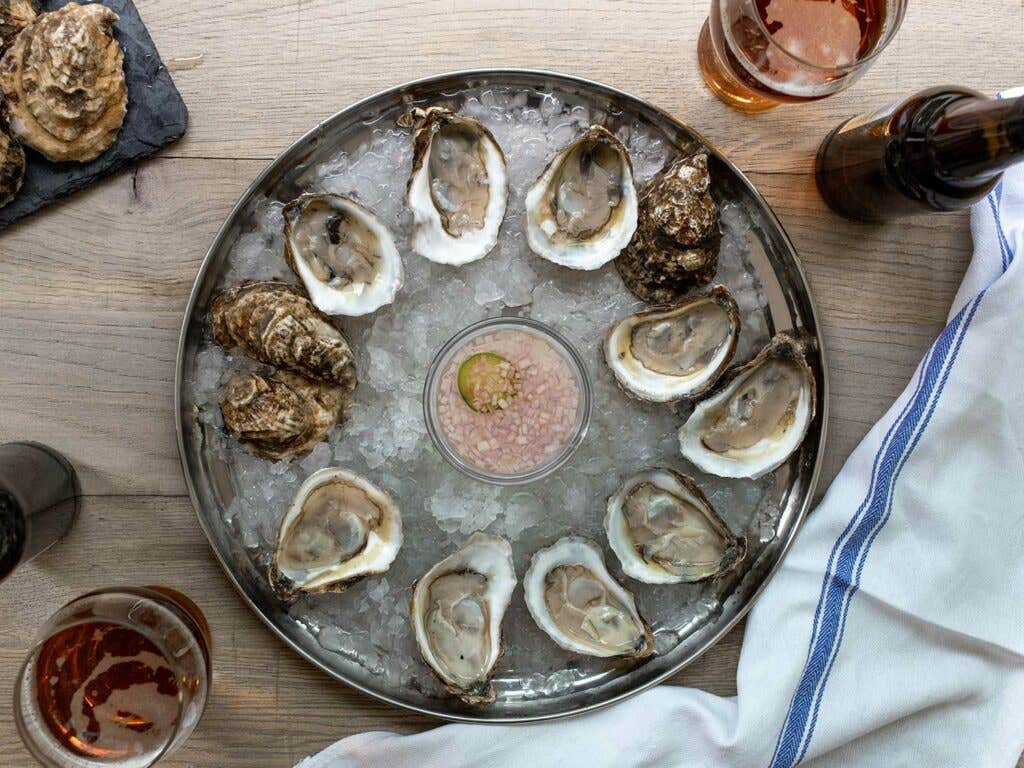
The traditional mignonette, a simple yet elegant sauce of minced shallots, cracked black pepper, and vinegar, serves as a perfect counterpoint to the inherent salinity of raw oysters. However, contemporary chefs are pushing the boundaries of this classic, infusing it with global flavors and unexpected ingredients.
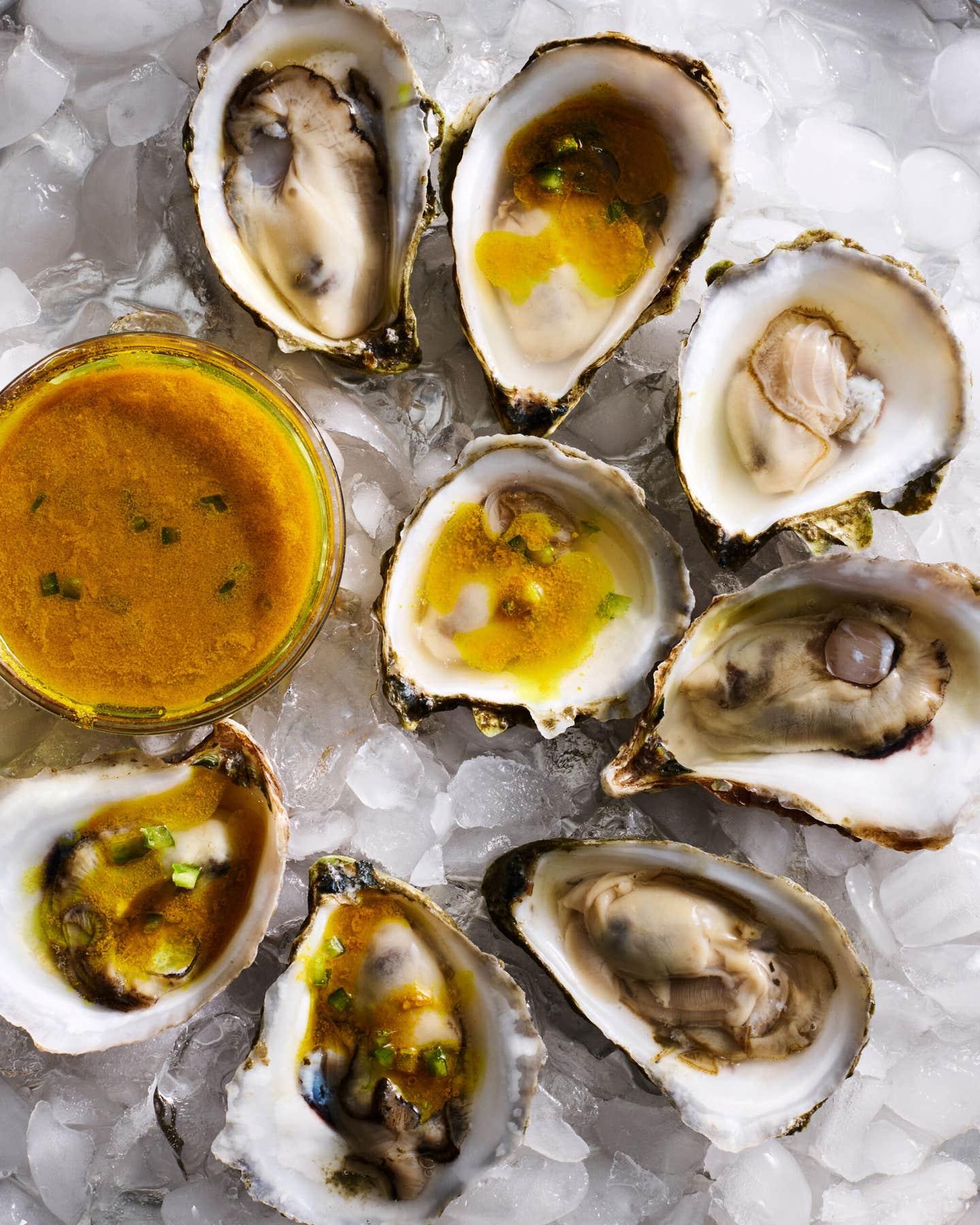
Charleston-based chef Derick Wade has reimagined the mignonette with two distinct and inspired creations. His Ginger-Turmeric Mignonette introduces a vibrant, umami-rich dimension through the addition of soy sauce. This golden concoction is a masterclass in balancing bright acidity from fresh ginger, lime juice, and rice vinegar with the earthy warmth of turmeric powder. The resulting flavor profile is a dynamic interplay that beautifully complements the briny depth of freshly shucked oysters. This innovative approach not only enhances the oyster’s natural taste but also introduces a subtle complexity that lingers on the palate.
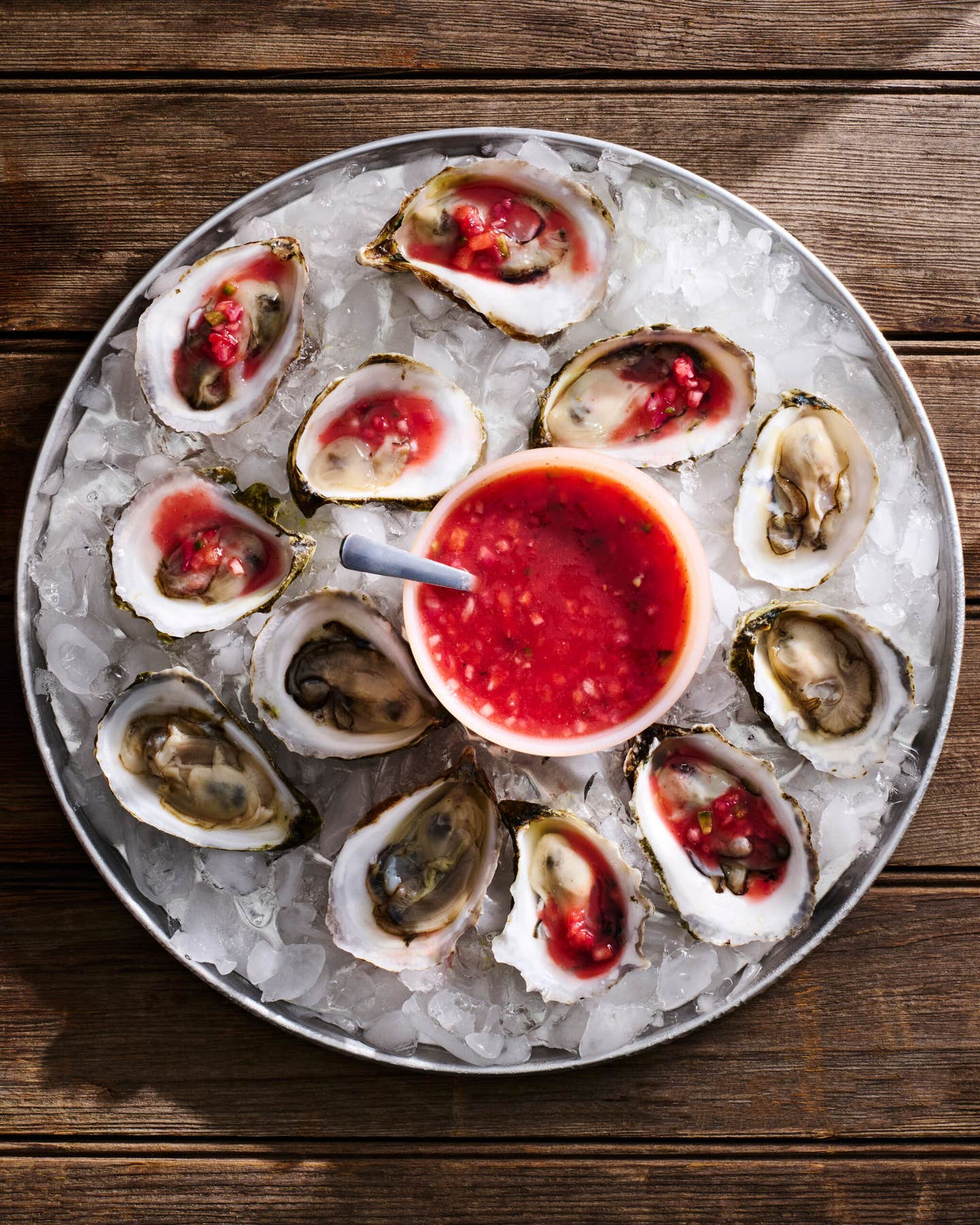
Complementing this is Chef Wade’s Strawberry-Watermelon Mignonette, a ruby-hued symphony of sweet and tangy notes. This variation leverages the natural sweetness of strawberries and watermelon, which harmoniously balance the oyster’s saltiness. A dual vinegar base provides a robust acidity, while a hint of fresh jalapeño introduces a gentle warmth, creating a well-rounded and refreshing accompaniment. These elevated mignonettes exemplify how simple ingredients, thoughtfully combined, can transform the oyster experience into something truly extraordinary.
From Gumbo to Shooters: Embracing Oysters in Hearty and Bold Dishes
Beyond their raw allure, oysters lend themselves to a surprising array of cooked applications, each offering a unique textural and flavor journey.
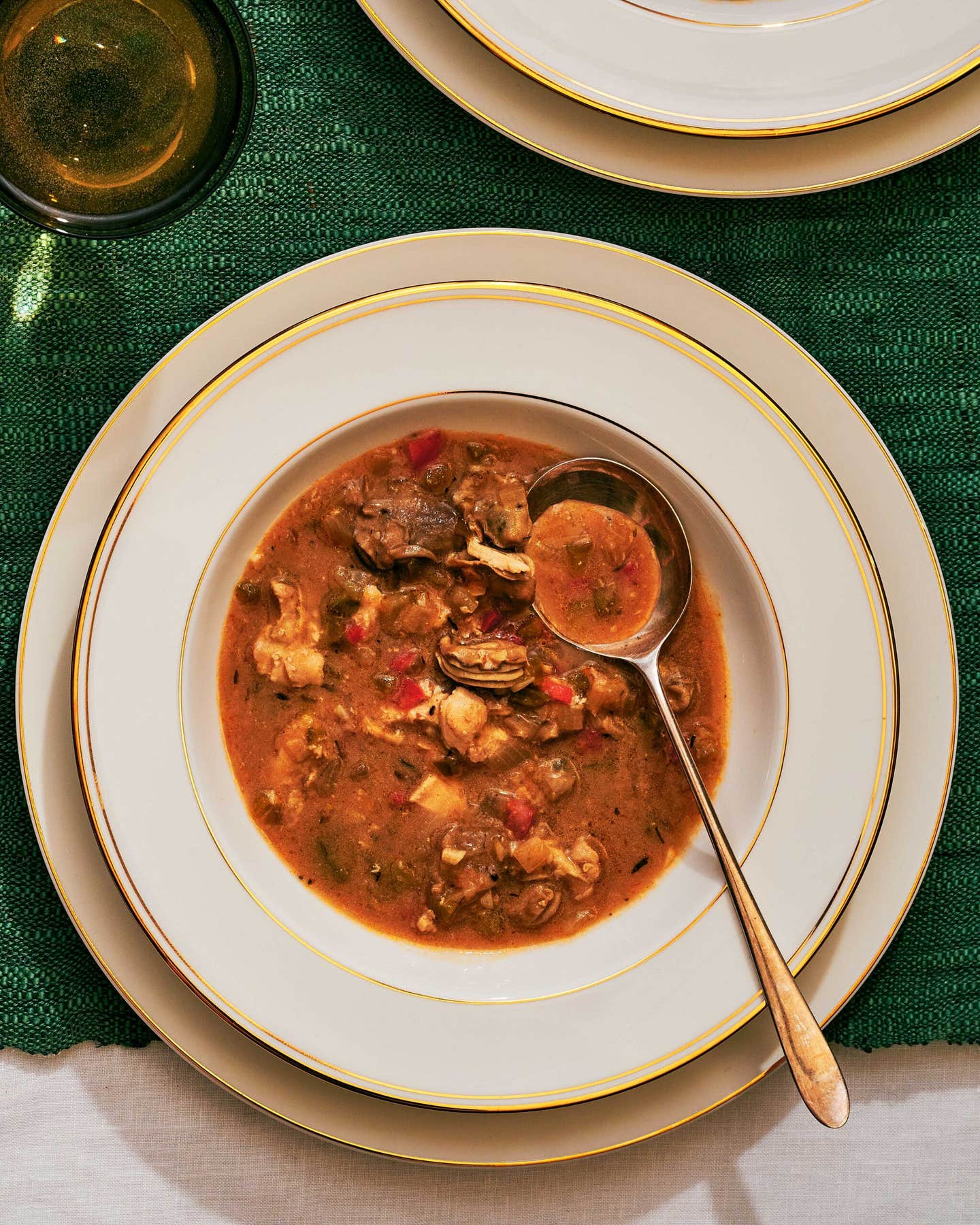
New Orleans, a city intrinsically linked with oysters, boasts a rich tradition of incorporating them into its iconic cuisine. Chef Dominick Lee’s Chicken and Oyster Gumbo is a testament to this heritage. This robust dish features tender chicken thighs and a generous quantity of shucked oysters simmered in a cayenne-laced base, built upon the foundational "holy trinity" of Louisiana cooking: onion, celery, and bell pepper. The success of this gumbo hinges on patience, particularly in developing a deep, flavorful roux and ensuring the oysters are cooked to perfection—tender and succulent, not rubbery. Served atop steamed rice, and traditionally accompanied by a dollop of potato salad, this gumbo is a comforting and deeply satisfying expression of Creole and Cajun flavors. The long history of gumbo in New Orleans, with its roots in West African, French, and Spanish culinary traditions, underscores the oyster’s enduring role in the region’s gastronomic identity.
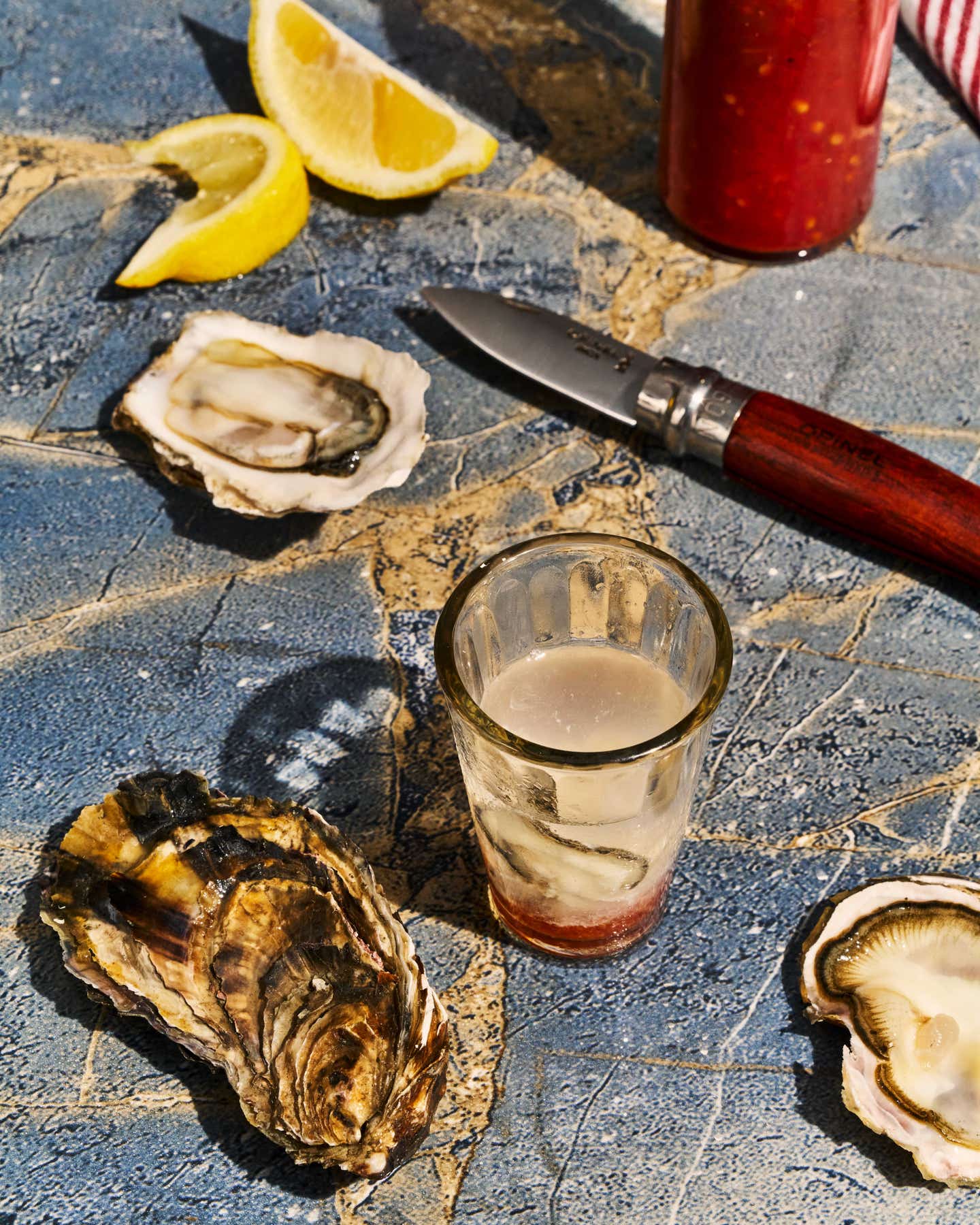
For those seeking a more direct and potent oyster experience, the Oyster Shooter offers a bold proposition. This preparation involves shucking fresh oysters and submerging them in a chilled shot of vodka, often accompanied by classic accoutrements like lemon, cocktail sauce, and Worcestershire sauce. The result is a powerful, savory elixir that delivers a concentrated burst of oceanic flavor. The emphasis on freshness is paramount here, as the quality of the oyster is the sole determinant of success in this minimalist yet impactful dish. Oyster shooters have become a popular starter, particularly in cocktail settings, signifying a more adventurous approach to enjoying these bivalves.
Comfort and Sophistication: Oysters in Chowders, Sandwiches, and Broiled Delights
The versatility of oysters extends to comforting classics and sophisticated appetizers, showcasing their ability to adapt to diverse culinary styles.
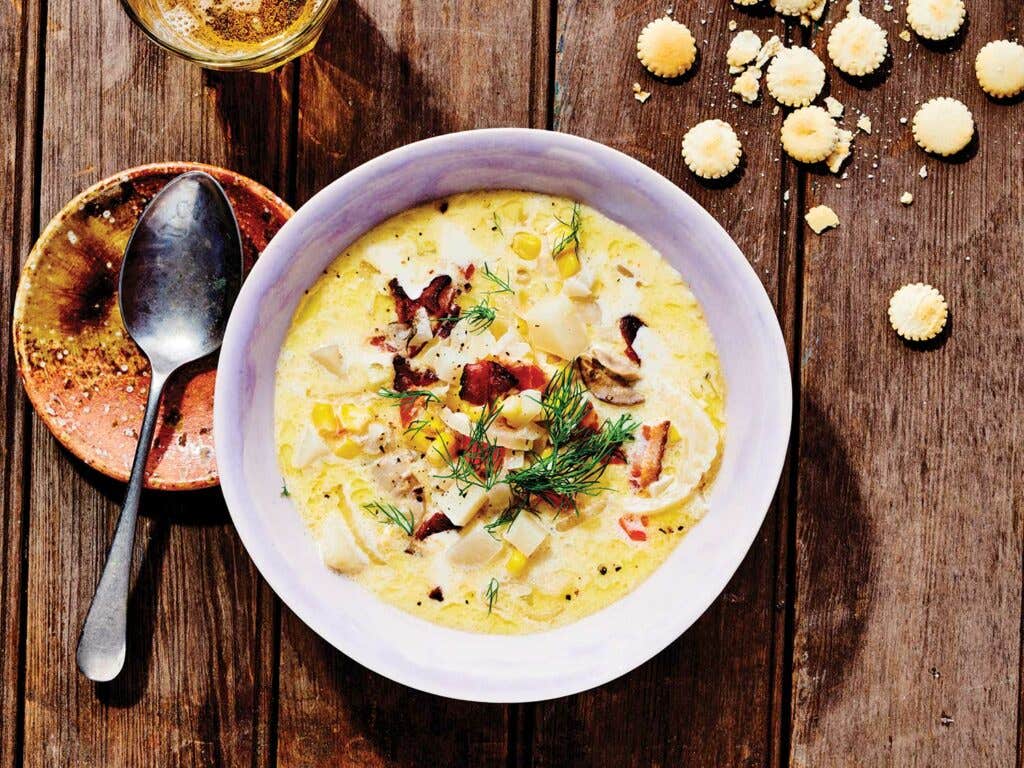
The Oyster Chowder with Bacon, Corn, and Fennel presents a compelling argument for cooked oysters, particularly for those who find raw oysters challenging. This dish harmoniously blends the sweetness of fresh summer corn and the crisp texture of fennel with the rich, smoky notes of bacon and the creamy embrace of heavy cream. The natural juices released by the oysters during cooking contribute a profound depth of flavor, creating a chowder that is both hearty and nuanced. This style of chowder has a long lineage, evolving from simpler colonial-era preparations to more elaborate versions featuring a wider array of ingredients.
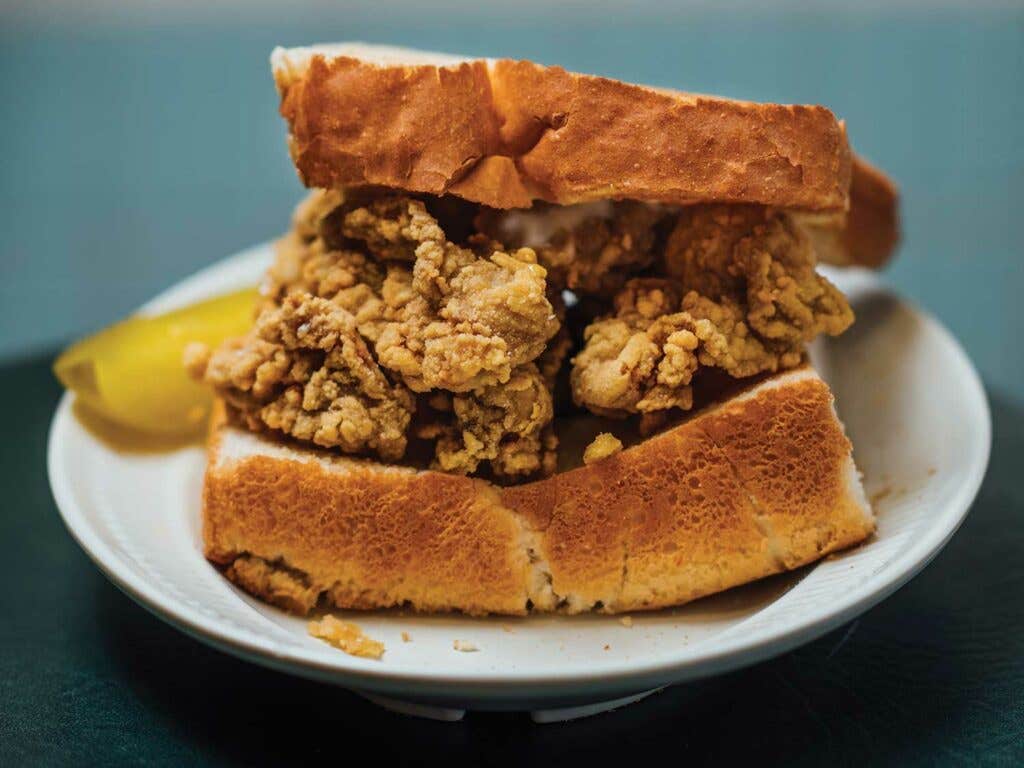
A beloved Southern staple, the Casamento’s Fried Oyster Loaf Sandwich is a testament to the simple yet profound pleasure of perfectly fried oysters. Plump Louisiana oysters are dredged in corn flour and fried in lard until golden and crisp. They are then piled high on thick, buttered, and broiled white bread, typically adorned with cocktail sauce, hot sauce, and a squeeze of lemon. While purists might opt for minimal additions, the sandwich can also be dressed with lettuce, tomato, and mayonnaise. The origins of the oyster loaf are debated, but its popularity in New Orleans and along the Gulf Coast is undeniable, representing a quintessential regional delicacy.
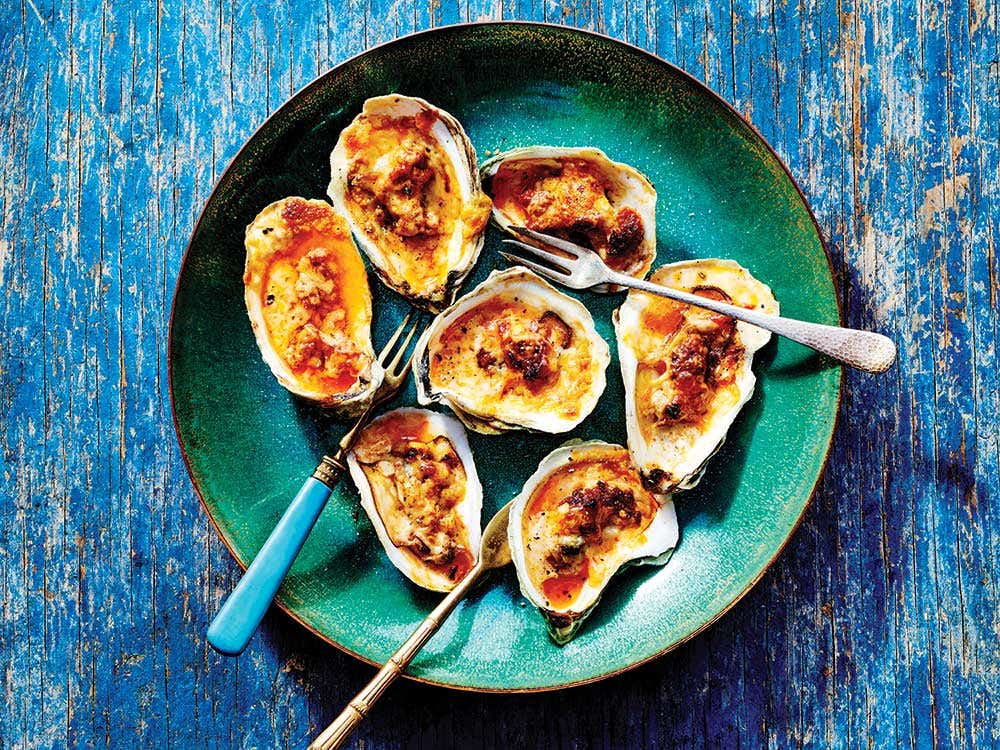
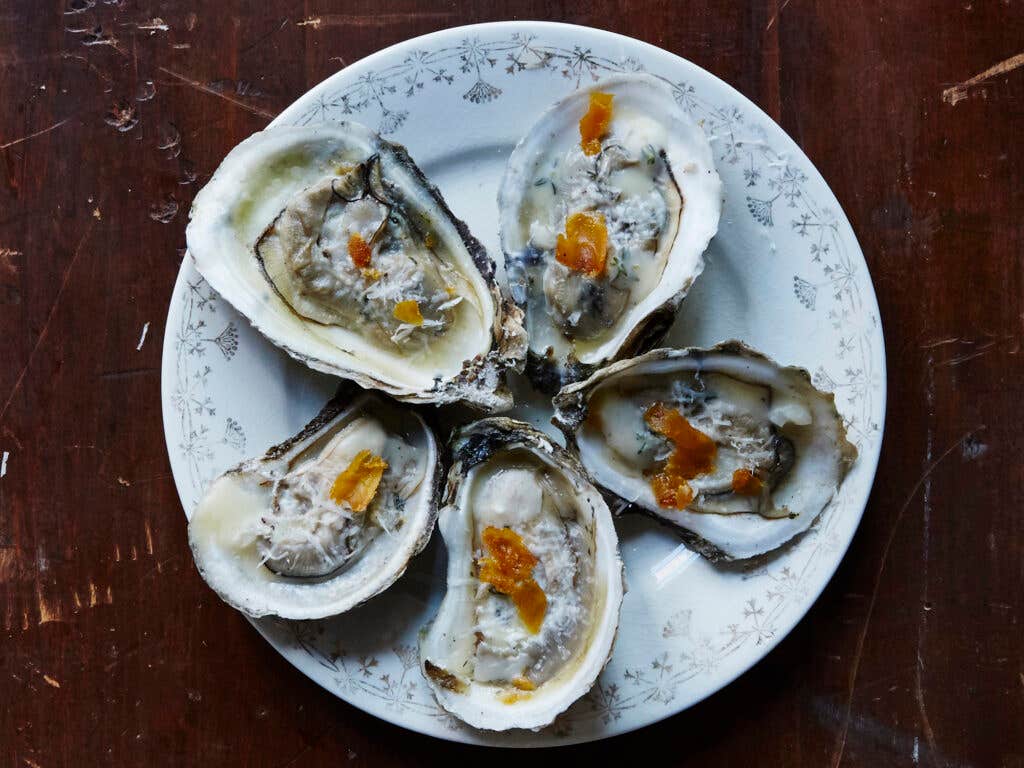
For a touch of elegant simplicity, Broiled Oysters with Parmigiano and ‘Nduja offer a surprising and delightful combination. The traditional pairing of seafood and cheese is often met with skepticism, but this dish masterfully bridges that gap. Oysters are topped with melted Parmigiano-Reggiano and a dollop of spicy, spreadable ‘nduja sausage. Broiling until the cheese is blistered and bubbling creates a rich, savory crust that perfectly complements the tender oyster beneath. This preparation highlights how oysters can be elevated with bold, flavorful toppings, creating an appetizer that is both decadent and intriguing.
Regional Influences and Global Inspirations: Oysters Across Culinary Landscapes
The global appeal of oysters is evident in their integration into diverse regional cuisines, each bringing unique flavors and techniques to the forefront.
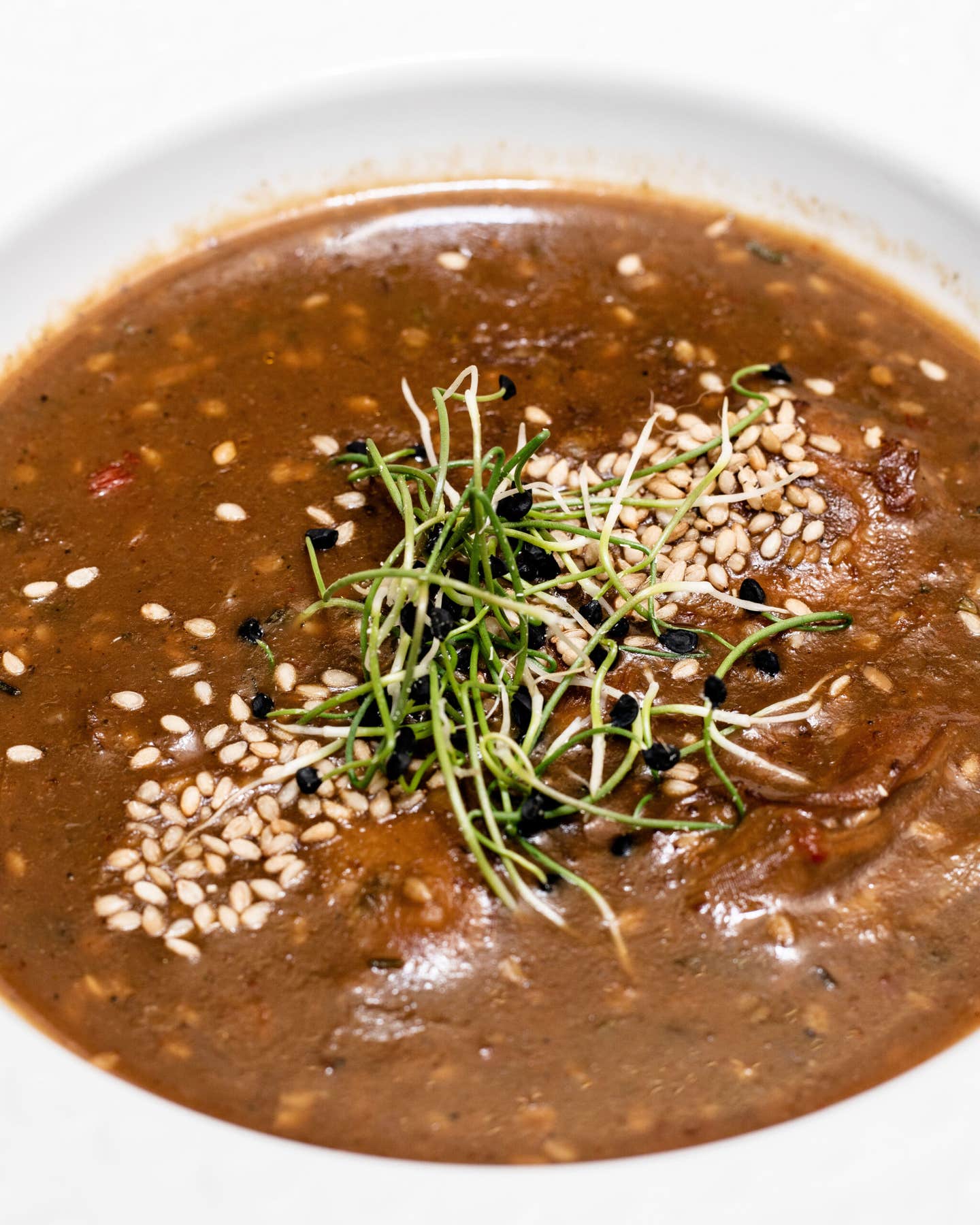
Chef Amethyst Ganaway’s Lowcountry Brown Oyster Stew is a soulful homage to the Gullah Geechee culinary traditions of Charleston. Diverging from conventional smoked pork, Ganaway infuses the stew with a complex umami profile using dawadawa, a fermented locust bean powder commonly found in Nigerian stews. This, combined with crawfish powder and a spiced roux cooked to a deep, chocolatey brown, creates a stew that is both deeply flavorful and culturally significant. This recipe reflects a growing trend of incorporating African culinary influences into American regional cooking, enriching its complexity and heritage.
In a more Mediterranean vein, Oysters DuPont, a creation by Florida chef Jodi Perez, features broiled oysters adorned with a garlic-herb oil, sweet crabmeat, feta cheese, and capers. The dish is broiled until golden and bubbly, offering a delightful interplay of Mediterranean flavors. Serving these with hot sauce and toasted ciabatta for dipping amplifies the savory experience, making them an appetizer that is both refined and satisfying.
Grilling and Roasting: Unlocking Smoky Flavors
The primal method of cooking oysters over open flames or hot embers imparts a distinctive smoky char and enhances their natural briny sweetness.
New Orleans chef Justin Devillier’s approach to Grilled Oysters with Pecorino and Shaved Bottarga involves grilling large Gulf oysters just until their juices bubble and the meat begins to curl. They are then finished with a dusting of aged Pecorino Romano and a shaving of bottarga, a cured fish roe that adds a salty, oceanic depth. The use of larger oysters is key here, as their more substantial shells can better accommodate the toppings. This recipe exemplifies the power of simple, high-quality ingredients, allowing the oyster’s inherent flavor to shine through.
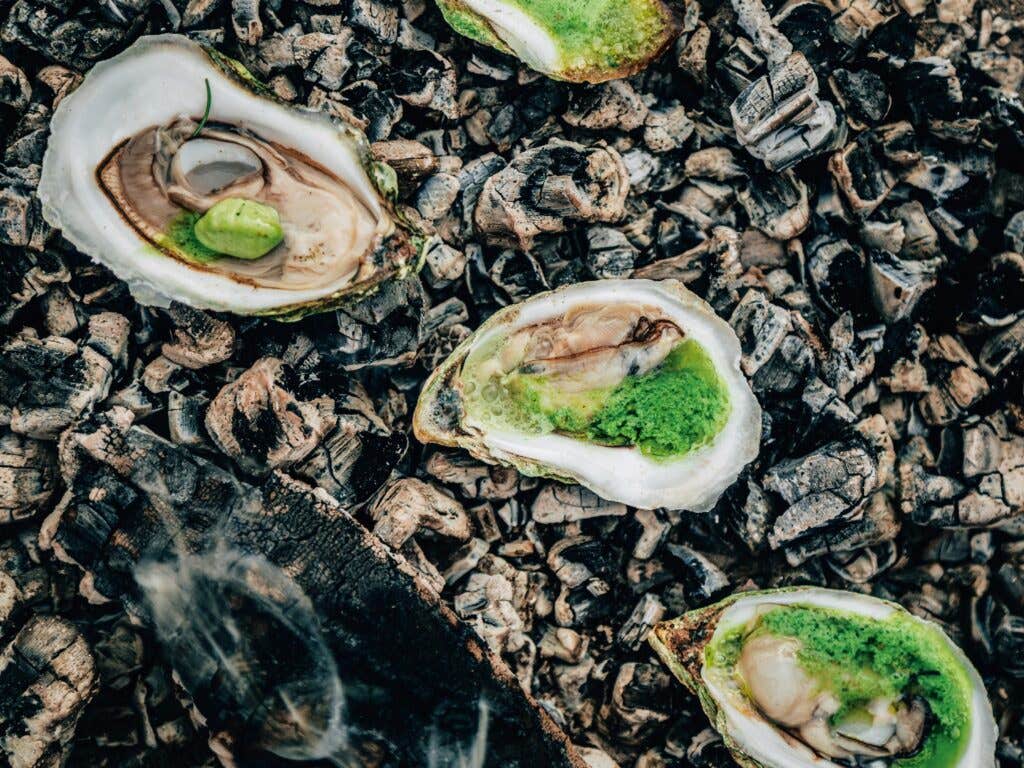
Ember Roasted Oysters on Coals offer a more rustic yet equally compelling grilling experience. In this method, shucked oysters are placed directly onto a bed of hot embers. They are then topped with a vibrant green compound butter, packed with lovage—an herb with a bright, celery-like flavor. As the butter melts into the briny liquor, it creates a complex and wonderfully finished dish that comes together in mere minutes. This technique, often seen at outdoor gatherings and seafood festivals, highlights the direct interaction between fire, oyster, and herb.
Chef José Andrés, known for his innovative approach to Spanish cuisine, offers a simple yet effective Grilled Oysters recipe. Instead of placing oysters directly on grill grates, he nests them in a salt-lined baking dish positioned over a fire. The salt acts as a heat conductor, ensuring even cooking and preventing the loss of precious oyster liquor. This method guarantees perfectly cooked oysters with a subtle smoky flavor.
Creative Condiments and Unexpected Pairings
The accompaniments to oysters are as varied and imaginative as the preparations themselves, ranging from spicy and sweet to savory and complex.
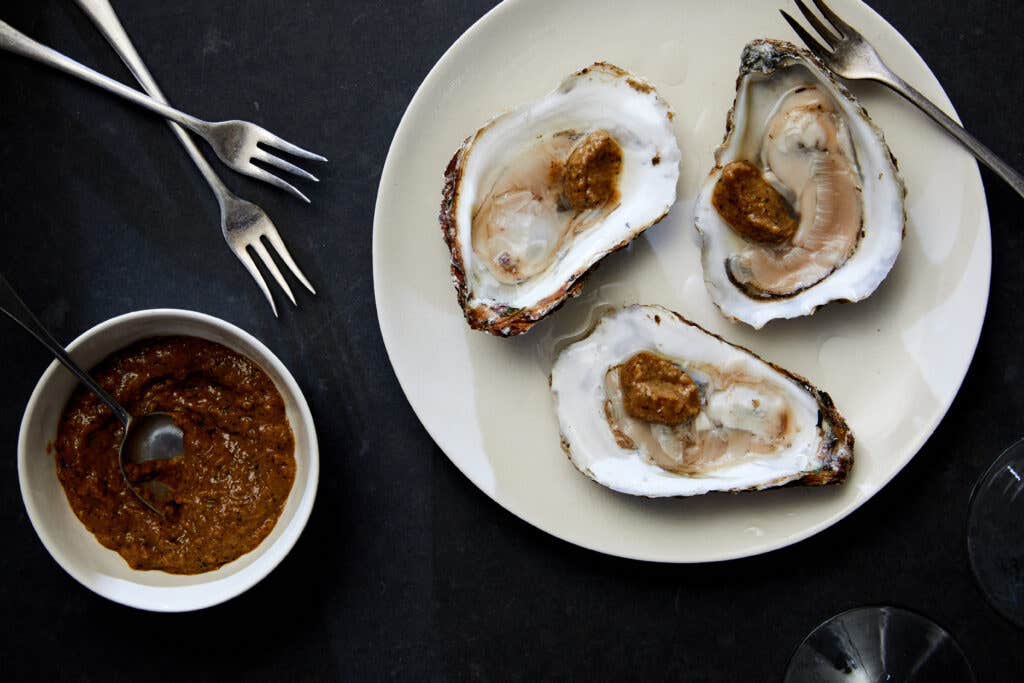
Charleston chef Alex Lira’s Jalapeño Mignonette offers a clean and gently spicy counterpoint to raw oysters. This unique condiment begins with a cold pickle brine infused with champagne vinegar, white wine, coriander, fennel, and thyme. Jalapeño rings are steeped overnight in this brine, and the strained liquid is then blended with yuzu juice and shallots. The result is a bright, clean, and subtly spicy mignonette that offers a refreshing departure from traditional versions.
A more adventurous pairing comes in the form of Raw Oysters with Grilled Pineapple and Thai Basil. This preparation eschews the usual accompaniments for a vibrant fusion of sweet and savory. Fish sauce-glazed pineapple is charred until sweet and lightly blackened, then diced and spooned over freshly shucked oysters alongside Thai basil, shallots, and fresh chile slices. A final squeeze of lime adds a tart finish, creating a complex and exciting flavor profile.
A Global Tapestry of Oyster Preparations
The international culinary scene consistently finds new and exciting ways to showcase oysters. Oysters DuPont, originating from Florida chef Jodi Perez, presents a Mediterranean-inspired take, broiling oysters with garlic-herb oil, crabmeat, feta, and capers. This fusion of flavors demonstrates the global adaptability of oysters.
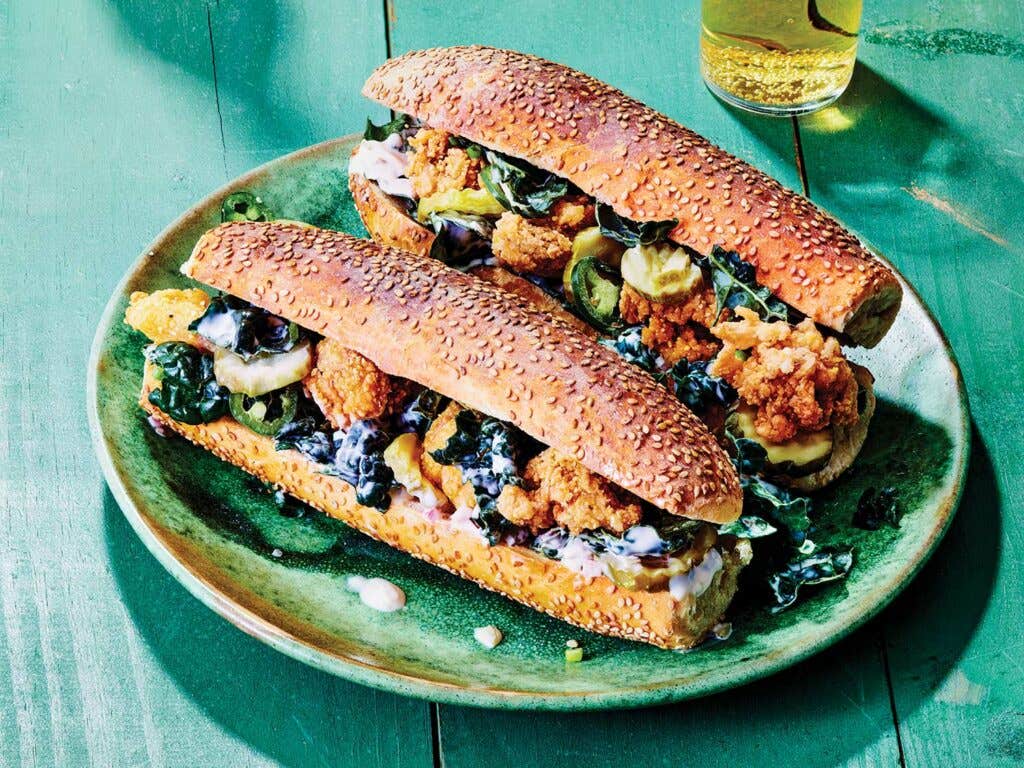
From the bustling kitchens of New Orleans, Fried Oyster Po’Boys with Kale and Tartar Sauce offer a unique twist on a classic. The inclusion of kale, while perhaps unconventional to some, provides a welcome bitter contrast to the richness of the deep-fried oysters and creamy tartar sauce. This modern interpretation acknowledges the desire for healthier, more contemporary additions to beloved dishes.
In a playful nod to Southern bar snacks, the Pork Rind Oyster Appetizer presents a creative surf-and-turf combination. Oysters are served atop a crunchy pork rind, finished with pickled jalapeño for a briny, savory, and spicy bite. This appetizer, reminiscent of "roosters" traditionally enjoyed with crackers and beer, offers a novel textural and flavor experience.
The concept of "playing well with others" is exemplified by Broiled Oysters with Spinach and Brown Butter Hollandaise. Briny oysters are layered with wilted spinach and chorizo, then enrobed in a nutty brown butter hollandaise and broiled to a golden perfection. A splash of mignonette is recommended to cut through the richness, balancing the decadent sauce.
Even the humble stuffing can be elevated with the addition of oysters. The Oyster Stuffing recipe offers a New England-inspired, chowder-esque rendition, rich with bacon, herbs, and plenty of shucked oysters. This hearty side dish is a testament to the oyster’s ability to enhance both savory and celebratory meals.
Finally, the simple yet profound Raw Oysters with Lemon Oil and Urfa Biber showcases the subtle complexity that can be achieved with minimal ingredients. Lemon zest-infused oil provides acidity, while the smoky Turkish chile, urfa biber, adds a gentle warmth without overwhelming the delicate shellfish. This preparation celebrates the oyster’s inherent qualities, enhanced by nuanced flavor accents.
The diverse array of recipes presented, from the elegant simplicity of raw preparations enhanced by innovative mignonettes to the comforting depths of gumbo and chowder, and the bold flavors of grilled and broiled oysters, underscores the remarkable culinary versatility of this ancient delicacy. Each preparation, rooted in tradition or infused with modern creativity, celebrates the oyster’s unique contribution to the world of gastronomy, solidifying its status as a timeless and adaptable ingredient.