admin
admin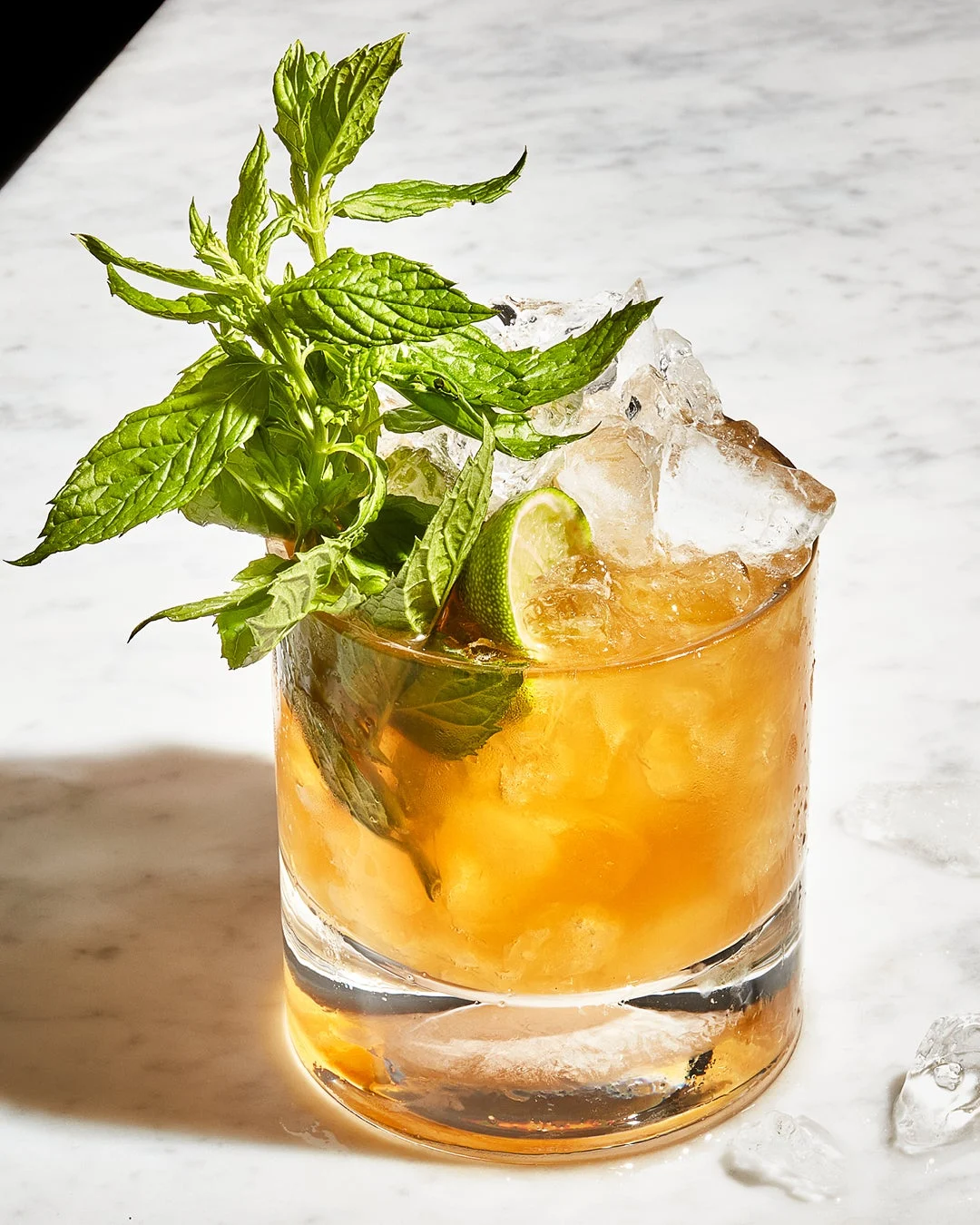
The story of the Mai Tai is far more than a simple recipe; it’s a saga of invention, fierce rivalry, and the enduring power of a perfectly balanced drink. Born in the vibrant post-war era of American cocktail culture, this Polynesian-inspired libation quickly ascended to iconic status, igniting a heated battle for its very origin that even spilled into the pages of The New York Times. The uproar surrounding the Mai Tai underscores its profound impact, not just as a popular beverage, but as a symbol of a burgeoning cocktail renaissance and the commercial stakes involved in its creation.
The Birth of a Legend: Victor Bergeron and the 1944 Creation
The narrative of the Mai Tai begins with Victor J. Bergeron, affectionately known as "Trader Vic," a restaurateur and entrepreneur whose innovative approach to Polynesian cuisine and cocktails captivated the public. In 1944, from his modest restaurant in Oakland, California, Bergeron introduced a new drink to his menu. He meticulously crafted it using a then-available 17-year-old J. Wray & Nephew Jamaican rum, a rare and prized ingredient even then. This specific rum, with its complex, aged character, was the cornerstone of his creation. Bergeron later described the moment of invention, noting that he had a few friends over, including a Tahitian woman named Carrie. Upon tasting the cocktail, she exclaimed, "Maita’i roa a’e!" which in Tahitian translates to "Out of this world! Good!" Thus, the name "Mai Tai" was born, a testament to its immediate and overwhelming appeal.
The original recipe, as meticulously documented by Bergeron, was a sophisticated interplay of flavors: 1.5 oz J. Wray & Nephew 17 Year Old Jamaican rum, 1 oz fresh lime juice, 0.5 oz Holland deKuyper Orange Curaçao, 0.5 oz orgeat syrup (a sweet syrup made from almonds, sugar, and rose water or orange flower water), and a splash of simple syrup. This precise combination, served over crushed ice and garnished with a sprig of mint and a lime shell, was designed to be both refreshing and complex, a far cry from the overly sweet, fruit-laden concoctions that would later bear its name.
The Rum Dilemma: The Unavailability of a Key Ingredient
The success of the Mai Tai was meteoric, and its popularity quickly outstripped the supply of its star ingredient. The 17-year-old J. Wray & Nephew rum, a limited production spirit, was a finite resource. Bergeron’s insatiable demand for the rum, driven by the cocktail’s surging popularity, led to him acquiring a significant portion of the available stock. Within a year of the Mai Tai’s debut, the 17-year-old J. Wray & Nephew was largely depleted. This scarcity forced Bergeron to adapt. He began to experiment with alternative rum blends, eventually settling on a combination of Jamaican and Martinican rums to recapture the depth and character of the original. This shift, while necessary for continued production, marked the first subtle deviation from the absolute purity of the initial creation.
The Great Mai Tai Dispute: A Legal and Public Battle for Inventorship
The allure of the Mai Tai wasn’t confined to its taste; it was also its perceived exoticism and innovative profile. This very success bred a fierce rivalry. Don the Beachcomber (Ernest Raymond Beaumont Gantt), another pioneering figure in the tiki bar scene, claimed to have invented a similar drink, the "Q.B. Cooler," in 1933, which he later rebranded. The similarities between Bergeron’s Mai Tai and Gantt’s creations, particularly in their rum bases and tropical flavor profiles, fueled a heated debate over who was the true originator of the "original" tropical rum cocktail.
The dispute escalated dramatically. Trader Vic, fiercely protective of his invention, took the extraordinary step of filing a lawsuit against Don the Beachcomber to legally establish his claim as the inventor of the Mai Tai. The legal battle was protracted and contentious, highlighting the significant commercial and reputational value attached to such a popular drink. To further solidify his position and garner public support, Trader Vic also took the unprecedented step of purchasing a full-page advertisement in The New York Times on March 11, 1954. The ad, titled "The Mai Tai – A Tale of a Drink," meticulously detailed his invention story, including the anecdote of Carrie’s endorsement, and presented his legal victory, asserting his sole right to the Mai Tai’s creation. This public declaration underscores the intense pride and fierce competition that defined the early days of the tiki bar phenomenon.
The Erosion of Authenticity: Copycats and the Loss of the Original Formula
The legal and public disputes, however, did little to stem the tide of imitation. As the Mai Tai’s fame spread, so did its misinterpretation. The complexity of Bergeron’s original recipe, coupled with his tendency to write his formulas in a somewhat coded manner, contributed to the loss of precise knowledge over time. Bar owners and bartenders, eager to capitalize on the drink’s popularity, began to create their own versions. These copycat recipes often deviated wildly from the original, incorporating ingredients like pineapple juice, orange juice, grenadine, and, most notoriously, blue curaçao. The latter, in particular, became a ubiquitous addition, transforming the Mai Tai into a visually striking but flavor-compromised neon blue drink that bore little resemblance to Bergeron’s nuanced creation.
This proliferation of simplified, often saccharine, versions threatened to dilute and ultimately destroy the authentic Mai Tai’s reputation. The very essence of Bergeron’s carefully balanced cocktail was being lost in a sea of sugary imitations. The drink became a symbol of a misunderstood craft, its sophisticated origins obscured by a veil of commercial expediency and a lack of historical fidelity.
The Renaissance of Authenticity: Tiki Historians and Craft Bartenders
Fortunately, the story of the Mai Tai did not end with its distortion. The late 20th and early 21st centuries saw a resurgence of interest in classic cocktails and the history of mixology. This movement found crucial champions in dedicated tiki historians and rum experts. Jeff "Beachbum" Berry, a prolific author and historian, dedicated himself to meticulously researching and documenting authentic tiki recipes. His work, often involving extensive interviews with original tiki bar figures and archival research, was instrumental in uncovering and preserving the lost formulas of classic drinks, including the Mai Tai.
Similarly, rum expert Martin Cate, proprietor of the renowned Smuggler’s Cove in San Francisco, has been a leading advocate for the authentic Mai Tai. Cate’s deep understanding of rum history and his commitment to sourcing exceptional spirits have allowed him to recreate and champion the original recipe with unparalleled accuracy. Working with Berry and other like-minded craft bartenders, they have painstakingly deciphered Trader Vic’s original intentions, emphasizing the importance of high-quality, aged rums.
The modern interpretation of the Mai Tai, as championed by these experts, typically involves a blend of aged English-style rum (often from Jamaica or Barbados) and rhum agricole (a cane-juice rum from French-speaking Caribbean islands like Martinique). This blend aims to replicate the complex, layered flavor profile that the original J. Wray & Nephew 17 Year Old provided. The inclusion of fresh lime juice, orgeat syrup, and orange curaçao, in precise proportions, is paramount. The result is a cocktail that is bright, tart, and subtly nutty, with a rich rum backbone that is both invigorating and deeply satisfying.
The Enduring Allure: Simplicity and Sophistication
The enduring appeal of the Mai Tai, in its authentic form, lies in its elegant simplicity and its subtle complexity. It serves as a potent reminder of a core principle in exceptional mixology: that the most sublime cocktails often arise from a judicious selection of high-quality ingredients, meticulously balanced. The interplay of tart lime, sweet orgeat, bright curaçao, and the profound depth of aged rum creates a harmonious symphony of flavors that is both refreshing and profoundly satisfying.
The Mai Tai’s journey—from its celebrated invention and the ensuing tempestuous disputes to its widespread dilution and subsequent revival—is a compelling case study in the life cycle of a cultural icon. It demonstrates how a single, well-crafted beverage can ignite passion, provoke conflict, and ultimately, with dedicated preservation, reclaim its rightful place in the pantheon of great cocktails. The Mai Tai, in its true form, is not merely a drink; it is a testament to the artistry of its creator and the enduring power of a perfectly executed classic.
Recipe for an Authentic Mai Tai
To experience the true essence of the Mai Tai, one must adhere to the principles of its original creation. The modern craft approach emphasizes a thoughtful selection of rums and precise execution:
Ingredients:
- 1.5 oz Aged Jamaican Rum (e.g., Appleton Estate 12 Year Old)
- 1.5 oz Rhum Agricole Blanc (e.g., Clément Agricole Blanc)
- 0.75 oz Fresh Lime Juice
- 0.5 oz Orgeat Syrup
- 0.5 oz Orange Curaçao (preferably a high-quality brand like Pierre Ferrand Dry Curaçao)
- Garnish: Mint sprig, lime shell
Instructions:
- Fill a cocktail shaker with ice.
- Add the aged Jamaican rum, rhum agricole, fresh lime juice, orgeat syrup, and orange curaçao to the shaker.
- Shake vigorously until well chilled, approximately 15-20 seconds.
- Strain the mixture into a double rocks glass filled with fresh crushed ice.
- Garnish with a freshly picked mint sprig and a lime shell.
This meticulous preparation ensures that the Mai Tai delivers its intended balance of tropical zest, subtle nuttiness, and the rich, complex character of fine rums, honoring the legacy of Victor Bergeron’s iconic creation.