admin
admin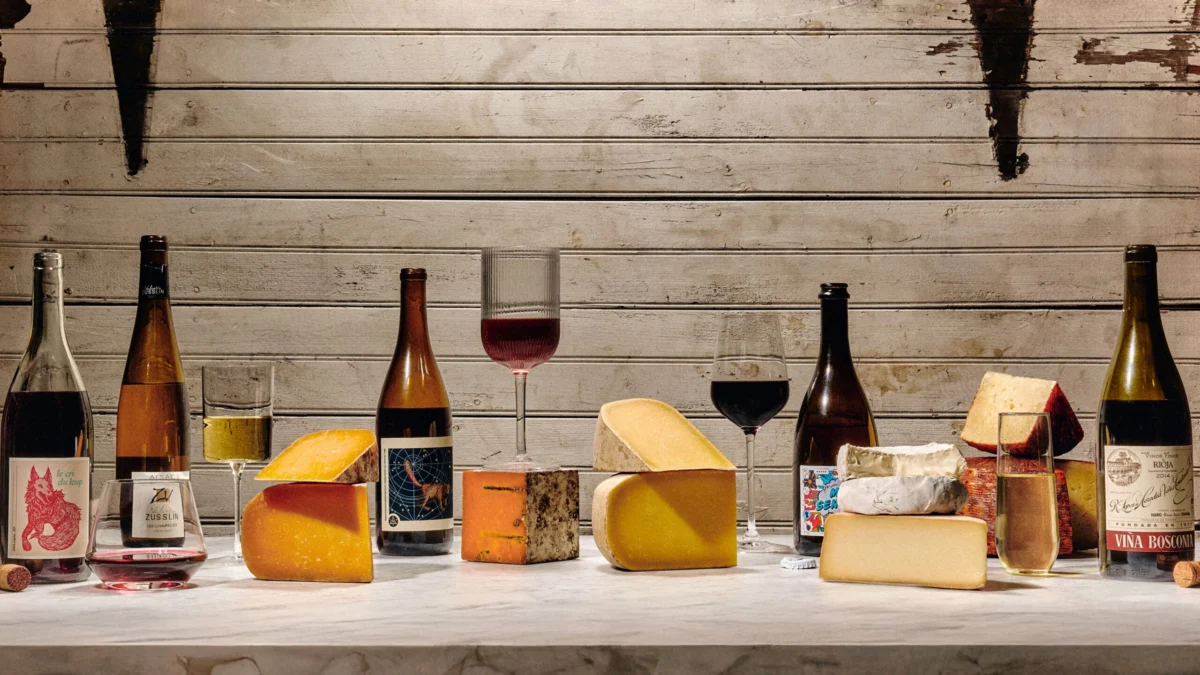
The recent Wisconsin Art of Cheese Festival in Madison served as a vibrant nexus for cheese aficionados and wine enthusiasts alike, offering a unique platform to explore the intricate dance between artisanal cheeses and the burgeoning world of low-intervention wines. Andrea Hillsey, proprietor of Square Wine Co. and a proud native of Wisconsin, shared her expert insights on how the state’s diverse and exceptional cheese offerings can be elevated by thoughtfully selected natural wines. These pairings, ranging from the delicate effervescence of a pét-nat with a triple crème to the robust harmony of an aged Rioja with a nutty Gouda, underscore the profound synergy that can be achieved when quality craftsmanship meets in the glass and on the plate. The festival, a cornerstone event for Wisconsin’s celebrated dairy industry, aims to spotlight the innovation and tradition that define its cheese-making heritage, and this year’s focus on wine pairings provided a fresh lens through which to appreciate these beloved products.
The Rise of Low-Intervention Wines and Their Food-Friendly Nature
Low-intervention wines, often referred to as "natural wines," are characterized by minimal manipulation in the vineyard and cellar. This approach typically involves farming organically or biodynamically, using native yeasts for fermentation, and avoiding or minimizing the use of additives like sulfites. The result is often a wine with a distinct sense of place, showcasing vibrant fruit, nuanced textures, and sometimes a subtle "funk" – a term used to describe unconventional but appealing aromatic and flavor profiles. It is precisely these characteristics that make natural wines exceptionally food-friendly. Their inherent freshness, lively acidity, and complex layers can complement and even transform the flavors of food, revealing new dimensions in familiar dishes and ingredients. This philosophy of minimal intervention resonates deeply with the artisanal approach to cheese making, where the focus is on highlighting the quality of the milk and the unique terroir of the region.
The Wisconsin Art of Cheese Festival, an annual event organized by the Wisconsin Cheese Makers Association, has become a significant date on the culinary calendar. Established to celebrate and promote the state’s rich cheese-making history and its ongoing commitment to innovation, the festival typically draws cheesemongers, chefs, writers, and consumers from across the country. This year, the event placed a particular emphasis on the interplay between cheese and wine, seeking to educate attendees on how to create harmonious pairings that enhance the sensory experience of both. Hillsey’s participation provided a practical and accessible demonstration of this concept, using cheeses that are representative of Wisconsin’s diverse offerings.

Pét-Nat and the Luscious Embrace of Triple Crème Brie
One of the most captivating pairings presented by Hillsey featured the effervescent charm of a Pét-Nat (pétillant naturel) wine from Italy alongside a decadent triple crème brie from Wisconsin. The NV La Staffa Mai Sentito! Pét-Nat, hailing from the Marche region of Italy, is a prime example of this naturally sparkling wine style. Pét-nats are bottled while still undergoing their secondary fermentation, resulting in a lower alcohol content and a delightful, often cloudy, effervescence.
"There’s something inherently celebratory and yet approachable about a pét-nat," Hillsey remarked. "Its gentle fizziness and often subtle yeasty notes create a beautiful dialogue with the creamy, rich texture of a triple crème."
The specific cheese highlighted in this pairing was Schroeder Käserei’s triple crème brie, a luxurious wheel produced in Rewey, Wisconsin. This cheese is renowned for its silky, soft-ripened rind and its exceptionally rich, buttery interior, a testament to the high cream content. The faint yeasty aroma of the La Staffa Mai Sentito! pét-nat subtly echoes the earthy, mushroom-like notes often found in the bloomy rind of the brie. Crucially, the wine’s bright acidity and delicate bubbles act as a palate cleanser, cutting through the cheese’s opulence without diminishing its indulgent character. This contrast allows each bite of cheese to be as delightful as the first, preventing palate fatigue and encouraging further exploration of the pairing. The dynamic interplay between the wine’s lively spirit and the cheese’s luxurious mouthfeel demonstrates how contrasting yet complementary elements can create a truly memorable culinary experience.
A Timeless Pairing: Aged Rioja and Wisconsin’s Spanish-Inspired Cheddar
Another compelling combination explored was the sophisticated marriage of a well-aged Spanish Rioja with a Wisconsin-made cheese inspired by Spanish traditions. The 2014 R. López de Heredia Viña Bosconia Reserva from Rioja, Spain, represents a classic, traditional style of winemaking. These wines are known for their extended aging in American oak barrels, which imparts complex notes of vanilla, leather, and tobacco, alongside the characteristic red fruit and earthy undertones of Tempranillo.

Hillsey selected Roth Cheese’s Canela, a Wisconsin cow’s milk cheese produced in Monroe, as the perfect counterpoint. Canela is crafted as a nod to Spanish Manchego, offering a firm texture and a nutty, slightly sweet profile that deepens with age.
"With wines like this Viña Bosconia, which have undergone significant aging and developed such complex secondary aromas, you need a cheese that can stand up to that depth without being overpowered," Hillsey explained. "The earthiness and soft tannins of the Rioja are remarkably adept at drawing out the inherent umami and nutty character of the Canela."
The savory notes in the aged Rioja find a natural echo in the mature, slightly caramelized flavors of the Canela. The wine’s subtle oak influence complements the cheese’s inherent nuttiness, creating a harmonious and multi-layered experience. This pairing is a testament to how traditional wine-making techniques can find a perfect partner in cheeses that draw inspiration from global traditions, showcasing a shared commitment to craft and terroir. The enduring appeal of this combination lies in its ability to evoke a sense of place and history, connecting the vineyards of Spain with the dairy farms of Wisconsin.
The "Glou Glou" Charm: Chillable Reds Meet Earthy Blue Cheese
The trend of "glou glou" wines – easy-drinking, often lighter-bodied reds meant to be enjoyed with minimal fuss – found a vibrant partner in a unique Wisconsin blue-veined cheddar. Hillsey championed the 2024 Licorne Méchante "Le Cri du Loup," a chillable red from Mendocino, California, for its juicy fruit profile and low tannins. This style of wine, often made with carbonic maceration, offers a refreshing and approachable drinking experience.

The cheese in question was Roelli Cheese Haus’s Red Rock, a distinctive cheese from Shullsburg, Wisconsin. Red Rock is a cheddar that has been artfully marbled with blue veins, offering a complex flavor profile that balances the creamy, nutty character of cheddar with the piquant notes of blue cheese.
"I love a wine that you can just chill slightly and pour with something that has a bit of a bite, but not too much," Hillsey stated. "The carbonic maceration technique used in wines like ‘Le Cri du Loup’ creates a wonderful savory depth and keeps the tannins remarkably soft. This allows it to engage with the earthy, slightly sharp notes of the blue-veined cheddar without clashing."
The wine’s bright fruitiness, often reminiscent of berries and cherries, provides a refreshing contrast to the cheese’s earthy and sometimes spicy undertones. The low tannin structure ensures that the wine doesn’t overpower the delicate balance of the Red Rock, allowing the nuances of both the cheddar and the blue veining to shine through. This pairing highlights the versatility of chillable reds and demonstrates how they can successfully complement cheeses that possess a more assertive flavor profile, proving that complex pairings don’t always require heavy, full-bodied wines.
Mineral Whites and the Alpine Spirit of Wisconsin Cheeses
For those who favor white wines, Hillsey presented a classic pairing that celebrates the affinity between crisp, mineral-driven whites and firm, mountain-style cheeses. The 2021 Valentin Zusslin Les Chapelles Riesling from Alsace, France, served as the wine component. Alsatian Rieslings are celebrated for their dry character, vibrant acidity, and pronounced minerality, often exhibiting notes of citrus, stone fruit, and a distinctive saline quality.

This elegant wine found its perfect match in two Wisconsin cheeses renowned for their alpine characteristics: Alpinage Cheese Classic Raclette from Oak Creek and Uplands Cheese Pleasant Ridge Reserve from Dodgeville. Both cheeses are semi-hard to hard, with complex flavors that develop during aging. The Classic Raclette, true to its name, offers a wonderfully buttery, slightly sweet, and allium-tinged profile, while the Pleasant Ridge Reserve is celebrated for its rich caramel, hazelnut, and slightly tangy notes, often earning it accolades as one of the world’s best cheeses.
"When you have cheeses with this kind of savory depth and a firm texture, you need a white wine with backbone and minerality to stand up to them," Hillsey advised. "The clean acidity and aromatic complexity of this Alsatian Riesling are exceptional. It doesn’t just complement these cheeses; it elevates them."
The bright acidity of the Riesling cuts through the richness of the Raclette and complements the nutty sweetness of the Pleasant Ridge Reserve. The wine’s mineral notes resonate with the savory qualities of both cheeses, creating a profound sense of terroir and harmony. This pairing is a sophisticated exploration of how wines and cheeses that share a similar climate and production philosophy can create an exceptionally balanced and satisfying experience. The emphasis on minerality and clean flavors in both the wine and the cheeses ensures a refreshing and elegant tasting journey.
The Intriguing Embrace: Orange Wine and Nutty Aged Gouda
Orange wines, also known as amber wines, represent a fascinating category within the natural wine movement. Made through skin-contact fermentation, these white grapes are treated like red grapes, allowing the skins, seeds, and sometimes stems to remain in contact with the juice during fermentation. This process imparts color, tannins, and complex flavor profiles, ranging from dried fruit and nuts to spices and even a hint of oxidation.

Hillsey highlighted the 2021 American Wine Project Antipodes Frontenac Gris from Fillmore County, Minnesota, as an exemplary orange wine. While technically from Minnesota, the American Wine Project utilizes cold-hardy hybrid grapes, a growing trend in wine production in cooler climates. This particular wine offers a distinctive grip and freshness, with aromatic notes that hint at apricot, honey, and subtle spice.
The ideal cheese companion for this intriguing wine was Hill Valley Dairy’s Luna, an award-winning aged Gouda from Milwaukee, Wisconsin. Luna is known for its firm, crystalline texture and its deeply nutty, caramelized flavors, reminiscent of roasted walnuts and butterscotch.
"Skin-contact wines are some of my favorite pairings for cheese because they have that delicate yet structured tannic grip," Hillsey explained. "It’s a quality that allows them to engage beautifully with the texture and flavor of aged cheeses."
The tannins in the Antipodes Frontenac Gris provide a structural element that complements the firm texture of the Luna cheese. The wine’s subtle spice and dried fruit notes enhance the cheese’s inherent roasted walnut and caramelized sweetness, creating a rich and complex flavor profile. This pairing showcases the exciting potential of orange wines to bridge the gap between white and red wine characteristics, offering a unique and sophisticated experience that can highlight the depth and complexity of aged Gouda. The synergy between the wine’s unique winemaking process and the cheese’s mature, developed flavors creates a truly memorable gastronomic encounter.

Conclusion: A Testament to Wisconsin’s Dairy and Natural Wine Synergy
The exploration of these pairings at the Wisconsin Art of Cheese Festival underscores the dynamic and evolving landscape of artisanal food and beverage. Andrea Hillsey’s curated selections not only celebrated the exceptional quality and diversity of Wisconsin’s cheeses but also illuminated the remarkable synergy that can be achieved with thoughtfully chosen natural wines. From the playful effervescence of pét-nats to the complex depths of aged reds and the intriguing character of orange wines, each pairing demonstrated how low-intervention winemaking can unlock new dimensions in cheese. As the natural wine movement continues to gain momentum, and Wisconsin’s reputation as a premier cheese-producing state solidifies, collaborations like these promise to offer consumers ever more exciting and sophisticated ways to savor the best of both worlds. The festival served as a powerful reminder that when passion, craftsmanship, and a spirit of exploration converge, the results can be nothing short of extraordinary.