admin
admin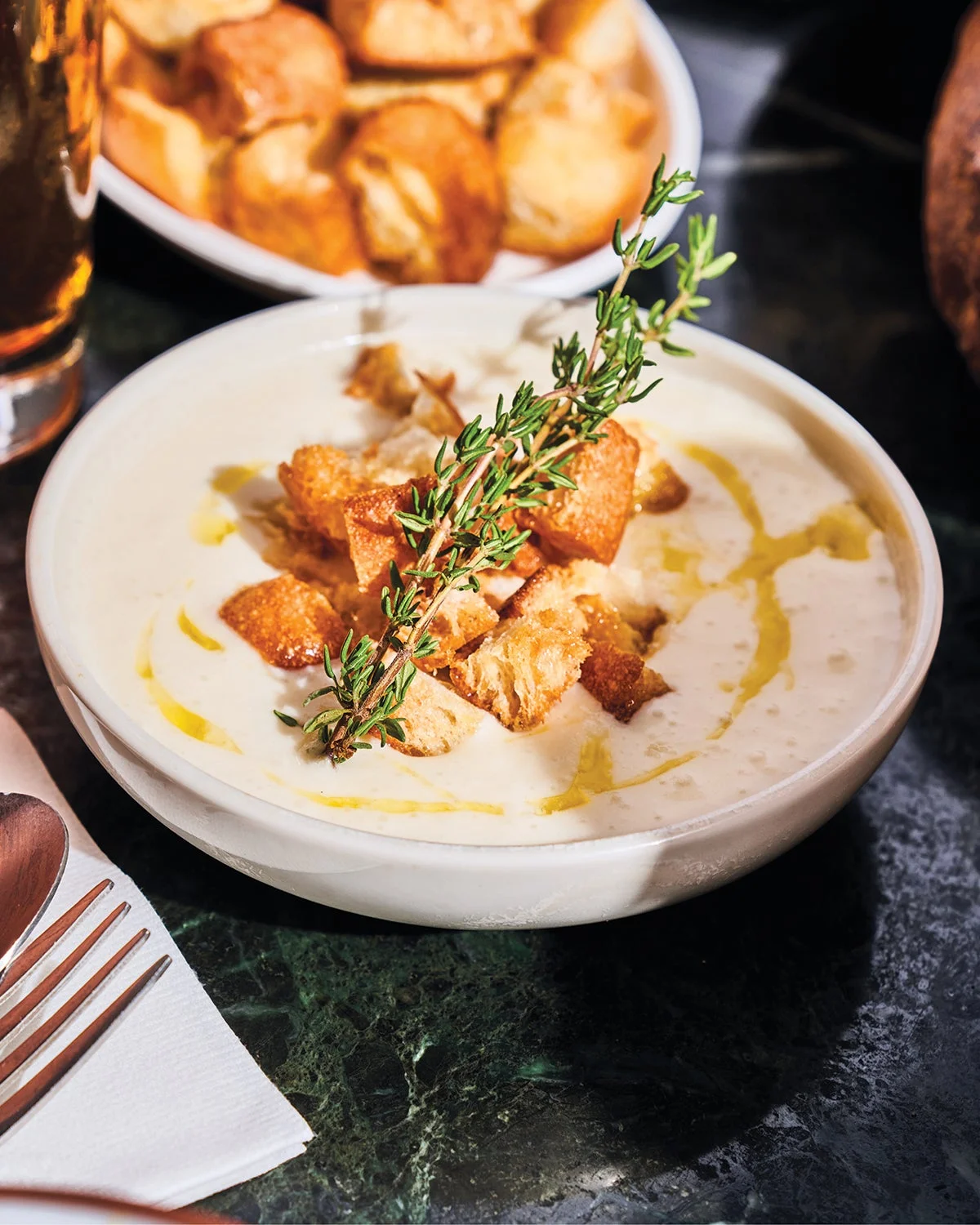
The crisp air of autumn has officially ushered in a season of comforting flavors and hearty dishes, and a recent culinary innovation is capturing the attention of gourmands and home cooks alike. This sophisticated rendition of a classic parsnip and leek soup, elevated by a fragrant rosemary-thyme crouton garnish, offers a nuanced and deeply satisfying experience, showcasing the humble parsnip in a new light. This article delves into the creation of this exceptional dish, exploring its origins, the meticulous steps involved in its preparation, and the broader implications for seasonal cuisine.
The Genesis of a Sophisticated Soup
While the specific origin of this particular parsnip and leek soup recipe is not tied to a singular documented event or establishment, its emergence can be understood within the context of a broader trend in modern gastronomy: the rediscovery and elevation of root vegetables. For generations, parsnips were often relegated to a supporting role in stews or roasts, their subtle sweetness and earthy notes frequently overshadowed. However, a renewed appreciation for seasonal produce, coupled with advancements in culinary techniques, has propelled vegetables like parsnips to the forefront of innovative menus.
The combination of parsnips and leeks is not new; it has long been a staple in traditional European cooking, particularly in French and British cuisines. Leeks, with their delicate oniony flavor and creamy texture when cooked, provide a perfect foil to the inherent sweetness of parsnips. This particular recipe, however, distinguishes itself through a series of precise steps designed to maximize flavor extraction and create a luxurious, velvety finish. The inclusion of maple syrup, a touch of white wine for deglazing, and fresh rosemary and thyme are not merely additions but integral components that build layers of complexity.
A Detailed Culinary Chronology: Crafting the Parsnip and Leek Masterpiece
The creation of this elevated soup is a multi-stage process, each step contributing to the final harmonious blend of flavors and textures. The recipe, as outlined, can be broken down into distinct phases, typically spanning approximately 45 to 60 minutes of active preparation and cooking time, not including any preliminary ingredient sourcing or mise en place.
Phase 1: Building the Flavor Base (Approximately 18-20 minutes)
The initial stage focuses on developing a deep, caramelized foundation for the soup.
- High-Heat Searing of Parsnips: The process commences with the introduction of butter and olive oil to a large pot over high heat. The oil is brought to a shimmering point, indicating it’s ready to impart intense heat. Parsnips are then added and cooked, stirring occasionally, for a crucial 6 to 8 minutes. This high-heat searing is critical for developing Maillard reactions, which are responsible for the browning and the development of complex, nutty, and slightly sweet flavors inherent to the parsnips. Data from culinary science suggests that prolonged exposure to high heat on root vegetables can unlock deeper aromatic compounds.
- Gentle Sautéing of Aromatics: Following the parsnip searing, the heat is reduced to medium. Garlic, leek (the white and light green parts, typically), and onion are then added. These aromatics are cooked, with intermittent stirring, for approximately 10 minutes, or until the onion becomes softened and translucent. This gentle cooking allows their natural sugars to release and meld with the parsnip base without burning, contributing a subtle allium sweetness and foundational aromatic depth.
Phase 2: Infusion and Reduction (Approximately 25-30 minutes)
This phase introduces liquids and herbs, allowing flavors to meld and concentrate.
- Sweet and Herbal Infusion: Maple syrup, fresh rosemary, and thyme are stirred into the pot. The maple syrup, beyond adding a hint of sweetness, contributes a subtle caramel note that complements the roasted parsnips. The fresh herbs release their volatile oils, imbuing the soup with their distinctive fragrant character.
- Deglazing with Wine: White wine is added, and the mixture is cooked, with attention paid to scraping up any browned bits (fond) from the bottom of the pot. This process, known as deglazing, incorporates those concentrated flavors back into the soup. The wine is then reduced by half, typically taking 2 to 3 minutes. This reduction concentrates the wine’s flavor and removes some of its harsh alcohol notes, leaving behind a pleasant acidity and depth.
- Simmering for Tenderness: The stock (vegetable or chicken stock are common choices) is added, and the soup is brought to a boil. It then simmers until the parsnips are fork-tender, a process that usually takes between 20 to 25 minutes. This simmering period allows all the flavors to meld and the parsnips to become completely soft, ensuring a smooth purée.
- Creamy Emulsion: The heat is reduced to medium-low, and cream is stirred in. The soup is then simmered for an additional 2 minutes. This brief simmer allows the cream to incorporate fully without curdling, contributing a luxurious richness and velvety texture to the finished product.
Phase 3: Achieving a Silken Texture (Approximately 5-10 minutes)
The final stage of soup preparation involves transforming the cooked ingredients into a smooth, emulsified consistency.
- Puréeing for Smoothness: The hot soup mixture is carefully transferred to a blender or food processor. For safety, it is crucial to vent the blender lid or process in batches to avoid pressure buildup from the hot steam. Alternatively, an immersion blender can be used directly in the pot. During this process, the consistency can be adjusted by adding more stock if the soup is too thick. The goal is a smooth, homogeneous texture that coats the back of a spoon.
- Final Seasoning and Holding: The puréed soup is returned to the pot. It is then seasoned to taste with salt and freshly ground black pepper. This is a critical step, as proper seasoning is paramount to bringing out the full spectrum of flavors. The soup is then kept warm until ready to serve.
Phase 4: Crafting the Aromatic Croutons (Approximately 11-16 minutes)
While the soup simmers, the croutons are prepared to add a contrasting textural element and an additional layer of flavor.
- Toasting for Crispness: In a separate medium skillet, butter and olive oil are heated over medium-high heat until shimmering. Fresh thyme sprigs and minced garlic are added, followed by cubed bread (stale bread works best for croutons as it absorbs less oil).
- Golden Perfection: The bread mixture is cooked, stirring frequently, for 5 to 6 minutes, or until the croutons are golden brown and delightfully crusty. The herbs and garlic infuse the bread with their aromatic essence during this toasting process.
Phase 5: Presentation and Garnish (Immediate)
The final act is the elegant presentation of the soup.
- Assembling the Dish: The warm, puréed soup is divided into individual bowls. The freshly made rosemary-thyme croutons are scattered over the top. A fresh thyme sprig is often added as a visual garnish, and a final drizzle of high-quality olive oil can enhance both the aroma and the richness of the dish.
Supporting Data and Culinary Context
The success of this soup lies in the synergistic interaction of its core ingredients. Parsnips, scientifically known as Pastinaca sativa, are root vegetables that typically contain around 17 grams of carbohydrates per 100 grams, with a significant portion being natural sugars. Their characteristic sweetness intensifies upon cooking, especially when caramelized. Leeks (Allium ampeloprasum var. porrum) are part of the allium family and provide a milder, sweeter flavor than onions or garlic, contributing to a creamy texture when puréed due to their high mucilage content.
The use of maple syrup, a natural sweetener derived from the sap of maple trees, introduces a complex flavor profile that includes caramel and woody notes, a departure from the simpler sweetness of granulated sugar. This choice aligns with a growing trend in haute cuisine to utilize natural, artisanal sweeteners.
Rosemary (Salvia rosmarinus) and thyme (Thymus vulgaris) are Mediterranean herbs known for their potent aromas and flavors. Rosemary offers a pine-like, slightly peppery note, while thyme provides a more delicate, earthy, and minty undertone. When combined with garlic and toasted bread, they create an aromatic and textural counterpoint to the smooth, rich soup.
Broader Impact and Implications for Seasonal Dining
The prominence of dishes like this parsnip and leek soup signifies a broader shift in culinary appreciation. It reflects a growing consumer interest in:
- Seasonal and Local Sourcing: As autumn progresses, root vegetables like parsnips become more readily available and at their peak flavor. This recipe champions the use of ingredients that are naturally in season, aligning with sustainable and environmentally conscious food practices. Data from agricultural reports consistently shows increased yields and improved quality of root vegetables during the fall and winter months.
- Elevated Comfort Food: The soup offers a sophisticated take on comfort food, appealing to diners seeking familiar flavors presented in an elegant and refined manner. This trend is evident in the rising popularity of "farm-to-table" restaurants and culinary programs that emphasize ingredient quality and thoughtful preparation.
- Vegetable-Forward Cuisine: There’s a noticeable movement towards vegetable-centric dishes, where vegetables are not merely side dishes but the stars of the plate. This parsnip and leek soup exemplifies this by showcasing the versatility and depth of flavor that root vegetables can offer.
- Home Culinary Exploration: The detailed instructions provided for this recipe empower home cooks to replicate restaurant-quality dishes, fostering culinary exploration and a deeper understanding of cooking techniques. Online culinary platforms and recipe sharing sites show a significant increase in searches for "gourmet soup recipes" and "elevated vegetable dishes" during the autumn months.
Official Responses and Industry Trends
While there isn’t a singular "official" response to a specific recipe, the culinary industry as a whole has embraced the principles behind this soup. Chefs and restaurateurs are increasingly featuring parsnip and leek dishes on their menus, often highlighting the provenance of their ingredients. Food critics and publications have lauded the resurgence of root vegetables, with many highlighting the nuanced flavors that can be achieved through careful preparation.
The trend towards refined comfort food is also a significant factor. Industry analyses from market research firms indicate a consistent demand for dishes that offer both familiarity and a touch of indulgence. This parsnip and leek soup perfectly encapsulates this demand by taking a humble, traditional combination and transforming it into a culinary statement.
Conclusion
The parsnip and leek soup with rosemary-thyme croutons stands as a testament to the power of thoughtful ingredient selection and meticulous culinary execution. It transforms simple, seasonal produce into a dish of remarkable depth and elegance. As we navigate the cooler months, recipes like this not only provide nourishment and comfort but also celebrate the rich tapestry of flavors that autumn has to offer, encouraging a renewed appreciation for the often-overlooked gems of the earth. This dish is more than just a recipe; it is a culinary statement that speaks to the evolving landscape of modern dining, where tradition meets innovation and the humble vegetable takes center stage.