admin
admin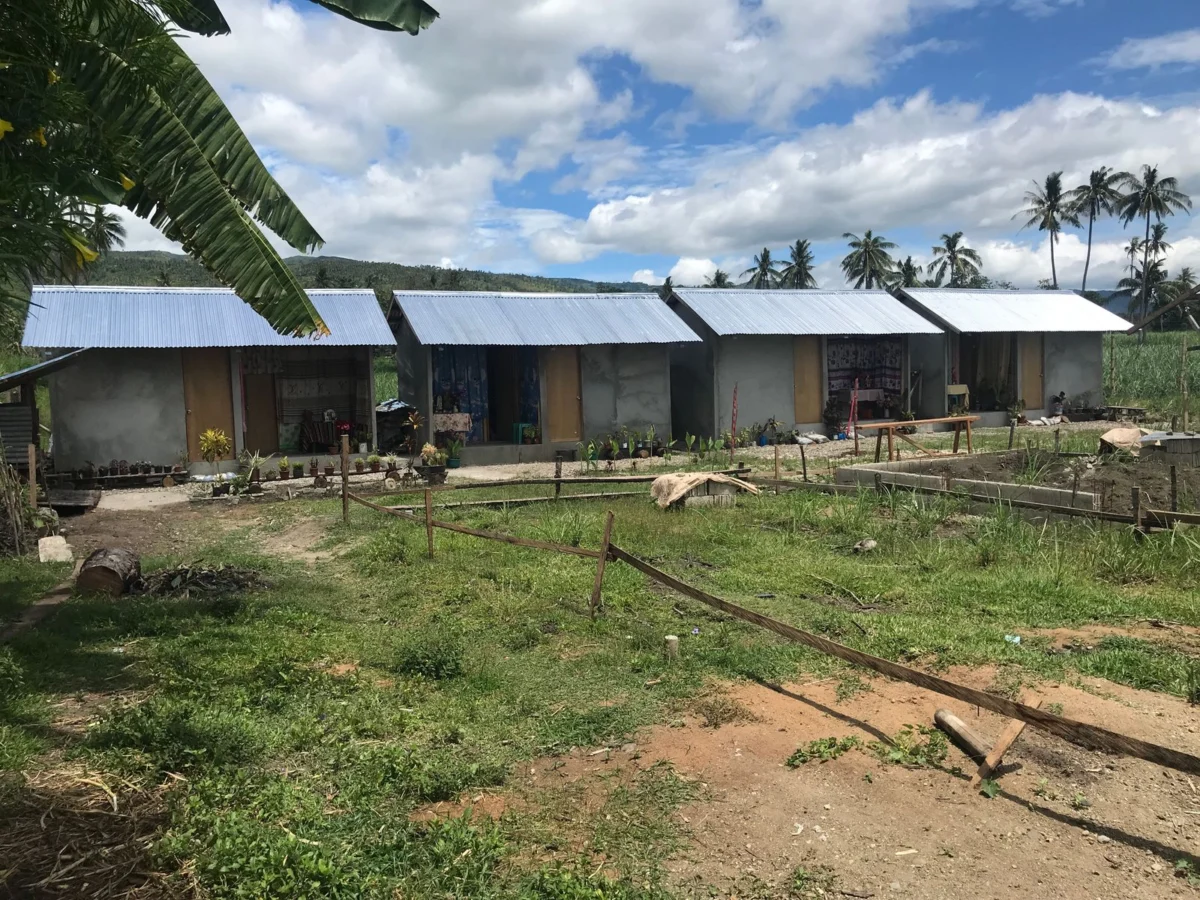
The quest for sustainable and resilient housing in the Philippines has found a powerful answer in an age-old material, re-engineered for modern challenges: bamboo. For Rosanne Ceriales, a public school teacher in Santa Catalina, Negros, the decision to build a new home for her family marked a departure from the stifling concrete structures prevalent in urban centers. Driven by a desire for better ventilation, environmental consciousness, and a smaller carbon footprint, Ceriales embarked on a journey that led her to rediscover the remarkable potential of bamboo, a material deeply rooted in her family’s history and the cultural fabric of the Philippines. Her experience, and that of countless others, is testament to a growing movement championed by organizations like Kawayan Collective, which are transforming traditional building practices into innovative, scalable solutions for a nation grappling with a significant housing deficit and the escalating impacts of climate change.
The Urgent Need for Resilient Housing in the Philippines
The Philippines, an archipelago nation, faces a multifaceted housing crisis exacerbated by rapid urbanization, poverty, and an alarming vulnerability to natural disasters. Millions of Filipinos live in substandard housing or informal settlements, contributing to an estimated housing backlog that continues to grow. Conventional concrete construction, while ubiquitous, presents numerous challenges in this tropical climate. Concrete homes often become insufferably hot and humid during the country’s torrid summers, requiring energy-intensive air conditioning and contributing to higher utility costs. Beyond comfort, the environmental footprint of concrete, a major contributor to global carbon emissions, stands in stark contrast to the Philippines’ commitment to climate resilience.
Furthermore, the geographical reality of the Philippines places it directly in the path of some of the world’s most powerful typhoons and within the seismically active Pacific Ring of Fire. Annually, the country experiences an average of 20 typhoons, with several making landfall, bringing devastating winds, torrential rains, and widespread flooding. Earthquakes are also a regular occurrence, posing a constant threat to infrastructure and human lives. Traditional concrete structures, while robust, can be rigid and heavy, making them susceptible to catastrophic failure under extreme seismic or wind loads if not engineered to the highest, often costly, standards. This confluence of factors underscores the critical need for building materials and construction methodologies that are not only affordable and sustainable but also inherently resilient against a volatile natural environment.
Rediscovering a Traditional Material: The Evolution of Bamboo Construction
For centuries, bamboo has been an integral part of Filipino life and architecture. The iconic bahay kubo, a small, rural cottage made primarily of bamboo and nipa palm, embodies the traditional Filipino dwelling. These structures are ingeniously designed to suit the tropical climate: raised on stilts to mitigate flooding and deter pests, and featuring open, breathable designs that allow for natural ventilation, keeping interiors cool even in oppressive heat. Rosanne Ceriales fondly recalls her grandparents’ bahay kubo, a testament to this enduring heritage. However, with the advent of modern construction techniques and the perception of concrete as a symbol of progress and permanence, bamboo gradually fell out of favor, often stigmatized as a "poor man’s material" lacking durability and modern aesthetic appeal. The absence of standardized treatment and construction methods for bamboo also limited its widespread adoption in contemporary building projects.
The tide began to turn with renewed interest in sustainable building practices and a deeper understanding of bamboo’s extraordinary properties. Botanically, bamboo is a giant grass, renowned for its rapid growth rate – some species can grow up to three feet in a single day, making it one of the fastest-renewing building materials on the planet. Environmentally, bamboo sequesters significant amounts of carbon dioxide, contributing positively to climate change mitigation. Structurally, its hollow, tubular form provides an exceptional strength-to-weight ratio, boasting a tensile strength comparable to steel and compressive strength rivaling concrete.
This combination of ecological benefits and structural integrity has spurred innovation in bamboo construction. Non-profit organizations like Base Bahay, based in Manila, have been at the forefront of this resurgence, investing heavily in research and development to transform bamboo into a viable, modern building material. Their pioneering work includes developing advanced treatment methods to protect bamboo from pests and decay, as well as engineering robust structural systems. One such innovation is the "composite bamboo shear wall" technology. This technique involves fabricating structural panels from treated bamboo culms, reinforcing them with mesh, and then encasing them in a minimal layer of cement. This significantly reduces the overall concrete content compared to conventional buildings, enhancing both sustainability and structural performance.
Kawayan Collective: Pioneering Prefabricated Bamboo Solutions
The practical application and widespread dissemination of these modern bamboo technologies have been greatly facilitated by initiatives like Kawayan Collective. Founded in 2019 by Filipino-American architect Ray Villanueva and his wife, Amy Villanueva, Kawayan Collective emerged from a shared vision to bridge traditional wisdom with modern engineering to address the housing needs of the Philippines. Ray Villanueva, drawing from his background in U.S. construction, recognized the need for a vertically integrated approach to scale sustainable building solutions. Leaving behind their lives in the United States, the Villanueva’s established Kawayan Collective in Dauin, a municipality in Negros Oriental, strategically located near sustainable bamboo sources and the vibrant scuba diving destination.
At their manufacturing facility, located just two hours from Santa Catalina, Kawayan Collective employs a meticulous process. Bamboo culms are carefully selected, treated in specialized tanks to enhance their durability and resistance to pests and moisture, and then precisely cut and bolted together to form the structural shear walls. These prefabricated panels serve as the fundamental "bones" for a diverse range of structures, from modest homes to larger community buildings. Villanueva’s design philosophy prioritizes simplicity and adaptability, allowing for various configurations while maintaining structural integrity. He envisions a system where "people can play around with this system. I feel like there’s a lot of potential." This vertical integration, encompassing everything from sustainable sourcing and treatment to manufacturing and supporting construction, ensures quality control, cost-effectiveness, and ultimately, the ability to scale production to meet demand.
Kawayan Collective’s commitment extends beyond manufacturing. They actively collaborate with humanitarian organizations such as Habitat for Humanity and leverage the research of Base Bahay. This synergistic partnership has been crucial in developing standardized, affordable, and disaster-resilient housing solutions, including the "starter-home kit" that appealed to Rosanne Ceriales. The collective’s efforts are not just about building houses; they are about fostering a local industry, creating skilled jobs, and empowering communities with access to safe and sustainable shelter. The growing interest in their model is evident, with at least a dozen similar bamboo treatment facilities now emerging across the country, signifying a promising shift in the national construction landscape.
Engineering for Resilience: Composite Bamboo Shear Walls
The true innovation of Kawayan Collective’s approach lies in its adoption and refinement of the composite bamboo shear wall technology developed by Base Bahay. This system fundamentally redefines bamboo’s role in construction, elevating it from a temporary, rustic material to a robust, engineered component capable of withstanding the Philippines’ challenging environmental conditions. The structural bamboo panels, integrated with mesh and a minimal cement envelope, create a composite material that capitalizes on bamboo’s inherent strengths while mitigating its traditional vulnerabilities.
Scientifically, bamboo’s high tensile strength (up to 40,000 psi) allows it to flex significantly without breaking, a crucial property in seismic events. When an earthquake strikes, the lightweight and fibrous nature of the bamboo structures enables them to sway and absorb energy, dissipating seismic forces rather than rigidly resisting them. This ductility prevents the brittle failures often seen in conventional, heavy concrete or masonry structures. Similarly, against the ferocious winds of typhoons, the flexibility of bamboo allows buildings to "breathe" and deform temporarily, absorbing extreme loads and reducing the risk of structural collapse.
The resilience of these modern bamboo homes is not merely theoretical. Following the devastating Typhoon Odette (international name Rai) in 2021, which caused widespread destruction across the central and southern Philippines, Kawayan Collective, in partnership with Habitat for Humanity and Base Bahay, intensified their efforts to develop and test their starter-home kits. While the original article’s reference to "2025" typhoons and earthquakes appears to be a forward projection or a typo, Kawayan and Base Bahay have demonstrably reported that hundreds of structures built using their composite bamboo technology have successfully withstood numerous severe weather events and seismic activities in the recent past. This real-world performance validation is critical for gaining public trust and wider acceptance for bamboo as a reliable building material.
Beyond its disaster resilience, the economic viability of these homes is a game-changer for a country with a dire need for affordable housing. With construction costs averaging around $15 per square foot, these prefabricated bamboo homes offer a significantly more accessible option compared to traditional concrete construction, making homeownership a tangible reality for more families. The efficiency of the prefabricated system also translates to faster construction times; Rosanne Ceriales’s home, for example, took approximately three weeks to build, a stark contrast to the months or even years often associated with conventional housing projects.
A Personal Testimony: Rosanne Ceriales’s Sustainable Sanctuary
Rosanne Ceriales’s journey to her bamboo home encapsulates the aspirations of many Filipinos seeking a better quality of life and a deeper connection to their environment. Having lived in urban concrete housing that became "stiflingly hot and humid" during the summer, her priorities for her new home in Santa Catalina were clear: superior ventilation, environmental friendliness, and a smaller carbon footprint. Her research led her to the composite bamboo shear wall technology, and the proven typhoon-resistance of such homes in the northern Philippines quickly convinced her of its structural integrity. "I thought, Oh, it’s also possible that these houses will be storm resistant and not easily moved by earthquakes," she recounts, reflecting a common concern in the disaster-prone region.
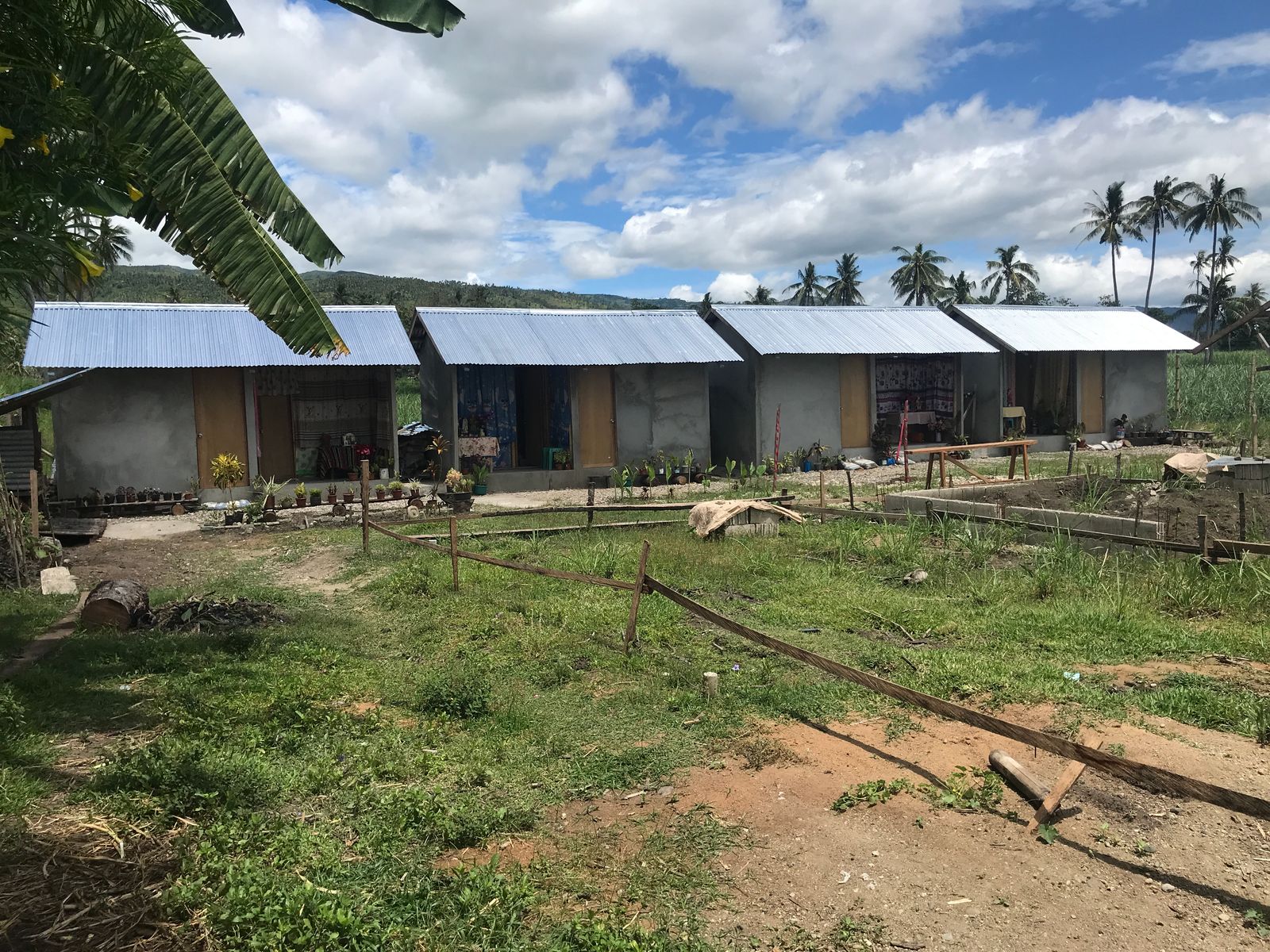
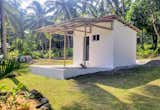
Her family chose the plans for Kawayan Collective’s starter-home kit, a simple yet expandable two-room structure designed for flexibility and future growth. Moving into the home, Ceriales immediately noticed the profound difference in living quality. Despite the intense afternoon sunlight filtering through the bamboo slats, the interior remained refreshingly cool, a stark contrast to her previous concrete dwelling. The design, incorporating gaps at the roofline, facilitates natural airflow, embodying the traditional wisdom of tropical architecture. While the bamboo floor might creak slightly underfoot – a natural characteristic Villanueva assures is perfectly safe – it contributes to the home’s organic, living feel.
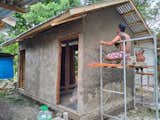
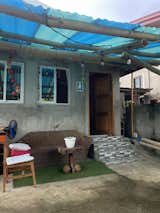
Ceriales also appreciated the degree of customization offered. She opted to finish the exterior and parts of the interior with plaster, providing an additional moisture barrier and a clean aesthetic. Yet, the underlying natural essence of bamboo remains, allowing the home to subtly sway, much like bamboo in a forest. This connection to nature extends even to the presence of "insects and lizards living in the bamboo," a minor trade-off Ceriales readily accepts for the overall benefits. Her experience underscores the blend of modern comfort with traditional harmony.
The durability of her bamboo home has been proven in the face of recent natural calamities. Kawayan Collective conducts annual inspections, and while some bamboo culms have developed small, natural cracks, the structure has held firm. Most critically, the home provided a safe haven for her family during the strong typhoons and earthquakes that impacted the region, validating her initial trust in the material’s resilience. For Ceriales, living in her bamboo home is more than just shelter; it’s a reconnection to her roots. "It feels like the stories told by my grandparents about living in a bamboo house," she shares, "So I feel like I am connected to them as well."
Broader Implications and the Road Ahead
The success of modern bamboo construction in the Philippines, spearheaded by organizations like Kawayan Collective and Base Bahay, carries profound implications for addressing both local and global challenges.
Addressing the Housing Gap: With homes costing as little as $15 per square foot and requiring minimal construction time, engineered bamboo offers a viable pathway to significantly reduce the housing backlog in the Philippines. Its affordability makes decent housing accessible to a wider segment of the population, particularly low-income families and communities in rural areas.
Environmental Stewardship: The environmental benefits are substantial. Bamboo’s rapid growth rate, high carbon sequestration capacity, and the reduction in concrete use directly contribute to mitigating climate change. A wider adoption of bamboo construction could significantly lower the carbon footprint of the building sector, aligning with national and international environmental goals.
Economic Empowerment: The development of a robust bamboo construction industry fosters local economic growth. It creates jobs throughout the value chain, from sustainable bamboo farming and harvesting to treatment, manufacturing, and construction. This localized industry can empower rural communities and reduce reliance on imported, often more expensive, building materials.
Disaster Resilience: In a world increasingly affected by climate change-induced extreme weather events and seismic activity, bamboo’s proven resilience offers a critical advantage. Promoting its use in vulnerable regions can save lives, reduce post-disaster recovery costs, and build more resilient communities.
Despite the promising trajectory, challenges remain. Overcoming the ingrained perception of bamboo as an inferior or temporary material requires sustained advocacy, education, and continued demonstration of its modern capabilities. Standardization and the widespread integration of engineered bamboo into national building codes are crucial for broader acceptance by regulatory bodies, financial institutions, and the wider public. Ensuring a sustainable and consistent supply chain for high-quality, treated bamboo as demand grows will also be vital. Furthermore, continued research into new applications and optimized construction methods will solidify bamboo’s place as a leading material for the 21st century.
The Philippine government and various non-governmental organizations are increasingly recognizing the potential of bamboo. Policy support, incentives for bamboo cultivation, and integration into public housing programs could accelerate its adoption on a national scale. The model developed in the Philippines also holds immense potential for replication in other tropical developing countries facing similar challenges of affordable housing, climate vulnerability, and the need for sustainable development.
In conclusion, the story of Rosanne Ceriales and the innovative work of Kawayan Collective are more than just isolated instances of sustainable building; they represent a powerful convergence of tradition, technology, and environmental consciousness. By embracing bamboo, the Philippines is not only constructing homes but also building a more resilient, sustainable, and culturally connected future, one prefabricated panel at a time.