admin
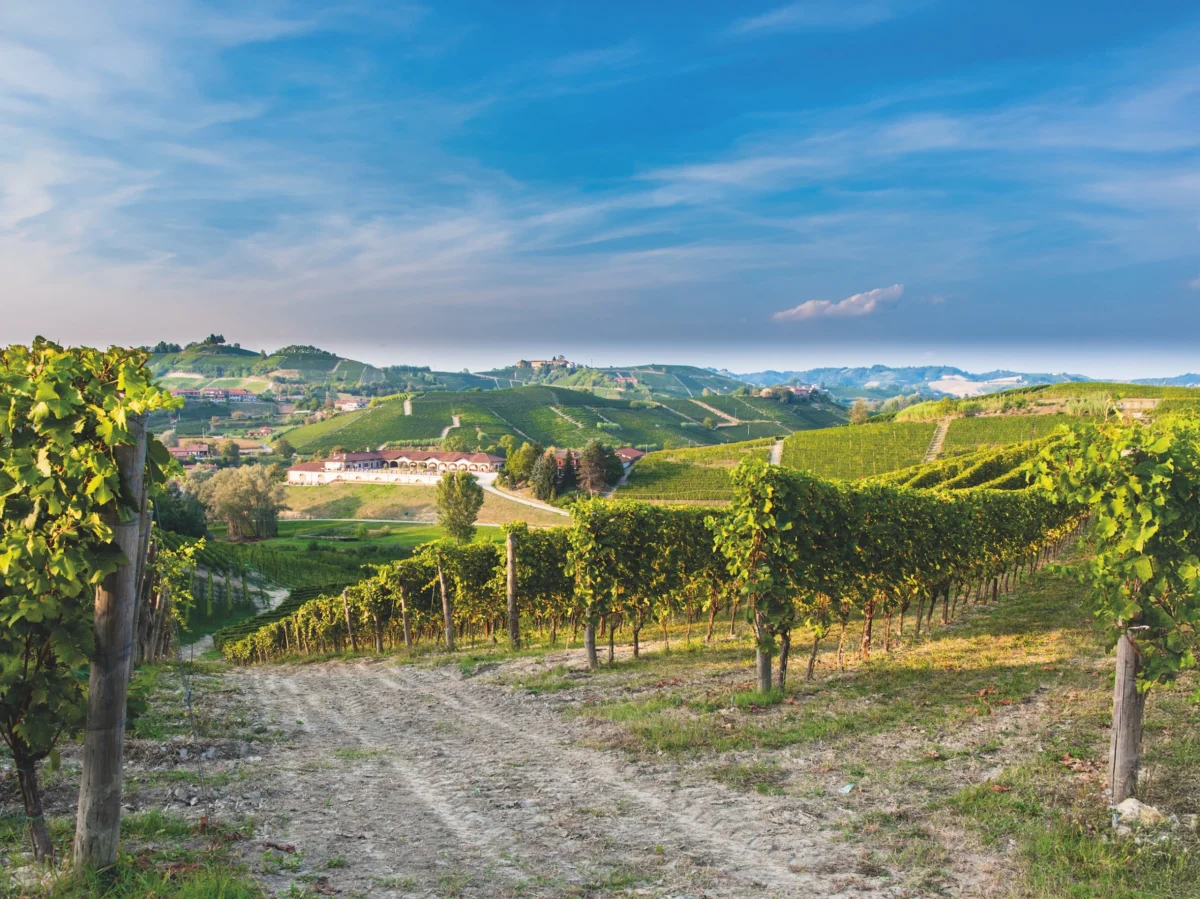
The recent surge in popularity of Emilia-Romagna’s sparkling red Lambrusco wines masks a fascinating secret: these same robust grapes are the fundamental ingredient behind many of the region’s most revered balsamic vinegars. This revelation highlights a profound connection within Emilia-Romagna’s culinary landscape, linking vibrant modern wine trends to an ancient, artisanal tradition that continues to captivate palates worldwide. The transformation of grape must into the viscous, aromatic elixir known as Aceto Balsamico Tradizionale DOP (traditional balsamic vinegar PDO) is a testament to centuries of unwavering dedication, patience, and a deep respect for natural processes.
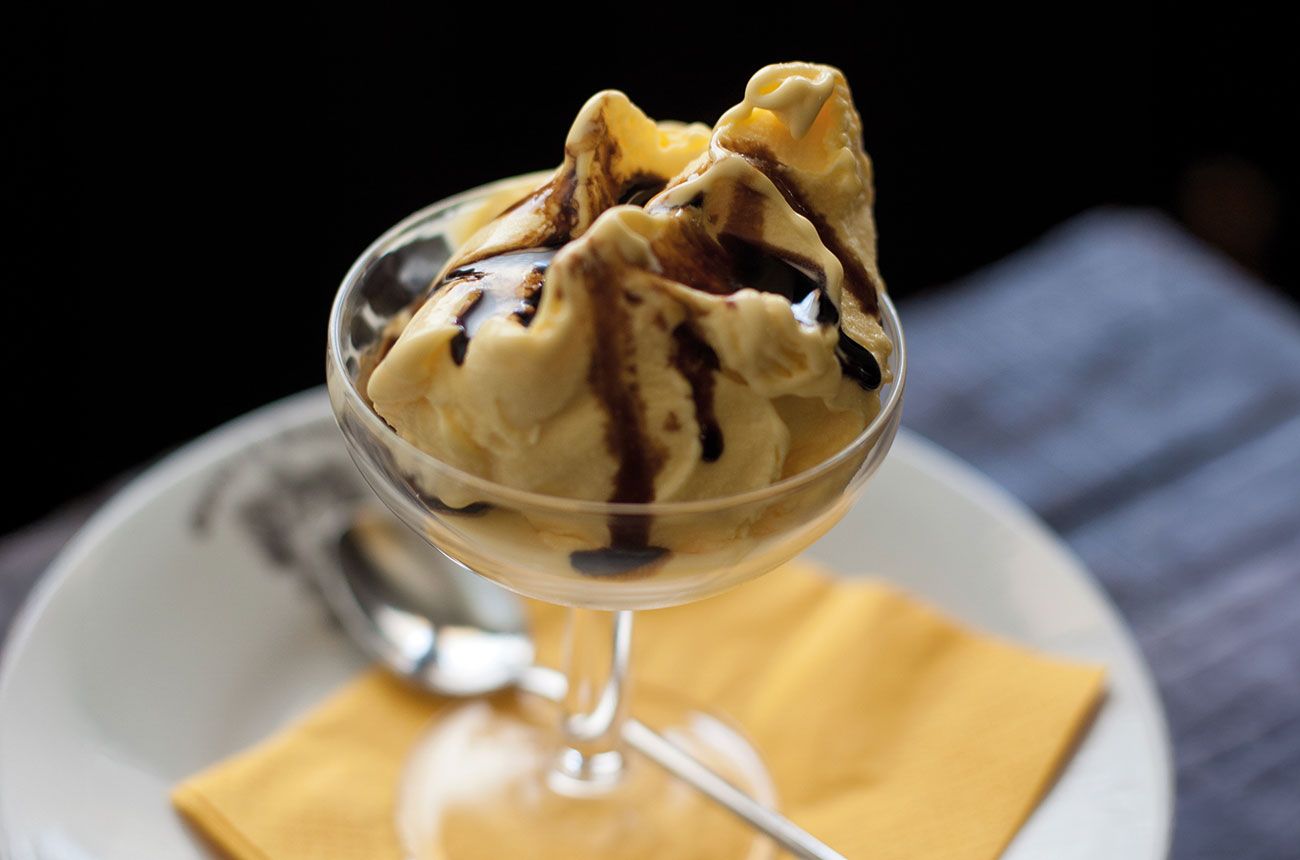
Velvety smooth, lusciously dense, and possessing a glossy deep brown hue, even a single drop of Modena’s Aceto Balsamico Tradizionale DOP offers an unforgettable taste experience. Its intricate tapestry of intense aromas—ranging from notes of dried fruit and caramel to tobacco and leather—and its seductive balance of sweetness and acidity create a complex flavor profile that distinguishes it from any other condiment. While delicious on its own, savored like a fine liqueur, its true magic often unfolds when paired with other regional treasures: it elevates Parmigiano Reggiano DOP cheese, adds a sophisticated depth to pumpkin-filled pasta, and even transforms creamy gelato into an unexpectedly sublime dessert. However, beyond its immediate sensory appeal, understanding traditional balsamic vinegar is to delve into deeply ingrained, ancient family traditions that define a significant part of Italian gastronomic heritage.
A Legacy Steeped in Time: The Rich History of Balsamic Vinegar
The modern "balsamic vinegar boom," largely fueled by global culinary trends and increased appreciation for artisanal products, began in earnest in the 1990s. Yet, its status as a prized product stretches back not just centuries, but millennia. The roots of balsamic vinegar can be traced to ancient Roman times, where similar grape reductions, known as saba or sapa, were valued for their sweetness, preservative qualities, and even medicinal properties. These precursors were cooked down from grape must, concentrating sugars and flavors, and served as a sweetener and condiment long before the concept of vinegar as we know it today fully evolved.
- From Roman Saba to Princely Dowries: By the early Middle Ages, references to a more refined "Modenese vinegar" began to appear in historical records. Its superior aromatic qualities were recognized and celebrated, particularly among the nobility of medieval and Renaissance Europe. It swiftly became a coveted and prestigious gift, often exchanged between aristocratic families and presented to royalty. Records from the Duchy of Modena and Reggio Emilia, ruled by the Este family, frequently mention casks of this precious liquid being part of dowries for noblewomen or diplomatic gifts. This era solidified its reputation as a luxury item, a symbol of wealth, status, and refined taste, far removed from a mere kitchen condiment.
- The Birth of the Acetaia Tradition: The unique production method, centered around aging in a series of wooden barrels, gradually developed and became formalized over centuries within the attics (acetaie) of Modenese and Reggian households. These family-run operations became repositories of secret recipes and inherited knowledge, passed down through generations. The 17th to 19th centuries saw the refinement of the batteria system and the understanding of how different wood types contributed to the vinegar’s complexity. Each family’s acetaia was a living library of their history, with barrels often dating back decades or even centuries, each contributing to the unique character of their balsamic.
- Modern Revival and DOP Protection: Following the challenges of industrialization in the 20th century, which saw many traditional foodways threatened, a concerted effort began in the late 1980s and 1990s to protect and define authentic balsamic vinegar. This led to the establishment of the Protected Designation of Origin (DOP) for Aceto Balsamico Tradizionale di Modena (ABTM) and Aceto Balsamico Tradizionale di Reggio Emilia (ABTRE). These strict regulations safeguard the ancient production methods, ingredients, and geographical origins, ensuring that consumers receive a product of unparalleled quality and authenticity, preserving a vital piece of Italy’s cultural heritage.
The Art of Patience: Crafting Aceto Balsamico Tradizionale DOP
The creation of DOP traditional balsamic vinegar is a meticulous, time-consuming process that borders on alchemy, demanding profound patience and expertise. Both Modena’s ABTM and Reggio Emilia’s ABTRE share a singular, unadulterated ingredient: grape juice that has been cooked at no less than 80°C. This cooked must then embarks on a journey of natural fermentation and slow acetification, followed by a minimum of 12 years of aging in wooden barrels.
- The Sacred Grapes: Lambrusco and Trebbiano: The foundation of this exquisite vinegar lies in the quality of the grapes. Local varieties, predominantly Lambrusco (especially Lambrusco di Sorbara and Salamino) and Trebbiano (such as Trebbiano di Spagna and Trebbiano di Modena), are selected. These grapes are chosen for their high sugar content, balanced acidity, and aromatic complexity, which are crucial for developing the rich flavors during cooking and subsequent aging. The terroir of Emilia-Romagna, with its fertile plains and specific climatic conditions, plays an indispensable role in cultivating these ideal varietals.
- From Must to Mother: The Initial Transformation: The process begins with pressing the grapes to extract the must, which is then immediately cooked in open vats over a direct flame. This crucial step, known as mosto cotto, reduces the volume by up to two-thirds, concentrating the sugars, flavors, and pigments. This cooked grape must is then left to cool and undergoes a natural alcoholic fermentation, followed by acetification, where naturally occurring acetobacter bacteria convert the alcohol into acetic acid. This initial stage often takes place in the "mother barrel," which houses the active bacterial cultures essential for transforming the fermented cooked grape juice into vinegar.
- The Batteria: A Symphony of Woods and Time: The true magic happens within the batteria, a series of generally five or more barrels of decreasing sizes. This perpetual solera-style system is central to the traditional production method. Each barrel is crafted from a different type of wood, chosen for its unique contribution to the vinegar’s flavor profile:
- Oak: Imparts vanilla, spice, and structure.
- Ash: Adds a delicate, nutty flavor.
- Chestnut: Contributes tannin and a darker color.
- Mulberry: Offers sweetness and fruity notes.
- Acacia: Enhances the brightness and freshness.
- Juniper: Provides a distinctive, resinous, and sometimes smoky aroma.
- Cherry: Imparts a fruity, sweet, and slightly tart character. Cherry and juniper are often considered to have the most profound influence on the final flavor.
These barrels are typically decades or even centuries old, their seasoned wood having absorbed the essence of countless vintages.
- The Angel’s Share and the Hand of the Master: The batteria is traditionally kept in the attics of family homes, where the significant temperature fluctuations between seasons (hot summers, cold winters) are vital. These changes cause the wood to expand and contract, facilitating evaporation through the linen-covered window in each barrel. This natural evaporation, known as the "angel’s share," concentrates the vinegar, intensifying its flavors and viscosity. Once a year, the master vinegar maker carefully tops up each barrel from the previous, larger one in the series, ensuring a continuous blending of ages and characteristics. The largest barrel is replenished from the madre (mother barrel), maintaining the living ecosystem of acetobacter.
- Strict Guardianship: Consorzio Control and Unique Bottling: After a minimum of 12 years of aging, or 25 years for the coveted extravecchio category, a sample from the smallest, most concentrated barrel is submitted to the relevant Consorzio (representative association) for rigorous sensorial and analytical testing. Only if it meets the stringent quality parameters set by the DOP regulations is it approved for bottling. This approval is followed by bottling exclusively in specific, standard bottles designed to prevent counterfeiting and ensure authenticity. ABTM uses a distinctive rectangular-based bottle with a spherical core, designed by Giorgetto Giugiaro, while ABTRE is bottled in an elegant tulip-shaped bottle. Each bottle is sealed with an official, numbered seal, guaranteeing its provenance and quality. Given the justifiable high price tags, these bottles often come with a "friendship saver" pourer, designed to dispense just a single precious drop at a time, underscoring its value. The age-old custom of starting a batteria for a new baby, a precious investment for the next generation, further illustrates the deep cultural significance and long-term commitment embedded in this tradition.
Navigating the Nuances: Aceto Balsamico di Modena IGP Explained
While the DOP traditional balsamic vinegar represents the pinnacle of ancient craftsmanship, there is another important category: Aceto Balsamico di Modena IGP (Indicazione Geografica Protetta / protected geographic origin). Despite its similar, rather long-winded name, Aceto Balsamico di Modena IGP is a distinctly different product, made for a different purpose and market segment.
- A Different Pedigree, A Different Purpose: The IGP variant is much more acidic and youthful than its DOP counterpart. Crucially, its production regulations allow it to be made in both Modena and Reggio Emilia, despite its name. The primary difference lies in its composition: it is a blend of wine vinegar (minimum 10%) and cooked grape must (minimum 20%), with the addition of up to 10% caramel for color standardization. This blend allows for a more consistent, mass-producible product.
- Production: Speed and Scale: Unlike the multi-barrel batteria system and multi-decade aging of DOP vinegar, IGP balsamic requires aging in a single wooden container for a minimum of just 60 days. While this yields a product with a brighter acidity and a simpler flavor profile, it allows for significantly higher production volumes and a much lower price point, making it accessible for everyday culinary use. A more premium "Riserva" category, requiring a minimum of five years of aging, has recently been introduced to offer a slightly more complex IGP option.
- Market Distinction and Consumer Clarity: The similar nomenclature between Aceto Balsamico Tradizionale di Modena DOP and Aceto Balsamico di Modena IGP has historically led to considerable consumer confusion. Education on these distinctions is crucial for consumers to understand the vast differences in production, quality, and price. The IGP product, while not as complex or aged as the DOP, serves a vital role in global kitchens, offering a versatile and flavorful vinegar for dressings, marinades, and everyday cooking, thereby contributing significantly to the region’s overall economic output and global culinary footprint.
Economic Engine and Cultural Icon: The Broader Impact of Balsamic
Traditional balsamic vinegar is far more than a culinary ingredient; it is a significant economic engine and a potent cultural icon for Emilia-Romagna. Its global appeal underscores its importance not just as a product, but as a symbol of Italian gastronomic excellence and artisanal dedication.
- Global Market and Regional Pride: The combined market for DOP and IGP balsamic vinegar is substantial, with millions of liters produced annually, generating hundreds of millions of euros in revenue. While IGP accounts for the vast majority of volume due to its accessibility, DOP balsamic commands premium prices and contributes significantly to the region’s high-value export market. This success contributes directly to the regional GDP and supports a network of grape growers, producers, and associated industries. The meticulous adherence to traditional methods for DOP products fosters immense regional pride, showcasing Italy’s commitment to protecting its unique food heritage.
- Culinary Versatility and Chef Endorsements: Chefs and culinary experts worldwide recognize the unparalleled versatility of balsamic vinegar. DOP balsamic, with its concentrated sweetness and acidity, is often used as a finishing touch, drizzled over dishes to enhance flavors without overpowering them. Renowned chefs often speak of its ability to elevate simple ingredients, transforming everything from fresh strawberries to grilled meats. IGP balsamic, on the other hand, is a workhorse in professional and home kitchens alike, integral to vinaigrettes, reductions, and marinades. Its adaptability has secured its place as a staple in global cuisine, further driving demand and recognition for the Emilia-Romagna region.
- Tourism and the Balsamic Trail: The allure of balsamic vinegar has also spurred a burgeoning culinary tourism industry. Visitors flock to Modena and Reggio Emilia to explore the "Balsamic Trail," touring acetaie, participating in tastings, and learning directly from the families who have perfected this craft over generations. This form of agritourism not only boosts local economies but also educates consumers about the authenticity and effort behind these products, fostering a deeper appreciation. The experience of visiting an acetaia in the attic of a historic villa, surrounded by ancient barrels, is often described as a journey back in time, connecting visitors to the heart of Italian tradition.
Journey to the Source: Experiencing the Acetaie of Modena and Reggio Emilia
For those wishing to immerse themselves in the world of traditional balsamic vinegar, Emilia-Romagna offers a wealth of opportunities to visit producers and witness the ancient craft firsthand.
- Modena Tasting Hub: La Consorteria 1966: Located conveniently on Piazza Giuseppe Mazzini in central Modena, La Consorteria 1966 serves as an excellent starting point for any balsamic journey. This dedicated hub offers comparative and blind tastings from various producers, allowing visitors to discern the subtle differences in aroma, flavor, and texture that characterize the diverse expressions of ABTM. It provides an invaluable educational experience, guiding visitors through the nuances of this complex condiment.
- Acetaia di Canossa (at Tenuta di Roncolo): Approximately 10km southwest of Modena, the historic château-style Venturini Baldini estate, Tenuta di Roncolo, is home to one of Reggio Emilia’s most ancient vinegar attics. Here, visitors can taste their exquisite ABTRE traditional balsamic vinegar, crafted from estate-grown Lambrusco grapes. The estate also offers a range of still and sparkling wines, including their acclaimed Montelocco Lambrusco Rosso. The experience is complemented by the opportunity to dine at Ristorante Limonaia and even stay at the elegant 17th-century Villa Manodori hotel, providing a luxurious immersion into regional hospitality.
- Acetaia di Giorgio: Situated near Parco Enzo Ferrari, just outside central Modena, Giorgio’s attractive family acetaia is a testament to enduring legacy. Started by nonna Maria in 1860 when the villa was built, it is now lovingly cared for by her son-in-law Marcello. This acetaia exclusively produces traditional balsamic vinegar (ABTM), using their own-grown Lambrusco Sorbara grapes. Visitors can sample unique expressions, including memorable cherry and juniper wood versions (priced around €70/100ml), highlighting the distinct influences of the barrel woods.
- Acetaia Pedroni: In Rubbiara, about 7km east of central Modena, the sixth-generation Giuseppe Pedroni continues a tradition spanning over 160 years at his family’s countryside tavern. Pedroni opts for white Trebbiano di Spagna grapes for his ABTM. A visit to Acetaia Pedroni offers a holistic experience: guests can book a morning tour to learn about the production, followed by a traditional Emilian lunch featuring home-made ricotta-filled pasta and creamy gelato, both famously served with a drizzle of their exceptional balsamic vinegar. The Pedroni family also produces their own Sorbara and Salamino Lambrusco wines, completing the regional gastronomic journey.
Conclusion: A Timeless Elixir
The journey from the humble Lambrusco grape to the illustrious Aceto Balsamico Tradizionale DOP is a profound narrative of time, tradition, and uncompromising quality. It is a testament to the ingenuity of Emilian families who, for centuries, have perfected an art form that transforms simple grape must into a complex, multi-layered elixir. As modern palates increasingly seek authenticity and depth of flavor, traditional balsamic vinegar stands as a beacon of culinary heritage, a symbol of slow food, and a timeless treasure that continues to enrich tables and minds across the globe. Its story is not just about a condiment; it is about preserving a way of life, an ancestral craft, and a taste of Italy’s enduring soul.