admin
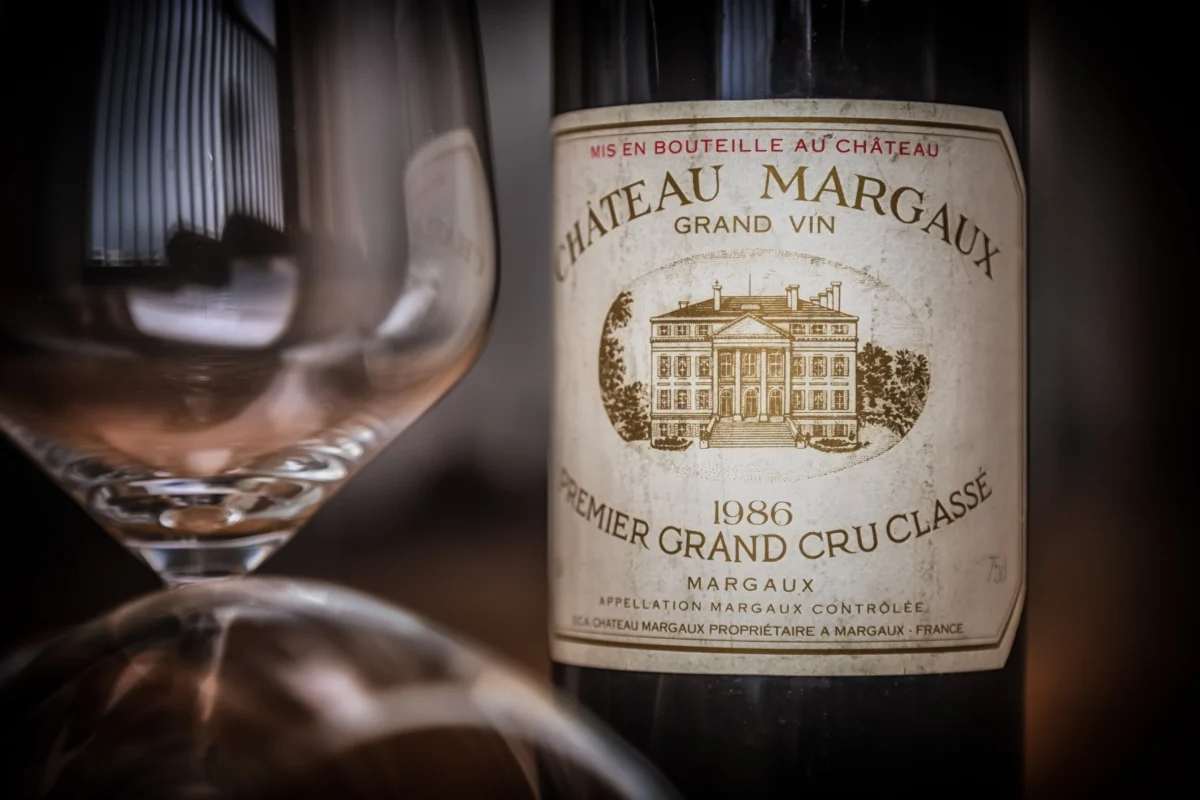
The retreat from noticeable oak extraction in Bordeaux wine has been most often associated with St-Émilion, a region long lauded for its Merlot-dominant blends where softer tannins and a more immediately approachable fruit profile often benefit from nuanced barrel treatment. However, beyond the well-documented shifts on the Right Bank, subtler but equally significant changes in barrel ageing philosophies have been steadily taking place across Bordeaux’s Left Bank, signaling a broader evolution in the region’s winemaking approach. This quiet revolution reflects a complex interplay of evolving consumer tastes, a renewed focus on terroir expression, and advancements in viticultural and oenological practices, moving away from overtly dominant oak profiles towards a more integrated and elegant style.
The Enduring Role of Oak and its Modern Evolution
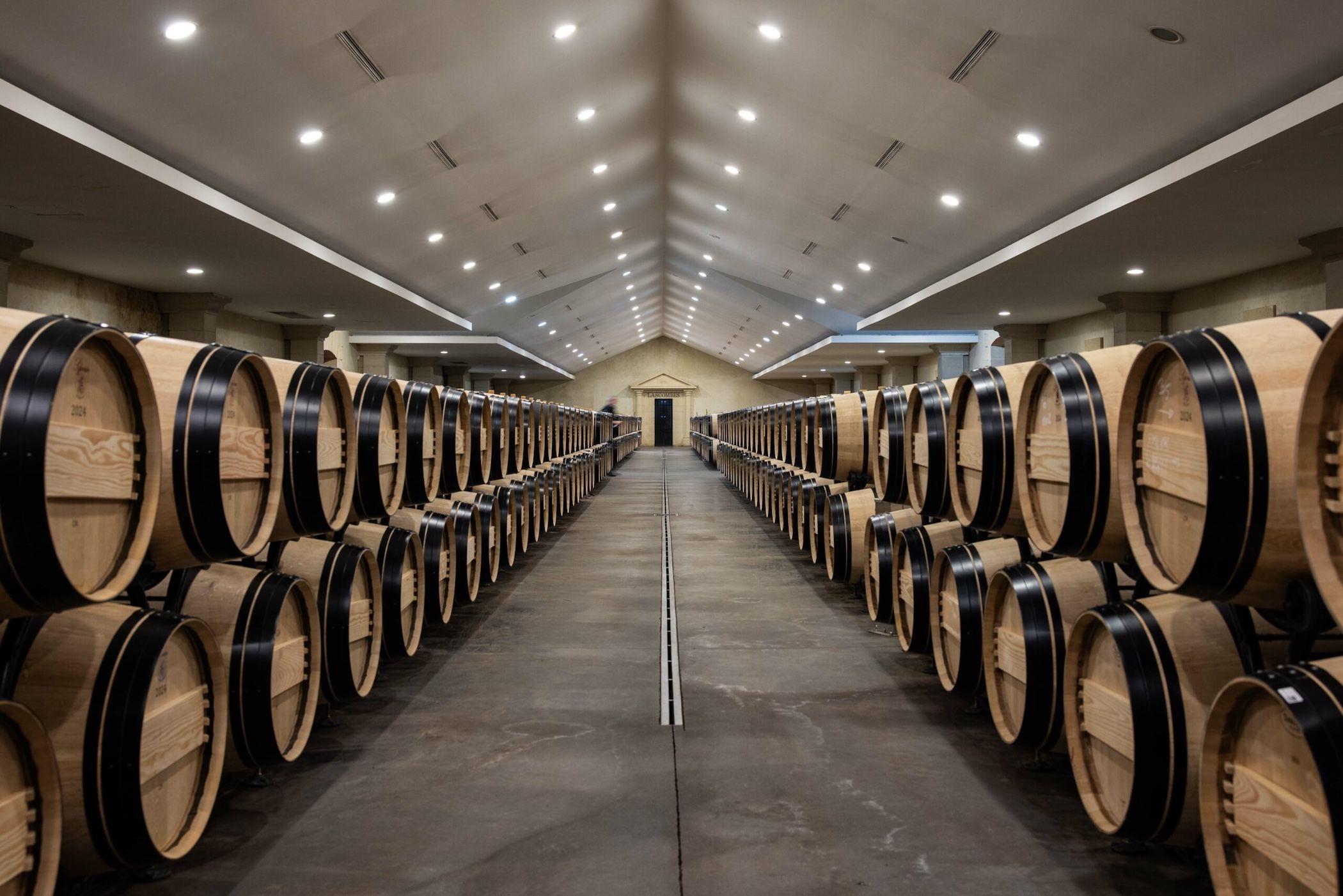
For centuries, oak barrels have been an indispensable component of Bordeaux winemaking, revered not merely as storage vessels but as active contributors to a wine’s character. Traditionally, oak provided structural tannins, facilitated micro-oxygenation crucial for polymerization of grape tannins and color stabilization, and imparted desirable aromatic complexities like vanilla, spice, toast, and cedar. The practice of aging wines in barriques (225-liter oak barrels) became synonymous with Bordeaux quality, especially for its top growths. This tradition dates back centuries, with the choice of French oak becoming particularly prominent, valued for its fine grain and ability to impart subtle flavors.
The latter half of the 20th century, particularly from the 1980s through the early 2000s, saw an intensified use of new oak, often fueled by influential wine critics whose palates favored wines with pronounced oak signatures. This era, sometimes dubbed the "Parkerization" of wine after American critic Robert M. Parker Jr., saw many châteaux, both in the New World and significantly in Bordeaux, increase the percentage of new oak barrels and extend aging times. The aim was to produce richer, more concentrated wines with a noticeable sheen of sweet spice, toast, and vanilla, appealing to a global market that equated these characteristics with luxury and quality. On the Left Bank, where Cabernet Sauvignon reigns supreme, the robust tannic structure of the grape was often seen to benefit from, or even demand, the support and softening influence of new oak. Appellations like Pauillac, St-Julien, and Margaux became known for their powerful, age-worthy wines, often with a significant oak presence in their youth. It was not uncommon for First Growths and other highly rated Crus Classés to utilize 100% new oak for their grand vin, with aging periods extending up to 18-24 months.
St-Émilion: A Precursor to the Shift
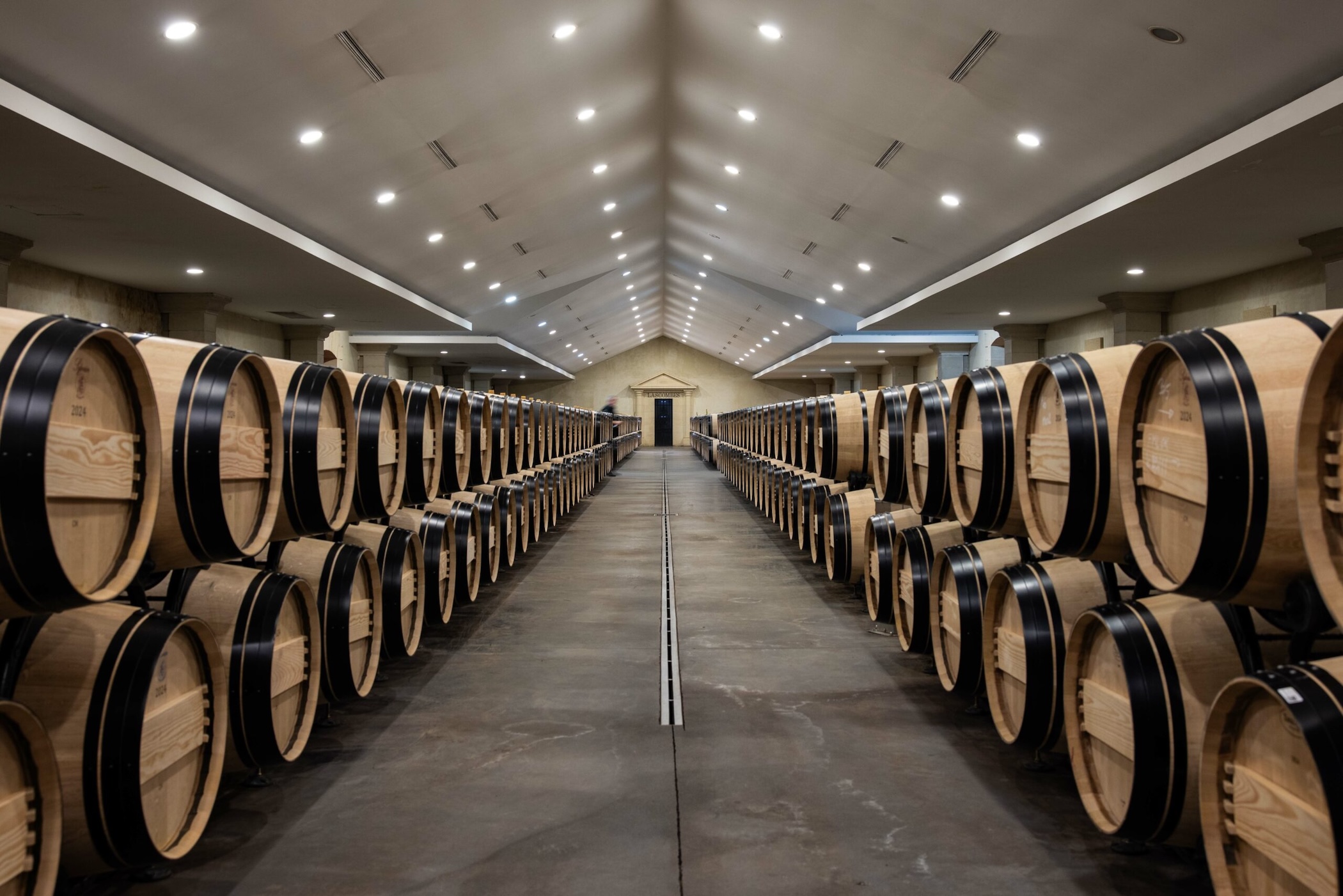
While the current shift is gaining traction on the Left Bank, its origins are widely attributed to the Right Bank, particularly St-Émilion and Pomerol. These regions, dominated by Merlot and Cabernet Franc, historically produced wines that were fruitier and softer than their Left Bank counterparts. As consumer preferences began to pivot away from overtly oaked styles in the early 2000s, many St-Émilion estates were quicker to adapt. The high ripeness levels achievable with Merlot meant that excessive new oak could easily overshadow the delicate fruit, leading to wines that tasted monolithic rather than complex.
Winemakers in these areas began experimenting with lower percentages of new oak, different barrel sizes (such as larger foudres or demi-muids), and alternative aging vessels like concrete tanks, all with the goal of showcasing fruit purity and terroir over wood influence. This move was often lauded by a new generation of critics and consumers seeking elegance, freshness, and wines that reflected their origin with greater clarity. Estates like Château Cheval Blanc and Château Angélus, for example, have publicly discussed their efforts to refine their oak programs over the past decade, aiming for better integration and a more nuanced expression of their respective terroirs.
The Left Bank’s Deliberate Evolution: A New Chapter

The Left Bank, characterized by its gravelly soils and Cabernet Sauvignon dominance, has historically produced wines of greater structure, tannin, and austerity in their youth, demanding longer aging. The integration of oak here has traditionally been seen as crucial for softening these formidable tannins and adding layers of complexity. However, the paradigm is shifting. Winemakers across prestigious appellations like Margaux, Pauillac, and St-Julien are increasingly re-evaluating their oak programs, moving towards a more harmonious integration where oak supports, rather than dominates, the fruit and terroir. This adjustment is not a radical departure but a thoughtful recalibration, a testament to the region’s continuous pursuit of excellence.
This shift isn’t a wholesale abandonment of oak, but rather a refinement of its application, often implemented gradually over several vintages. It involves several key strategies:
- Reduced New Oak Percentage: While 100% new oak was once common for top grand vins, many châteaux are now opting for lower percentages, often ranging from 50% to 70% for their flagship wines, and even less for their second wines. This allows the primary fruit characteristics of Cabernet Sauvignon and its blending partners (Merlot, Cabernet Franc, Petit Verdot) to shine through more clearly. For instance, some leading estates in Margaux or Pauillac, which previously used 80-100% new oak, might now be using 60-70%, a significant reduction that subtly alters the wine’s profile.
- Varied Oak Sourcing and Toasting: Winemakers are becoming more discerning about the origin of their oak (forests like Tronçais, Allier, Nevers, Vosges), the cooperage, and the toast level. Lighter, longer toasts are increasingly favored over heavy charring, which imparts more aggressive smoky and vanilla notes. This precision allows for a more subtle release of oak compounds, integrating seamlessly with the wine’s natural aromas and flavors.
- Larger Format Barrels: While barriques remain standard, there’s growing interest in demi-muids (500-600 liters) or even larger foudres (1,000+ liters). These larger vessels have a smaller surface-area-to-volume ratio, meaning less oak influence per liter of wine, leading to slower, gentler oxygenation and integration. While still a niche for Left Bank Crus Classés, some estates are incorporating a small percentage of their production into these larger formats to achieve specific textural and aromatic nuances.
- Longer Aging in Used Oak: Some châteaux are extending the total aging period but increasing the proportion of time spent in older, neutral barrels. This allows the wine to develop complexity and soften its tannins through slow oxidation without acquiring additional overt oak flavors, fostering a more natural evolution.
- Introduction of Alternative Vessels: While less common than on the Right Bank or in other regions, some Left Bank estates are experimenting with concrete eggs or tanks for fermentation and initial aging, or even amphorae, to preserve fruit purity and minerality before transferring to oak, or even as part of the final blend. This experimentation, though still in its nascent stages for many, signals a broader openness to diverse winemaking tools.
Drivers of the Left Bank’s Oak Evolution

Several factors are propelling this evolution on the Left Bank, reflecting a confluence of environmental, market, and philosophical considerations:
- Terroir Expression: There’s a growing consensus among winemakers and critics that the true essence of a Grand Cru Classé lies in its terroir – the unique combination of soil, climate, aspect, and human expertise. Overly extractive oak can mask these nuances, leading to wines that taste more of wood than of their specific vineyard site. The goal is to allow the intricate mineral, floral, and dark fruit characteristics inherent to each appellation (e.g., the cedar and blackcurrant of Pauillac, the violet and elegance of Margaux, the structure of St-Julien) to express themselves fully, providing a more authentic reflection of their origin.
- Shifting Consumer Palates: The global wine market has evolved significantly. While there’s still appreciation for powerful, age-worthy wines, a significant segment of consumers now prefers freshness, finesse, and wines that are enjoyable earlier in their life cycle, even if designed for long-term cellaring. The "sweet spot" for oak integration has shifted, favoring subtlety over assertiveness. This is particularly true among younger wine enthusiasts and those seeking food-friendly wines.
- Climate Change and Riper Grapes: Bordeaux, like many wine regions, is experiencing warmer growing seasons and earlier harvests. This often leads to riper grapes with higher sugar levels, potentially lower acidity, and softer, more approachable tannins at harvest. When grapes are already naturally ripe and fruit-forward, they require less intervention from new oak to soften tannins or add richness. In fact, too much new oak on ripe fruit can lead to cloying, unbalanced wines that lack freshness and tension. Winemakers are adapting their oak regimes to match the changing character of their raw material, ensuring balance.
- Winemaker Philosophy and Education: A new generation of winemakers, often trained globally and exposed to diverse winemaking traditions, are bringing fresh perspectives. They are armed with a deeper scientific understanding of oak’s impact on wine chemistry and sensory profiles, allowing for more precise and intentional usage. The emphasis is on balance, harmony, and sustainable practices, including a holistic view of vineyard and cellar management.
- Sustainability Considerations: While not the primary driver, the environmental impact of forestry and barrel production, alongside the economic factors of purchasing new oak, contributes to a broader re-evaluation of resource use within the industry.
Implications for Bordeaux Wine Style
The implications of this shift are profound for the style and perception of Left Bank Bordeaux wines. We are observing:
- Greater Purity of Fruit: Wines exhibit clearer, more vibrant fruit profiles, with cassis, blackberry, and plum notes taking center stage, rather than being overshadowed by vanilla or toast. This allows the intrinsic quality of the fruit to be the primary focus.
- Enhanced Elegance and Finesse: The wines show a more refined tannic structure, often described as "silky" or "fine-grained," contributing to a sense of elegance and balance, even in powerful appellations known for their robust character. This provides a more graceful drinking experience, both in youth and with age.
- Clearer Terroir Signature: The subtle nuances of each appellation and even individual vineyard plots become more discernible. This allows consumers to better appreciate the unique identity of each cru, fostering a deeper connection to the wine’s origin. For instance, the specific minerality of Pauillac or the floral notes often found in Margaux can truly sing.
- Improved Age-worthiness with Grace: While oak contributes to a wine’s longevity, integrated oak allows the wine to evolve more gracefully, with the fruit and secondary aromas developing harmoniously over time, rather than battling with assertive wood notes. The evolution in bottle becomes more complex and nuanced.
- Broader Appeal: These more balanced and fruit-driven styles are appealing to a wider audience, including those who may have found traditionally oaked Bordeaux too austere or powerful in its youth. This widens Bordeaux’s market reach and reinforces its position as a versatile fine wine.
Perspectives from the Châteaux
The article mentions several exemplary wines that reflect this evolving philosophy. For instance, the tasting note for Château Lascombes, Margaux, 2e Cru Classé, 2023, describes "seductive aromas of cassis, blackberry, white flower and touches of citrus, with indeed beautifully integrated oak. Bright, savoury fruit on a linear, vertical palate." This description is a clear indicator of the new direction: fruit purity, freshness, and oak that is a seamless component rather than a dominant characteristic. This can be contrasted with the 2009 vintage of the same wine, described as "more California in style than classical Margaux, with a dense, fruit-forward profile," suggesting a period where more overt ripeness and perhaps bolder oak were sought. This evolution within a single estate highlights the responsiveness of châteaux to contemporary stylistic ideals.
Similarly, Château Gruaud-Larose, St-Julien, 2e Cru Classé, 2020, is lauded for its "gorgeous wine, with impressive substance and creamy depth in the mid-palate. Blackberry, black plum and cassis mingle with tobacco leaf, liquorice, graphite and hints…" This speaks to a wine of significant depth and complexity, where the fruit, earth, and subtle spice notes are intertwined, indicating a skilled hand in oak management that supports the wine’s inherent qualities without overpowering them. The "creamy depth" suggests textural enhancement rather than overt flavor imposition from wood.

Finally, Château d’Armailhac, Pauillac, 5e Cru Classé, 2023, is characterized as "polished and refined… reflecting precision and a distinctly cool, almost aristocratic character. Vibrant dark fruit, fine-grained tannins and an appealing sense of restraint…" The emphasis on "precision," "restraint," and "fine-grained tannins" underscores the current trend towards elegance and balance. Winemakers across these estates are likely to articulate their philosophy as one of "respecting the grape," "listening to the vineyard," and "crafting wines of balance and identity." They are not shying away from oak entirely but are using it with greater intentionality, much like a master chef uses a subtle seasoning to enhance, rather than mask, the main ingredients.
The Road Ahead for Bordeaux
This ongoing evolution in oak management is not just a stylistic whim; it represents a deeper commitment by Bordeaux producers to refine their craft and maintain their relevance in a dynamic global wine market. By embracing a lighter, more integrated approach to oak, the Left Bank is demonstrating its capacity for adaptation while remaining true to its heritage of producing some of the world’s most sought-after and age-worthy wines. The future of Bordeaux wine appears to be one of refined elegance, enhanced fruit expression, and a clearer voice for its extraordinary terroirs, ensuring its continued prominence for generations of wine lovers. This measured shift underscores a collective ambition among Bordeaux’s elite to continually elevate quality, not through power or overt influence, but through precision, balance, and authenticity.