admin
Artificial intelligence has rapidly transitioned from a speculative concept of science fiction to a pervasive force across the global economic landscape, influencing sectors as diverse as military intelligence, autonomous transportation, and academic integrity. While the technology often sparks debates regarding job security and the preservation of human intuition, its integration into the artisanal world of craft brewing marks a significant shift in how traditional industries approach innovation. Far from being a distant threat, AI is being embraced by a growing number of American craft breweries not as a replacement for the brewmaster, but as a sophisticated tool for optimizing operational efficiency and expanding the boundaries of sensory profiles.
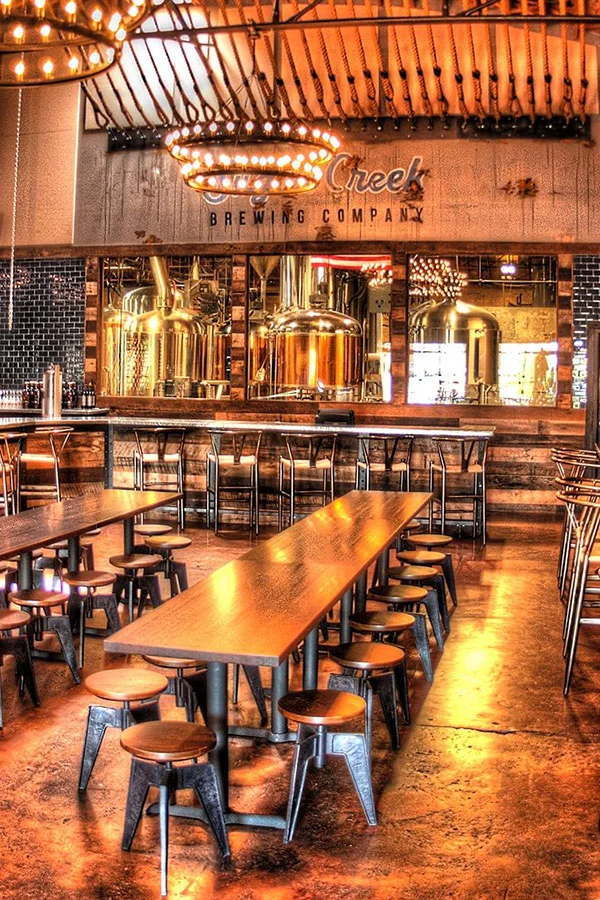
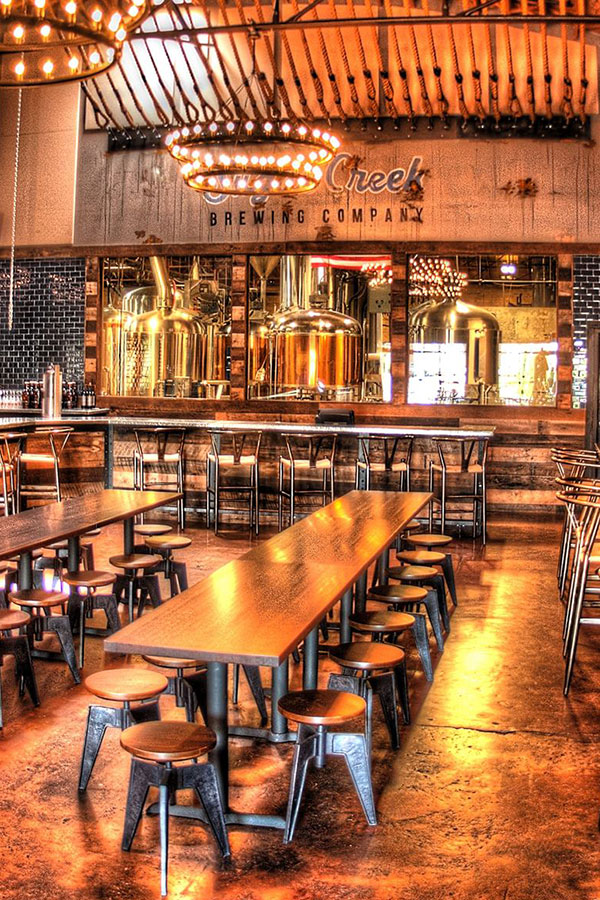
The adoption of AI in brewing is bifurcated into two primary applications: operational logistics and creative development. In Charlotte, North Carolina, Sugar Creek Brewing Company serves as a vanguard for the former. By utilizing an intricate network of Internet of Things (IoT) devices and AI-driven monitoring systems, the brewery tracks granular data points throughout the packaging process. These systems analyze temperature fluctuations, fill levels, and foam consistency in real-time. The integration of such technology allows for a reduction in product waste and ensures that every can or bottle meets rigorous quality standards, demonstrating how data analytics can safeguard the bottom line in a highly competitive market.
A Chronology of Computational Brewing
The intersection of brewing and advanced computing is not entirely new, but the pace of integration has accelerated significantly over the last decade. Historically, automation in brewing was limited to Programmable Logic Controllers (PLCs) that managed basic temperature cycles and valve timings. The shift toward true artificial intelligence began in the mid-2010s with early experiments such as IntelligentX in the United Kingdom, which claimed to be the world’s first beer brewed via AI algorithms in 2016.
By 2020, the rise of Large Language Models (LLMs) and more accessible machine learning frameworks allowed smaller, independent breweries to experiment without the need for massive capital investment in proprietary software. This led to a wave of "AI-IPAs" across the United States. In Detroit, Atwater Brewing leveraged AI to craft recipes, while Asbury Park Brewery in New Jersey and Urban Forest Craft Brewing in Illinois followed suit with their own algorithmically influenced releases. This timeline suggests a movement that has moved from a marketing novelty toward a legitimate research and development (R&D) methodology.
Recipe Development and the Speed of Innovation
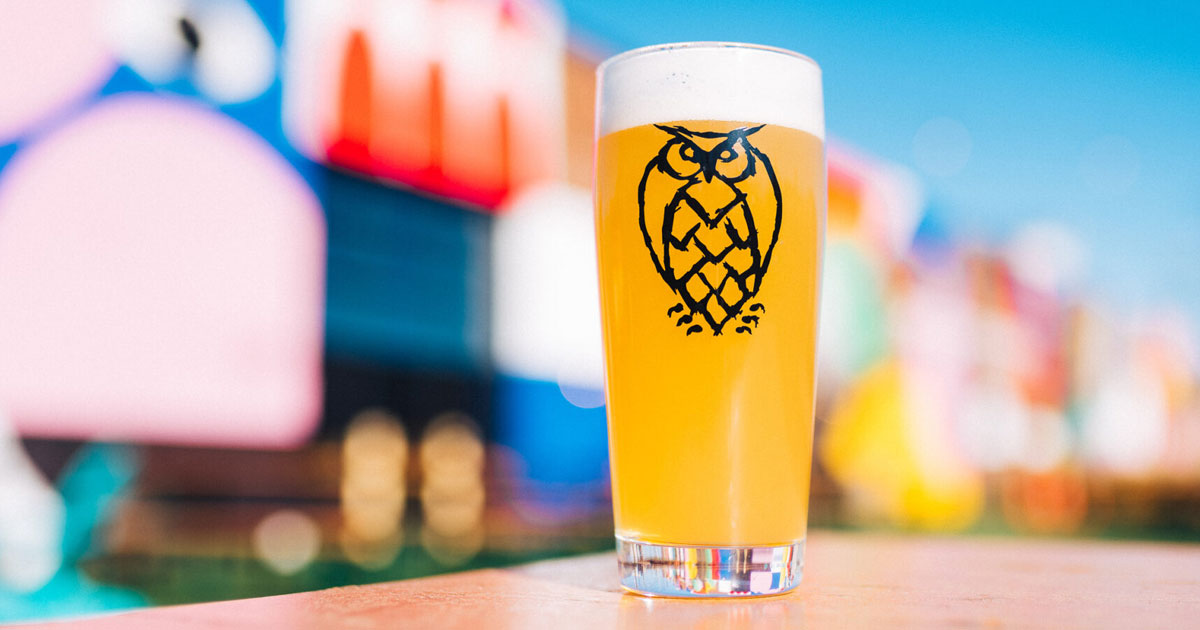
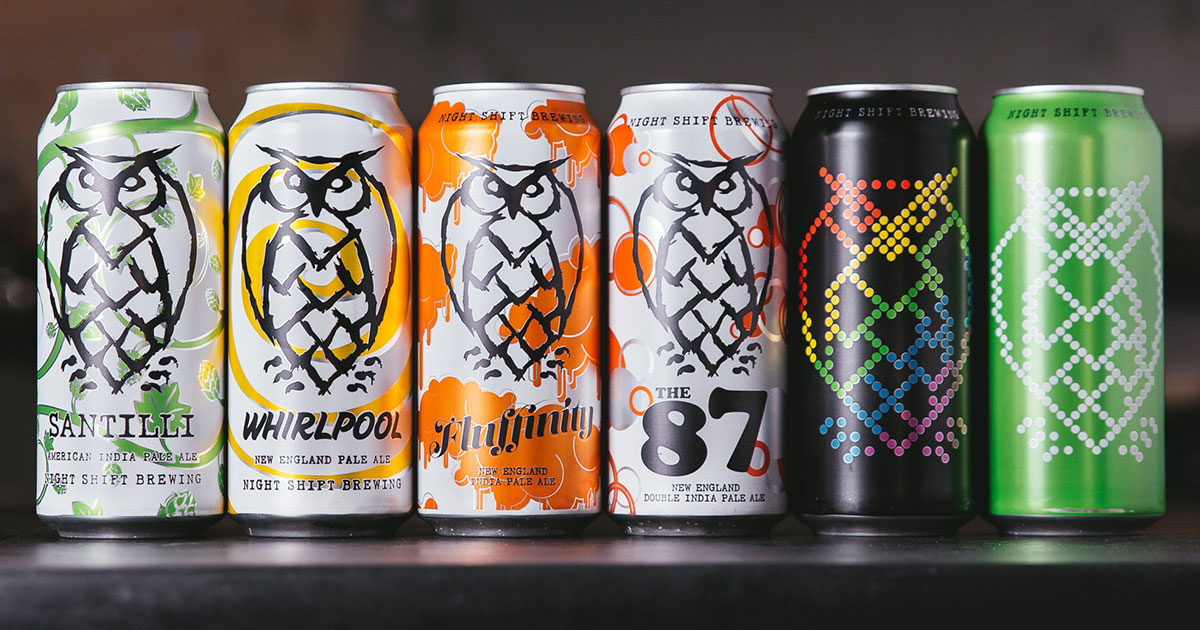
One of the most compelling arguments for AI in the brewhouse is the exponential increase in the speed of the R&D cycle. Michael Oxton, co-founder of Night Shift Brewing in Boston, recently utilized OpenAI’s ChatGPT to develop a hazy IPA. The model was tasked with generating a comprehensive recipe, including a specific water mineral profile, hop selections, and fermentation instructions.
According to Oxton, the most significant advantage was the time saved in the initial design phase. A human brewing team might spend several weeks or a month researching water chemistry and conducting test batches to achieve a specific target profile. ChatGPT, conversely, produced a viable framework within minutes. The resulting beer, dubbed AI-PA, featured a complex profile of mango and watermelon with citrusy lemon-lime finishes—a combination that the brewing team described as highly successful.
However, the Night Shift experience also highlighted the current limitations of AI. While the generated recipe was technically sound, it required "human-in-the-loop" adjustments to account for the specific inventory of ingredients available at the brewery and the physical limitations of their equipment. This suggests that while AI can provide a "creativity enhancement," the final execution remains a human-driven process.
Beyond Generic Models: Specialized Neural Networks
While many breweries use general-purpose AI like ChatGPT, some industry professionals are developing bespoke models tailored specifically to the chemical complexities of fermentation. Beau Warren, the founder of the now-shuttered Species X Beer Project, represented the high-water mark of this specialized approach. Warren, who possesses a background in both beer microbiology and data analytics, developed seven distinct AI models using a combination of regression analysis and neural networks.
Warren’s approach divided the brewery’s output into two categories: "Carbon Species" (human-designed) and "Silicon Species" (AI-designed). To train his Silicon models, Warren fed them proprietary data sets including water chemistry, yeast performance metrics, hop oil compositions, and historical recipe success rates. He even integrated customer feedback and internal review data to teach the models which parameters correlate with high-quality ratings.
The results often defied traditional brewing conventions. One notable creation was an amber lager brewed with 100% Maris Otter malt—a grain usually reserved for heavy porters or stouts. Another, produced by a model named "Beh3moth," was an imperial pastry Baltic porter that utilized 12 types of malt, coffee, vanilla, three different fruits, lactose, and marshmallows, finished with a dry-hop regimen typically seen in New England IPAs. Warren noted that these recipes often fell "out of left field," ignoring centuries of brewing tradition to find new, balanced flavor combinations that a human brewer might never consider due to cognitive biases or adherence to style guidelines.
Biological Optimization: The Role of Yeast Buddy
The application of AI extends beyond the recipe sheet and into the microscopic realm of yeast management. Propagate Lab, a Colorado-based yeast propagation facility, introduced "Yeast Buddy," an AI-driven chatbot designed to help brewers navigate the vast diversity of fermentation strains.
With over 120 yeast strains in their database, selecting the optimal biological engine for a specific beer can be a daunting task. Yeast Buddy functions as an intelligent catalog, allowing brewers to input desired flavor profiles, alcohol by volume (ABV) targets, and temperature constraints to find the perfect match. Matthew Peetz, founder of Propagate Lab, likens the tool to a high-powered calculator. By removing the "pigeonholing" effect—where brewers stick to familiar strains out of habit—the AI encourages more adventurous and diverse brewing practices across the industry.
Market Data and Economic Implications
The integration of AI into the food and beverage sector is supported by significant economic trends. Market research indicates that the global AI in the food and beverage market is expected to reach a valuation of nearly $30 billion by 2028, growing at a compound annual growth rate (CAGR) of over 40%. For the craft beer industry, which has seen a plateau in growth in recent years due to changing consumer habits and rising ingredient costs, AI offers a pathway to maintain relevance and reduce overhead.
Data-driven brewing allows for:
- Predictive Maintenance: Identifying equipment failure before it occurs, preventing costly downtime.
- Supply Chain Optimization: Better forecasting of ingredient needs based on seasonal trends and AI-generated popularity models.
- Waste Reduction: Precision monitoring of fermentation and packaging to minimize "shrinkage" (lost product).
However, the closure of Species X Beer Project shortly after its launch serves as a sobering reminder that technological innovation cannot entirely offset broader economic pressures. Despite the success of the AI-generated recipes, the project succumbed to the same financial constraints currently facing many small businesses in the hospitality sector, including rising rent, labor costs, and market saturation.
The Human Element and Future Outlook
Despite the "taproom takeover" headlines, the consensus among industry leaders is that AI serves as a "superhuman" assistant rather than a replacement for the brewmaster. The consensus from Oxton, Warren, and Peetz is that AI is only as effective as the data provided by humans. Without human-coded "guardrails," an AI might suggest a recipe that is physically impossible to brew or one that would damage the equipment.
Furthermore, the "soul" of craft beer—the story behind the brewery, the community of the taproom, and the subjective nuance of taste—remains a human domain. AI cannot "taste" the beer it designs; it can only predict chemical outcomes based on historical data. The final vetting process, the "sensory analysis," requires a human palate.
As the technology continues to evolve, the industry is likely to see more "hybrid" brewing, where AI handles the heavy lifting of data analysis and recipe iteration, while humans focus on the artistry and the physical craft of production. For the consumer, this likely means a future filled with more consistent quality and a wider array of unconventional, boundary-pushing flavors.
In conclusion, the rise of AI in craft beer represents a maturation of the industry. By embracing these tools, brewers are not abandoning tradition; they are using the most advanced methods available to honor the fundamental goal of brewing: the pursuit of the perfect pint. Whether through a more efficient bottling line in North Carolina or a "Silicon Species" porter in a experimental taproom, AI is proving to be a potent ingredient in the modern brewer’s toolkit.