admin
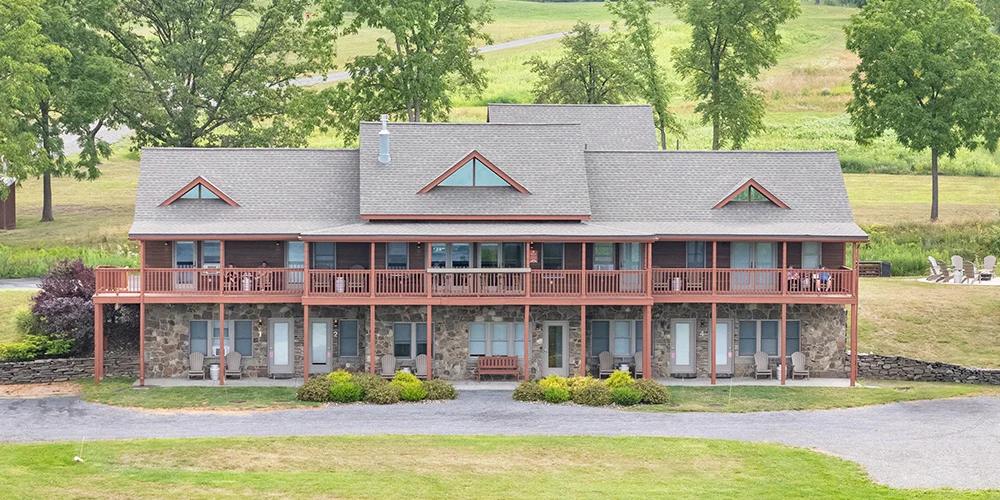
The American craft brewing industry, which has grown from a niche hobby into a $72.2 billion economic engine, is currently undergoing a significant structural transformation as brewers pivot from being mere beverage producers to full-scale hospitality providers. Across the country, independent breweries are increasingly diversifying their portfolios by transforming historic barns, mid-century bungalows, and legacy industrial buildings into boutique accommodations. These "brewery stays" represent a strategic shift in brand engagement, moving beyond the traditional taproom model to offer "beercations"—multi-day, immersive experiences that allow consumers to live within the brand’s ecosystem. This trend reflects a broader movement in the global travel market toward the "experience economy," where travelers prioritize unique, localized, and story-driven stays over standardized hotel chains.
The Economic Shift Toward Experiential Branding
The rise of brewery-centric lodging comes at a critical juncture for the craft beer industry. According to data from the Brewers Association, while the number of operating craft breweries in the U.S. has reached an all-time high of over 9,000, the market has faced headwinds due to increased competition for shelf space in retail environments and shifting consumer habits. By integrating lodging, breweries are creating a "vertical" brand experience that secures customer loyalty and provides a diversified revenue stream that is less dependent on wholesale distribution.
Industry analysts suggest that the "beercation" model serves as a powerful storytelling platform. It allows a brewery to reflect its core values—whether they be rugged outdoor adventure, refined European tradition, or quirky industrial revival—through interior design, curated hospitality, and direct-to-consumer engagement. For the modern beer traveler, these destinations offer more than a bed; they provide a 24-hour connection to the brewing process and the local culture that informs it.
Case Study: Cabin Culture and the Pacific Northwest Aesthetic
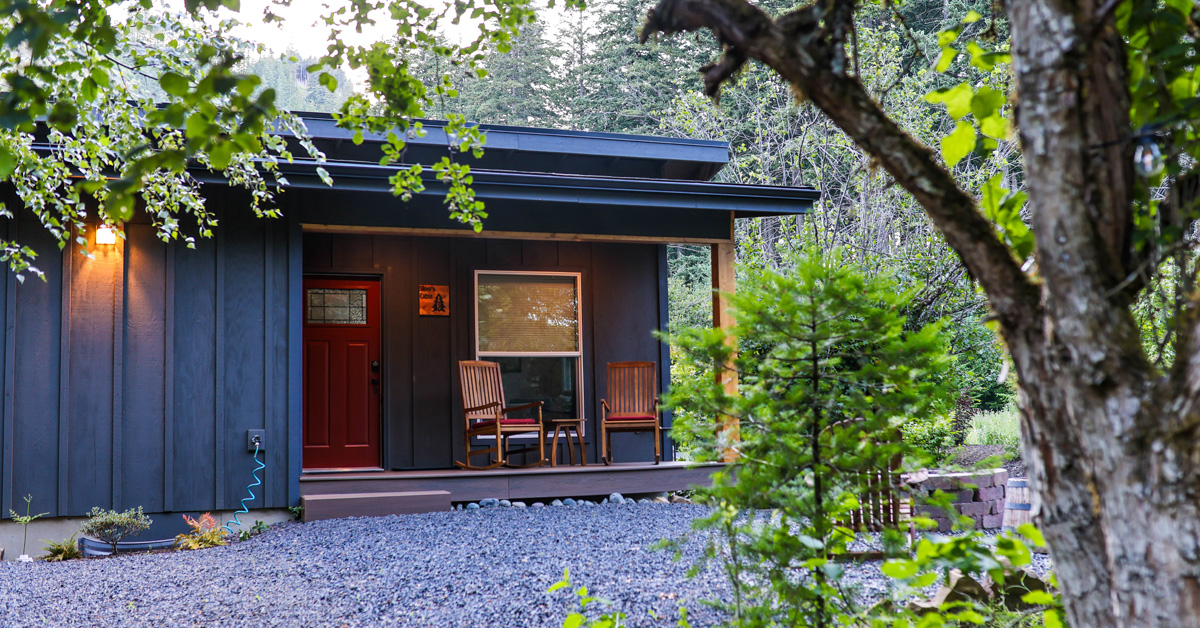
In the Pacific Northwest, a region synonymous with both craft beer and outdoor recreation, Backwoods Brewing Company in Carson, Washington, has become a primary example of this integrated model. Located approximately one hour from Portland, Oregon, the brewery is situated in the scenic Columbia River Gorge, an area defined by its rugged cliffs and forested hills. Recognizing that visitors were already traveling long distances to visit their taproom, the Waters family, who owns the brewery, launched Backwoods Cabins to capture the overnight market.
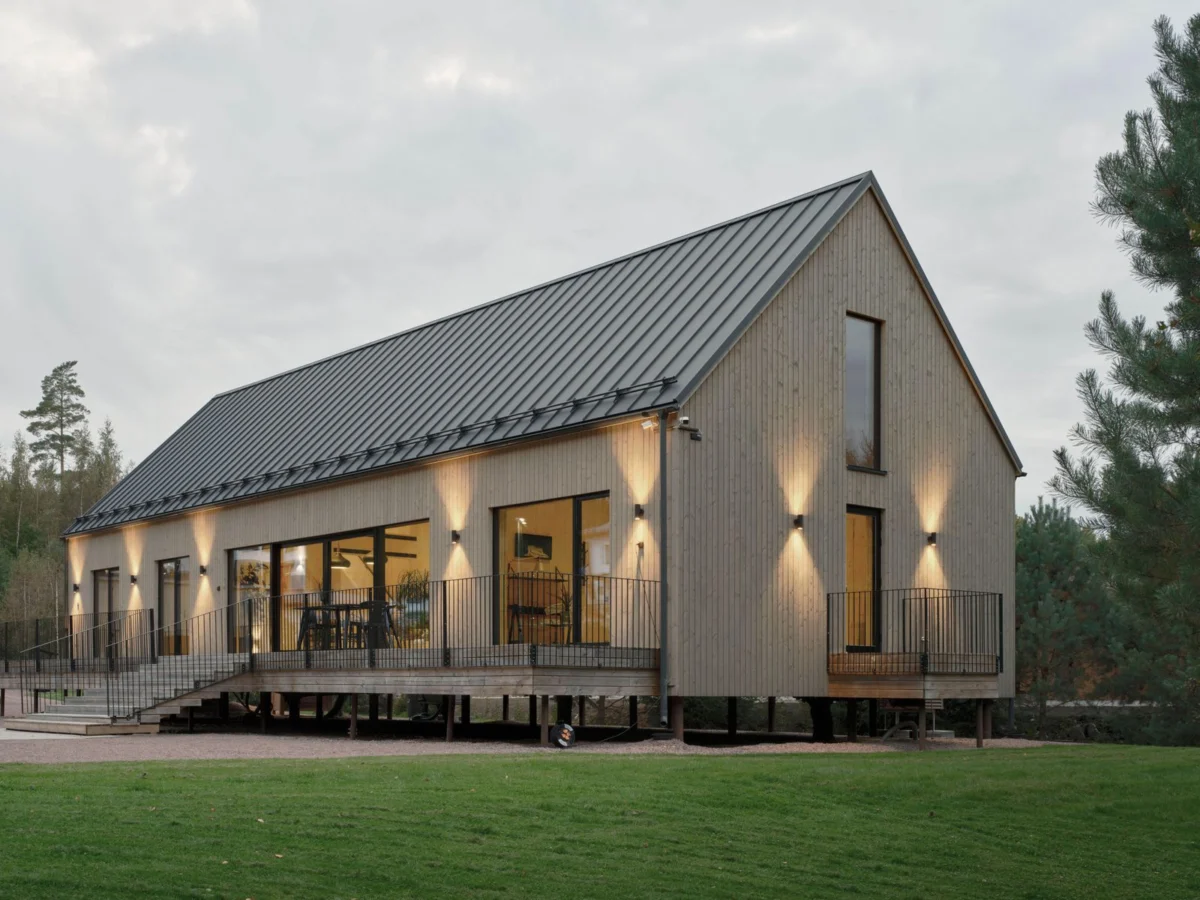
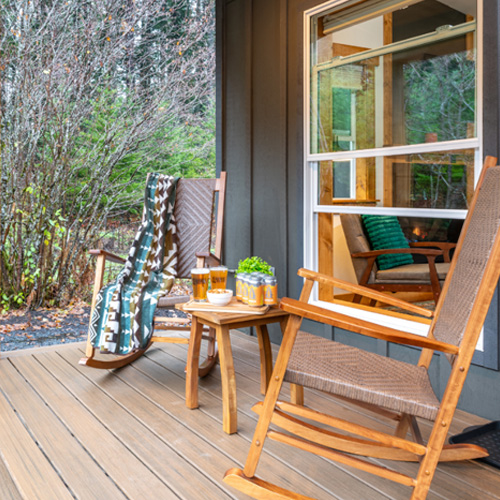
The development consists of eight luxury-leaning cabins, each meticulously themed to reflect the region’s outdoor identity, such as the "Hiker’s," "Kayaker’s," and "Stargazer’s" cabins. The project was designed to bridge the gap between "cabin-core" aesthetics and high-end comfort. Each unit features a gas fireplace, leather seating, and upscale amenities like 600-thread-count sheets and hops-scented spa products.
Steve Waters, CEO of Backwoods Brewing, notes that the integration of hospitality was a natural progression of their brand ethos. "We’ve always tried to create spaces that feel easy to be in," Waters stated. By allowing guests to add curated beer packages to their reservations and providing private porches with firepits, the brewery extends the taproom experience into a private, domestic setting. This model encourages "slow tourism," where guests linger for multiple days, engaging more deeply with the local economy and the brewery’s full rotation of products, including their Party Acres Hazy IPA and Ridge Run Oatmeal Stout.
The Alpine Tradition: von Trapp Family Lodge and European Influence
While some breweries build new structures, others leverage deep historical roots to create a sense of place. In Stowe, Vermont, the von Trapp Family Lodge—founded by the family that inspired The Sound of Music—has successfully married its 2,600-acre alpine estate with a world-class brewing operation. The brewery was established by Johannes von Trapp, who sought to replicate the crisp, refreshing lagers of his European heritage.
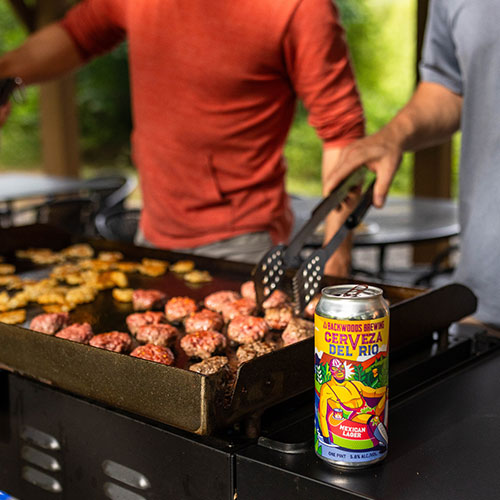
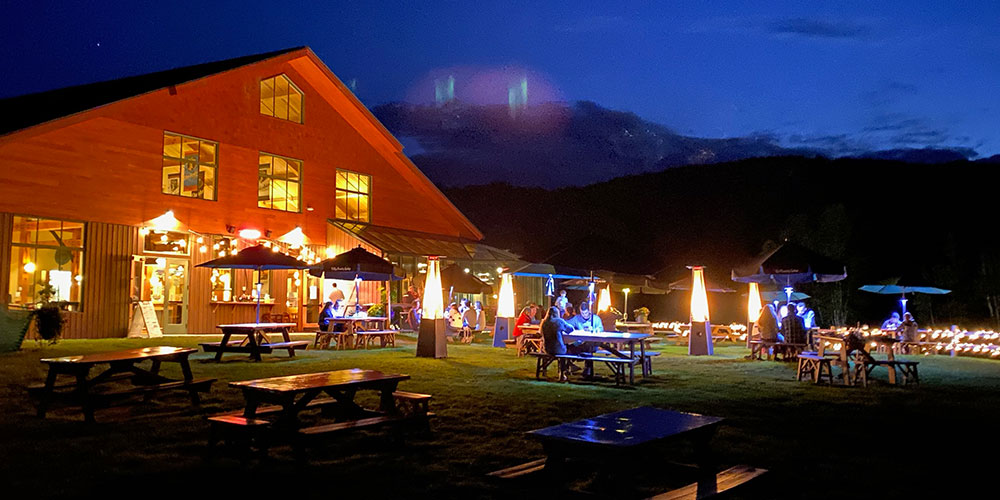
The von Trapp model is one of the most comprehensive examples of brewery-centric tourism in the United States. The resort offers an immersive Austrian-inspired experience where the beer is literally born from the land, utilizing natural spring water sourced directly from the property. The hospitality program includes guided brewery tastings, snowshoe tours led by family members, and a Bierhall that serves traditional schnitzel and bratwurst paired with their award-winning Helles and Kölsch-style ales.
From a journalistic perspective, the von Trapp operation illustrates how legacy brands can modernize through craft beer. By centering the guest experience around the "Bierhall" and the surrounding nature, the resort creates a feedback loop: the environment enhances the flavor of the lager, and the lager reinforces the alpine identity of the resort.
Modern Hospitality Trends: The Lodge at Grist Iron Brewing
In the Finger Lakes region of New York, Grist Iron Brewing in Watkins Glen has taken a "lodging-first" approach. Unlike many breweries that add rooms as an afterthought, the owners of Grist Iron selected their location specifically because it already contained existing accommodations. This allowed the brewery to launch with a mature hospitality infrastructure already in place.
The Lodge at Grist Iron features a "rustic-modern" design, utilizing industrial elements like subway-tiled showers and black-and-white brewing murals. One of the most notable features of the property is a functional design choice that has become a viral marketing point: built-in shower ledges specifically designed to hold a "shower beer." While seemingly a minor detail, it serves as a powerful brand signal that the entire stay is centered around the celebration of craft beer.
The property has recently expanded to include "Beer Mountain," a disc golf course and dog park featuring an on-site "Woof Top" bar. This expansion signifies the transition from a simple hotel-brewery hybrid to a "destination resort." Emily Knowlden, the brewery’s marketing coordinator, emphasizes that this model encourages guests to engage more deeply with the staff and the brand, leading to higher rates of repeat visitation.
Adaptive Reuse and Urban Innovation
The trend is not limited to rural or resort settings. In the urban corridors of Oregon and Washington, McMenamins has become a pioneer of "adaptive reuse" in brewery hospitality. The company specializes in transforming defunct historic buildings—including former elementary schools, poor farms, and Masonic lodges—into eclectic hotel-brewery complexes. These properties often feature secret bars, movie theaters, and soaking pools, all anchored by a central brewing operation.
In Fargo, North Dakota, Drekker Brewing has pushed the boundaries of "hyper-branding" with The Brewhalla Crash Pad. Each room in the boutique hotel is themed after a specific Drekker beer label. For instance, the "Mind Bullets" suite utilizes psychedelic murals and industrial ductwork to mirror the label art of their sour IPA. This approach treats the hotel room as an extension of the beer can itself, creating a high-energy, visual experience for the consumer.
Broader Implications for Regional Tourism and Policy
The proliferation of brewery stays has significant implications for regional economic development. In many cases, these breweries act as "anchor tenants" for rural tourism, drawing visitors to areas that may lack traditional hotel infrastructure. This shift has also prompted changes in local zoning and liquor laws. Historically, many states had "tied-house" laws that strictly separated the tiers of alcohol production, distribution, and retail. The modern brewery-resort model has required legislative adjustments to allow for the seamless integration of manufacturing and high-volume hospitality.
Furthermore, the "beercation" trend aligns with the rising demand for "sustainable" and "local" travel. Because many of these breweries source local ingredients—such as hops from the Yakima Valley or spring water from the Green Mountains—the overnight stays allow guests to witness the supply chain firsthand.
Conclusion: The Future of the Brewery Stay
As the craft beer market continues to mature, the differentiation between brands will increasingly rely on the quality of the experience rather than just the quality of the liquid. The move toward boutique accommodations suggests that the most successful breweries of the next decade will be those that can successfully transition from "manufacturers" to "curators of lifestyle."
Whether it is a five-room historic inn like the Commerce Street Brewery Hotel in Wisconsin or a sprawling 2,600-acre estate in Vermont, these destinations are redefining what it means to go on a tasting trip. They offer a glimpse into a future where craft beer is not just a beverage to be consumed, but a destination to be inhabited. For the traveler, this means the end of the sterile chain hotel and the beginning of a stay where the story of the beer begins just a few steps from the foot of the bed.