admin
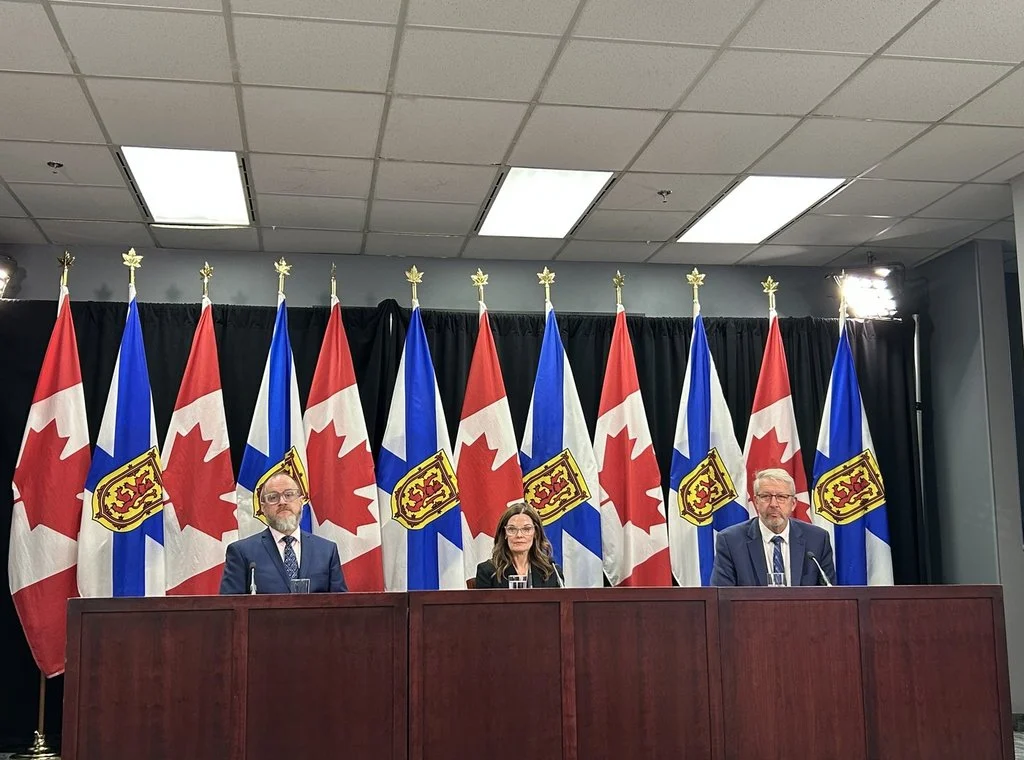
The Nova Scotia government has formally agreed to pay an estimated $470 million in compensation to its public sector employees, a significant sum intended to remedy the unconstitutional wage restrictions imposed by the former Liberal administration’s Bill 148, enacted in 2017. This landmark settlement, which will benefit approximately 81,000 public servants across various provincial sectors, marks a pivotal moment in Nova Scotia’s labour relations history and underscores the constitutional protections afforded to collective bargaining rights in Canada. The province’s Minister of Finance, John Lohr, confirmed that the cost of this substantial settlement has been prudently reflected in the government’s 2025-26 budget, acknowledging the "big fiscal lift" while expressing relief to have the protracted issue "behind us."
The Genesis of Bill 148: A Policy Rooted in Austerity
To fully comprehend the magnitude of this settlement, it is crucial to revisit the economic and political climate that gave rise to Bill 148, formally known as the Public Services Sustainability Act. Introduced in December 2015 by the then-Liberal government under Premier Stephen McNeil, and subsequently enacted in August 2017, the legislation was framed as a necessary measure to address the province’s challenging financial landscape. At the time, the government cited concerns over declining economic growth and a provincial deficit exceeding $200 million. The prevailing rhetoric emphasized fiscal responsibility, portraying the wage restrictions as tough but essential choices to stabilize Nova Scotia’s finances and ensure the sustainability of public services.
Bill 148 imposed stringent wage restrictions on nearly all public servants over a four-year period. Specifically, it mandated a two-year wage freeze, followed by a modest one percent raise in the third year, 1.5 percent at the start of the fourth year, and an additional 0.5 percent at the end of the fourth year. Beyond mere wage control, the legislation also controversially eliminated awards for long-term service, a benefit many employees had come to rely upon as a recognition of their dedication and tenure. The breadth of its application meant that employees in critical sectors such as healthcare, education, civil service, and correctional services were all directly impacted, leading to widespread discontent and a palpable sense of grievance among the public sector workforce.
Immediate Backlash and the Unfolding Legal Battle
From its very inception, Bill 148 was met with fierce opposition from public sector unions and labour organizations across Nova Scotia. Unions, representing diverse groups of workers including nurses, teachers, civil servants, and paramedics, swiftly condemned the legislation, arguing that it fundamentally undermined the integrity of the collective bargaining process. They asserted that the government was sidestepping good-faith negotiations by unilaterally imposing wage terms, thereby infringing upon the constitutionally protected rights of their members. The Nova Scotia Federation of Labour, a vocal advocate for workers’ rights, spearheaded much of this opposition, declaring the law unconstitutional and a direct assault on the fundamental freedoms of association and collective bargaining enshrined in the Canadian Charter of Rights and Freedoms.
The legal challenge against Bill 148 was initiated by a coalition of unions, including prominent organizations such as the Nova Scotia Government and General Employees Union (NSGEU), the Canadian Union of Public Employees (CUPE), the Nova Scotia Teachers Union (NSTU), and the Nova Scotia Nurses’ Union (NSNU). Their legal arguments centered on Section 2(d) of the Charter, which guarantees freedom of association, and the established jurisprudence from the Supreme Court of Canada that affirms the right to meaningful collective bargaining as an essential component of this freedom. Landmark cases, such as the 2007 Health Services and Support – Facilities Subsector Bargaining Assn. v. British Columbia decision and the 2015 Saskatchewan Federation of Labour v. Saskatchewan ruling, had already solidified the principle that governments cannot substantially interfere with the collective bargaining process without justification. The unions contended that Bill 148 constituted precisely such an interference, effectively stripping them of their ability to negotiate freely and fairly on behalf of their members.

The Judicial Verdict: Bill 148 Declared Unconstitutional
The protracted legal battle culminated in a definitive ruling by Nova Scotia Supreme Court Justice Ann Smith in February of this year. In a judgment that sent ripples through the province’s political and labour circles, Justice Smith unequivocally declared Bill 148 to be unconstitutional. Her ruling affirmed that the legislation "substantially interfered with the rights of several unions in the province," thereby violating the Charter rights of public sector employees. This judicial pronouncement validated the long-held position of the unions and marked a significant victory for workers’ rights in Nova Scotia. The decision underscored the judiciary’s role in safeguarding constitutional freedoms, even when faced with legislative actions purportedly aimed at fiscal restraint.
Following Justice Smith’s ruling, the focus shifted to determining an appropriate remedy for the infringement of rights. Lawyers representing both the province’s Justice Department and the various public sector unions engaged in intensive negotiations to craft a compensation package. These deliberations culminated in a joint draft order detailing the proposed remedy, which was submitted to Justice Smith last week for her review and final approval.
The Compensation Framework: Addressing Charter Rights Infringement
The agreed-upon compensation package is meticulously structured to address the damages incurred by public servants as a direct result of Bill 148. Kevin Kindred, the lawyer representing the Nova Scotia Justice Department, clarified that the payouts are not merely intended to recoup lost wages, but rather to compensate for the "infringement of their Charter rights." This distinction is crucial, as it elevates the settlement beyond a simple financial adjustment to a recognition of a constitutional violation.
Under the proposed remedy, an estimated 81,000 public servants will be eligible for payouts based on their employment during the period the wage restrictions were in effect:
- Wage Freeze Period (First two years): Employees who worked during the two-year wage freeze are entitled to a payout of $1,250 for each of those years, totaling $2,500. This directly addresses the period where no wage increases were permitted.
- Third Year of Restriction: Those employed during the third year, when a one percent raise was mandated, are entitled to an additional $750.
- Fourth Year of Restriction: For employees who worked in the fourth year, which saw a 1.5 percent increase followed by a 0.5 percent increase, a payout of $500 is allocated.
- Long-Term Service Awards: Furthermore, some employees will receive a lump-sum payment of $1,250 to compensate for the elimination of long-term service awards, addressing another contentious aspect of Bill 148.
These structured payments aim to provide a fair measure of restitution for the denial of collective bargaining rights and the economic impact of the imposed wage caps and benefit eliminations.
Current Status and Pending Finalization

While the substance of the compensation package has been largely agreed upon, the process is not yet complete. During a technical briefing in Halifax, Minister Lohr highlighted the government’s commitment to moving forward, stating, "Even though this is a big fiscal lift… we’re happy to have this behind us." However, the final hurdle remains Justice Ann Smith’s formal sign-off on the proposed remedy.
On Monday, Justice Smith reviewed the joint draft order submitted by the parties and suggested revisions. A key point of contention and a prerequisite for her final approval is the establishment of a clear deadline for when the payouts must be made to eligible employees. Smith emphasized that she would not sign the order until an agreed-upon deadline is in place, underscoring the importance of timely justice for the affected public servants. Kevin Kindred indicated that the province would need to consult further with the public sector unions before providing any definitive timeline for the payouts. This collaborative approach is essential to ensure that the implementation phase proceeds smoothly and fairly for all involved parties.
Fiscal Implications and Budgetary Strategy
The $470 million compensation package represents a substantial expenditure for the Nova Scotia provincial government. To put this figure into perspective, Nova Scotia’s total provincial budget for the 2023-24 fiscal year was approximately $14.4 billion. The $470 million settlement thus constitutes around 3.26% of the annual budget, a significant one-time financial commitment. Minister Lohr’s confirmation that the cost has been reflected in the 2025-26 budget indicates a deliberate strategy to absorb this expense without immediately destabilizing current fiscal plans. This approach suggests a recognition of the need for careful financial planning to mitigate the impact of such a large outlay, potentially through reallocations, deferrals of other expenditures, or drawing from contingency funds.
The province’s fiscal health has evolved since 2015. While the initial justification for Bill 148 was a $200 million deficit, Nova Scotia has seen periods of improved financial performance and even surpluses in recent years, though economic forecasts remain subject to various pressures. The current Progressive Conservative government, led by Premier Tim Houston, inherited this legal challenge and its associated fiscal obligation. Their decision to settle rather than pursue further appeals, despite the significant cost, reflects a strategic choice to resolve a contentious issue and move forward, potentially to foster better relations with the province’s vital public sector workforce.
Broader Impact and Precedent for Labour Relations
This historic settlement carries profound implications, not only for Nova Scotia but potentially for labour relations across Canada.
- Strengthening Collective Bargaining Rights: The ruling and subsequent settlement unequivocally reinforce the constitutional protection of collective bargaining rights. It sends a strong message to all levels of government that unilateral legislative interference with these rights, even under the guise of fiscal necessity, will likely face judicial scrutiny and potential reversal. This aligns with recent decisions in other provinces, such as Ontario’s Bill 124, which also sought to cap public sector wages and was similarly struck down by the courts for infringing on Charter rights.
- Improved Labour Relations Climate: For Nova Scotia, this resolution offers an opportunity to reset and improve relations between the government and its public sector unions. The years of legal battles and the imposition of Bill 148 undoubtedly strained trust and morale among public servants. A fair and timely resolution of this compensation could help rebuild goodwill and foster a more collaborative environment for future collective bargaining negotiations.
- Political Ramifications: While the current PC government is bearing the financial cost, the political fallout primarily rests with the former Liberal government that enacted Bill 148. The settlement serves as a stark reminder of the long-term consequences of legislative actions that are perceived as overreaching or unconstitutional. For the current government, successfully navigating this "fiscal lift" and resolving the issue could be viewed positively by public servants and the electorate, demonstrating a commitment to upholding constitutional rights.
- Public Service Morale and Retention: The compensation payouts, while not fully reversing the financial strain experienced during the wage freeze, are likely to provide a significant boost to the morale of the estimated 81,000 public servants. In sectors like healthcare and education, where recruitment and retention are ongoing challenges, this gesture of recognition and redress for past injustices could contribute to a more positive working environment and help retain valuable talent within the province’s public service.
The Nova Scotia government’s agreement to pay $470 million to its public sector employees marks the end of a long and contentious chapter initiated by Bill 148. This landmark settlement, driven by a Supreme Court ruling that found the wage restriction legislation unconstitutional, reaffirms the fundamental importance of collective bargaining rights and the Charter of Rights and Freedoms in Canadian society. As Justice Ann Smith awaits an agreed-upon deadline for payouts, the province prepares to implement one of the largest compensation packages in its history, setting a powerful precedent for future government actions and labour relations across the nation. The resolution, while costly, aims to mend past grievances and pave the way for a more respectful and constitutionally compliant approach to public sector employment in Nova Scotia.