admin
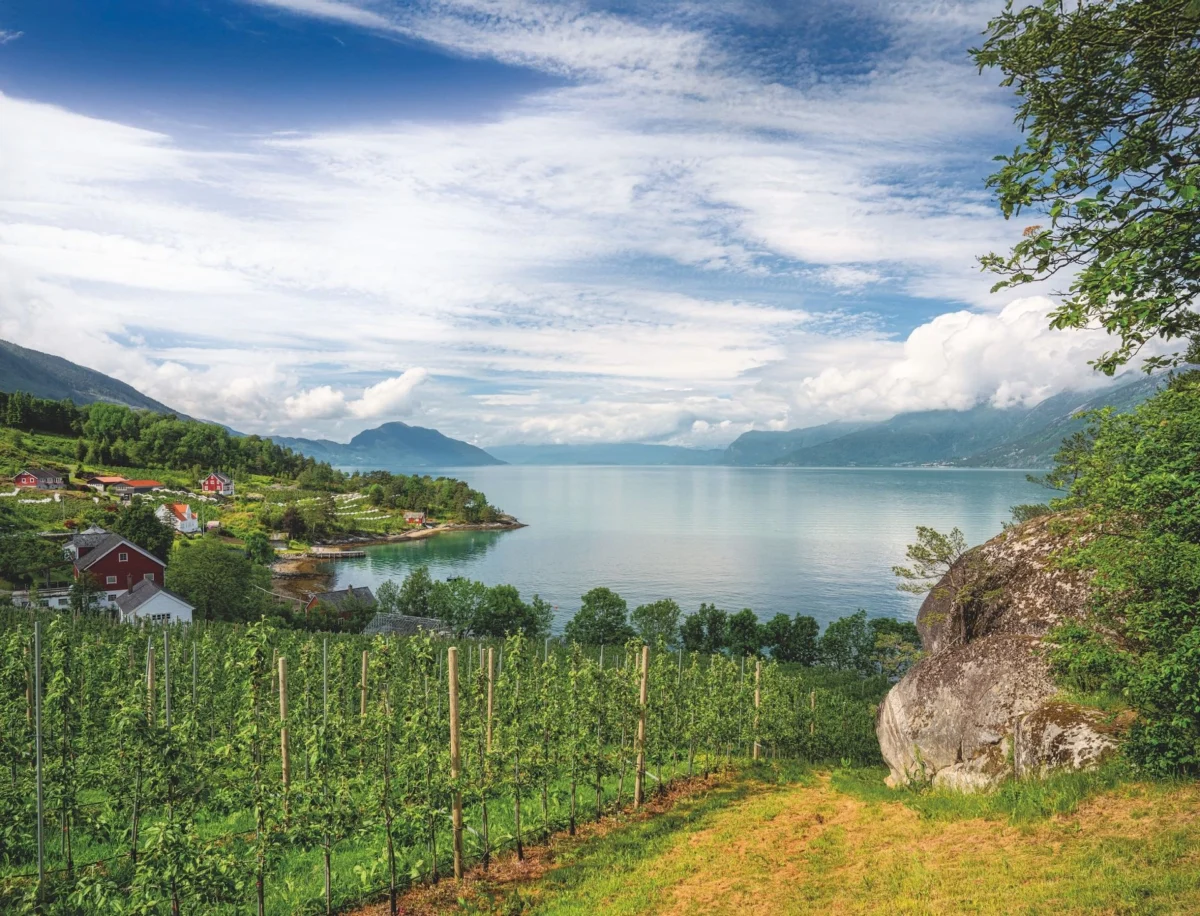
Twenty years ago, the notion of Scandinavia emerging as a significant European wine destination would have been met with skepticism, if not outright amusement. The prevailing image of the Nordic region, characterized by its long, cold winters and short, cool summers, seemed fundamentally incompatible with the delicate art of viticulture, traditionally confined to sun-drenched latitudes further south. Yet, a remarkable transformation has quietly taken root across Denmark, Sweden, and even parts of Norway, where vineyards now stretch along coastlines, overlooking the Kattegat Sea and nestled against dramatic fjords. The idea that Scandinavia is cultivating a burgeoning wine industry is no longer improbable; it is a tangible reality, driven by a confluence of climate shifts, pioneering spirit, and the strategic adoption of cold-hardy grape varieties.
A Historical Perspective: Challenging Conventional Wisdom
For centuries, winemaking was unequivocally linked to specific geographic belts, primarily between 30 and 50 degrees latitude in both hemispheres. Regions like France, Italy, Spain, and Germany dominated the European wine landscape, their success attributed to centuries of accumulated knowledge, favorable soils, and, crucially, consistent warm growing seasons. Scandinavia, situated north of these traditional zones, was historically considered too cold for viticulture. Attempts were sporadic and largely experimental, often yielding acidic, unripe grapes unsuitable for quality wine production. The conventional wisdom was that the region lacked the requisite cumulative heat units, the frost-free days, and the solar intensity needed to ripen wine grapes adequately. This perception contributed to the "laughable" assessment of any serious wine aspirations for the region two decades prior.
However, the late 20th and early 21st centuries ushered in a new era. Small-scale viticulturists, driven by curiosity and a passion for wine, began experimenting with hybrid grape varieties specifically bred for cooler climates and disease resistance. These pioneers, often operating on shoestring budgets and with limited institutional support, laid the groundwork for what would become a legitimate industry. Their efforts, initially dismissed as hobbies, gradually demonstrated that with the right varieties and meticulous vineyard management, viable grapes could indeed be grown in Nordic soils.
The Driving Forces: Climate Change and Varietal Innovation
The most significant catalyst behind Scandinavia’s viticultural awakening is undoubtedly climate change. Over the past few decades, average temperatures across the Nordic countries have demonstrably risen, particularly during the critical growing months of spring and summer. Data from meteorological agencies indicates an increase in the number of frost-free days and a longer overall growing season. For instance, southern Sweden and parts of Denmark have seen their average annual temperatures climb by approximately 1-2 degrees Celsius over the last 30 years, pushing them closer to the viticultural thresholds of traditional northern European wine regions like parts of Germany or England a few decades ago.
This climatic shift has been complemented by advancements in grape breeding. Traditional Vitis vinifera varieties, such as Cabernet Sauvignon or Chardonnay, struggle in cooler, wetter conditions. However, new interspecific hybrid varieties, such as Solaris, Rondo, Regent, and Seyval Blanc, have proven exceptionally well-suited to the Nordic climate. Solaris, in particular, has emerged as a star performer. Developed in Germany, this white grape ripens early, boasts excellent resistance to fungal diseases, and can accumulate high sugar levels even in less intense sunlight, while retaining a refreshing acidity. It produces aromatic wines with notes of apple, pear, hazelnut, and citrus, often with a mineral undertone, which are increasingly gaining critical acclaim. Rondo, a red hybrid, offers similar advantages, yielding light-bodied, fruity red wines.
A Chronology of Nordic Viticulture’s Emergence
The journey from experimental plantings to commercial viability has been a gradual but accelerating process:
- Late 1990s – Early 2000s: Initial serious experiments with cold-hardy grape varieties begin across Denmark and southern Sweden. These early efforts are often by hobbyists or small-scale farmers, largely under the radar of the international wine community. The focus is on proving that grapes can survive and ripen.
- Mid-2000s: The first commercial vineyards are established. Denmark, with its slightly milder maritime climate, takes an early lead. Regulations are slowly adapted to accommodate viticulture. Early successes, often with sparkling wines or crisp whites, start to garner local attention.
- Late 2000s – Early 2010s: Production slowly increases, and a handful of Nordic wines begin to win awards in regional or specialized competitions, particularly those focusing on new-latitude wines. Wine tourism, albeit niche, begins to develop around these nascent vineyards. Institutions like the University of Copenhagen and agricultural research centers start offering support and guidance.
- Mid-2010s: The quality of Nordic wines visibly improves, driven by accumulated experience and better clonal material. The concept of "Nordic terroir" begins to be discussed, emphasizing the unique characteristics imparted by the long daylight hours of summer, cool nights, and specific soil types. Sweden sees a significant uptick in vineyard plantings, particularly in regions like Skåne and Gotland.
- Late 2010s – Early 2020s: Scandinavia gains international recognition as an emerging wine region. Articles appear in prominent wine publications, highlighting the innovation and potential. Production, while still small on a global scale, becomes more consistent, and export markets are cautiously explored. Even Norway, with its more challenging terrain, sees small, ambitious vineyard projects take root, often in sheltered fjord microclimates.
Supporting Data and Regional Snapshots
While still a boutique industry compared to the behemoths of the wine world, the growth figures for Scandinavian viticulture are compelling.
- Denmark: Often considered the most advanced, Denmark now boasts over 100 commercial vineyards covering approximately 100-150 hectares. Annual production, though variable, can reach hundreds of thousands of bottles, primarily white and sparkling wines from Solaris, Rondo, and Orion grapes. The Danish Wine Association estimates significant annual growth in vineyard area.
- Sweden: With around 40-50 commercial vineyards and an estimated 50-70 hectares under vine, Sweden’s industry is concentrated in the southern province of Skåne, the island of Gotland, and Öland. The "endless summer evenings" mentioned are crucial here; the extended daylight hours during the growing season allow for prolonged photosynthesis, even if peak temperatures are not as high as in southern Europe, contributing to complex flavor development. Solaris is dominant, but Rondo and other reds are also cultivated.
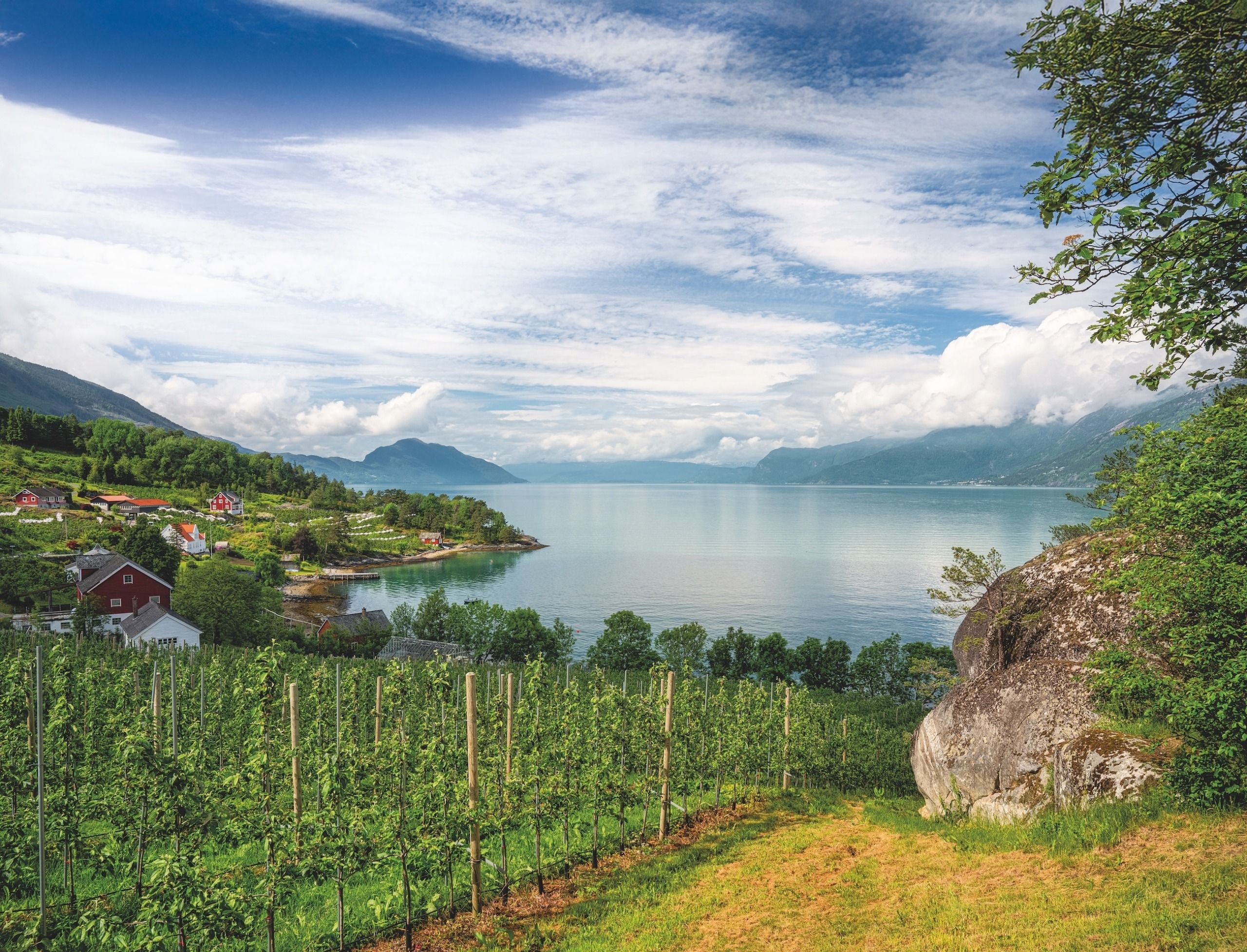
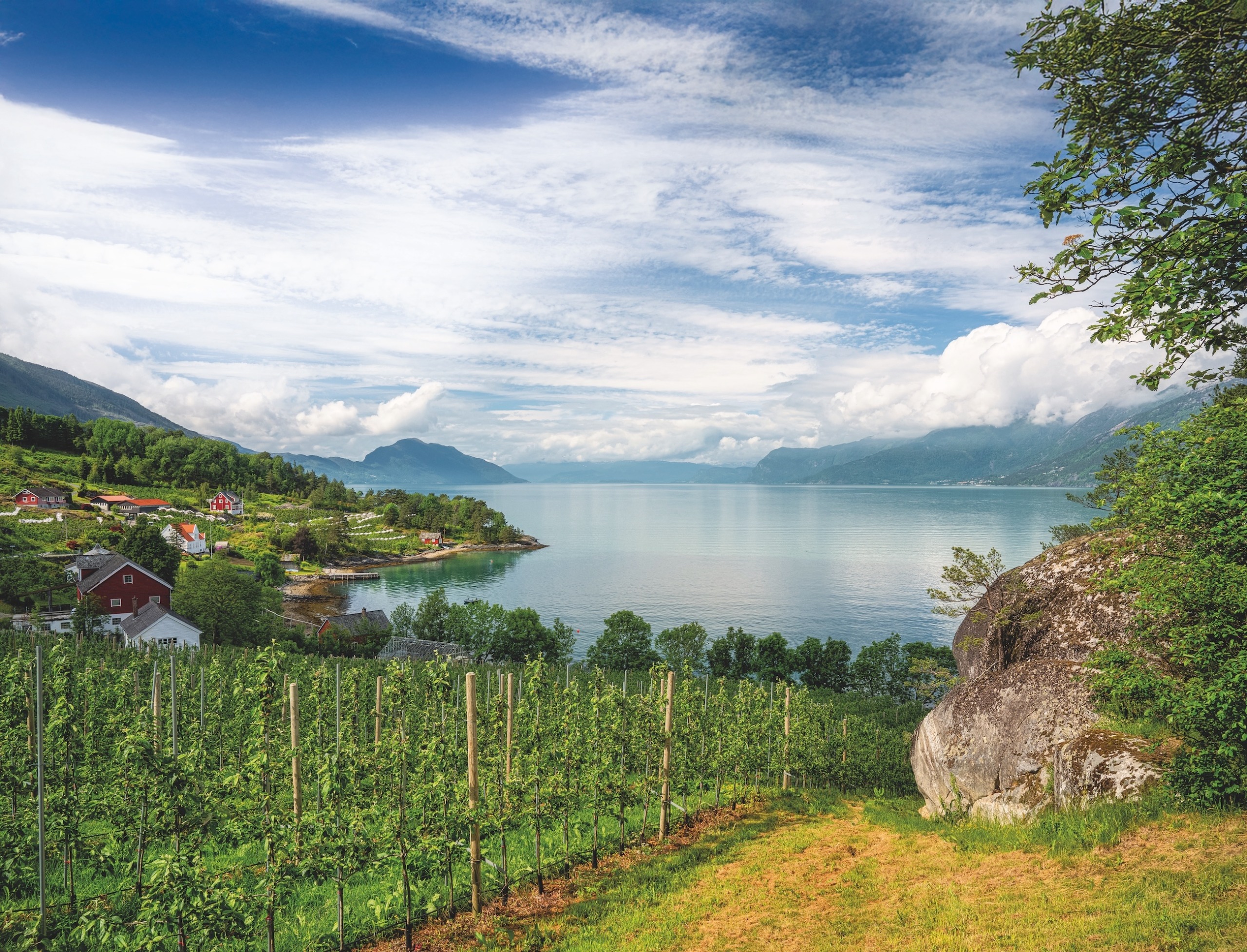
- Norway: The most challenging environment, Norway’s wine industry is still in its infancy, with only a handful of commercial vineyards. However, the sheer existence of vines clinging to the shores of Hardangerfjord in Vestland, Norway’s second-longest fjord, is a testament to the region’s pioneering spirit. These vineyards benefit from the moderating influence of the fjords, which create microclimates, protecting vines from harsh winds and reflecting sunlight. Production is extremely limited, often experimental, focusing on unique, high-quality niche products.
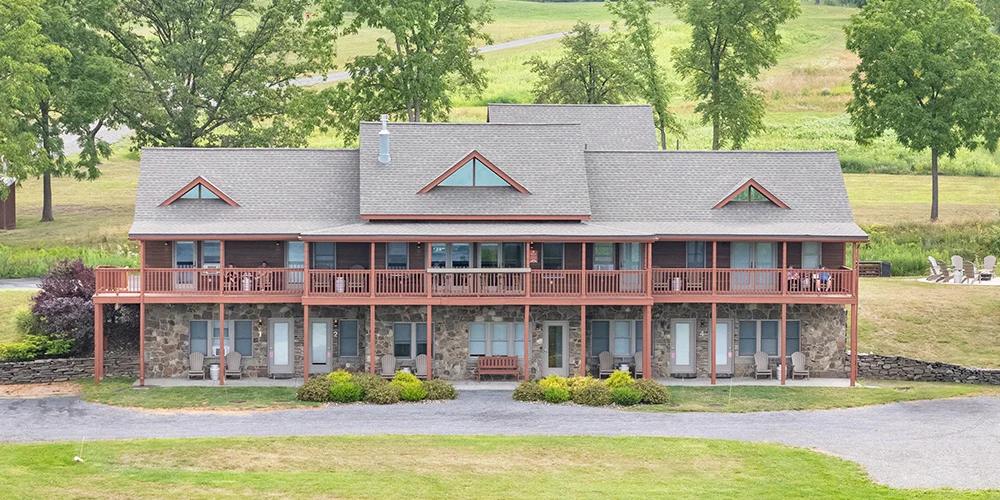
The economic impact, though localized, is growing. Wine tourism is becoming a small but significant contributor to rural economies, with vineyards offering tastings, tours, and accommodation. This diversification provides new income streams for agricultural communities and promotes local food and drink culture.
Statements and Reactions from Related Parties
The emergence of Scandinavian wine has drawn a range of reactions:
- Winemakers: "We are not trying to replicate Burgundy or Bordeaux," states a prominent Danish winemaker, emphasizing the region’s unique identity. "Our challenge and our strength lie in crafting wines that authentically express our Nordic terroir – crisp, elegant, and vibrant. We are proving that quality wine isn’t exclusive to traditional regions; it requires passion, innovation, and an understanding of your unique environment."
- Agricultural Experts: An agricultural scientist from a Swedish university notes, "The adoption of robust, cold-hardy hybrid varieties has been a game-changer. Coupled with precision viticulture techniques and a warming climate, we’ve unlocked agricultural potential previously deemed impossible. This is a prime example of agricultural adaptation in the face of environmental change."
- Sommeliers and Wine Critics: Initially surprised, many sommeliers now approach Nordic wines with curiosity and growing respect. "These wines offer a refreshing alternative," comments a leading Scandinavian sommelier. "The whites, particularly Solaris, show remarkable purity and acidity, making them excellent food wines, especially with Nordic cuisine. They are clean, fresh, and distinctly northern."
- Government and Tourism Officials: "Investing in sustainable viticulture and promoting local produce aligns with our national goals for rural development and green tourism," says a representative from a regional tourism board. "The vineyards add another layer to our natural beauty, attracting visitors interested in exploring innovative local products."
- Consumers: Local consumers have shown strong support, driven by a desire for locally sourced products and a fascination with this novel industry. International consumers, particularly those interested in niche and emerging regions, are also beginning to discover these unique wines.
Broader Impact and Implications
The rise of Scandinavian viticulture carries significant implications beyond the mere production of wine:
- Climate Change Adaptation Model: Scandinavia’s success serves as a compelling case study for agricultural resilience and adaptation in the face of a changing climate. It demonstrates how innovative farming practices and genetic research can transform previously unsuitable regions into productive agricultural zones. This model could inspire other marginal regions globally.
- Economic Diversification and Rural Development: For many rural communities in Scandinavia, where traditional agriculture might be facing challenges, viticulture offers a new, high-value agricultural pursuit. It creates jobs, encourages local entrepreneurship, and fosters a sense of regional pride and identity. The accompanying wine tourism further bolsters local economies.
- Redefining Terroir and Wine Identity: The concept of "terroir," the unique combination of soil, climate, and human factors that defines a wine’s character, is being expanded. Nordic terroir, with its long daylight hours, cool nights, and unique mineral compositions, is beginning to forge a distinct identity for its wines – often characterized by freshness, purity, and bright acidity. This challenges the traditional Eurocentric view of wine regions.
- Sustainability and Organic Practices: Many new Nordic vineyards are committed to sustainable, organic, or even biodynamic farming practices from their inception. This aligns with broader Scandinavian values and positions their wines favorably in a market increasingly conscious of environmental impact. The disease resistance of hybrid grapes reduces the need for chemical interventions, making these vineyards inherently more sustainable.
- Global Wine Map Redefinition: The success in Scandinavia, alongside similar developments in other "new latitude" wine regions like England and Canada, signals a gradual but significant shift in the global wine map. It suggests that the boundaries of viticulture are not fixed, but rather dynamic, influenced by environmental changes and human ingenuity. This expansion enriches the diversity of the world’s wine offerings.
Challenges and Future Outlook
Despite the undeniable progress, Scandinavian viticulture faces ongoing challenges. Climate variability, including the risk of late spring frosts or unusually cold summers, remains a concern. Scaling up production to compete with established regions is difficult, given the limited land area and higher labor costs. Market recognition outside of Scandinavia still requires significant effort and investment in marketing and distribution.
However, the future outlook is largely optimistic. Continued research into even more resilient and high-quality grape varieties, coupled with improving viticultural techniques, will likely lead to further enhancements in wine quality and consistency. As global temperatures continue to rise, and consumer demand for unique, sustainably produced wines grows, Scandinavia is well-positioned to carve out a distinctive and respected niche in the international wine market. The journey from a "laughable" idea to a legitimate wine region is a testament to innovation, perseverance, and a surprising adaptation to a changing world, proving that even in the land of Vikings, the vine can thrive.