admin
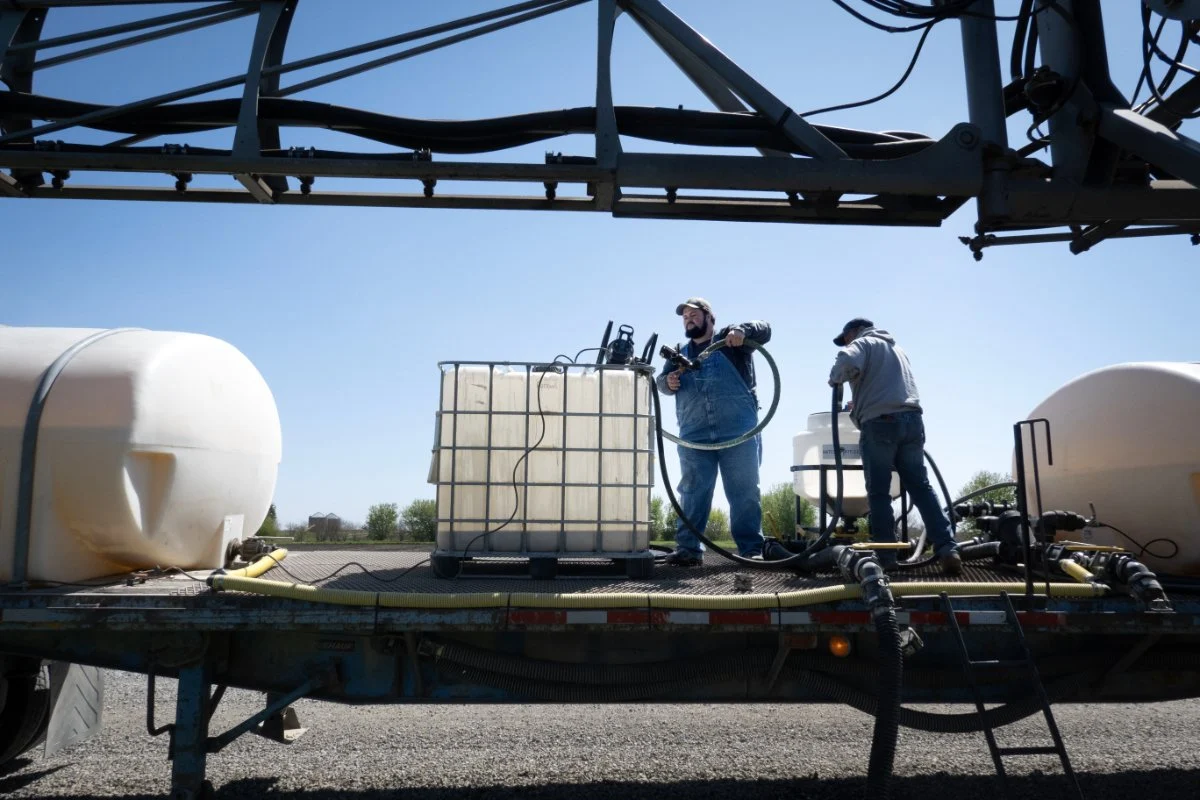
A critical global commitment to slash pesticide risk by half by 2030 stands as a formidable challenge and a vital opportunity for environmental and public health advocates worldwide. While international frameworks provide a roadmap, a recent assessment of global trends reveals a stark reality: pesticide toxicity is on the rise in many key agricultural regions, underscoring the urgent need for aligned, bold action, particularly from nations like the United States. This ambition, enshrined in the 2022 Kunming-Montreal Global Biodiversity Framework, demands a concerted effort from governments, industry, and civil society to transition away from hazardous agrochemicals towards more sustainable food systems.
The 2030 Global Target: A Beacon for Biodiversity
The Kunming-Montreal Global Biodiversity Framework (KMGBF), adopted at the 15th Conference of the Parties (COP15) to the Convention on Biological Diversity in December 2022, represents a landmark agreement designed to halt and reverse biodiversity loss. Among its 23 ambitious targets, Target 7 specifically calls for reducing pollution risks from all sources to levels that are not harmful to biodiversity and human health. Crucially, it commits signatories to "reduce the overall risk from pesticides and highly hazardous chemicals by at least half by 2030." This target moves beyond mere volume reduction, focusing on the more comprehensive metric of "risk," which encompasses toxicity, persistence, bioaccumulation, and exposure potential to both humans and ecosystems.
The KMGBF builds on decades of scientific consensus highlighting the catastrophic impact of chemical pollution on the planet’s intricate web of life. It acknowledges that pesticides, while historically viewed as essential for food security, are significant drivers of biodiversity decline, contaminating soils, water bodies, and air, and harming non-target species from pollinators to apex predators. The framework provides a much-needed global benchmark, urging nations to re-evaluate their agricultural practices and regulatory landscapes.
However, the United States, a major agricultural producer and consumer of pesticides, is notably not a party to the KMGBF. This stems from the U.S. Senate’s constitutional role in ratifying international treaties, a process that has historically proven challenging for environmental agreements. Despite this, advocates within the U.S. food system can still draw on the lessons and models emerging from around the world and align domestic policy with the spirit and objectives of this crucial global commitment. The absence of formal ratification does not negate the scientific and moral imperative for the U.S. to contribute to global pesticide risk reduction.
A Global Assessment: Progress and Peril
A recent comprehensive study, published in 2026 and analyzing progress toward reducing the total toxicity of pesticides used globally between 2013 and 2019, painted a sobering picture. While the study assessed trends before the 2022 KMGBF commitment, its findings underscore the magnitude of the challenge ahead. It revealed that despite growing awareness and some regional successes, overall pesticide toxicity actually increased considerably during that period.
The research, which utilized sophisticated methodologies to account for the varying levels of hazard posed by different chemicals, highlighted significant geographical disparities. Regions like Europe and China demonstrated notable decreases in pesticide toxicity. Europe’s progress can be attributed to robust policy initiatives such as the European Union’s Farm to Fork Strategy, a cornerstone of its Green Deal, which aims for a 50% reduction in the use and risk of chemical pesticides by 2030. Member states have implemented stricter regulations, expanded bans on hazardous substances, and incentivized integrated pest management (IPM) and organic farming practices. China, for its part, introduced a zero-growth pesticide policy in 2015, coupled with significant investment in alternative pest control methods and support for farmers transitioning to more sustainable approaches.
Conversely, the study identified substantial increases in pesticide toxicity across critical agricultural powerhouses, including Africa, India, the United States, Brazil, and Russia. These increases were often driven by intensified agricultural practices, expansion of monocultures, and, in some cases, the continued reliance on older, more hazardous compounds. Chile emerged as a solitary success story among the nations studied, being the only country on track by 2019 to meet what would later become the UN’s 2030 target. This achievement suggests that targeted national policies, strong regulatory oversight, and support for sustainable agriculture can indeed yield positive results, even in the absence of a global framework at the time.
The authors of the study stressed that despite the concerning pre-2022 trends, the global target remains achievable. Their analysis points to a clear path forward: expanded bans on highly hazardous pesticides, the implementation of stricter regulations across the agricultural supply chain, and, critically, robust support for agricultural practices that either entirely eliminate or greatly reduce pesticide use. This includes promoting organic farming, which prohibits synthetic pesticides, and fostering agroecological approaches that leverage natural ecological processes to manage pests and maintain soil fertility.
The Multifaceted Impact of Agrochemicals
The continued reliance on agrochemicals, encompassing both synthetic pesticides and nitrogen fertilizers, carries a wide array of devastating impacts that extend far beyond the immediate target pests. These consequences touch human health, biodiversity, climate, and even human rights, underscoring the urgency of the global reduction target.
Human Health Crisis: The link between pesticide exposure and severe health outcomes is increasingly undeniable. Farmworkers, often on the front lines of exposure, face elevated risks of chronic diseases, including various cancers (such as non-Hodgkin lymphoma and prostate cancer), Parkinson’s disease, respiratory illnesses, and reproductive problems. Children, whose developing bodies are particularly vulnerable, are also at heightened risk from pesticide residues in food and environmental exposure. For instance, studies have strongly linked exposure to certain pesticides, notably paraquat, to an increased risk of developing Parkinson’s disease, a progressive neurodegenerative disorder. Other pesticides have been associated with developmental neurotoxicity, impacting cognitive function and behavior. Beyond occupational exposure, the general population is exposed through food residues and contaminated drinking water, raising broader public health concerns.
Ecological Collapse: Pesticides are a primary driver of the ongoing biodiversity crisis. Insect populations, particularly vital pollinators like bees and butterflies, have suffered dramatic declines dueor the widespread use of systemic insecticides such as neonicotinoids. These chemicals can persist in the environment, contaminating pollen and nectar, and disrupting the nervous systems of beneficial insects. Bird populations are also impacted, both directly through poisoning from consuming contaminated seeds or insects, and indirectly through the reduction of their insect food sources. Soil health, the foundation of productive agriculture, is severely degraded by pesticides that harm beneficial soil microorganisms and invertebrates, disrupting nutrient cycles and soil structure. Furthermore, runoff from agricultural fields carries pesticides into rivers, lakes, and oceans, contaminating aquatic ecosystems, harming fish, amphibians, and other aquatic life, and disrupting delicate food webs. The loss of biodiversity weakens ecosystem resilience, making agricultural systems more vulnerable to pests and diseases in the long run.
Climate Change Connection: The production and application of synthetic agrochemicals are also significant contributors to climate change. The manufacturing process for synthetic nitrogen fertilizers, for example, is highly energy-intensive, relying heavily on fossil fuels and releasing substantial amounts of greenhouse gases. Once applied to fields, these fertilizers can lead to emissions of nitrous oxide (N2O), a potent greenhouse gas with a global warming potential nearly 300 times that of carbon dioxide over a 100-year period. Pesticide manufacturing also consumes energy and contributes to emissions. Transitioning to agroecological practices that rely on natural nutrient cycling and biological pest control can therefore offer co-benefits for climate change mitigation, reducing both emissions and the carbon footprint of food production.
Human Rights Implications: The heavy reliance on hazardous pesticides also raises human rights concerns, particularly for marginalized communities and farmworkers in developing countries who often lack adequate protective equipment, training, and regulatory oversight. Their exposure to toxic chemicals can lead to severe health consequences, impacting their right to health, safe working conditions, and a healthy environment. The lack of informed consent regarding pesticide use and trade, especially for communities living near agricultural areas, further complicates this ethical landscape.
Pivoting Towards Sustainable Solutions
Achieving the 2030 target necessitates a fundamental shift in agricultural paradigms, moving away from chemical-intensive models towards more regenerative and resilient systems. Two key approaches stand out: agroecology and organic farming.
Agroecology and Organic Farming: Agroecology is a holistic approach that applies ecological principles to agricultural systems. It emphasizes biodiversity, soil health, nutrient cycling, and water conservation, aiming to create resilient and productive farms that work in harmony with nature. This involves practices like crop rotation, cover cropping, intercropping, integrated pest management (IPM) – which prioritizes non-chemical methods – and enhancing natural predation of pests. Organic farming, a certified system, strictly prohibits the use of synthetic pesticides, fertilizers, GMOs, and antibiotics. Both approaches demonstrate that high yields can be achieved without reliance on toxic chemicals, often improving soil fertility, water retention, and biodiversity on farms, while also enhancing farmer livelihoods through reduced input costs and premium market access. Examples from diverse regions, from smallholder farms in Africa adopting diversified cropping systems to large-scale organic operations in Europe, showcase the viability and benefits of these transitions.
Policy Frameworks: Government policies play a pivotal role in accelerating this transition. Expanded bans on highly hazardous pesticides, similar to the European Union’s comprehensive restrictions, send a clear signal to the market and protect public health and the environment. Stricter regulations on pesticide approval, use, and residue limits, based on the precautionary principle, are essential. Economic incentives, such as subsidies for farmers adopting agroecological practices, tax breaks for organic producers, or even taxes on hazardous pesticides (a "polluter pays" principle), can reorient agricultural economies towards sustainability. Public procurement policies that prioritize organically grown or pesticide-free food for schools and public institutions can also create significant market demand.
Technological Innovations: While agroecology emphasizes ecological processes, innovation also has a role. Advances in biological controls, such as the use of beneficial insects or microbial agents to manage pests, offer non-chemical alternatives. Precision agriculture technologies, utilizing sensors, drones, and AI, can optimize resource use, allowing for targeted application of inputs (when necessary) and reducing overall chemical reliance. However, these technological solutions must be integrated within a broader agroecological framework to avoid merely perpetuating a high-input model with different tools.
International Cooperation and Its Hurdles: The Rotterdam Convention
Beyond the KMGBF, other multilateral agreements are crucial instruments for managing the global flow of hazardous chemicals. The Rotterdam Convention, adopted in 1998, is one such vital agreement. It establishes a Prior Informed Consent (PIC) procedure for certain hazardous chemicals and pesticides in international trade. The Convention’s core principle is to empower importing countries to make informed decisions about whether to accept or refuse shipments of listed chemicals, based on their capacity to manage the risks. This mechanism aims to prevent unwanted imports of chemicals that may be banned or severely restricted in the exporting country but could pose significant threats to human health and the environment in the importing nation.
Despite its critical mandate, the Rotterdam Convention has faced significant challenges. Decision-making within the Convention is consensus-based, meaning that a single dissenting party can block the addition of a chemical to Annex III, which triggers the PIC procedure. This procedural hurdle has, to date, prevented the listing of several severely hazardous pesticides, including paraquat, chrysotile asbestos, and fenthion, despite widespread scientific evidence of their dangers and calls from many member states. The influence of the agrochemical industry, through lobbying and diplomatic pressure, is often cited as a major factor in these stalemates.
The failure to list highly hazardous pesticides like paraquat weakens the Convention’s effectiveness, allowing these substances to continue circulating in international trade without the full protections intended by the PIC procedure. However, continued advocacy by environmental organizations, public health groups, and concerned governments can help overcome these impasses. The next meeting of the Conference of the Parties to the Rotterdam Convention, scheduled for 2027, will be another critical juncture where governments will negotiate the inclusion of additional chemicals, offering a renewed opportunity to strengthen global chemical governance.
The Case of Paraquat: A Bellwether for Global Action
The herbicide paraquat serves as a potent symbol of the ongoing battle against highly hazardous pesticides. Developed in the 1960s, paraquat is highly effective but also highly toxic. It has been responsible for numerous accidental and intentional poisonings globally, leading to severe illness, permanent injury, and death. Its devastating impact on human health, particularly its strong association with Parkinson’s disease, has led to its ban in over 60 countries, including all member states of the European Union, the United Kingdom, and Switzerland.
Despite these widespread bans and the overwhelming scientific evidence of its harms, paraquat remains widely used in the United States and many other parts of the world. In the U.S., it is a restricted-use pesticide, meaning it can only be applied by certified applicators, but its continued use is a major concern for farming communities, public health advocates, and legal professionals. Farmers and farmworkers across the globe are increasingly speaking out about the harms of paraquat and other hazardous pesticides, sharing personal stories of illness and demanding stronger protections. Litigation linking paraquat exposure to Parkinson’s disease is ongoing in the U.S., highlighting the human cost of continued reliance on such chemicals. Each year, new evidence emerges, further solidifying the scientific understanding of pesticides’ impacts on our health, biodiversity, and ecosystems. The campaign to ban paraquat in the U.S. is not merely a domestic issue; it is a critical test case for a nation’s willingness to align with global efforts to reduce pesticide risk.
The Power of Advocacy Against Industrial Influence
The slow pace of action on pesticide regulation, despite the staggering toll on health and environment, reflects the formidable power of a consolidated agrochemical industry. A handful of multinational corporations dominate the global market for pesticides and seeds, wielding immense influence over policy-making, scientific research, and public narratives. Through extensive lobbying efforts, funding of research that often downplays risks, and strategic public relations campaigns, the industry effectively shapes legislation, delays regulatory action, and promotes the narrative that pesticides are indispensable for food security.
However, the tide is beginning to turn, thanks to the persistence of a diverse coalition of researchers, journalists, farmers, and environmental advocates. Researchers continue to publish robust scientific studies, exposing the hidden costs of pesticide use. Investigative journalists uncover industry tactics and shed light on environmental and health crises. Farmers, often the most direct victims of pesticide exposure, are increasingly organizing and demanding safer alternatives. Organizations like the Global Alliance for the Future of Food (GAFF) are playing a crucial role in synthesizing knowledge and advocating for systemic change. GAFF, for instance, will soon launch a comprehensive compendium on agrochemicals, featuring contributions from dozens of global experts. This compendium will illuminate the wide-ranging impacts of agrochemicals—both pesticides and synthetic nitrogen fertilizer—from health to biodiversity to climate and human rights. Crucially, it will also showcase how the public sector, philanthropy, and investors can incentivize transitions away from agrochemicals and highlight the effectiveness of practices that de-link food production from toxic chemicals. Such initiatives are vital for countering industry narratives and providing actionable solutions.
The Road Ahead: A Call for U.S. Leadership and Global Alignment
For the United States, the path forward requires a renewed push to align with global efforts, even without formal ratification of the KMGBF. This means strengthening the regulatory authority of agencies like the Environmental Protection Agency (EPA) to ban or severely restrict hazardous pesticides, investing in research and extension services for agroecological practices, and providing financial and technical support for farmers transitioning away from chemical-intensive agriculture. The U.S. has a significant role to play in leading by example, demonstrating that a modern, productive food system does not need to come at the expense of human health or environmental integrity.
The global commitment to halve pesticide risk by 2030 is not merely an environmental aspiration; it is an economic opportunity, a public health imperative, and a moral obligation. By embracing agroecology, supporting sustainable farmers, and implementing robust policies that prioritize health and biodiversity, nations can foster resilient food systems that nourish both people and the planet. The vision of a future where the use of paraquat, or any of the world’s most highly hazardous pesticides, on crops destined for our plates seems as absurd as lighting a cigarette on a plane is not a distant fantasy. It is an achievable reality, within reach if aligned, bold action is taken—globally, and without delay.