admin
admin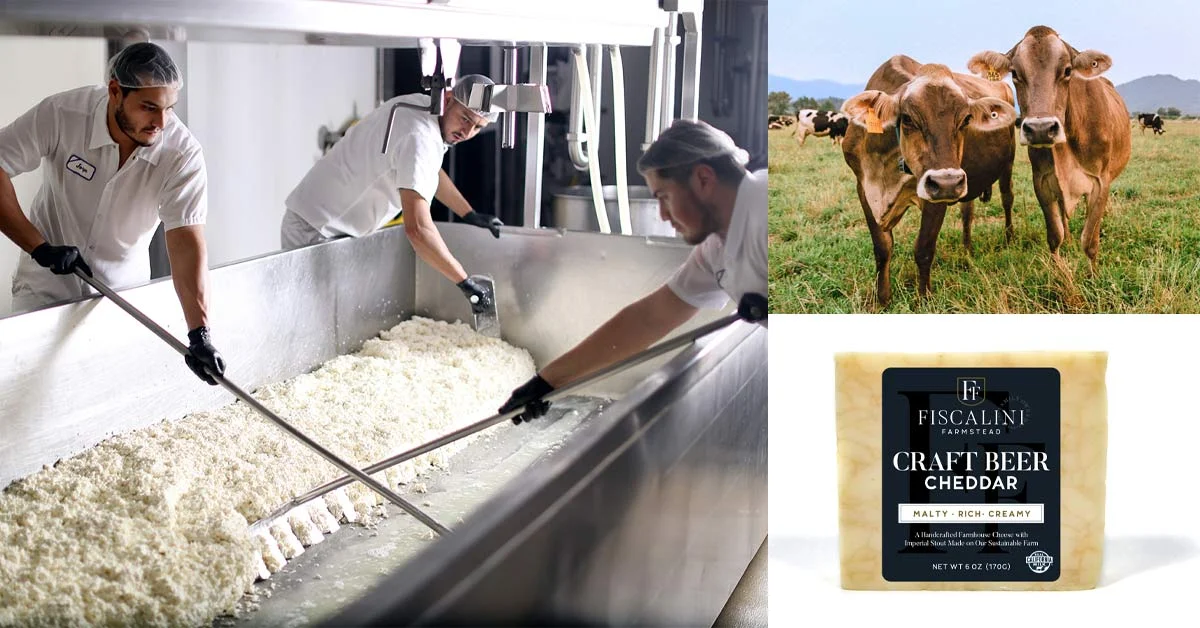
The American culinary landscape is witnessing a sophisticated transformation of a mid-century staple: beer cheese. What began in the 1940s as a humble, spicy spread served in rural Kentucky riverside restaurants has evolved into a complex category of artisanal farmstead cheeses. Today, the relationship between the brewmaster and the cheesemaker has shifted from simple pairing to deep technical collaboration, where craft beer is integrated into the very chemistry of the cheesemaking process. This evolution reflects broader trends in the American food industry, including a heightened focus on sustainability, regional terroir, and the "buy local" movement that connects independent dairies with neighboring craft breweries.
The Historical Foundations of a Kentucky Classic
The narrative of beer cheese is rooted in the 1940s in Clark County, Kentucky. While historical accounts vary, the most widely accepted origin story traces the spread to Johnny Allman’s restaurant. Originally developed as a "snappy" snack to encourage patrons to drink more beer, the recipe was defined by its sharp cheddar base, heavy garlic, and a signature kick of cayenne pepper. In 2006, the brand saw a significant revival when Kathy Gorman Archer, president of Howard’s Creek Authentic Beer Cheese, sought to reintroduce the original Allman’s model to a modern audience.
Archer’s revival highlighted a fundamental aspect of the original product: sustainability. The initial recipes were often born of a desire to reduce waste, utilizing leftover sharp cheddar and dregs of beer that might otherwise be discarded. This "sustainable effort," as Archer described it, laid the groundwork for the tangy, spreadable product that many Americans still associate with the term "beer cheese." However, the modern paradigm has shifted away from this post-production mixture toward a process where beer is treated as a primary ingredient during the fermentation and aging of the cheese itself.
The West Coast Influence: Rogue Creamery and Fiscalini Farmstead
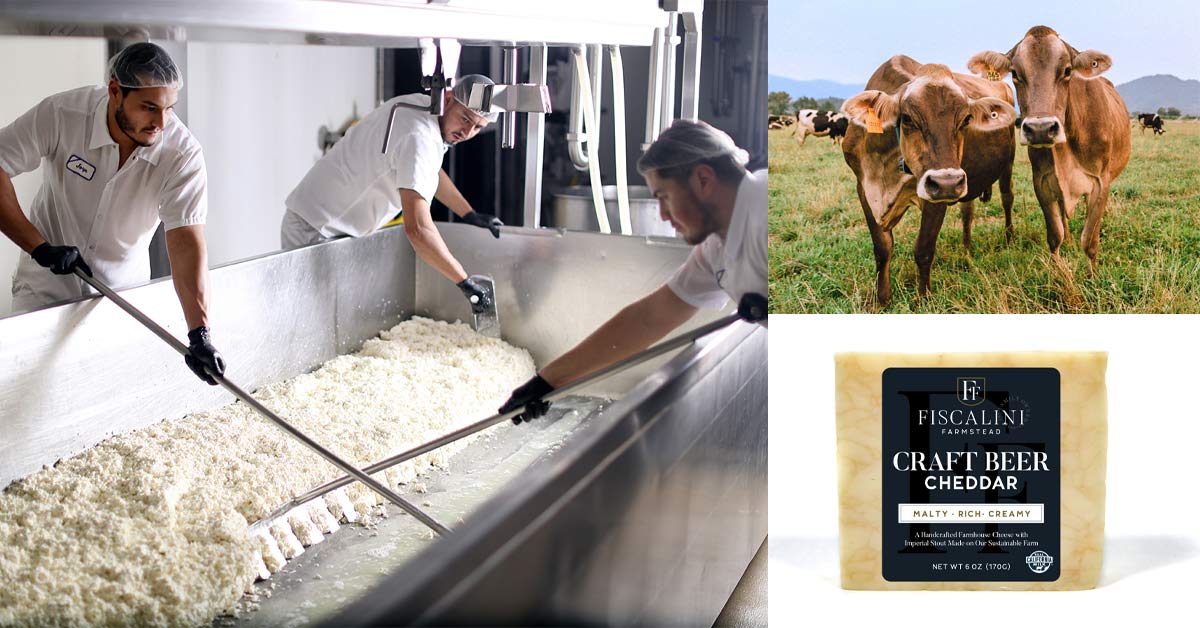
In the Pacific Northwest, the intersection of dairy science and brewing has reached new heights of technical precision. Rogue Creamery in Oregon, famous for producing the first cave-aged blue cheese west of the Mississippi in 1953, has spent nearly a decade experimenting with beer infusions. Although often confused with Rogue Ales due to their shared name, the creamery operates as an independent entity with a strict focus on organic production.
Marguerite Merritt, a certified sommelier and brand manager for Rogue Creamery, notes that their approach focuses on balancing the bitterness of hops with the creamy fats of the dairy. For their Chocolate Stout Cheddar, produced in collaboration with Portland’s Hopworks Brewery, the beer is introduced at a critical juncture: just as the whey begins to separate from the curd. This timing allows the malted flavors to infuse the milk solids without compromising the structural integrity of the cheese. The result is a marbled aesthetic and a subtle maltiness that avoids overpowering the natural tang of the cheddar.
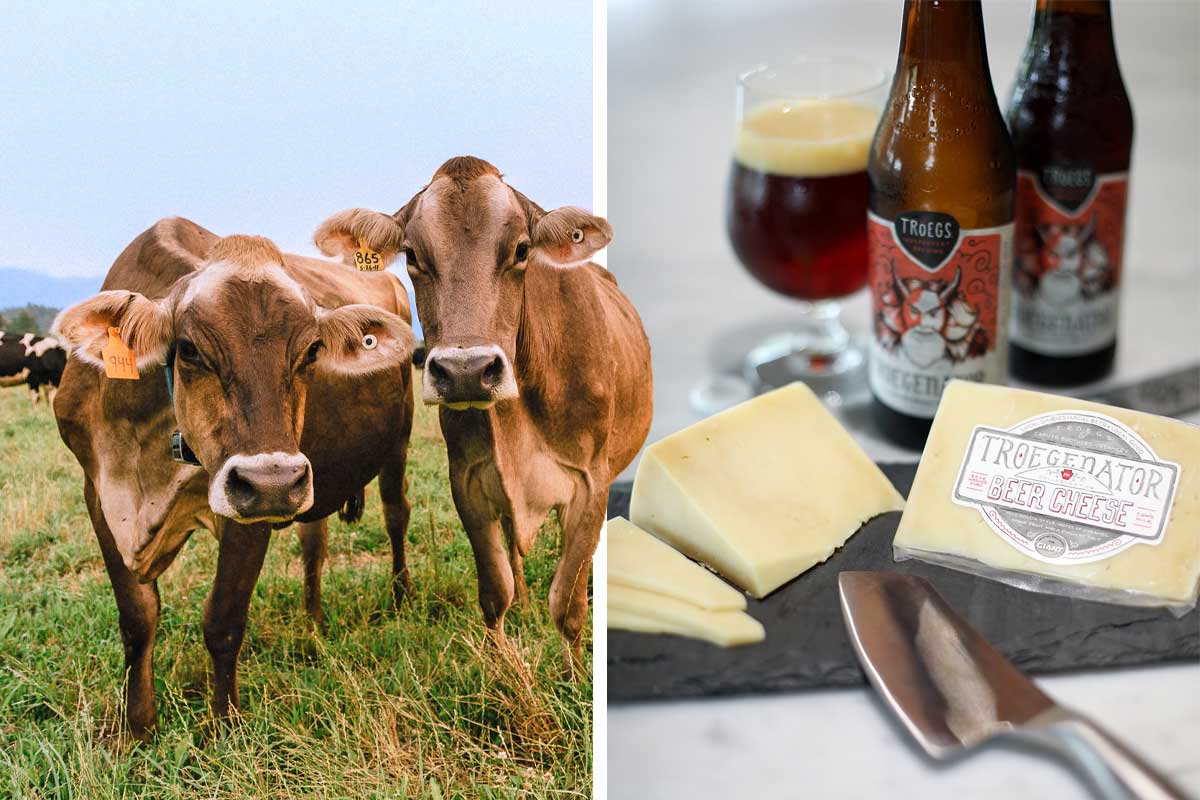
Further south in Modesto, California, Fiscalini Farmstead has applied a similar philosophy to its "Craft Beer Cheddar." Founded in 1914, Fiscalini is a fourth-generation dairy that prides itself on using milk exclusively from its own cows. This commitment to traceability led them to partner with Dust Bowl Brewing, located just 20 minutes away. According to owner Laura Genasci, the collaboration is a "culinary collision" of two local industries. Their process involves mixing Black Blizzard Imperial Stout—a beer known for coffee and roasted chocolate notes—directly with the curds before they are pressed into 40-pound blocks. The overnight pressing ensures that the beer flavor permeates every bite, creating a mottled, visually striking cheese that reflects the dark profile of the stout.
The Technical Intersection: Chemistry and pH Levels
The integration of beer into cheesemaking is not merely a matter of flavor; it is a complex exercise in microbiology and chemistry. Rynn Caputo, co-founder of Pennsylvania’s Caputo Brothers Creamery, emphasizes that the "real key" to successful beer cheese is the management of pH levels. Milk typically sits at a pH of 6.4 to 6.8. During the cheesemaking process, if the pH remains too high (above the low 5s), the curds fail to bind together. Conversely, if the acidity drops too low (below 4), the texture becomes rubbery and unpalatable.
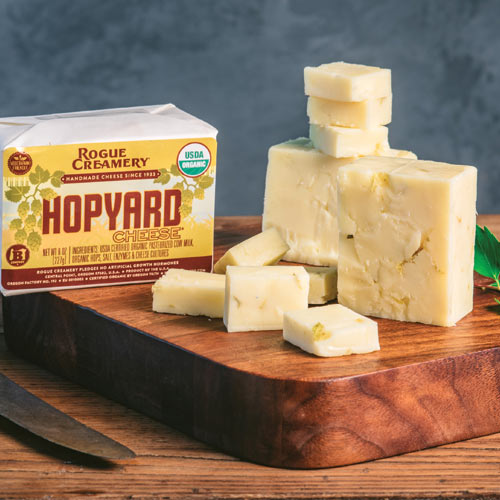
Caputo Brothers, which launched its artisan business in 2011, initially focused on Italian-style cheeses but expanded into beer-infused varieties at the request of Giant Food Stores. This led to a high-profile collaboration with Tröegs Independent Brewing. To create their "Perpetual Beer Cheese," Caputo developed a method of "dry hopping" the milk with Citra hops before the cheese is even formed, effectively creating a "hop milk." This is followed by a salt-water brine and a final spray of Perpetual IPA on the rinds. This multi-layered approach to infusion demonstrates the technical rigor required to maintain the delicate balance between the alcohol’s acidity and the milk’s enzymes.
Regional Collaborations and Economic Impact
The rise of artisanal beer cheese has created a new economic "triangle" in many regions, connecting the dairy farm, the brewery, and the retail headquarters. In Pennsylvania, the partnership between Caputo Brothers, Tröegs, and Giant Food Stores serves as a case study for regional economic impact. By sourcing milk from local Pennsylvania dairies and beer from a local brewery for sale in a regional grocery chain, the collaboration keeps capital within the state and reduces the carbon footprint associated with long-distance shipping.
This trend is echoed in the Midwest by Indianapolis-based Tulip Tree Creamery. Rather than mixing beer into the curds, Tulip Tree utilizes the "washed-rind" technique. This method involves bathing the exterior of the cheese in a solution of bacteria cultures, salt, and local craft beer from breweries like Sun King and 3 Floyds. This process encourages the growth of specific molds and bacteria that ripen the cheese from the outside in, creating a pungent aroma and a creamy interior. Co-owner Laura Davenport notes that for this style, lower-bitterness beers like pilsners are often preferable to high-IBU (International Bitterness Units) IPAs, as excessive bitterness can become concentrated and unpleasant during the aging process.
The Urban Creamery and the Future of Fresh Beer Cheese
As the industry matures, the "urban creamery" is emerging as a new frontier. Urban Stead, located in downtown Cincinnati, Ohio, represents this shift. Founded in 2018 by Andrea Robbins and her husband, the creamery aims to honor the city’s German heritage while catering to a modern urban demographic. Unlike the long-aged cheddars of the West Coast, Urban Stead focuses on fresh cheeses like quark and Kentucky-style spreads.
Their collaboration with Braxton Brewing utilizes the "Storm Golden Cream Ale" to create a fresh beer cheese that has the texture of ricotta mixed with cream cheese. Because these are fresh products, they do not require months of aging, allowing for a faster "farm-to-table" (or "vat-to-table") cycle. This model provides a critical cash-flow balance for small creameries that may have other products tied up in aging rooms for 20 months or more.
Broader Implications for the Food and Beverage Industry
The evolution of beer cheese signifies a broader shift in consumer expectations. Modern consumers are increasingly seeking "experiential" foods that tell a story of collaboration and craftsmanship. The transition from a mass-produced spread to a hand-crafted, beer-infused cheddar reflects a desire for complexity and authenticity.
Furthermore, these collaborations provide a safety net for small dairies facing volatile milk prices. By transforming raw milk into a high-value, branded artisanal product like beer cheese, farmers can command a higher price point and ensure the long-term viability of their operations. For breweries, these partnerships offer a unique way to extend their brand identity into the food space, reaching consumers through the deli counter rather than just the taproom.
As the American craft beer and artisan cheese industries continue to intertwine, the category of beer cheese is likely to expand further. From the science of pH management to the artistry of washed rinds, the collaboration between brewmasters and cheesemakers has turned a simple 1940s snack into a sophisticated staple of the modern culinary world. Whether it is a stout-infused cheddar from California or a hop-washed double cream from Indiana, the new era of beer cheese is defined by technical innovation and a deep respect for regional ingredients.