admin
admin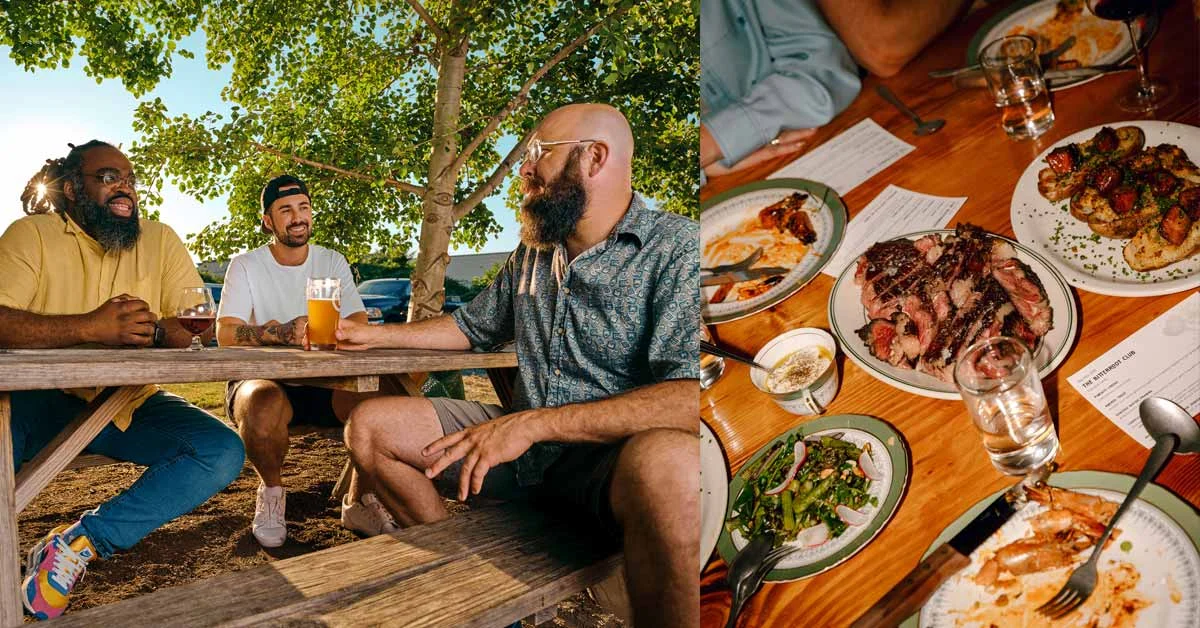
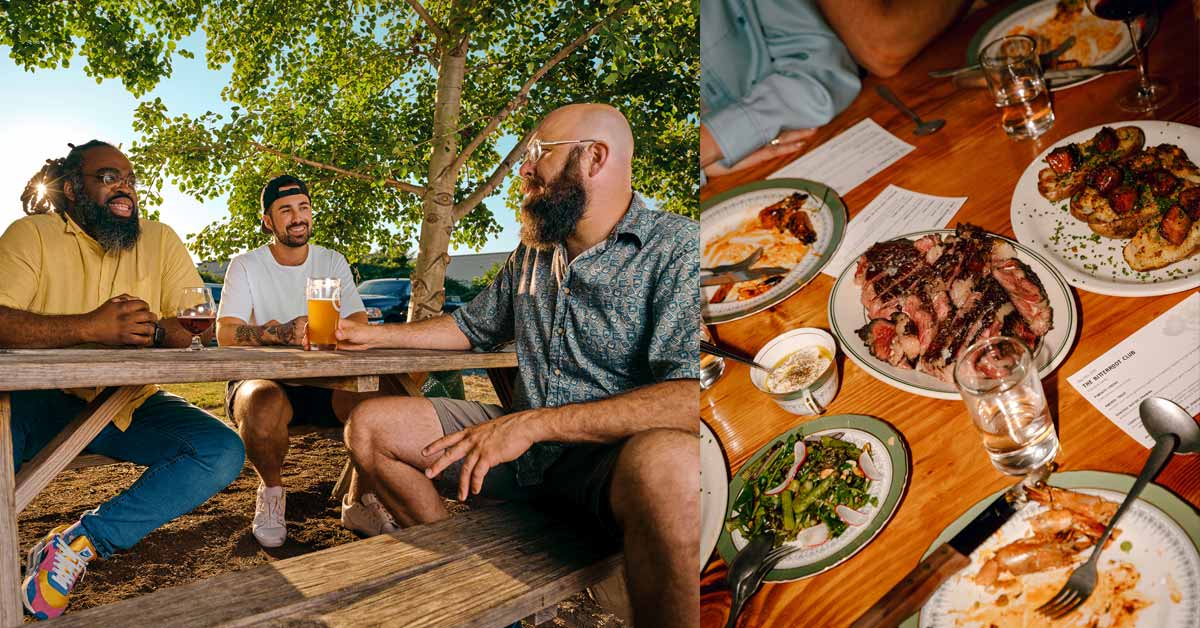
In the heart of Southeast Portland’s Buckman neighborhood, Grand Fir Brewing serves as a contemporary case study for the evolution of the American craft beer industry. While the taproom embodies the "hip-meets-historic" aesthetic common to the Pacific Northwest—characterized by rustic steel and warm wood—the establishment’s true differentiator lies in its backstage operations. Behind a nondescript door at the rear of the building, The Bitterroot Club operates as a weekly supper club, where co-owner and former Top Chef finalist Doug Adams integrates high-end culinary techniques with the brewing expertise of his wife and co-owner, Whitney Adams. This synthesis of "elevated" dining and technical brewing represents a strategic pivot in a marketplace that has become increasingly competitive and discerning.
As the craft beer industry faces national headwinds, including shifting consumer preferences and rising operational costs, Portland—long affectionately known as "Beervana"—is redefining the taproom experience. The Bitterroot Club’s $135-per-person prix fixe menu, featuring pairings such as Columbia king salmon with bready Tamarack Fest lager and charcoal-grilled pork chops with Mosaic-hopped IPAs, illustrates a move toward premiumization. According to Whitney Adams, a veteran of Northwest pillars like Upright Brewing and 10 Barrel Brewing, this "angle" is no longer a luxury but a necessity for survival in a post-pandemic economy.
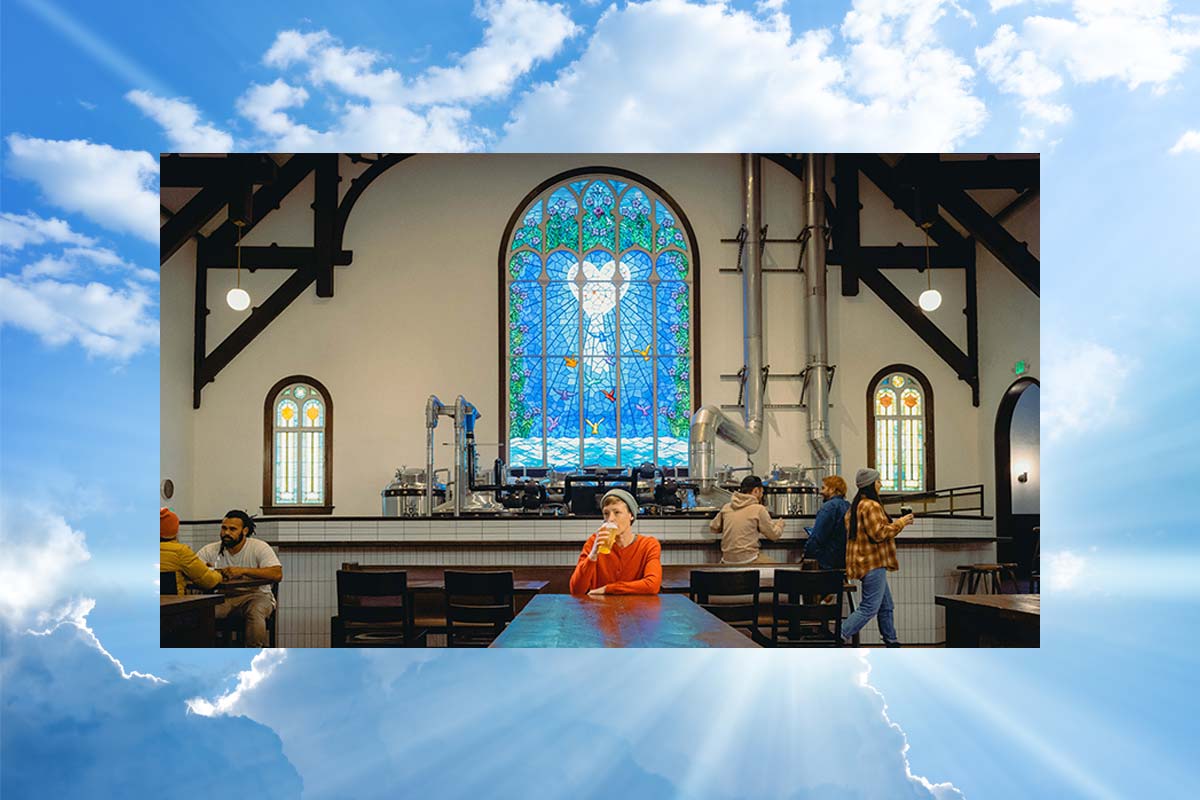
The Historical Foundations of Beervana
The term "Beervana" was first coined by the local alternative weekly Willamette Week in 1994, but the roots of Portland’s beer dominance extend back to the early 1980s. The city’s rise as a global brewing hub was driven by a unique combination of geographic isolation, agricultural proximity, and a lack of interference from "Big Beer" conglomerates. Van Havig, master brewer and co-founder of Gigantic Brewing, notes that during the formative years of the movement, major national brands like Miller and Budweiser had a significantly smaller footprint in Oregon compared to the rest of the United States. This allowed local distributors and independent brewpubs to dominate the market early on.
By the early 2000s, Portland had established itself as the most developed craft market in the country. The "big leagues" of brewing were defined by a handful of omnipresent labels that set the standard for the industry: Widmer Brothers’ Hefeweizen, Deschutes’ Black Butte Porter, and BridgePort Brewing’s India Pale Ale. The latter, introduced in 1996, became the template for the "Northwest-style IPA," a hop-forward, aggressive profile utilizing local varietals that prioritized notes of citrus, pine, and floral bitterness.
Geographic and Agricultural Synergy
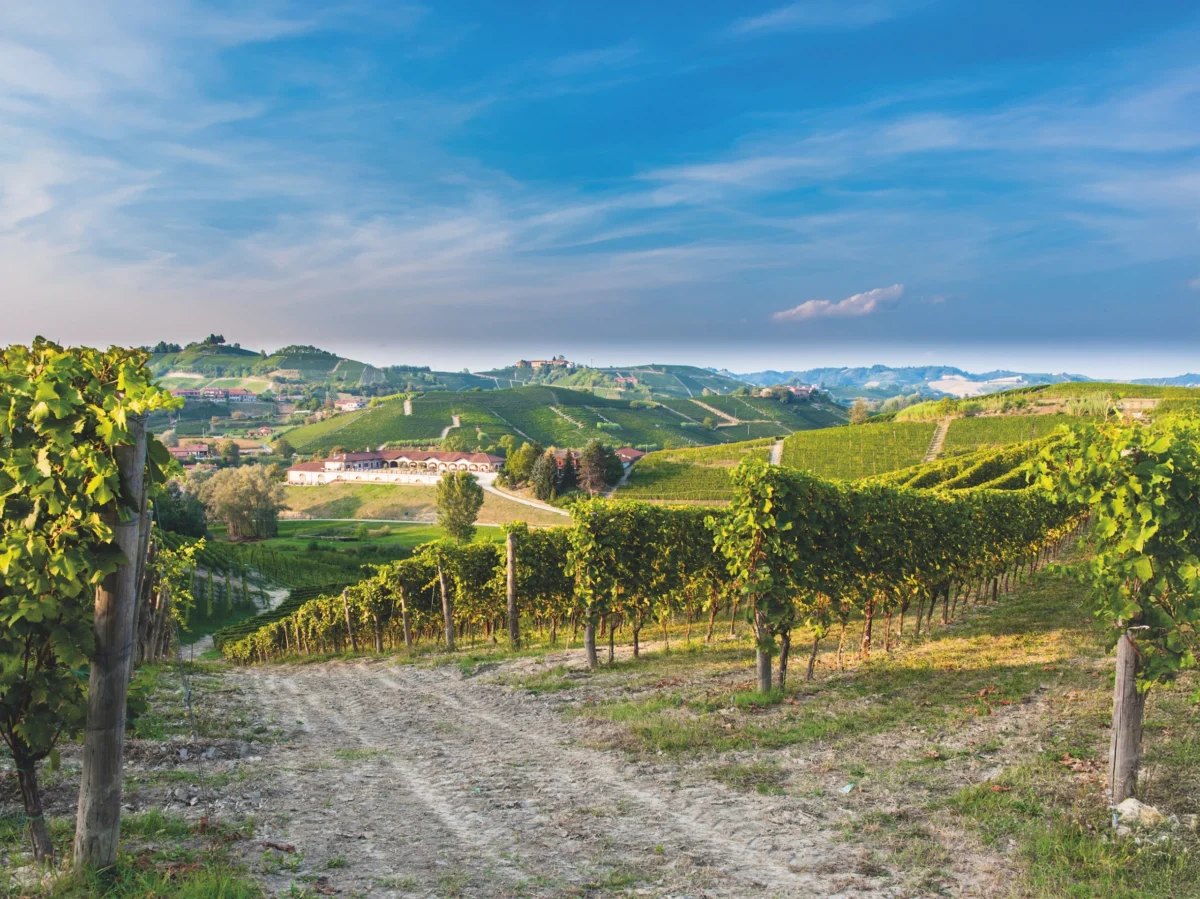
Portland’s status as a brewing mecca is inextricably linked to the Willamette Valley. Located just south of the city, the valley is one of the world’s premier hop-growing regions. The proximity to these fields, as well as the Yakima Valley in neighboring Washington state, provides local brewers with unprecedented access to fresh ingredients. This agricultural synergy allows for the "fresh hop" season, a unique period in the autumn when brewers can utilize hops within hours of harvest—a logistical impossibility for breweries in most other parts of the world.
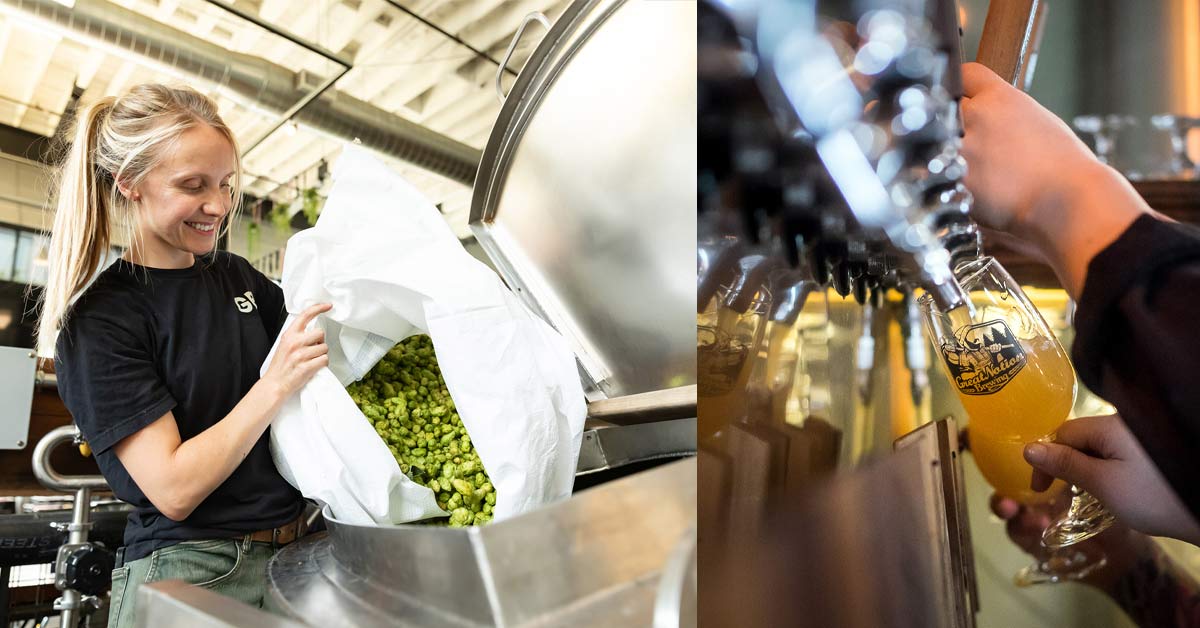
Oregon’s brewing industry is a significant economic engine. According to data from the Oregon Brewers Guild, the state’s brewing industry contributes more than $2 billion to the state’s economy and supports roughly 50,000 jobs. Despite the national trend of declining beer volumes, Oregon remains a leader in per capita consumption of craft beer. However, the nature of that consumption has shifted from high-volume production to specialized, on-premises experiences.
A Chronology of Innovation and Style Evolution
The timeline of Portland’s beer culture is marked by distinct eras of experimentation:
- 1980s–1990s (The Foundation): The rise of the traditional brewpub and the definition of core styles like the Amber Ale and the Northwest IPA.
- 2000s–2010s (The Expansion): The "growler phenomenon" took hold, with gas stations and grocery stores installing draft towers. This era saw the rise of specialized beer bars and the proliferation of barrel-aging programs.
- 2012–2018 (The Experimental Peak): Breweries like Gigantic and Breakside began pushing boundaries with Belgian-style ales, wild ferments, and the "pastry sour" movement popularized by Great Notion.
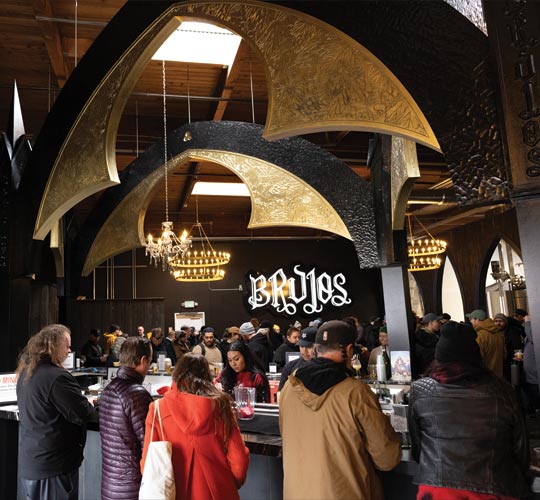
- 2019–Present (The Diversification): The market has seen a surge in specialized niches, such as the "Cold IPA" (pioneered by Wayfinder Brewing), the heavy-metal-themed hazy IPAs of Brujos Brewing, and a significant investment in high-quality non-alcoholic (NA) beers by stalwarts like Deschutes.
Ben Edmunds, brewmaster at Breakside Brewing, suggests that the "family tree" of Portland brewing has also evolved. While brewers once stayed at established houses for decades, the current era is defined by veterans branching out to start smaller, highly specialized boutiques. This "new blood" includes establishments like Ruse, Living Häus Beer Company, and Grand Fir, all of which are helmed by individuals with deep pedigrees in the local scene.
Market Challenges and Economic Realities
The resilience of the Portland market is currently being tested by several macroeconomic factors. Real estate prices in the city’s industrial and commercial zones have surged, making the traditional large-scale production model increasingly difficult to sustain for new entrants. Furthermore, the national "sober-curious" movement and the rise of ready-to-drink (RTD) cocktails have fragmented the beverage market.
In response, Portland breweries are focusing on the "discerning drinker." Unlike other markets where breweries have installed dog parks or pickleball courts to attract crowds, Portland’s strategy has leaned into technical excellence and culinary integration. The consensus among local industry leaders is that the Portland consumer is uniquely "savvy." In this city, "craft beer" is not viewed as a niche category but as the default standard.
Supporting Data: The Oregon Brewing Landscape (2023-2024)
Recent industry reports highlight the following trends within the Oregon market:
- On-Premise Dominance: While wholesale distribution has slowed, taproom sales remain the primary revenue driver for small-to-mid-sized breweries.
- Sustainability Initiatives: Oregon brewers are increasingly focusing on water conservation and carbon capture, leveraging the state’s green energy infrastructure to offset the energy-intensive brewing process.
- NA Growth: The non-alcoholic craft segment in Oregon has grown by double digits over the past two years, with local breweries utilizing vacuum distillation and arrested fermentation to maintain flavor profiles.
- Hops Innovation: The development of new "Pink Boots" hop blends and concentrated lupulin pellets continues to occur within the region’s research facilities, directly benefiting local experimentalists.
Broader Implications and the Future of Beervana
The maturation of Portland’s beer scene offers a roadmap for other mature craft markets. The shift away from the term "microbrew" or even "craft beer" toward simply "beer" signifies a cultural victory. As Van Havig posits, Portland is the place where "craft beer won." The integration of the product into the daily fabric of the city—from dive bars to high-end supper clubs—suggests that while the industry may fluctuate, the culture is permanent.
However, the "win" comes with the burden of maintaining high standards. In a city where world-class beer is available at every corner, the barrier to entry for new breweries is exceptionally high. Success now requires a multi-faceted approach: technical brewing mastery, culinary sophistication, and a deep understanding of local history.
As Grand Fir Brewing and its contemporaries continue to navigate these shifts, they do so with the support of a community that views beer as an essential element of regional identity. The resilience of Beervana lies not in its ability to resist change, but in its capacity to lead it, ensuring that the relationship between the brewer and the drinker remains the cornerstone of the city’s cultural economy. In the face of a slippery global marketplace, Portland’s "discerning" nature may be its greatest defense, preserving an ecosystem where quality remains the ultimate currency.