admin
admin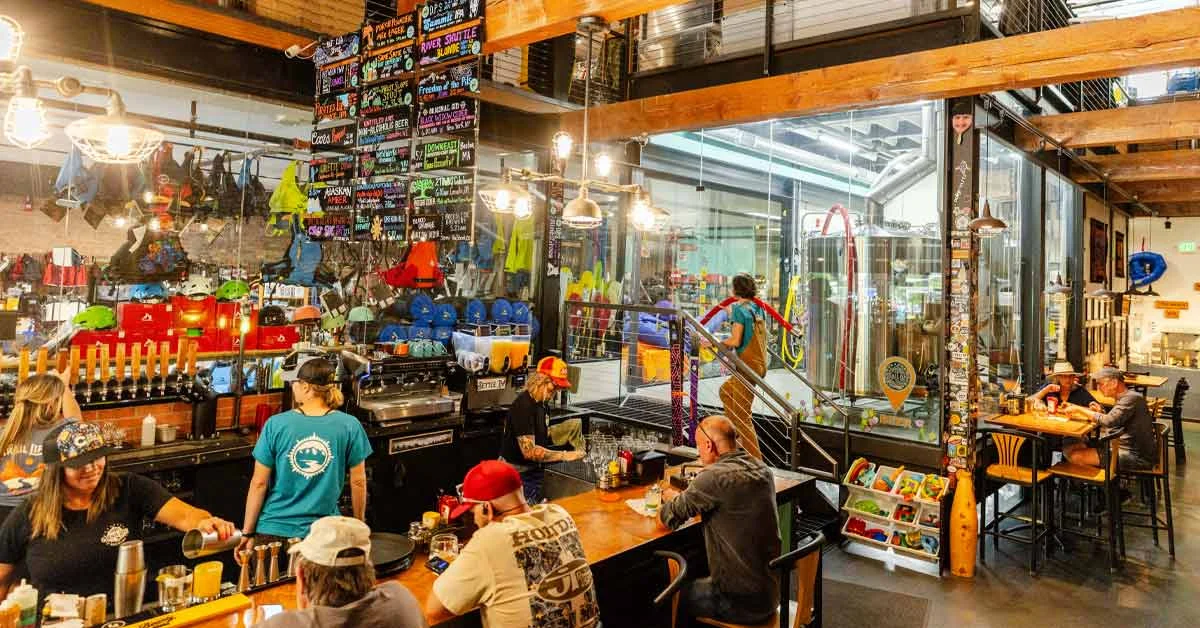
Grand Junction, Colorado, situated at the heart of the state’s Western Slope, is currently undergoing a significant cultural and economic transformation, positioning itself as a primary alternative to the increasingly congested tourism hubs of the Front Range and the desert Southwest. While travelers traditionally flock to the high-traffic corridors of the Grand Canyon or the crowded trails of Zion and Arches National Parks, Grand Junction offers a comparable scale of natural splendor with a fraction of the seasonal foot traffic. This geographic isolation has fostered a unique, community-driven craft beer ecosystem that integrates seamlessly with the region’s rugged outdoor lifestyle. As the city matures, the convergence of world-class geological features and a sophisticated brewing industry is creating a new blueprint for sustainable tourism in the American West.
The Geographical Significance of the Grand Valley
The identity of Grand Junction is inextricably linked to its unique topography. The city’s name derives from its location at the confluence of the Gunnison River and the Colorado River—the latter of which was historically known as the Grand River until 1921. This hydrological junction serves as the gateway to three distinct and rare landscapes: the Colorado National Monument, the Grand Mesa, and the Rattlesnake Arches.
The Colorado National Monument is characterized by its sheer red rock canyons and towering monoliths, offering a serene environment that remains largely "crowd-free" despite its awe-inspiring vistas. To the east lies the Grand Mesa, recognized as the largest flat-top mountain in the world, encompassing over 500 square miles and reaching elevations of over 11,000 feet. To the west, the Rattlesnake Arches within the Black Ridge Canyons Wilderness contain one of the highest concentrations of natural stone arches outside of Utah. This diversity of terrain—ranging from alpine forests to high-desert canyons—has attracted a specific demographic of residents: outdoor enthusiasts, mountain bikers, and hikers who prioritize adventure over urban density.
The Evolution of the Grand Junction Brewing Scene
The development of the craft beer industry in Grand Junction follows a timeline of steady, deliberate growth rather than the explosive, often volatile expansion seen in cities like Denver or Fort Collins. For decades, the local scene was anchored by pioneers like The Rockslide Brew Pub. Established in 1994, Rockslide served as the foundational "OG" of the local industry, introducing the community to the concept of the brewpub when the national craft beer movement was still in its infancy. For nearly twenty years, the industry remained stable but small, catering primarily to a local clientele.
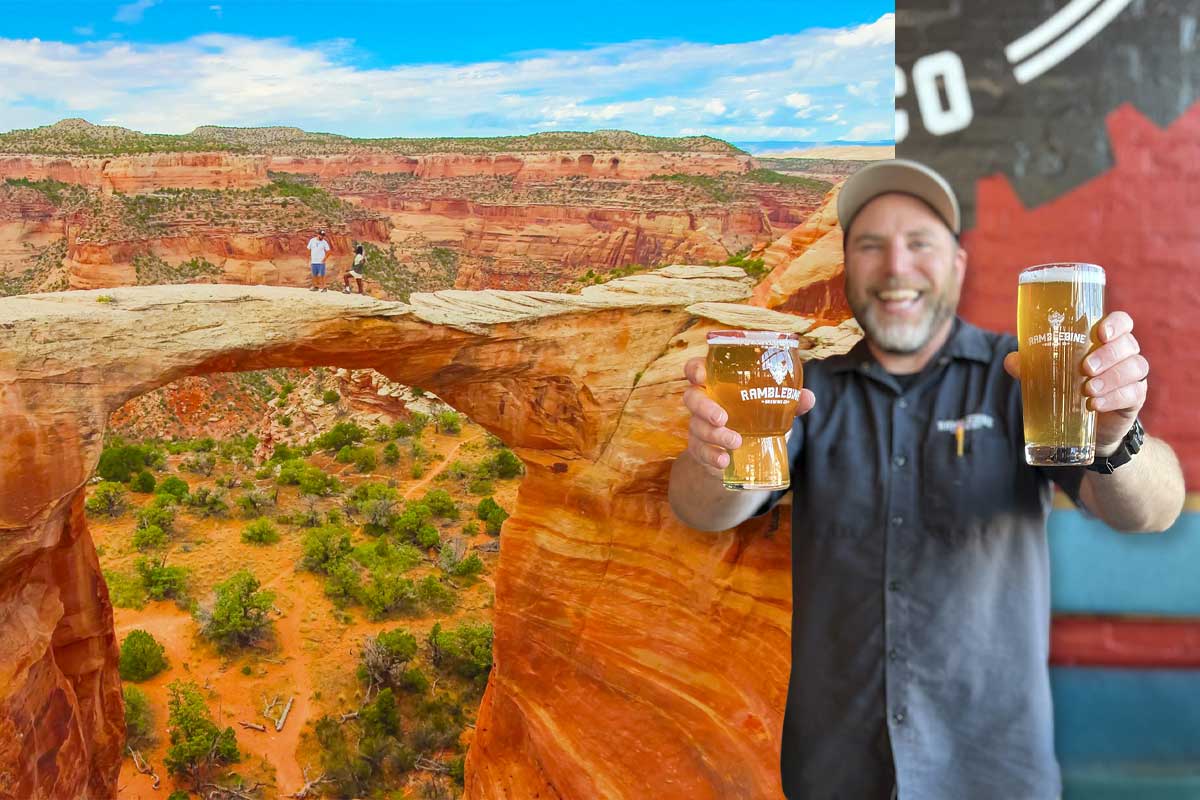
The mid-2010s marked a turning point as the region began to attract younger entrepreneurs and "beer-driven tourists" looking for authentic experiences away from the commercialized centers of the Front Range. This shift culminated in a new wave of brewery openings that prioritized stylistic diversity and experimental techniques. The arrival of Ramblebine Brewing in 2020, despite the global economic challenges of the period, signaled a new era of sophistication. Founders Eli Gerson and Rob James introduced a portfolio that moved beyond standard ales, incorporating kveik-fermented Norwegian red ales and complex barrel-aged stouts into the local vernacular.
Synergistic Business Models: The Intersection of Bikes and Brews
A defining characteristic of the Grand Junction beer scene is the literal and metaphorical connection between the brewing industry and the outdoor recreation economy. In Grand Junction, the "after-ride" beer is not just a social habit but a business model.
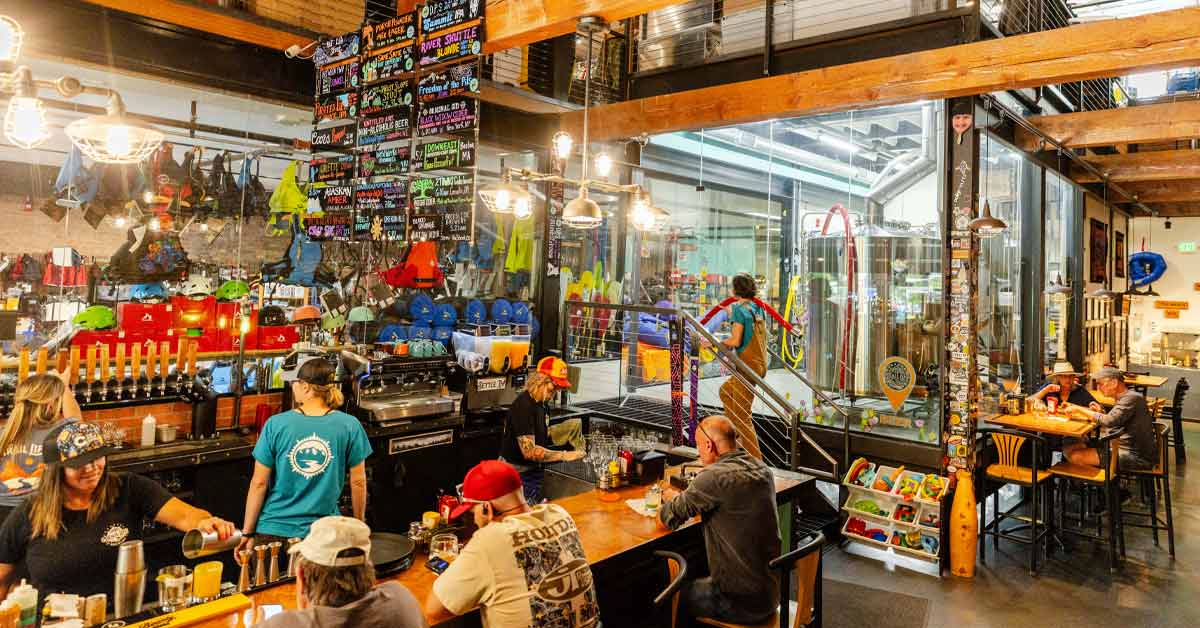
Trail Life Brewing represents the pinnacle of this integration. By physically attaching the brewery to a mountain bike shop, the establishment caters directly to the "work hard, play hard" ethos of the Western Slope. The taproom serves as a decompression zone where the energy of the trail is channeled into the consumption of specialized styles, such as Mexican-style lagers and Black IPAs. This synergy is echoed at Handlebar Tap House, located adjacent to another mountain bike hub. Adam Kinsey, a prominent figure in the local scene and owner of Handlebar, notes that the city’s population is almost entirely composed of individuals active in at least one outdoor discipline. Consequently, the breweries have become the "third places" of the community—essential social spaces outside of home and work.
Economic Diversification and Culinary Sophistication
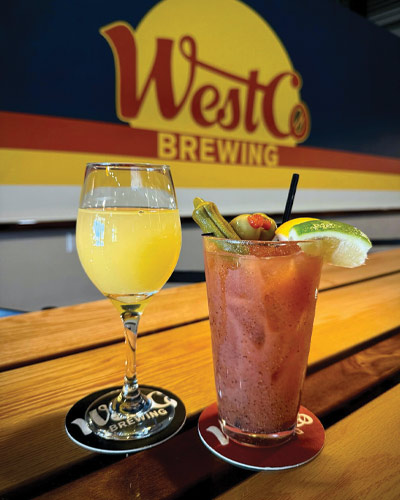
The most recent addition to the landscape, WestCo Brewing, illustrates the maturation of the market. Founded by industry veterans Adam Kinsey and head brewer Danny Wilson, WestCo is strategically positioned next to the Amphitheater at Las Colonias Park. This location allows the brewery to leverage the city’s growing arts and culture sector, providing a venue for pre- and post-concert gatherings.
Furthermore, the culinary offerings at these new establishments indicate a shift toward high-end, diverse gastropub fare that goes beyond traditional brewery food. WestCo’s menu, featuring Japanese chicken curry poutine, gyoza, and Colorado elk sloppy joes, reflects a cosmopolitan influence that is increasingly common in Grand Junction. This evolution suggests that the city is no longer just a stopover for travelers heading to Moab; it is becoming a destination in its own right, capable of supporting sophisticated hospitality ventures.
Analytical Overview of Local Establishments
The following breweries represent the pillars of the current Grand Junction craft beer infrastructure:
Ramblebine Brewing
Since its 2020 debut, Ramblebine has focused on technical excellence across a wide spectrum of styles. Their "God Hammer" Norwegian red ale, fermented with kveik yeast, has become a flagship that demonstrates the brewery’s willingness to educate the local palate on non-traditional fermentation methods. Their rotating tap list often includes hoppy Pilsners and tart fruit sours, maintaining a balance between approachable flagships and experimental releases.
Trail Life Brewing
Trail Life serves as the cultural heart of the biking community. Their beer list is designed for sessionability and refreshment after physical exertion, featuring blonde ales and Mexican-style lagers. However, they also cater to enthusiasts with more robust offerings like the Pirates Life Black IPA, a style that balances roasted malt bitterness with citrusy hop profiles.
WestCo Brewing
WestCo represents the "new guard" of the scene, focusing on flavor-forward but easy-drinking styles such as Japanese-style rice lagers and New England IPAs. Its proximity to the city’s major performance venue makes it a critical component of the local evening economy.
Legacy and Specialized Producers
- The Rockslide Brew Pub: Continues to provide a classic brewpub experience with a focus on traditional lagers and ales.
- Base Camp Beer Works: Known for creative adjuncts, such as pineapple and pistachio cream ales or cranberry-infused Irish red ales, catering to a demographic looking for novel flavor profiles.
- Gemini Beer Company: Operates as a collaborative hub, serving its own IPAs alongside guest taps from other local breweries, fostering a sense of industry-wide solidarity.
Supporting Data: The Impact of Craft Brewing in Colorado
The growth in Grand Junction is part of a broader state-wide trend. According to the Brewers Association, Colorado remains one of the top producers of craft beer in the United States. In 2023, the state’s craft breweries contributed billions of dollars to the state economy and supported tens of thousands of jobs. While much of this economic activity is concentrated in the Denver metro area, the Western Slope—led by Grand Junction—is capturing an increasing share of the "beertourism" market.
The Brewers Association, a not-for-profit trade group, emphasizes that small and independent breweries are vital to local economies, often serving as the primary drivers of downtown revitalization. In Grand Junction, the concentration of breweries in and around the downtown and Las Colonias areas has contributed to increased property values and a more vibrant nightlife, attracting a demographic of remote workers and professionals who value access to both nature and high-quality amenities.
Broader Implications and Future Outlook
The trajectory of Grand Junction suggests a shift in how the American West is being consumed by tourists. As major national parks face "overtourism" and implement reservation systems to manage crowds, "secondary" destinations like Grand Junction offer a release valve. The city provides the same geological drama as its more famous neighbors but maintains an authentic, unpretentious atmosphere.
The integration of the beer scene into this narrative is crucial. Craft beer has become a marker of a "lifestyle destination." For Grand Junction, the success of breweries like Ramblebine and WestCo is a signal to the broader travel market that the city possesses the cultural infrastructure to match its natural assets.
As the city continues to develop, the challenge will be maintaining the "untouched" quality that makes it special. However, the current model—built on local ownership, community gathering spaces, and a deep respect for the surrounding environment—provides a sturdy foundation. For the beer enthusiast and the adventurer alike, Grand Junction is no longer just a point on a map where two rivers meet; it is a burgeoning capital of fermentation and exploration in the high desert of Colorado.