admin
admin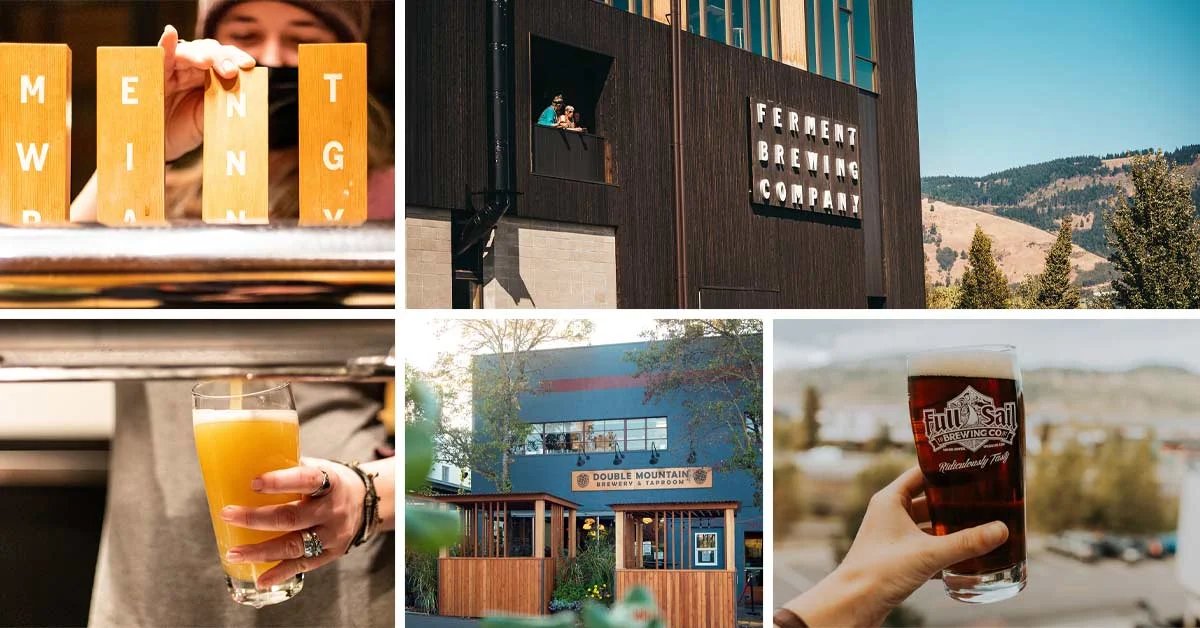
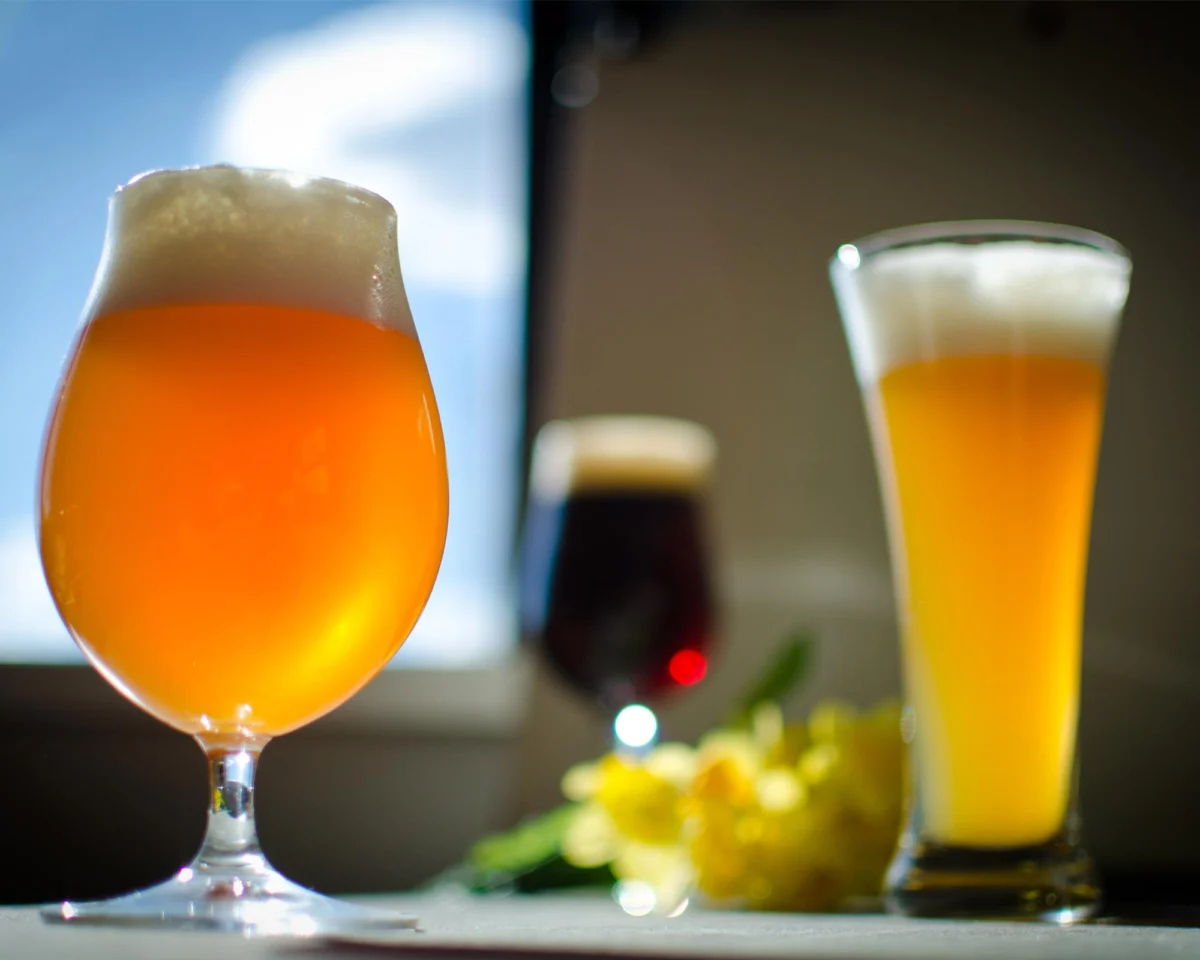
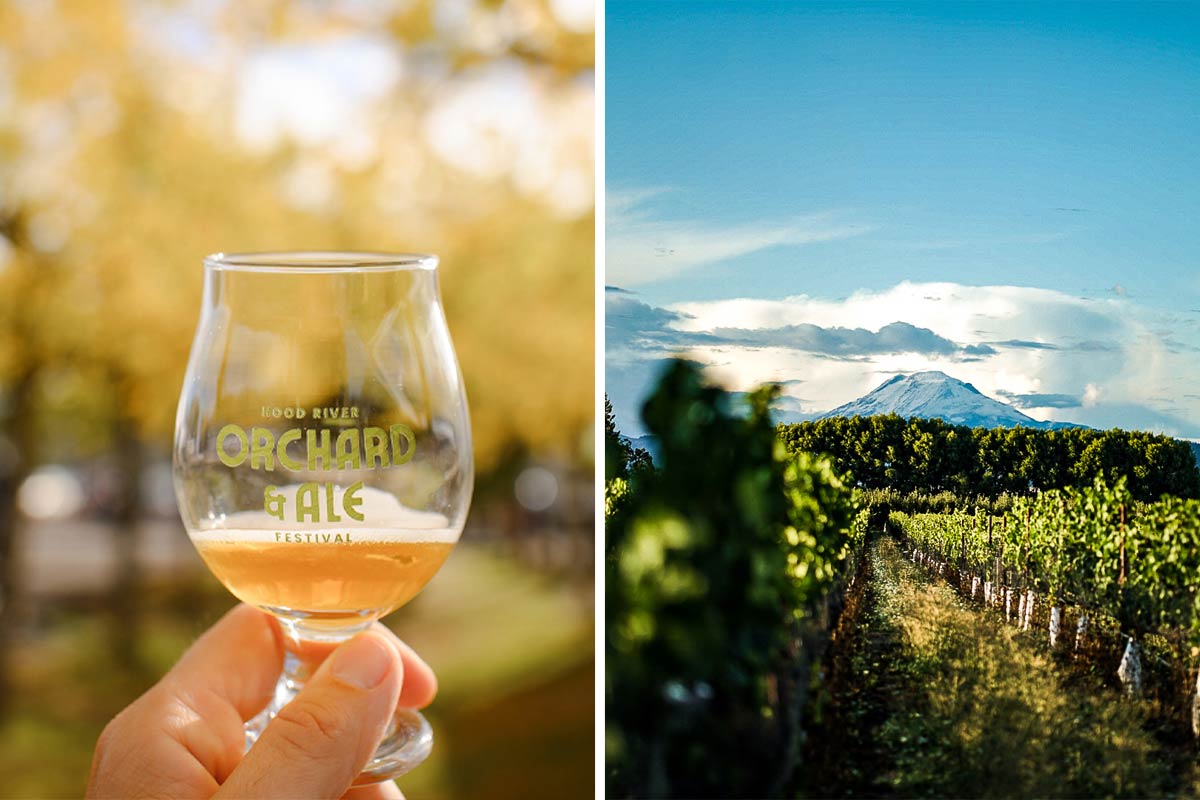
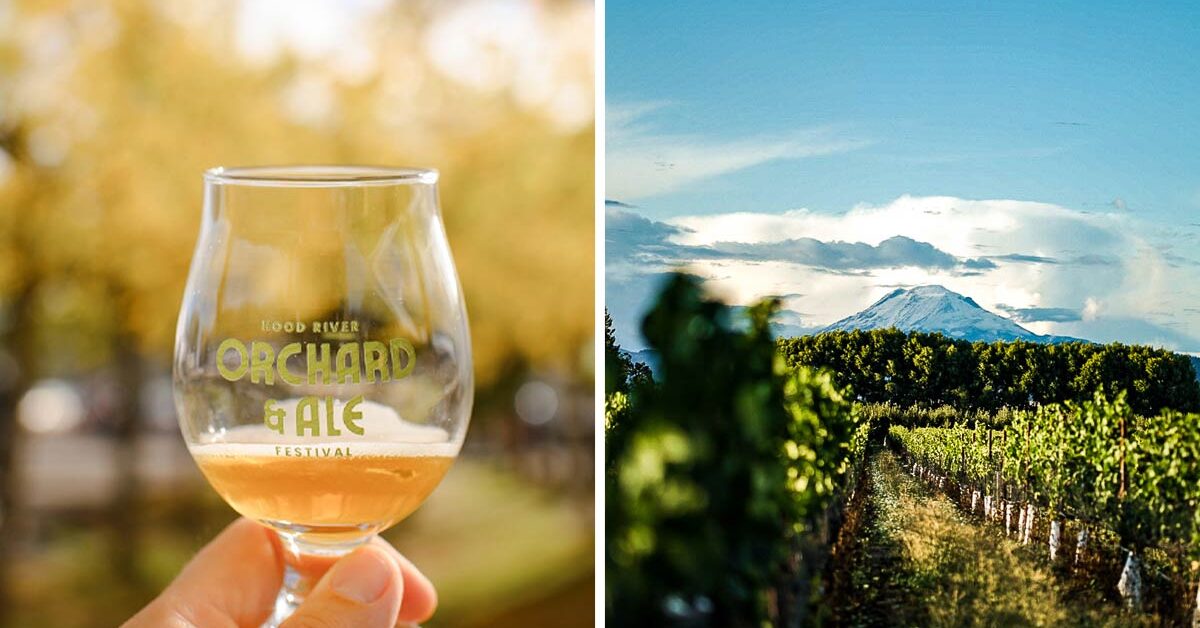
The inaugural Hood River Orchard and Ale Festival recently debuted on the scenic waterfront of the Columbia River, marking a significant milestone for the craft beverage industry in the Pacific Northwest. Set against the backdrop of the Columbia River Gorge—a geological marvel characterized by its deep canyons, temperate rainforests, and volcanic peaks—the festival served as a showcase for the unique intersection of agriculture and zymurgy that defines the region. While the event celebrated the local harvest and the region’s storied brewing traditions, it also highlighted the logistical and environmental factors that shape the industry in one of the world’s most productive hop and fruit-growing corridors.
The festival’s location on the Hood River waterfront provided a direct view of the environmental forces that influence both the local lifestyle and the technical aspects of brewing. The Gorge functions as a natural wind tunnel, creating a consistent draft that attracts world-class windsurfers and kiteboarders. However, these same winds presented unique challenges for the festival’s inaugural setup, necessitating high-quality glassware and sturdy infrastructure to withstand the early-October gusts. Beyond the atmospheric conditions, the event underscored the critical role of the Hood River watershed in the production of premium craft beer, drawing attention to the geological filtration processes that provide brewers with some of the softest, most mineral-rich water in North America.
Geological and Hydrological Foundations of Hood River Brewing
The success of the Hood River brewing scene is inextricably linked to the region’s unique geography. Unlike many industrial brewing hubs that rely on municipal treated water or large-scale river diversions, Hood River breweries primarily utilize water sourced from the Hood River watershed. This water originates as snowmelt from the 14,000-foot peaks of the Cascade Mountains, specifically Mount Hood. As the snow melts, the water percolates through layers of volcanic basalt rock. This natural filtration process removes impurities while imparting a specific mineral profile that is low in carbonates but rich in essential trace elements.
For brewers, this "soft" water provides a clean, neutral canvas that allows for the precise expression of hops and malt. In technical terms, the low alkalinity of the water is ideal for brewing light lagers and crisp pilsners, styles that have become hallmarks of the Hood River region. When combined with the proximity to the Willamette Valley—which produces approximately 15% of the global hop supply—local brewers have access to raw materials that are often processed and delivered within hours of harvest. This logistical advantage is particularly evident during the autumn "fresh hop" season, a period reflected in many of the offerings at the Orchard and Ale Festival.
A Chronology of the Hood River Brewing Industry
The evolution of Hood River from a quiet agricultural community to a global destination for craft beer has occurred over nearly four decades. The town, which maintains a permanent population of just over 8,000 residents, now boasts one of the highest concentrations of breweries per capita in the United States.
The Foundation: 1987–2006
The modern era of brewing in the Gorge began in 1987 with the establishment of Full Sail Brewing Co. As an "original" craft brewer, Full Sail was instrumental in defining the West Coast style. Their flagship Amber Ale utilized local ingredients to create a balanced, malt-forward profile that helped transition American palates away from mass-produced adjunct lagers. For two decades, Full Sail stood as the primary industrial anchor for the town’s brewing identity, proving that the Gorge could support large-scale craft production and distribution.
The Expansion of Variety: 2007–2015
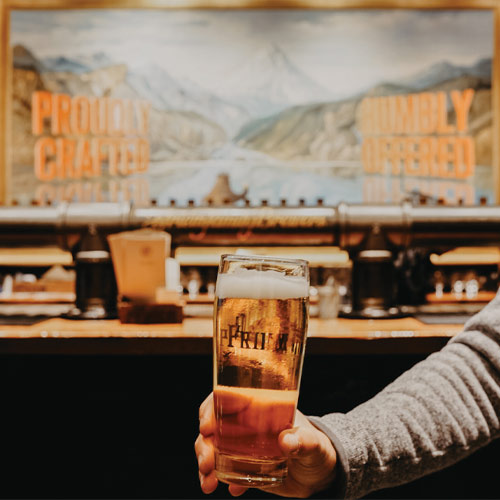
The mid-2000s saw a diversification of styles and the rise of boutique operations. Double Mountain Brewery opened its doors in 2007, focusing on assertive hop profiles and unfiltered ales. This period also saw the 2012 launch of pFriem Family Brewers. pFriem introduced a sophisticated, European-inspired approach to the region, focusing on Belgian-style ales and meticulous German lagers. Their success signaled a shift in the local market toward "premiumization," where the quality of the glassware and the aesthetics of the tasting room became as important as the liquid itself.
Modern Innovation and the New Guard: 2016–Present
The most recent decade has been defined by a move toward experimental techniques and hyper-local "terroir." Ferment Brewing Company, established later in this cycle, utilized farmhouse techniques to capture local wild yeasts and incorporate regional fruits, such as Oregon strawberries, into their sour ale programs. The industry continues to expand with new entrants like Hood River Brewing Company (2023) and Kings & Daughters Brewery, which launched its "Walled Garden" public house in 2025. These newer establishments focus on a mix of contemporary trends, such as Hazy IPAs and Mexican-style lagers, while maintaining the town’s commitment to quality.
Economic Impact and Regional Data
The craft brewing industry in Oregon is a major economic driver, and Hood River represents a significant micro-economy within that sector. According to data from the Oregon Brewers Guild, the brewing industry contributes more than $2.4 billion to the state’s economy annually. In Hood River specifically, the industry supports hundreds of jobs in production, hospitality, and tourism.
The Orchard and Ale Festival serves as a strategic bridge between the town’s two primary industries: agriculture and tourism. The Hood River Valley is one of the world’s leading producers of Anjou pears and is a major hub for apple orchards. By integrating "Orchard" into the festival’s identity, organizers are capitalizing on the "agri-tourism" trend, which encourages visitors to engage with the source of their food and drink. This synergy is vital for the region’s economic resilience, as it diversifies the income streams for local farmers who provide fruit for the growing cider and sour beer markets.
Technical Analysis of Local Brewing Styles
The beers featured at the festival and in the surrounding taprooms reflect a high degree of technical proficiency, particularly in the realm of bottom-fermented lagers. While the Pacific Northwest is often associated with high-IBU (International Bitterness Units) India Pale Ales, Hood River has carved out a niche for exceptionally clean lagers.
- Czech and German Influences: Breweries like pFriem and Working Hands Fermentation have garnered national acclaim for their adherence to traditional European methods. The use of decoction mashing—a traditional technique involving boiling a portion of the mash—is utilized by some local brewers to enhance malt complexity in beers like the Czech Dark Lager and Schwarzbier.
- The Fresh Hop Phenomenon: Because the Willamette Valley hop fields are less than two hours away, Hood River brewers can produce "Fresh Hop" ales. Unlike standard beers that use dried hop pellets, these seasonal beers use whole-cone hops picked and added to the brew kettle within 24 hours. This results in a "green," floral, and chlorophyll-rich flavor profile that is impossible to replicate with preserved ingredients.
- Farmhouse and Sour Programs: Using the diverse microflora of the Gorge, breweries such as Ferment Brewing Company employ open fermentation and barrel-aging. This allows for the development of complex acidity and "funk" that reflects the local environment, a concept borrowed from the wine industry’s definition of terroir.
Infrastructure and Tourism Implications
The debut of the Orchard and Ale Festival on the waterfront highlights the town’s evolving infrastructure. The transition of the waterfront from industrial use to a recreation-and-hospitality-focused zone has been a multi-decade project for the Port of Hood River. The presence of powerhouse breweries like pFriem and Ferment on the river’s edge has turned the waterfront into a primary destination for the "beer tourist" demographic.
However, the "wind tunnel" effect of the Gorge remains a constant variable. Festival organizers and local businesses have had to adapt by investing in more durable outdoor seating and weighted equipment. The move toward higher-end glassware at festivals is not merely a matter of aesthetics; it is a functional requirement to prevent litter and breakage in high-wind conditions.
Conclusion and Future Outlook
The Hood River Orchard and Ale Festival represents a maturing of the local craft beverage scene. By moving beyond a simple "beer garden" format and embracing a festival model that incorporates the region’s agricultural heritage, Hood River is positioning itself as a leader in the sustainable tourism sector.
Looking ahead, the industry faces challenges related to climate change and water security. The reliance on Mount Hood’s snowpack means that long-term brewing sustainability is tied to stable winter weather patterns. However, the current trajectory for Hood River remains one of growth. With new breweries opening as recently as 2025 and a steady influx of visitors from the nearby Portland metropolitan area, the "most quality beer per capita" claim remains a central pillar of the town’s identity. The success of the inaugural festival suggests that the union of the valley’s orchards and the Gorge’s breweries will remain a cornerstone of the Oregon economy for the foreseeable future.