admin
admin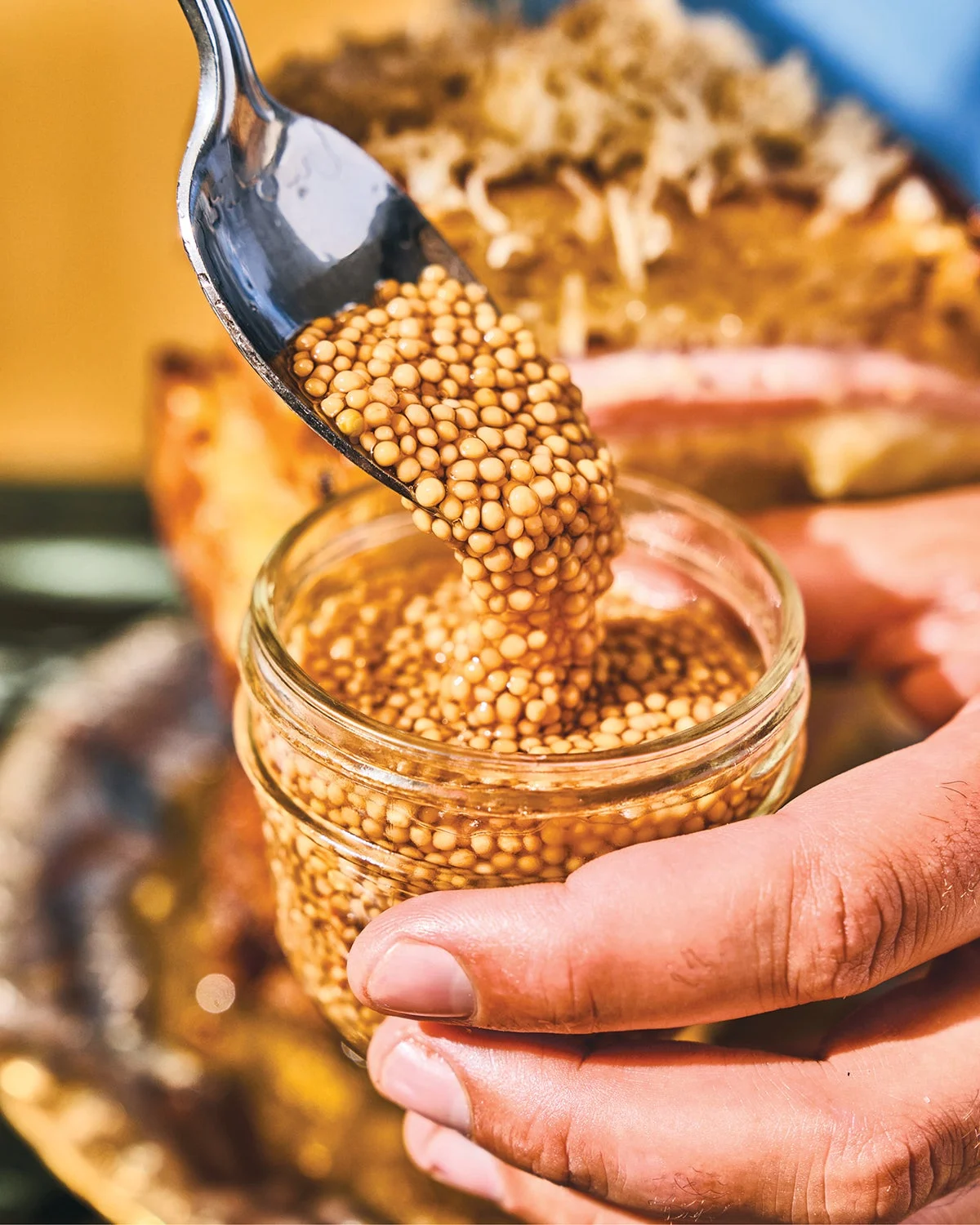
In a culinary landscape increasingly defined by the quest for novel textures and sophisticated flavor profiles, a seemingly simple ingredient is emerging as a star player on the gastronomic stage: maple-marinated mustard seeds. Often referred to by the evocative moniker "mustard caviar," this versatile condiment, adapted from Laurent Dagenais’ acclaimed cookbook Always Hungry!, offers a captivating blend of sweet and savory notes, elevating everything from casual cheese platters to refined charcuterie boards and even the humble beet salad. This innovation represents a growing trend in home cooking and professional kitchens alike, where chefs and home cooks are seeking to transform everyday ingredients into extraordinary culinary experiences.
The genesis of this particular recipe can be traced to Dagenais’ exploration of accessible yet impressive culinary techniques, aiming to empower home cooks with restaurant-quality results. The inspiration, as suggested by Dagenais himself, lies in the element of surprise and delight that such a unique condiment can bring to guests. "If you want to impress your guests the next time you have people over, add maple-marinated mustard seeds to a beet salad or charcuterie board," Dagenais suggests. "For extra points, tell them it’s mustard caviar!" This statement underscores the recipe’s dual appeal: its inherent deliciousness and its playful presentation that sparks conversation and culinary curiosity.
The adaptation of this recipe from Always Hungry! by Laurent Dagenais, published by Robert Rose, places it within a context of culinary education and accessible gourmet cooking. The book itself, released in 2023, reflects a continued interest in providing readers with practical, yet elevated, recipes that cater to a discerning palate. The collaboration with publishers like Robert Rose signifies a commitment to quality and widespread dissemination of culinary knowledge.
The Alchemy of Flavor: Understanding the Preparation
The creation of maple-marinated mustard seeds is a testament to the transformative power of simple cooking techniques and judicious ingredient selection. The process, as outlined in the recipe, involves a careful balance of aromatics, acidity, and sweetness. The initial step involves toasting whole spices, such as coriander seeds, peppercorns, and cloves, over medium-low heat. This crucial phase unlocks their volatile oils, intensifying their fragrance and preparing them to impart a deeper layer of flavor to the marinade. This technique is fundamental in many global cuisines, from Indian tempering (tadka) to French mirepoix, highlighting the universal principle of building flavor through gentle heat.
Following the aromatic foundation, the liquid components are introduced: vinegar, maple syrup, and water. The vinegar provides the essential acidic backbone, cutting through richness and adding a bright tang that complements the mustard seeds. Maple syrup, a distinctly North American sweetener, lends a nuanced sweetness and a subtle woody undertone that pairs exceptionally well with the inherent pungency of mustard. The ratio of these ingredients is critical, creating a symphony of tastes that prevents any single element from overpowering the others. The inclusion of bay leaves adds a subtle herbaceous note, a common practice in brining and pickling to introduce complexity.
The mustard seeds themselves undergo a transformation during the simmering process. As they absorb the flavorful liquid, they swell and soften, developing a texture that, when presented, evokes the delicate pop of caviar. This textural metamorphosis is key to the "mustard caviar" appellation, transforming the hard, pungent seeds into a luxurious, mouth-filling experience. The simmering time of ten minutes is precisely calibrated to achieve this perfect balance of tenderness and integrity, ensuring the seeds retain their form while becoming yielding to the palate.
A Culinary Timeline of Maturation and Enhancement
The journey of maple-marinated mustard seeds from creation to optimal consumption involves a period of maturation, a concept central to many preserved foods. After the initial cooking and cooling to room temperature, the mixture is transferred to a sterilized jar and refrigerated. This chilling period is not merely for preservation; it allows the flavors to meld and deepen. The vinegar continues to work its magic, further tenderizing the seeds and infusing them with its sharpness, while the maple syrup’s sweetness mellows and integrates with the spices.
A key observation in the recipe’s instructions is the potential thickening of the mixture due to the mustard seeds absorbing the liquid. This phenomenon is a natural consequence of the seeds’ porous structure and their osmotic interaction with the surrounding brine. The suggestion to add a teaspoon of vinegar if the mixture becomes too thick is a practical solution, demonstrating an understanding of the ingredient’s behavior and offering a means to adjust the consistency for optimal usability. This adaptability is a hallmark of well-designed recipes that anticipate user experience.
The shelf life of the opened condiment is noted as up to six months when refrigerated. This longevity is attributed to the combined effects of the vinegar’s acidity, the maple syrup’s sugar content, and the initial sterilization of the jar, all of which create an environment hostile to spoilage. This extended preservation window makes it an attractive option for home cooks looking to prepare condiments in advance, reducing last-minute culinary stress and enhancing the potential for spontaneous entertaining.
Supporting Data and Culinary Context
The rise of ingredients like maple-marinated mustard seeds can be contextualized within broader culinary trends. The global market for spices and seasonings is projected to reach significant growth in the coming years, driven by increasing consumer demand for diverse and authentic flavors, as well as a growing interest in home cooking and artisanal food products. Data from market research firms consistently highlight the expansion of the specialty food sector, where unique condiments and artisanal products are experiencing robust sales. For instance, reports from Mordor Intelligence have indicated a steady upward trajectory in the global spice and seasonings market, with innovative product development being a key driver.
Furthermore, the popularity of cheese boards and charcuterie presentations has surged in recent years. These visually appealing and highly customizable platters have become a staple at social gatherings, from casual get-togethers to more formal events. The inclusion of a distinctive condiment like maple-marinated mustard seeds offers a sophisticated and unexpected element that can elevate these presentations beyond the conventional. This trend is supported by a wealth of content on food blogs, social media, and in lifestyle magazines, all showcasing elaborate cheese and charcuterie arrangements.
The "caviar" descriptor, while playful, speaks to a broader culinary technique of creating small, visually appealing bursts of flavor. Similar concepts exist in molecular gastronomy and modern cuisine, where ingredients are transformed into pearls or spheres to create unique textural and visual experiences. The use of mustard seeds in this manner democratizes such a concept, making it accessible to the home cook without requiring specialized equipment or advanced training.
Reactions and Implications in the Culinary Sphere
While specific official reactions from major culinary institutions to this particular recipe are not documented, the general sentiment within the food community regarding innovative uses of common ingredients is overwhelmingly positive. Chefs and food writers often celebrate recipes that reinterpret familiar ingredients in novel ways. Laurent Dagenais’ contribution, by offering a sophisticated yet achievable condiment, is likely to be met with appreciation from both amateur cooks and professional chefs seeking to add a unique touch to their repertoire.
The implication of such recipes extends beyond mere novelty. They contribute to a broader culinary dialogue that encourages experimentation and a deeper understanding of ingredient potential. By demystifying the creation of a complex-tasting condiment, Dagenais empowers individuals to engage more actively with their food and to develop a more nuanced palate. This can foster a greater appreciation for the craft of cooking and the artistry involved in flavor creation.
Moreover, the trend of home cooks seeking out and preparing artisanal condiments has implications for the food industry. It can drive demand for high-quality raw ingredients, such as pure maple syrup and whole spices, and support smaller, artisanal producers. It also signifies a shift towards more conscious consumption, where individuals are more interested in the provenance and preparation of their food.
Broader Impact and Future Potential
The success and adoption of recipes like maple-marinated mustard seeds highlight a growing consumer desire for accessible gourmet experiences. As more individuals seek to recreate restaurant-quality dishes at home, the demand for innovative recipes and unique ingredients is likely to continue to grow. This particular condiment, with its appealing flavor profile and versatile application, is well-positioned to become a staple in many home kitchens.
The potential applications for maple-marinated mustard seeds are extensive. Beyond the suggested beet salad and charcuterie board, they can be incorporated into vinaigrettes for green salads, spread onto sandwiches or wraps, served alongside roasted meats or poultry, or even used as a surprising element in vegetable dishes. Their ability to bridge the gap between sweet and savory makes them a remarkably adaptable ingredient.
In conclusion, the emergence of maple-marinated mustard seeds as a culinary delight is more than just a fleeting trend; it represents a thoughtful approach to flavor building and ingredient innovation that resonates with contemporary food culture. By transforming a humble pantry staple into a sophisticated condiment, Laurent Dagenais’ recipe, adapted from Always Hungry!, offers a delicious and accessible pathway for anyone looking to elevate their culinary endeavors and impress their guests with a touch of "mustard caviar." The ongoing exploration of such simple yet impactful recipes will undoubtedly continue to shape the future of home cooking and professional gastronomy.