admin
admin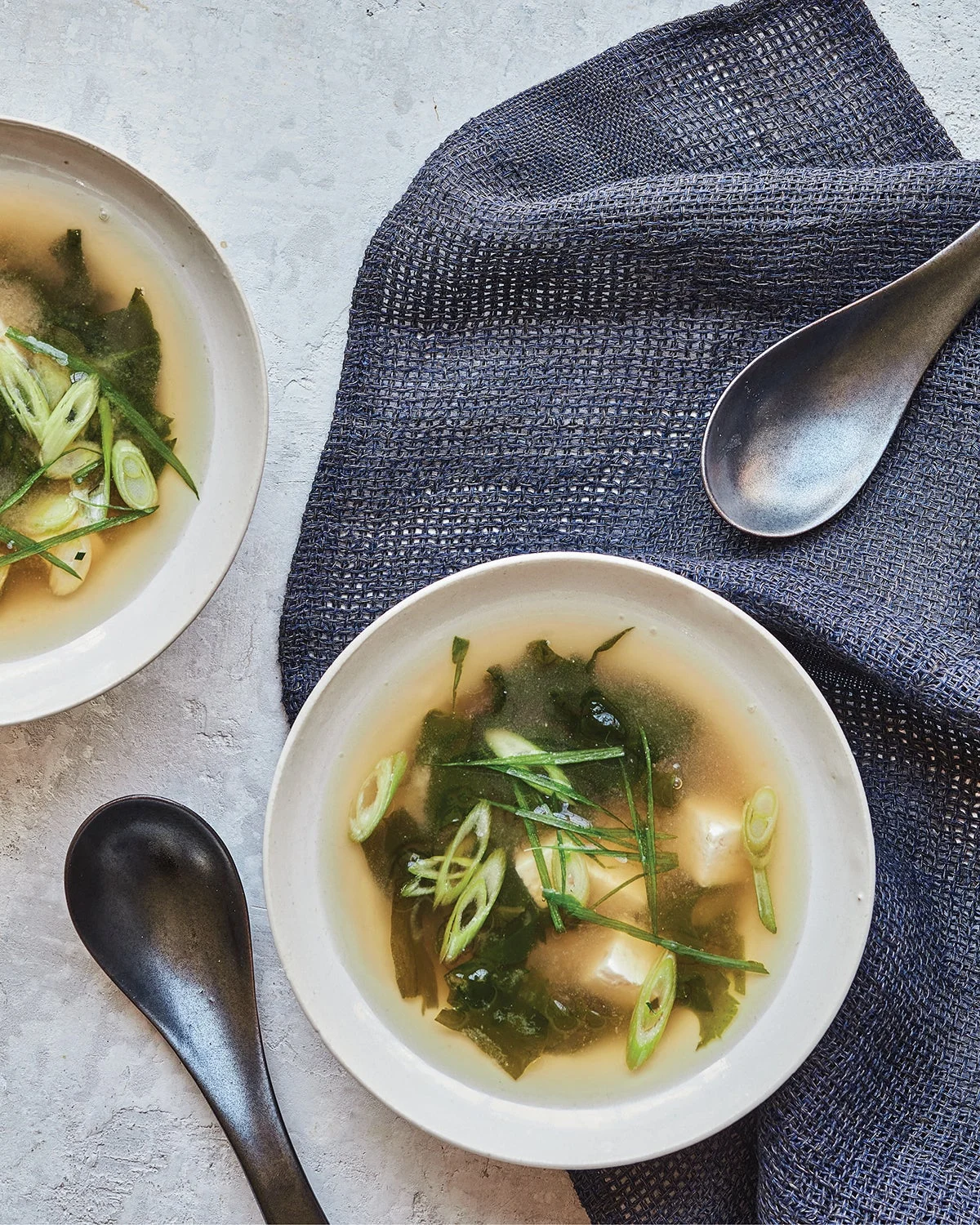
The seemingly simple bowl of miso soup, a staple in Japanese cuisine, is a testament to the profound depth achievable through meticulous preparation and high-quality ingredients. Far from being a mere accompaniment, miso soup, particularly when crafted with traditional dashi, represents a cornerstone of Japanese culinary philosophy, emphasizing umami, balance, and the seasonality of its components. This article delves into the nuanced process of creating authentic miso soup, dissecting each step from the foundational dashi to the final garnish, and exploring the cultural significance and culinary science behind this beloved dish.
The Foundation of Flavor: Crafting Authentic Dashi
The soul of authentic miso soup lies in its dashi, the fundamental Japanese stock. The provided instructions outline a straightforward yet precise method for creating this essential liquid. Step one initiates the process by combining kombu, a dried kelp rich in glutamic acid, with four cups of water in a medium pot. The crucial element here is the soaking period, a minimum of 30 minutes, which allows the kombu to gently release its flavor compounds into the water without introducing bitterness. This passive infusion is a critical differentiator from simply boiling ingredients, aiming for a subtle extraction that forms the pure umami base.
Step two elevates the dashi by introducing katsuobushi, dried, fermented, and smoked skipjack tuna flakes. Bringing the kombu-infused water to a boil signifies the transition from passive infusion to active extraction. The brief cooking time for the katsuobushi, a mere 10 seconds, is a deliberate technique. Overcooking katsuobushi can lead to a fishy or bitter taste, compromising the delicate balance of the dashi. The subsequent two-minute resting period allows the katsuobushi to further infuse its complex, smoky, and savory notes into the broth. The straining process, employing a fine-mesh strainer lined with cheesecloth, ensures a crystal-clear dashi, free from any particulate matter that could affect its texture and clarity. The instructions also provide valuable information regarding storage: dashi can be refrigerated in an airtight container for up to a week or frozen for up to a month, highlighting its versatility as a foundational element in various Japanese dishes.
The Science of Umami and Kombu
Kombu’s contribution to dashi is primarily through its high concentration of glutamic acid, one of the key compounds responsible for the fifth taste, umami. Research published in journals like Bioscience, Biotechnology, and Biochemistry has detailed the extraction of glutamates from kombu during the soaking and gentle heating process. Glutamic acid is known for its ability to enhance and round out other flavors, creating a more complex and satisfying taste profile. The initial soaking period is theorized to facilitate the diffusion of glutamic acid from the kelp into the water, a process that is temperature-dependent. While boiling kombu can release some flavor, it also risks extracting undesirable compounds, hence the preference for gentle heating or soaking.
The Role of Katsuobushi
Katsuobushi, on the other hand, brings a different facet of umami to the dashi, primarily through inosinic acid, another potent umami-contributing compound. The combination of glutamic acid from kombu and inosinic acid from katsuobushi creates a synergistic effect, amplifying the overall umami sensation. This phenomenon, often referred to as "umami synergy," is a cornerstone of Japanese cooking and explains why a simple broth made from these two ingredients can be so profoundly flavorful. The drying, smoking, and fermentation processes involved in creating katsuobushi contribute to its characteristic aroma and complex flavor profile, adding depth and a subtle smoky character to the dashi.
Hydrating the Seaweed: Preparing Wakame
Step three focuses on the inclusion of wakame, a type of edible seaweed. The process involves rehydrating dried wakame by covering it with cold water and allowing it to soak for approximately 10 minutes until soft. This simple step revitalizes the seaweed, returning it to a pliable and tender state, ready to be incorporated into the soup. Draining the wakame thoroughly is important to prevent the soup from becoming overly diluted.
Nutritional Profile of Wakame
Wakame is not only a flavor enhancer but also a nutritional powerhouse. It is a good source of iodine, essential for thyroid function, and contains various vitamins, minerals, and dietary fiber. Its low calorie count makes it a healthy addition to any meal. Historically, seaweed consumption has been a vital part of the Japanese diet, contributing to the nation’s longevity and general health. Various studies have linked regular consumption of sea vegetables like wakame to improved cardiovascular health and a reduced risk of certain chronic diseases.
Assembling the Symphony: The Final Steps
The culmination of the miso soup preparation occurs in step four. The strained dashi is returned to the pot and brought back to a boil over medium-high heat. The heat is then reduced to low, and the tofu is added and simmered for about a minute until heated through. Tofu, typically silken or medium-firm, adds a creamy texture and a mild, complementary flavor. The key here is to heat the tofu gently, preserving its delicate structure.
The crucial moment arrives as the heat is turned off. Miso paste, the star ingredient, is added to a small bowl, and a ladleful of the hot dashi is used to dissolve it. This pre-dissolving technique is vital. Adding miso paste directly to a vigorously boiling soup can diminish its delicate aroma and flavor, and the heat can also negatively impact the beneficial probiotics present in unpasteurized miso. Whisking the miso with dashi until smooth ensures an even distribution throughout the soup. The dissolved miso mixture is then gently stirred into the pot, followed by the rehydrated wakame and thinly sliced scallions. Serving immediately emphasizes the freshness of the ingredients and the optimal temperature for enjoying the complex interplay of flavors.
The Art of Miso Paste Selection
Miso paste itself is a fermented product made from soybeans, rice, or barley, combined with a salt starter culture called koji. The type of miso used significantly impacts the flavor profile of the soup. Red miso (aka miso) is fermented for longer, resulting in a robust, salty, and deeply savory flavor. White miso (shiro miso) is fermented for a shorter period, offering a milder, sweeter, and more delicate taste. Yellow miso (shinshu miso) falls somewhere in between. The choice of miso often depends on regional preferences and the desired intensity of the soup. The instructions, by not specifying a particular type of miso, implicitly allow for this variation, encouraging a personalized approach to the dish.
The Importance of Gentle Heating
The careful temperature control throughout the final stage of preparation is not merely about cooking time but about preserving the integrity of the ingredients. The gentle simmering of tofu ensures it remains tender. Turning off the heat before incorporating the miso is a deliberate act to protect the miso’s nuanced flavors and the potential probiotic content. This focus on gentle heating is a hallmark of Japanese cooking, where subtlety and ingredient preservation are paramount.
Broader Implications and Culinary Philosophy
The meticulous process described for making miso soup offers a window into the broader principles of Japanese culinary arts. The emphasis on high-quality ingredients, the understanding of flavor synergy (like that between kombu and katsuobushi), and the respect for the natural properties of each component are all deeply ingrained in the culture.
Historical Context of Miso Soup
Miso soup has a long and rich history in Japan, dating back to at least the Muromachi period (1336-1573). Initially, it was a more rudimentary broth, but over centuries, it evolved into the sophisticated dish it is today, incorporating a wider array of ingredients and refining preparation techniques. Its ubiquess presence at Japanese tables, from humble homes to high-end restaurants, underscores its status as a culinary icon. It is often served at breakfast, lunch, and dinner, providing a comforting and nourishing element to every meal.
Supporting Data and Nutritional Significance
Globally, miso soup is recognized not just for its taste but also for its potential health benefits. Studies have explored the link between regular consumption of fermented foods like miso and improved gut health due to the presence of probiotics. Furthermore, the ingredients themselves contribute to a balanced nutritional profile. The low calorie count of dashi, combined with the protein from tofu and the vitamins and minerals from wakame and scallions, makes it a wholesome choice. In a world increasingly focused on functional foods and mindful eating, miso soup stands as an exemplary example of a dish that nourishes both body and soul.
Expert Perspectives (Inferred)
Culinary historians and chefs specializing in Japanese cuisine often highlight the "less is more" philosophy embodied by miso soup. They emphasize that the true artistry lies not in adding more ingredients, but in mastering the technique and sourcing the best possible components to allow their natural flavors to shine. The precise soaking times for kombu, the delicate handling of katsuobushi, and the careful dissolution of miso are not arbitrary steps but rather the result of generations of culinary refinement. A hypothetical statement from a renowned Japanese chef might read: "The beauty of miso soup is its deceptive simplicity. Each element must be treated with respect, from the very beginning of making the dashi. It is a practice in patience and an ode to the ocean and the land."
Analysis of Implications
The enduring popularity of miso soup suggests a societal appreciation for dishes that are both comforting and healthful, and that can be adapted to individual preferences while adhering to core principles. Its relatively simple preparation, as outlined, makes it accessible to home cooks, further contributing to its widespread adoption. In an era where food trends often prioritize novelty, the timeless appeal of miso soup demonstrates the power of tradition and the fundamental importance of well-executed basic culinary techniques. The ability to store dashi for future use also speaks to a culture that values efficiency and resourcefulness in the kitchen. The recipe, in its essence, is a masterclass in transforming a few key ingredients into a profoundly satisfying culinary experience, embodying the spirit of Japanese gastronomy: a harmonious blend of nature, technique, and tradition.