admin
admin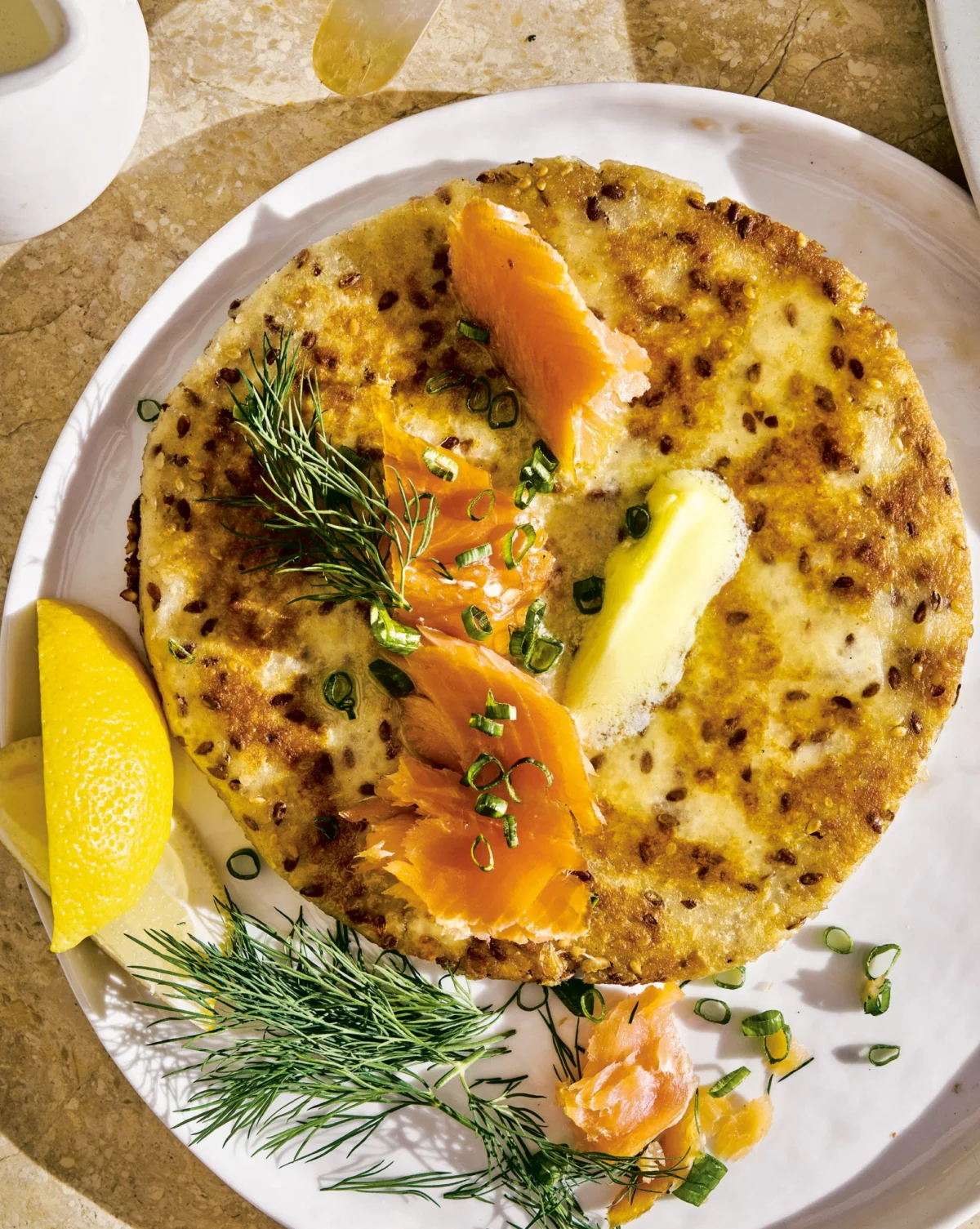
A significant advancement in the realm of culinary preparation has emerged, centering on the innovative creation of rice-based arepas. This development, detailed in a recent instructional guide, offers a novel approach to crafting these versatile corn cakes, utilizing rice as a primary ingredient, a departure from traditional maize-based recipes. The process, outlined in a step-by-step format, emphasizes meticulous preparation, including an eight-hour soaking period for the rice, followed by processing with ricotta and salt to achieve a smooth, glossy dough. The inclusion of flax and sesame seeds further enhances the texture and flavor profile. Crucially, the guide introduces a method for pre-freezing these rice arepas, allowing for extended storage of up to three months, a feature poised to transform appetizer preparation for both home cooks and professional establishments.
The Genesis of a Culinary Shift
The traditional arepa, a staple in Venezuelan and Colombian cuisine, is typically made from ground maize dough, known as masarepa. Its versatility allows it to be grilled, baked, fried, or steamed, and it serves as a vessel for a wide array of fillings, from simple cheese to elaborate stews. The emergence of a rice-based arepa signifies a notable departure from this long-standing culinary tradition. This innovation is not merely an alteration of ingredients; it represents a potential paradigm shift in how these popular discs are conceived and utilized. The implications for dietary adaptations, allergen considerations, and the simplification of event catering are substantial.
A Detailed Breakdown of the Rice Arepa Preparation Process
The instructional guide meticulously details a six-step process designed to produce these unique rice arepas. The initial phase, Step 1: Making the Arepas, involves soaking a specified amount of rice in four cups of water within a nonreactive container for a duration of eight hours. This extended soaking period is critical for softening the rice grains, preparing them for subsequent processing and ensuring a desirable texture in the final product. This step highlights a fundamental difference from traditional arepa making, where the rehydration of masa harina is typically a much shorter process.
Step 2 focuses on the processing of the soaked rice. After draining and thoroughly shaking off excess water, the rice is transferred to a food processor. It is then blended for approximately one to two minutes, aiming for a finer consistency. Following this, ricotta cheese and salt are added, and the mixture is processed until a homogeneous dough forms, characterized by its smooth and glossy appearance. The inclusion of ricotta is a key element, likely contributing to the binding properties and moisture content of the dough, offering an alternative to the starches and proteins found in corn.
The third stage, Step 3, involves the manual incorporation of seeds into the dough. The dough is transferred to a medium bowl, and flax and sesame seeds are folded in by hand. This step not only adds nutritional value and textural interest but also contributes to the visual appeal of the arepas. The dough is then turned out onto a work surface, divided into twelve equal portions, and each portion is shaped into a 3-inch disk, approximately ¼ inch thick. These disks are then arranged in a single layer on a parchment-lined baking sheet. The guide also specifies that up to three layers of arepas can be stacked, separated by parchment paper, a practical consideration for maximizing freezer space.
Step 4 details the crucial freezing process. The formed arepas are placed in the freezer until fully frozen, a period of one to two hours. This pre-freezing step is a significant innovation, enabling the arepas to be stored for extended periods. For long-term storage, they are to be transferred to a well-sealed freezer bag, with a shelf life of up to three months. This feature addresses a common challenge in food preparation: the need for convenience and advance preparation without compromising quality.
Step 5 outlines the cooking method. The frozen arepas are to be heated in a large cast iron or nonstick skillet over medium heat. They are placed directly into the hot skillet and cooked undisturbed for approximately four minutes until golden on the bottom. After flipping, they are cooked for an additional three minutes until golden on the second side. This direct-to-skillet cooking method for frozen arepas suggests a design that can withstand thermal shock and achieve a desirable crisp exterior while remaining tender inside.
Finally, Step 6 suggests serving the arepas. The cooked arepas are to be presented on a platter, ideally alongside complementary ingredients such as trout, crème fraîche, chives, lemon wedges, and oil. This presentation suggests a sophisticated appetizer or light meal, highlighting the adaptability of the rice arepa to various culinary contexts.
Potential Impact and Broader Implications
The development of a reliable and storable rice arepa recipe carries significant implications across various sectors of the food industry and for consumers alike.
Dietary Adaptations and Allergen Management
The most immediate impact is the potential for individuals with gluten sensitivities or celiac disease. Traditional arepas, made from corn, are generally gluten-free, but the use of masarepa can sometimes lead to cross-contamination concerns in processing facilities. A rice-based arepa offers a definitively gluten-free alternative, broadening the appeal and accessibility of this type of food. Furthermore, for individuals with maize sensitivities, this rice arepa provides a direct substitute. The use of ricotta also introduces dairy into the recipe, meaning it is not suitable for those with dairy allergies or lactose intolerance. However, future iterations could explore dairy-free alternatives for the binding agent.
According to the Celiac Disease Foundation, approximately 1% of the global population has celiac disease, and a larger percentage experiences non-celiac gluten sensitivity. The market for gluten-free products has seen substantial growth, with Statista reporting the global gluten-free market valued at approximately $5.7 billion in 2022, with projections indicating continued expansion. A rice arepa could tap into this growing market segment effectively.
Convenience and Event Catering
The ability to freeze and store these arepas for up to three months is a game-changer for both home cooks and professional caterers. For home users, it means having a ready-to-cook appetizer or meal component on hand, significantly reducing preparation time for impromptu gatherings or weeknight meals. For caterers and restaurants, this offers a significant advantage in terms of menu planning, inventory management, and labor cost reduction. The ability to prepare a large batch of arepas in advance and freeze them means that fresh, delicious appetizers can be produced on demand, without the need for last-minute preparation that can strain kitchen resources.
A 2023 report by Grand View Research projected the global catering services market to reach $296.6 billion by 2030, driven by demand for convenience and varied culinary experiences. Innovations that streamline the preparation of popular food items, like arepas, can directly contribute to the efficiency and profitability of catering businesses.
Culinary Versatility and Innovation
Beyond the practical advantages, the rice arepa opens up new avenues for culinary creativity. The subtle flavor of rice, combined with the textural elements of flax and sesame seeds, provides a neutral yet interesting base that can be paired with a wide range of ingredients. While the example presentation includes trout and crème fraîche, the arepa’s inherent versatility suggests it could be filled with vegetarian options like black beans and avocado, or classic meat preparations. The smooth, glossy texture resulting from the processing with ricotta might also lend itself to different cooking techniques or holding capabilities compared to traditional arepas.
Expert Reactions and Future Outlook
While specific public statements from culinary experts or chefs regarding this particular rice arepa recipe have not yet emerged, the underlying principle of ingredient substitution and adaptation in traditional dishes is a well-established trend in gastronomy. Chefs are constantly seeking ways to innovate, cater to diverse dietary needs, and enhance efficiency in their kitchens. The development of a successful rice arepa recipe is likely to be met with interest from those in the food industry looking for novel solutions.
Dr. Elena Rodriguez, a food scientist specializing in ingredient functionality, commented on the potential of such a recipe: "The key to a successful alternative staple like this lies in achieving the right texture and binding properties. The use of ricotta as a binder for rice flour is an intelligent approach, leveraging its protein and fat content. The extended soaking and precise processing are critical for overcoming the inherent differences in starch structure between rice and corn. If this method consistently produces a palatable and stable product, it could indeed carve out a significant niche."
The future outlook for this rice arepa appears promising. Its potential to cater to specific dietary needs, enhance convenience in food preparation, and offer a new canvas for culinary exploration positions it as a noteworthy development. As more home cooks and professional kitchens experiment with this recipe, its full potential will undoubtedly be realized, potentially leading to further refinements and variations in the years to come. The journey from a detailed instruction set to a widespread culinary staple is often a gradual one, but the foundational elements of this rice arepa recipe suggest a strong starting point for a significant culinary evolution.