admin
admin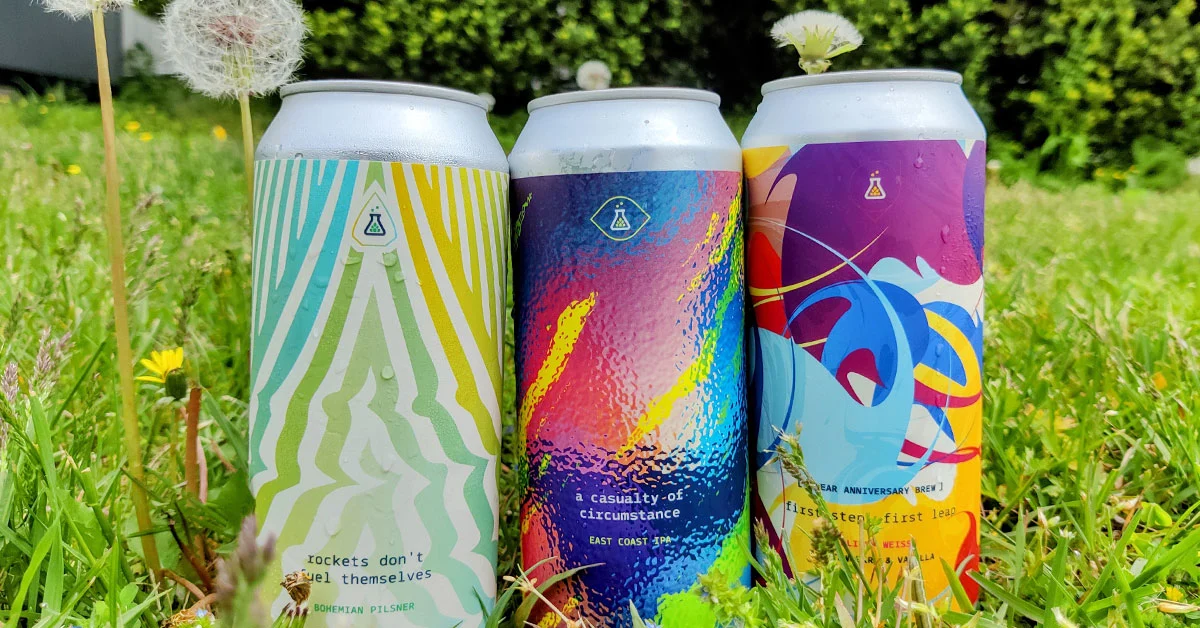
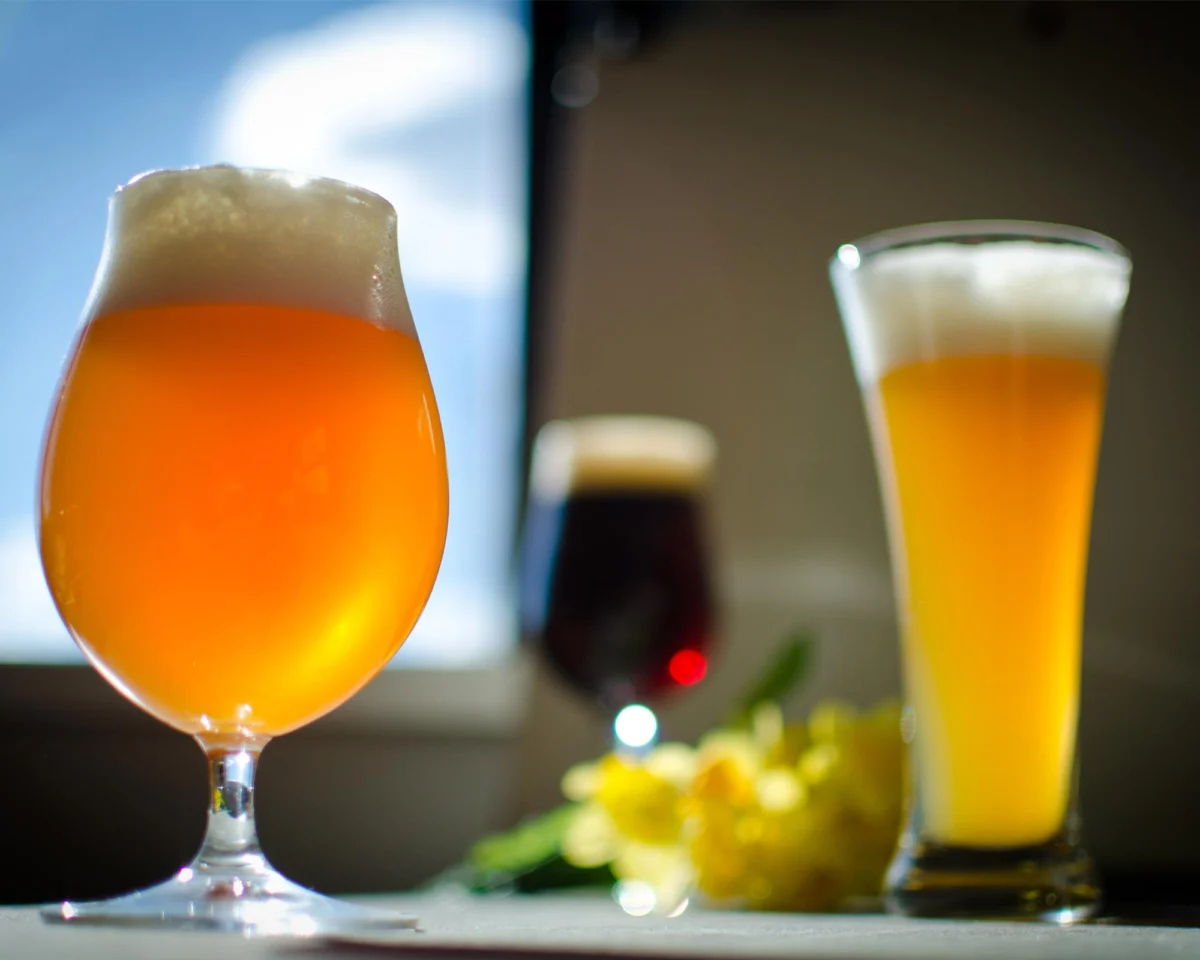
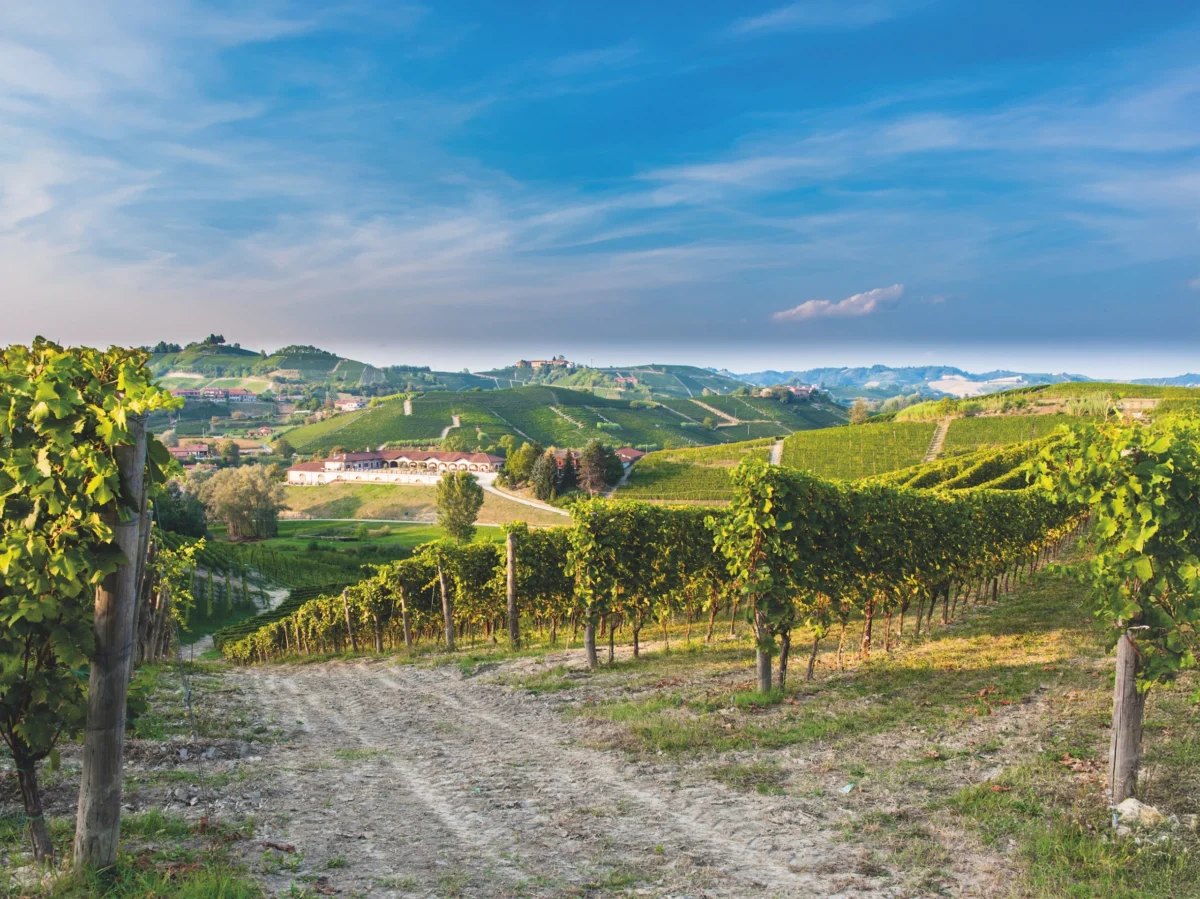
For decades, the North Fork of Long Island has held a prestigious title as the "Napa Valley of the East." This 30-mile stretch of maritime landscape, defined by its glacial soil and temperate climate, became synonymous with world-class viticulture, drawing millions of visitors annually to its sprawling vineyards and tasting rooms. However, a significant shift in the region’s beverage landscape is currently underway. While Cabernet Franc and Sauvignon Blanc remain staples of the local economy, a burgeoning craft beer movement is transforming the North Fork into a diversified "alcohol trail," where IPAs, Pilsners, stouts, and sours now command equal attention from locals and tourists alike.
The evolution of the North Fork from a monochromatic wine region to a multifaceted craft beverage hub is the result of a decade-long expansion. What was once a niche industry has matured into a sophisticated ecosystem of independent breweries that leverage the area’s agricultural heritage. This growth is not merely a trend but a structural change in the region’s tourism model, driven by legislative support, entrepreneurial innovation, and a deep-seated commitment to "terroir"—the characteristic taste and flavor imparted to a product by the environment in which it is produced.
A Chronology of the North Fork Brewing Movement
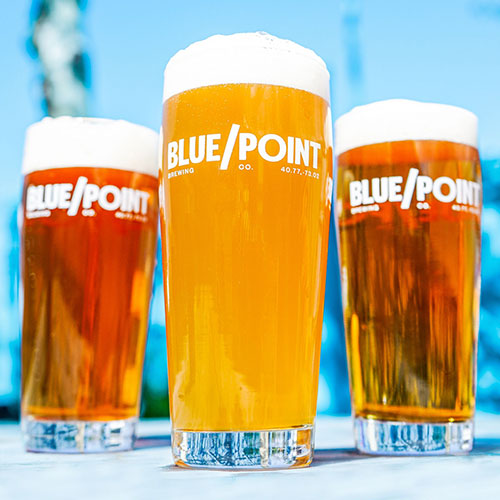
The roots of the Long Island craft beer movement can be traced back to 1998 with the founding of Blue Point Brewing Company in Patchogue. While located on the South Shore, Blue Point served as the regional vanguard, proving that Long Island consumers had an appetite for artisanal alternatives to mass-produced lagers. However, the North Fork’s specific brewing identity did not begin to crystallize until 2009, with the opening of Greenport Harbor Brewing Company.
Founded by John Liegey and Rich Vandenburgh in a renovated old firehouse in the village of Greenport, the brewery acted as an anchor for the eastern end of the peninsula. At the time, the concept of a "brewing oasis" in the heart of wine country was a novelty. The success of Greenport Harbor paved the way for a second wave of development, catalyzed significantly by the New York State Craft Act of 2012. This legislation lowered taxes and eased regulations for "farm breweries" that used a specific percentage of New York-grown ingredients, incentivizing a new generation of brewers to set up shop in agricultural zones.
Between 2014 and 2021, the North Fork saw a rapid influx of talent. Twin Fork Beer Co. began its operations in 2014, followed by the establishment of Jamesport Brewery, Eastern Front Brewing, and North Fork Brewing Company. Most recently, the 2021 opening of Übergeek Brewing in Riverhead signaled the arrival of a more experimental, science-forward approach to the craft, further diversifying the local portfolio.
The Anchor of the East: Greenport Harbor’s Expansion
Greenport Harbor Brewing Company remains the most prominent example of the scale at which North Fork brewing now operates. Over the past 16 years, the company has expanded from its modest origins to include a massive production facility and taproom in Peconic. This second location, situated on several acres along the Main Road, serves as a quintessential example of modern agrotourism. It features a state-of-the-art kitchen, extensive outdoor seating, and live entertainment, mimicking the hospitality model long perfected by neighboring wineries.
Head brewer Sean Galligan, a pioneer in the local scene, emphasizes the importance of regional ingredients in maintaining the brewery’s identity. Galligan utilizes New York State-grown malt for several of his flagship offerings. The brewery’s lineup reflects a balance between traditional styles and innovative local infusions. Their "Harbor Ale" provides a citrusy American-style experience, while the "Otherside IPA" caters to the demand for West Coast-style bitterness.
Perhaps most representative of the North Fork’s agricultural synergy is the "Lucha Lager," which incorporates sea salt and key limes, and the "Black Duck Porter," which offers a rich, toasty profile suitable for the region’s cooler autumn months. During the late summer harvest, Galligan sources Cascade and Willamette hops directly from Orient Point. These hops are harvested in the early morning and integrated into "fresh hop" limited releases that same day, providing a flavor profile that is impossible to replicate with dried or pelletized hops.
Scientific Innovation and the "Übergeek" Philosophy
While Greenport Harbor represents the established guard, Übergeek Brewing in Riverhead represents the avant-garde evolution of the scene. Founded by Rob Raffa, a former physics and astrophysics student, the brewery reflects a marriage of scientific precision and existential creativity. Raffa’s journey began at the now-defunct Moustache Brewing, where he honed his skills before launching Übergeek as a nomadic brewing operation, eventually taking over the Moustache space in early 2021.
The growth of Übergeek has been exponential. Starting with only four fermenters, the facility is currently expanding to 24 units, with plans to double its brewhouse capacity this winter. This expansion is a direct response to the robust demand from the North Fork’s "alcohol trail" visitors.
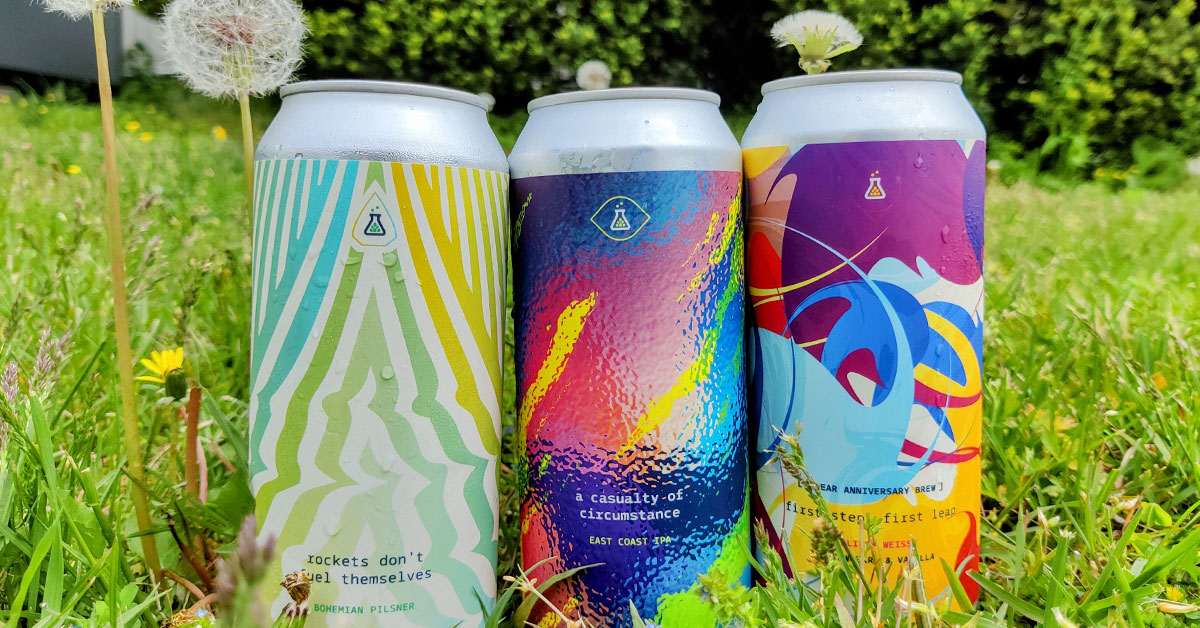
Raffa’s beers are known for their complex profiles and evocative, often philosophical, names. Titles such as "A Casualty of Circumstance" (a citrusy East Coast IPA) and "Space Age Times, Stone Age Minds" (a double IPA with mango and pineapple notes) suggest a level of intellectual engagement that transcends standard marketing. Raffa views his brewery as a necessary component of the local tourism landscape, noting that while wine is the primary draw, a significant portion of the visiting demographic seeks variety.
Terroir and the Symbiotic Relationship with Local Farming
A defining characteristic of North Fork brewing is its deep integration with the local farming community. Peter Barraud, founder of the North Fork Brewing Company, has made "terroir" the cornerstone of his business model. By utilizing ingredients from Peconic River Herb Farm, Herricks Lane Farm, and CJ Van Bourgondien Greenhouses, Barraud creates beers that are literal liquid representations of the local soil.
His seasonal rotations, which include up to 80 different beers a year, often feature foraged ingredients and niche produce. This summer, Barraud produced a series of fruited beers using peaches, strawberries, and blueberries from Lewin Farms in Calverton. One notable creation involved an ancho chile-infused Pilsner, which combined the heat and smokiness of the peppers with the crispness of a traditional lager.
This reliance on local agriculture creates a symbiotic economic relationship. Farmers find new wholesale markets for their "seconds" or niche herbs, while brewers gain access to fresh, high-quality adjuncts that distinguish their products in a crowded national market. This "grain-to-glass" philosophy mirrors the "farm-to-table" movement that has long defined the North Fork’s culinary scene.
Economic Impact and the Diversification of Tourism
The rise of craft beer on the North Fork has provided a significant boost to the local economy, particularly by extending the tourism season. While the wine harvest is a major draw in September and October, breweries often see steady traffic throughout the winter and spring, thanks to indoor taprooms and a consistent schedule of community events.
Peter Chekijian, co-founder of Twin Fork Beer Co., notes that the relationship between wineries and breweries is complementary rather than competitive. "We are riding the coattails of the wine business," Chekijian admitted. The presence of breweries allows large groups—often arriving via bike tours or buses—to satisfy diverse preferences. Many local wineries have even begun stocking North Fork beers in their tasting rooms, acknowledging that a "beer option" is essential for modern hospitality.
Data from the New York State Brewers Association indicates that the craft beer industry contributes over $5 billion annually to the state’s economy. On the North Fork, this contribution is felt through job creation in manufacturing, hospitality, and agriculture. Furthermore, collaborations between industries are becoming more common. Greenport Harbor’s award-winning "Collaborations" beer, which was conditioned on Carménère grapes from Osprey’s Dominion vineyard, recently won silver at the 2024 New York State Craft Beer Competition, proving that the intersection of grapes and grains can produce world-class results.
Future Outlook: A Sustained Brewing Oasis
As the North Fork continues to evolve, the distinction between "wine country" and "beer country" is blurring into a unified identity as a premier craft beverage destination. The infrastructure for brewing is expanding, with more taprooms, larger production facilities, and increasingly sophisticated distribution networks.
The success of these breweries suggests that the North Fork’s future lies in its ability to offer a comprehensive sensory experience. Visitors no longer have to choose between a vineyard and a brewery; they can experience both within a five-mile radius. With a commitment to local ingredients, scientific innovation, and a collaborative spirit, the brewers of the North Fork have successfully carved out a permanent place in the landscape of the Napa Valley of the East.
The emergence of this "brewing oasis" is a testament to the resilience and creativity of Long Island’s entrepreneurs. By honoring the land and the agricultural traditions of the North Fork, these breweries have ensured that the region remains a bountiful destination for generations of drinkers to come, regardless of whether they prefer a glass of Cabernet or a pint of IPA.