admin
admin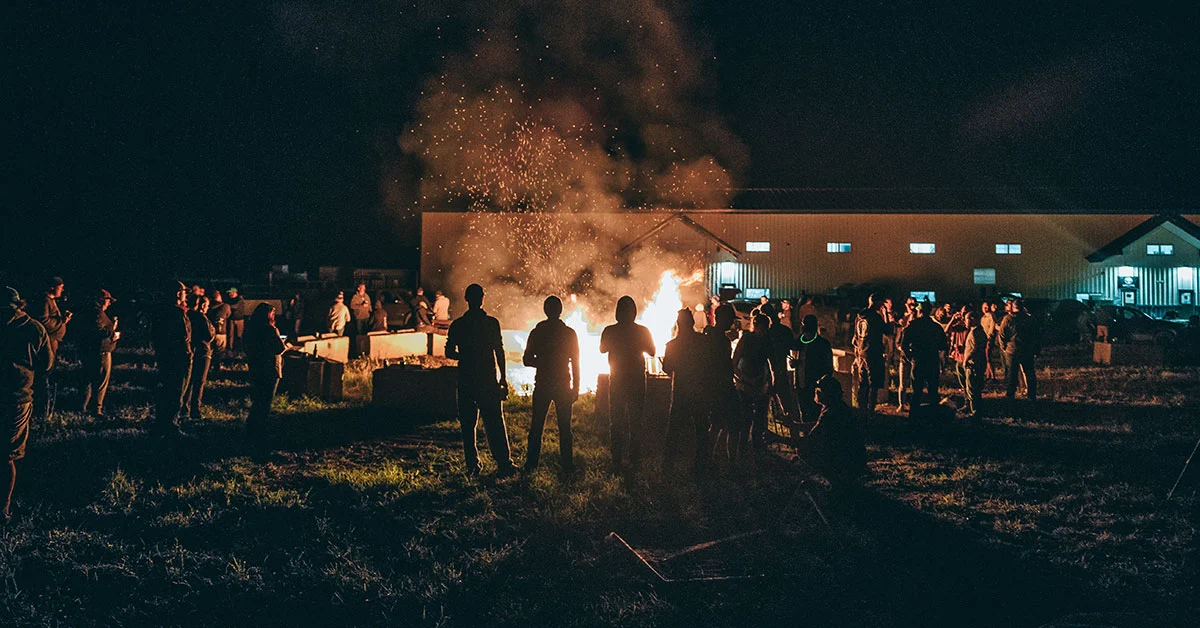
In the historic town of Mount Olive, North Carolina—a community globally recognized for its namesake pickle production—Ryan Roberts, the owner of R&R Brewing, faced a challenge common to many small business owners: the optimization of physical assets. Since opening his doors in 2018, Roberts had successfully established a local hub for craft beer, complete with a fenced-in yard designed for food trucks and community gatherings. However, a persistent observation troubled him: while the outdoor space was utilized, many patrons remained in the yard, never venturing into the taproom to engage more deeply with the brand. Furthermore, the land represented a fixed cost in taxes and maintenance that was not generating its maximum potential yield.
The solution emerged in the fall of 2020, a year that redefined domestic travel and outdoor recreation. Roberts partnered with Harvest Hosts, a membership-based network that connects self-contained RV travelers with unique overnight stays at farms, wineries, and breweries. The investment was minimal—approximately $60 for signage—but the return was immediate. By providing flat ground for travelers to park, Roberts transformed underutilized "dirt" into a revenue-generating asset. These campers, often seeking an alternative to the sterile environment of big-box retail parking lots, became a captive audience, frequently spending $80 or more on pints and merchandise during their stay.
This shift at R&R Brewing is emblematic of a broader trend within the American craft beer industry. As the market reaches a state of maturation and high density—with nearly 10,000 breweries operating across the United States—the novelty of local beer alone is no longer a guaranteed draw. To maintain growth and consumer interest, breweries are increasingly pivoting toward "experiential tourism," repurposing their acreage to offer overnight accommodations that range from primitive tent sites to boutique RV parks with full utility hookups.
The Convergence of the Craft Beer and Camping Booms
The integration of camping and brewing is supported by significant demographic and behavioral shifts. According to data from the camping platform The Dyrt, approximately 45 percent of campers report bringing beer on their trips, with 37 percent of those specifically favoring craft varieties. This overlap in consumer bases has created a natural synergy between the two industries.
The "camping boom" of the early 2020s, accelerated by pandemic-era desires for socially distanced recreation, has led to a shortage of traditional accommodations. With national and state park reservations often booked months in advance, private landowners have stepped in to fill the void. Platforms like Harvest Hosts and Hipcamp have become essential intermediaries, allowing breweries to monetize their parking lots and back-forty acreage while providing travelers with safe, scenic, and socially engaging places to stay.
Kevin Long, CEO of The Dyrt, notes that breweries represent a particularly high-value "untapped resource." The value proposition for the consumer is clear: the ability to enjoy multiple craft beverages in a taproom setting without the logistical or safety concerns of driving to a remote hotel or campsite. This "stay-and-play" model fosters a deeper brand connection and increases the average transaction value per visitor.
A Chronology of Strategic Land Use
The timeline of this trend reveals a progression from informal arrangements to highly structured hospitality operations.
2017–2018: The Early Adopters
Before the pandemic-induced surge, breweries like Golden Grove Farm & Brew in Piedmont, South Carolina, were already experimenting with multi-use land strategies. Situated on 100 acres near the heavily trafficked Interstate 85, co-founder Andrew Brown recognized that his property could serve as more than just a production facility. By integrating an 18-hole disc golf course and primitive camping, Golden Grove positioned itself as a destination for travelers moving through the Southeast. Brown’s strategy was simple: provide a reason to stop, and the sales of beer and merchandise would follow.
2020–2022: The Pandemic Pivot
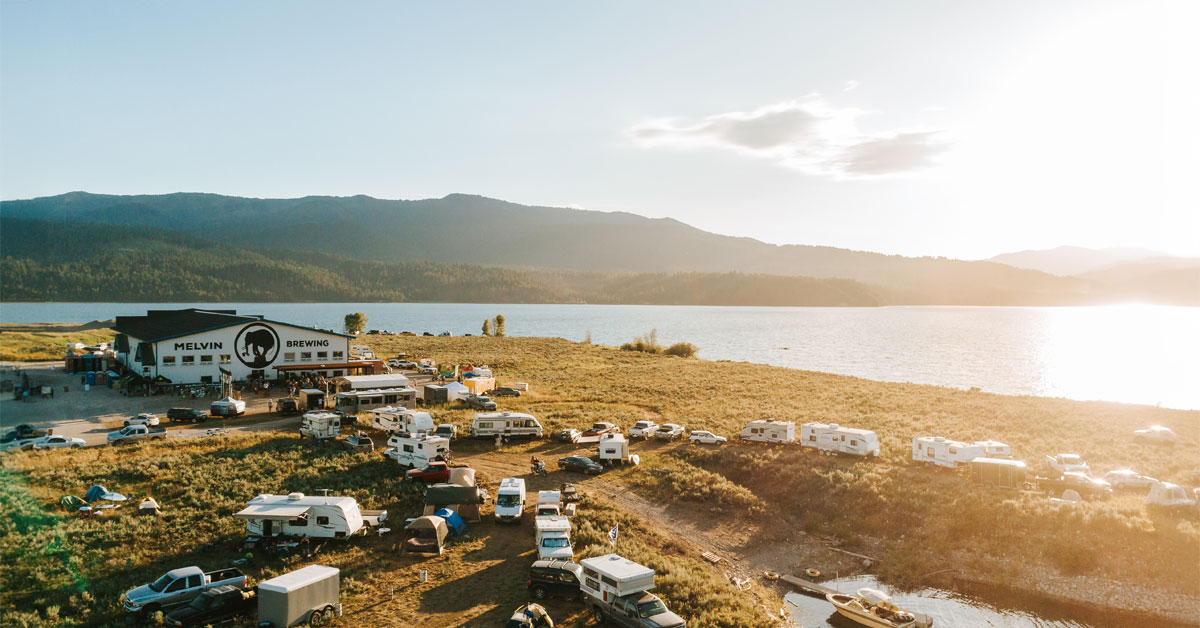
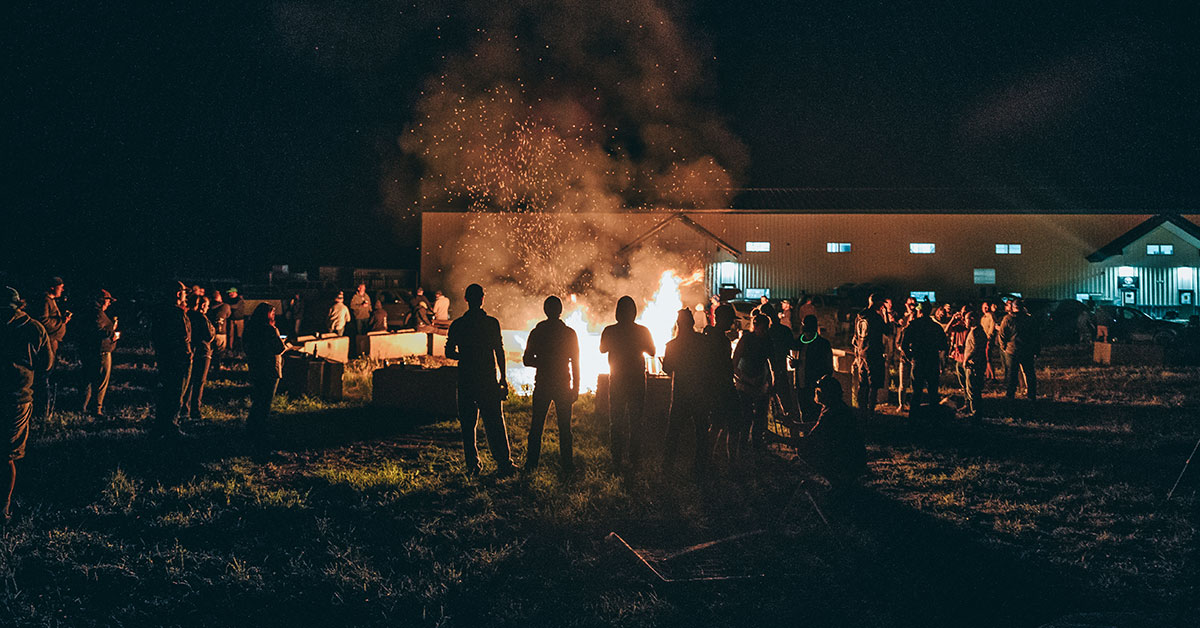
As indoor dining faced restrictions, the outdoor space became the primary revenue driver. In Alpine, Wyoming, Melvin Brewing utilized its proximity to the Palisades Reservoir and Bureau of Land Management (BLM) property to attract "dispersed campers." By offering a "wild and out of bounds" experience where guests could park for free and walk to the taproom, Melvin leaned into the rugged, adventurous branding that defines the Mountain West craft beer scene.
2023–Present: Full-Scale Integration
The most recent phase of this evolution involves the acquisition of existing campgrounds by brewery owners. In 2023, Doug Olsen purchased Indian Lake Adventures in Huntsville, Ohio, and subsequently launched Camp Brewing on the property. Unlike the "brewery-first" model, this "campground-first" approach ensures a built-in customer base. Olsen is currently expanding this concept to a second location, Adventure Trails in Bellefontaine, Ohio, citing the need to "play catch up" with the high demand for integrated beer and camping experiences.
Diversifying the Experience: Urban vs. Rural Models
The brewery-camping model is not limited to sprawling rural estates; it has been successfully adapted to urban and agricultural settings, each offering a distinct value proposition.
In Colorado Springs, Mash Mechanix Brewing demonstrates the urban application of this trend. Co-owner and head brewer Leif Anderson, an avid camper himself, repurposed the brewery’s paved parking lot to accommodate Sprinter vans and smaller truck-bed campers. Despite the lack of traditional "nature," the site offers proximity to downtown tourist attractions and views of Pikes Peak. For urban breweries, the "camping" model functions as a specialized form of hospitality, attracting a demographic of travelers who prioritize convenience and local flavor over rustic seclusion.
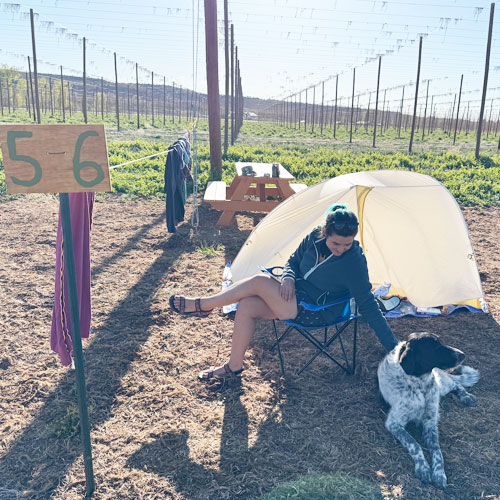
Conversely, Billy Goat Hop Farm in Montrose, Colorado, offers an educational immersion. By opening the "Down at the Hopyard" campground, owners allow guests to sleep alongside the very ingredients used in their beer. This "agritourism" model provides a transparent look at the supply chain, enhancing the consumer’s appreciation for the product. Audrey Gehlhausen, the farm’s president, emphasizes that knowing the origin of the hops creates a narrative that resonates with modern, "conscious" consumers.
Operational Challenges and Regulatory Hurdles
Despite the high return on investment, the transition into the camping industry presents significant operational complexities. Managing a campground requires a different skill set and regulatory framework than running a brewery.
- Licensing and Zoning: Breweries must navigate local zoning laws that may not account for overnight stays. In many jurisdictions, adding a campground requires special use permits, health department approvals for sanitation, and adherence to fire safety codes.
- Staffing: Hospitality for overnight guests is a 24-hour commitment. Unlike a taproom that closes at 10:00 PM, a campground may require on-site management to handle check-ins, noise complaints, or utility issues.
- Liquor Liability: The intersection of alcohol service and overnight accommodation requires careful legal navigation. For example, at Camp Brewing in Ohio, guests are permitted to bring their own alcohol to their campsites but are strictly prohibited from bringing outside beverages into the licensed taproom area. To-go options, such as growlers or plastic cups of "Pitch a Tent Pilsner," have become essential products for bridge-gap consumption.
The Role of Festivals and Immersive Events
Beer festivals have long been a staple of the industry, but the logistical challenge of transporting attendees to rural locations has often limited their growth. Camping provides a solution that transforms a four-hour tasting event into a multi-day immersive experience.
The Burning Foot Beer Festival in Muskegon, Michigan, utilizes its beachfront location on Lake Michigan to offer 300 campsites. Jimmy Hegedus, the festival’s beverage director, notes that camping solves the problem of limited local hotel capacity, allowing the event to scale while ensuring attendee safety.
However, the festival model is not without risk. Brewery Ommegang in Cooperstown, New York, a pioneer in brewery camping with its "Belgium Comes to Cooperstown" event, recently had to cancel its 2024 festival due to lower-than-projected ticket sales. This serves as a cautionary tale for the industry: while the "experience" is a powerful draw, it remains subject to broader economic pressures and shifting consumer spending habits.
Economic Impact and Future Implications
The shift toward brewery-based camping represents a strategic move toward "recess-proofing" the craft beer business. By diversifying revenue streams—collecting camping fees, increasing taproom sales, and driving merchandise turnover—breweries are creating more resilient business models.
For owners like Win and Lori Mitchell of Boothbay Craft Brewery in Maine, the goal is to create a "boutique RV park" that rivals traditional hospitality venues. By offering high-end amenities like smoked brisket, local oysters, and lobster rolls alongside their craft lagers, they are targeting a high-spending demographic that values both comfort and authenticity.
As the craft beer industry continues to navigate a crowded marketplace, the breweries that thrive will likely be those that view their property not just as a production site, but as a multi-dimensional destination. The "dirt" that Ryan Roberts sought to make more valuable in North Carolina has become a blueprint for a new era of American tourism—one where the journey ends not at a hotel, but at the foot of a fermentation tank. This evolution from a simple beverage provider to a comprehensive hospitality destination suggests that the future of craft beer is as much about where you drink it as it is about what is in the glass.