admin
admin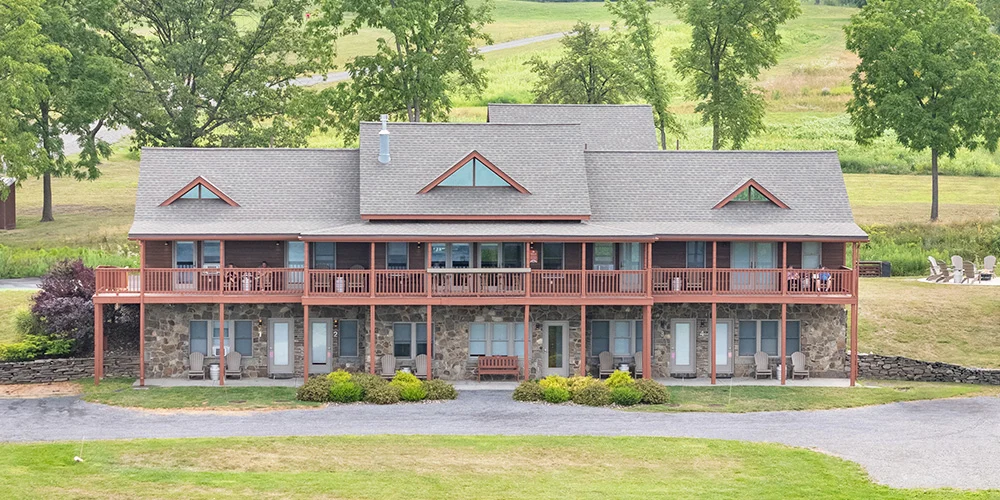
The American craft beer landscape is undergoing a significant structural shift as breweries move beyond the traditional taproom model to embrace the burgeoning experience economy. Across the United States, independent brewers are increasingly diversifying their portfolios by transforming rustic barns, mid-century bungalows, and landmark historic buildings into boutique accommodations. These "brewery stays" represent a strategic evolution in hospitality, allowing brands to offer enthusiasts a full-fledged getaway that reflects their specific ethos. From the rugged cliffs of the Columbia River Gorge to the refined alpine slopes of Vermont, these destinations are redefining the "beercation" from a simple tasting trip into a comprehensive lifestyle experience.
The Rise of Experiential Beer Tourism
The transition toward brewery-led lodging comes at a pivotal time for the craft beer industry. With over 9,500 breweries operating in the U.S. according to the Brewers Association, the market has reached a point of saturation where liquid quality alone is often insufficient for brand differentiation. Industry analysts note that modern consumers, particularly Millennials and Gen Z, prioritize "experiential spending" over passive consumption. For a brewery, providing overnight lodging is no longer merely an additional revenue stream; it is a powerful storytelling platform. By controlling the environment in which their product is consumed—from the thread count of the linens to the view from the balcony—brewers can forge a deep, emotional connection with their customer base that traditional retail or taproom visits cannot replicate.
This trend also addresses a logistical hurdle in beer tourism: the "last mile" of safety and convenience. By offering on-site accommodations, breweries eliminate the need for transportation after a tasting session, allowing guests to linger longer and engage more deeply with the brand’s offerings. This shift toward immersive hospitality is revitalizing rural economies and repurposing derelict historic structures, positioning breweries as anchor institutions in regional tourism.
Case Study: Cabin Culture and the Pacific Northwest Aesthetic
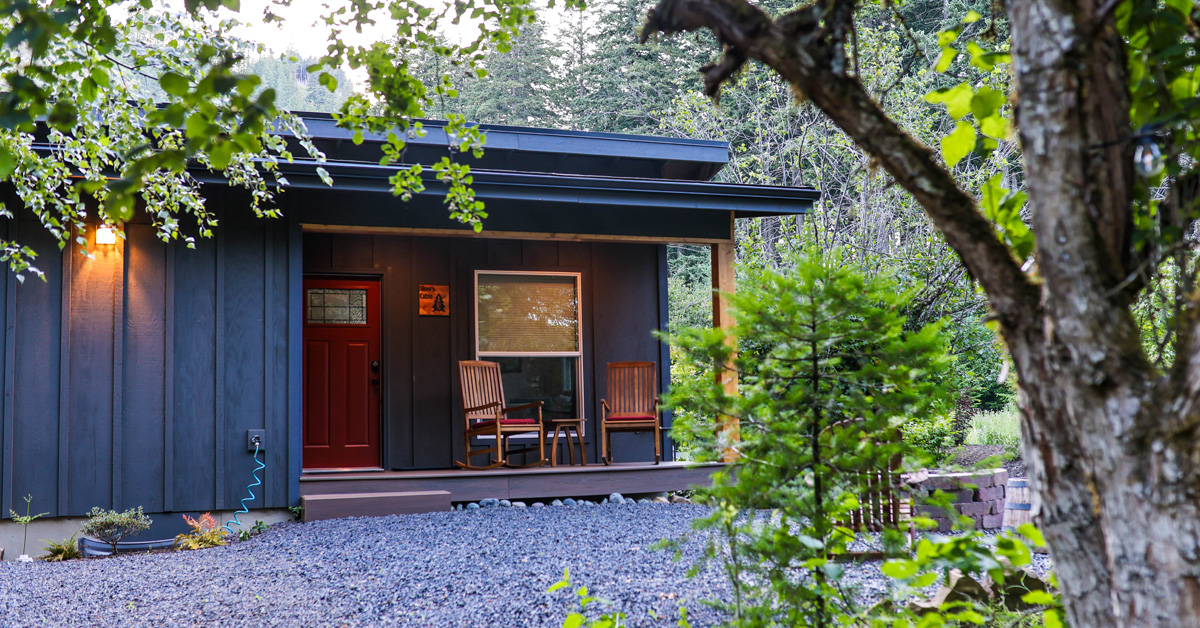
In Carson, Washington, the Backwoods Brewing Company serves as a primary example of how geography and brand identity can merge to create a unique lodging product. Located approximately one hour from Portland, Oregon, the brewery is situated in the heart of the Columbia River Gorge, a region defined by its rugged cliffs and forested hills. Recognizing that their clientele was already traveling significant distances to visit the taproom, the Waters family, who founded the brewery, identified an opportunity to extend the guest experience.
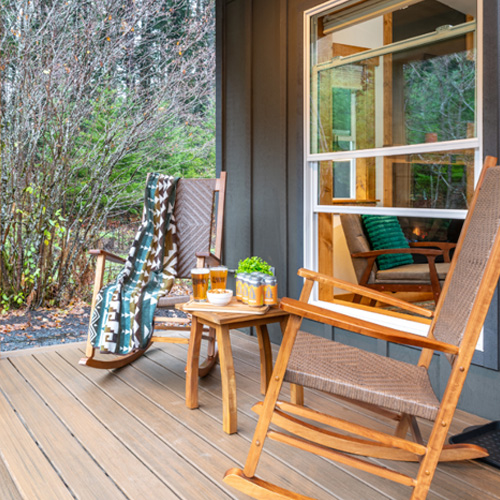
The resulting "Backwoods Cabins" consist of eight luxury-leaning units, each designed around a specific regional theme such as "The Hiker," "The Kayaker," and "The Stargazer." According to CEO Steve Waters, the goal was to create a space that felt like a natural extension of the brewery’s "easy-to-be-in" philosophy. The architectural approach blends "PNW cabin-core" aesthetics with modern comforts, featuring gas fireplaces, plush leather armchairs, and 600-thread-count linens.
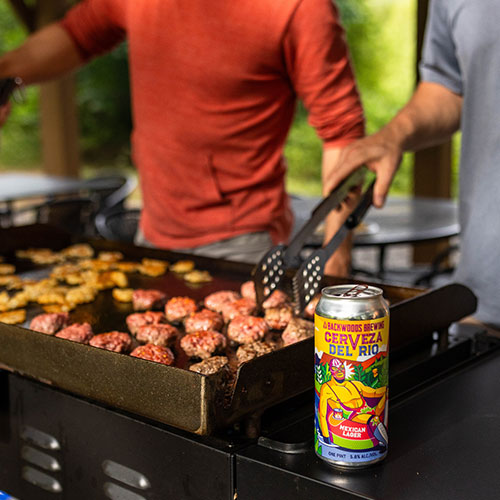
Strategically, Backwoods has integrated its product into the stay itself. Guests can opt for pre-stocked refrigerators featuring a curated mix of current releases, such as the Party Acres Hazy IPA or the Ridge Run Oatmeal Stout. By providing private porches equipped with firepits and Adirondack chairs, the brewery facilitates a slow-consumption model that encourages guests to savor the product in a tranquil, natural setting. This model has proven successful in driving mid-week occupancy and increasing the average spend per visitor.
Historical Integration: The Alpine Tradition in Vermont
While some breweries build new structures, others leverage deep-seated historical narratives to create value. The von Trapp Family Lodge in Stowe, Vermont, represents perhaps the most storied example of brewery-integrated lodging in the United States. Founded by the family made famous by The Sound of Music, the 2,600-acre estate has long been a destination for alpine enthusiasts. However, the addition of von Trapp Brewing in 2010 added a new layer to the resort’s identity.
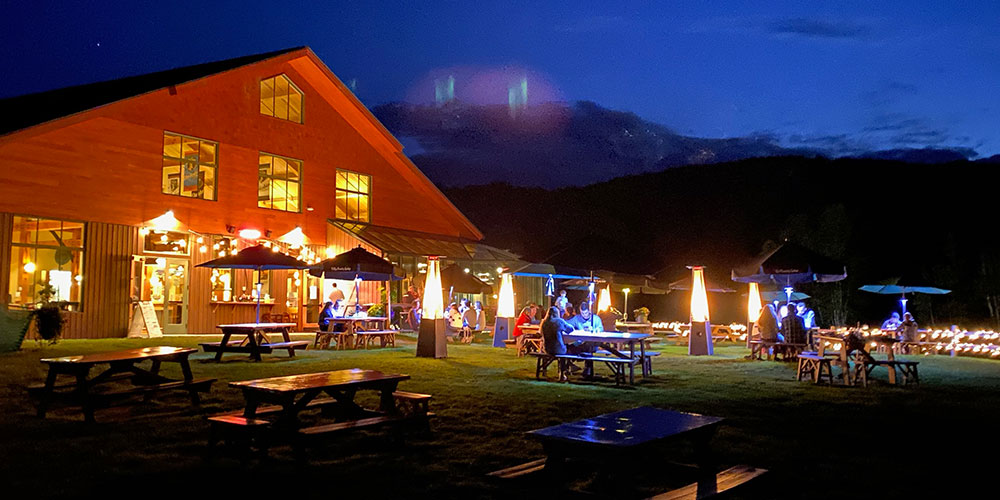
The brewery was established by Johannes von Trapp, who sought to recreate the crisp, traditional lagers of his European heritage. Unlike many American craft breweries that focus on hop-heavy ales, von Trapp Brewing specializes in Helles, Kölsch, and Oktoberfest styles, utilizing natural spring water from the property. The integration here is total: the resort offers guided brewery tours, snowshoe excursions led by family members, and a traditional Austrian Bierhall.
From a business perspective, the von Trapp model demonstrates the power of "heritage branding." The beer is not just a beverage; it is a liquid representation of the land and the family’s history. By staying on the property, guests "live, eat, and drink like a von Trapp," as Emily Provost, the brewery’s marketing manager, describes it. This creates a high-barrier-to-entry competitive advantage that standalone taprooms cannot match.
The Lodging-First Strategy: Grist Iron Brewing and the Finger Lakes
In the Finger Lakes region of New York, Grist Iron Brewing in Watkins Glen took a contrarian approach by prioritizing lodging from the outset. When the owners scouted the location, the presence of an existing inn was a deciding factor in the purchase. Today, The Lodge at Grist Iron serves as a centerpiece for the brand’s regional presence.
The Lodge features a "rustic-modern" design language, characterized by subway-tiled showers and black-and-white murals depicting the brewing process. A notable branding touch is the inclusion of built-in "shower beer" ledges in every bathroom, a move that acknowledges and elevates a niche consumer habit into a luxury amenity. This playful approach to hospitality reinforces the brand’s identity as a relaxed, approachable destination.
The property has recently expanded to include "Beer Mountain," a multi-use outdoor space featuring a disc golf course and a dog park with an on-site bar. This expansion signals a move toward the "brewery-resort" model, where the beer serves as the social lubricant for a wide array of recreational activities. According to marketing coordinator Emily Knowlden, the lodging allows guests to engage more deeply with the staff, leading to higher brand loyalty and repeat visits.
Adaptive Reuse and Urban Innovation
Beyond rural retreats, the trend of brewery lodging is also revitalizing urban centers through adaptive reuse. McMenamins, operating in Oregon and Washington, has become the gold standard for this model. The company specializes in converting historic schools, churches, and even former poor farms into eclectic hotel-brewery hybrids. These properties often feature "secret" bars tucked behind unmarked doors and original artwork that tells the story of the building’s past.
Similarly, in Fargo, North Dakota, Drekker Brewing has launched "The Brewhalla Crash Pad." This boutique hotel is hyper-branded, with each room themed after one of Drekker’s specific beer labels. The "Mind Bullets" suite, for instance, features industrial ductwork and psychedelic murals that mirror the label of the brewery’s sour IPA. This level of aesthetic immersion targets a younger, design-conscious demographic that values "Instagrammable" moments as much as the product itself.
Economic and Industry Analysis: The Future of the "Stay-and-Sip" Model
The shift toward brewery lodging is supported by broader tourism data. According to the Travel Industry Association, culinary and craft beverage tourism is one of the fastest-growing sectors in the travel market. For small towns, these brewery hotels act as significant economic drivers, bringing in high-spending tourists who might otherwise bypass rural areas for major metropolitan hubs.
From a regulatory and safety standpoint, brewery lodging also provides a responsible solution to the challenges of alcohol consumption. By providing a bed "just steps away" from the taproom, breweries are proactively addressing concerns regarding impaired driving, making their establishments more attractive to families and older demographics.
However, the transition into hospitality is not without risks. Managing a hotel requires a vastly different skill set than managing a cellar or a brewhouse. The capital expenditure required for high-end lodging is substantial, and the industry must now compete with established boutique hotel chains. Despite these challenges, the "brewery stay" model appears to be a permanent fixture in the American craft landscape.
Conclusion: A New Chapter for Craft Beer
As the craft beer industry continues to mature, the focus is shifting from the glass to the environment surrounding the glass. The success of destinations like Backwoods Brewing, von Trapp Family Lodge, and Grist Iron Brewing suggests that the future of the industry lies in diversification and depth of experience. By transforming historic buildings and natural landscapes into immersive retreats, brewers are doing more than selling beer—they are selling memories, tradition, and a sense of place. For the modern traveler, the opportunity to wake up where the beer is made represents the ultimate expression of the craft beer movement: authentic, local, and deeply connected to the land.