admin
admin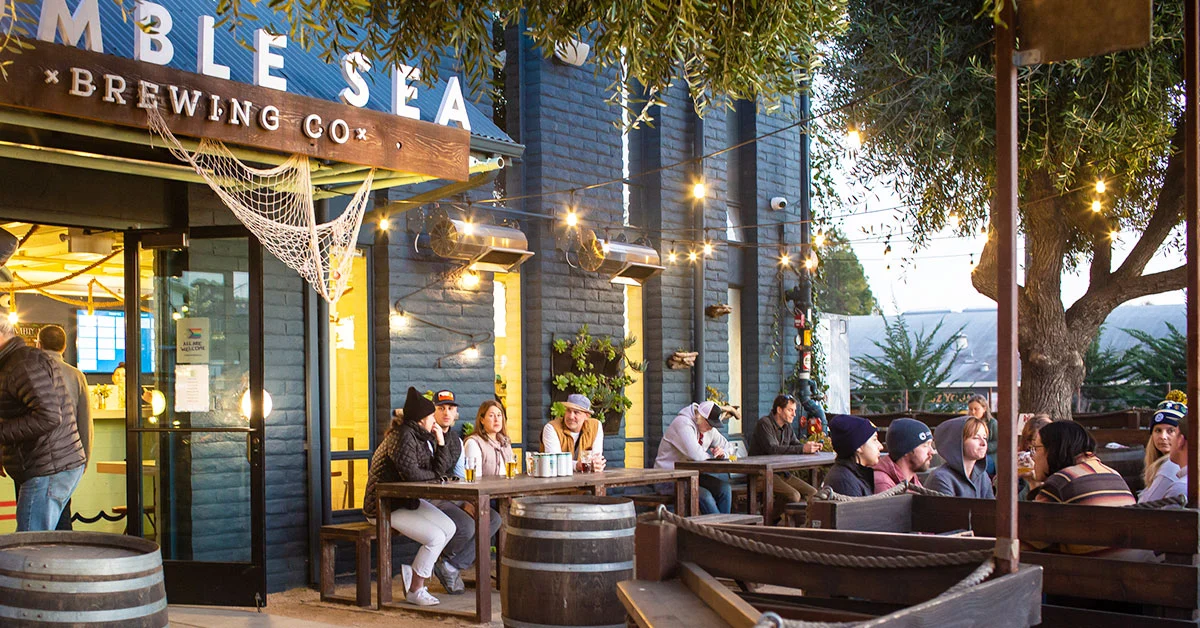
The craft brewing industry, once defined by a rebellious spirit and a relentless drive for novelty, is currently undergoing a period of profound strategic recalibration. For over a decade, the sector was propelled by a "more is more" philosophy, where success was measured by the frequency of new releases and the eccentricity of ingredients. However, as the market matures and consumer habits shift in response to economic pressures and "choice fatigue," breweries are finding that survival requires a sophisticated balance between cutting-edge innovation and the reliable comfort of flagship brands. This transition is perhaps best illustrated by the trajectories of Sunriver Brewing in Oregon and Humble Sea Brewing Co. in California, two entities that have navigated the turbulent waters of the American beer market by pivoting their identities to meet the evolving demands of the drinking public.
The Origins of Localized Production and the Transient Demographic
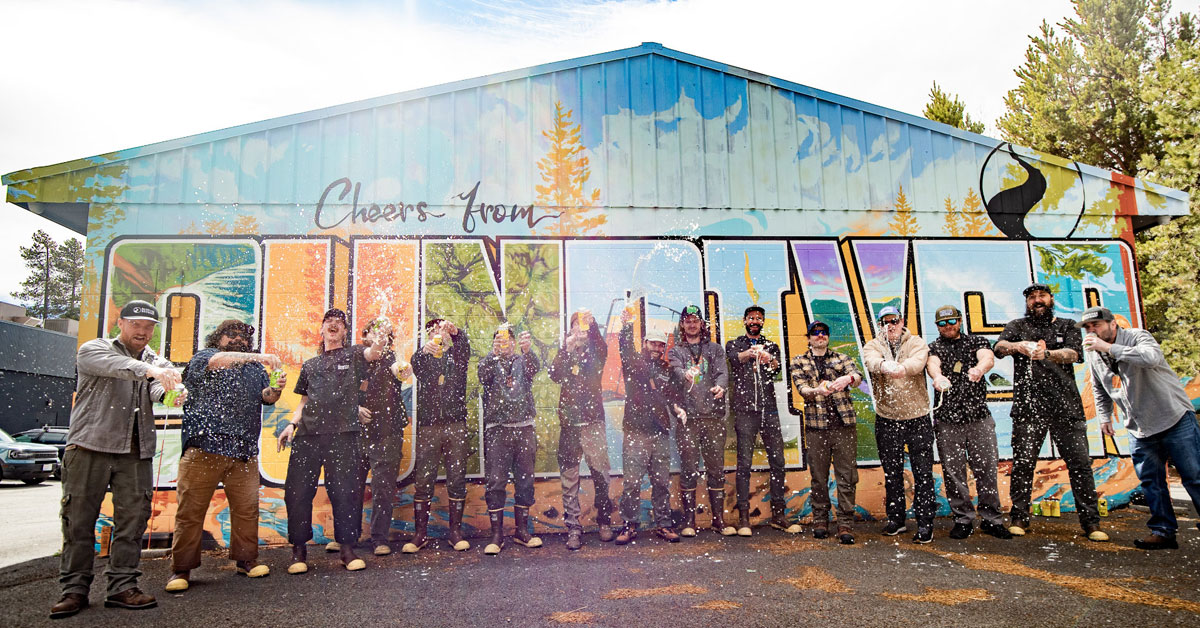
The story of Sunriver Brewing begins in 2014 in the resort community of Sunriver, Oregon. At its inception, the brewery’s business model was dictated almost entirely by its physical location and the nature of its primary consumer base. Sunriver, a town with a permanent population of roughly 2,000 residents, experiences massive seasonal fluctuations, welcoming upwards of 15,000 tourists during peak weekends. Head brewer Brett Thomas notes that the initial portfolio was designed specifically for this "transient tourist demographic."
In 2014, the craft beer landscape was still expanding rapidly, but the average tourist was often looking for approachable, recognizable styles. Consequently, Sunriver launched with a foundational lineup consisting of a blonde ale, a pale ale, an amber ale, and a stout. These "pub-oriented" beers served as an entry point for visitors who may have been familiar with domestic lagers but were curious about the local craft movement. This strategy of "safe" brewing provided the financial stability necessary for the brewery to establish its roots before it eventually ventured into more experimental territory.
The Pivot to Hops: Humble Sea’s Survival Strategy
While Sunriver began with broad appeal, California’s Humble Sea Brewing Co. followed a different, more reactive path. Launched in 2015 by co-founder Frank Scott Krueger and his partners, the brewery’s original mission was born of a personal passion for lagers. At the time, however, the California craft market was dominated by the "IPA revolution." The crisp, subtle profiles of traditional German and Czech-style lagers had not yet achieved the "cool" status they enjoy today.
Faced with the reality that their preferred styles were not generating enough revenue to "keep the lights on," Humble Sea executed a hard pivot. They leaned into the burgeoning trend of "foggy" or Hazy IPAs—unfiltered, hop-forward beers characterized by a soft mouthfeel and tropical fruit aromatics. This shift was transformative. The foggy IPA became Humble Sea’s calling card, putting them on the national map and attracting a dedicated following of "beer nerds." At one point, hoppy beers accounted for 95% of their total production. It was only after building a foundation of trust and brand equity through these IPAs that the brewery was able to reintroduce lagers, which now constitute approximately 30% of their output.
Chronology of the Craft Beer Evolution: 2014–2024
To understand the current state of the industry, one must look at the timeline of the last decade, which saw the craft sector move through three distinct phases:
- The Expansion Phase (2014–2017): Characterized by double-digit growth in the number of operating breweries. The focus was on "style education," where breweries like Sunriver introduced consumers to basic craft variants.
- The Novelty Peak (2018–2021): Driven by social media and "untappd culture," this era prioritized the "new." Breweries like Humble Sea thrived by releasing limited-edition cans weekly. This period also saw the rise of hard seltzers, a trend many traditional brewers initially resisted.
- The Rationalization Phase (2022–Present): Post-pandemic economic shifts, including inflation and rising aluminum and grain costs, have forced breweries to optimize. Consumers, overwhelmed by endless choices, are beginning to return to "tried and true" brands.
Supporting Data: The Dominance of the IPA and the Rise of Diversification
Statistical analysis of the craft beer market underscores the necessity of the strategies employed by Thomas and Krueger. According to data from the Brewers Association, IPAs remain the undisputed king of the craft sector, consistently accounting for over 40% of all craft beer sold in off-premise retail. This explains Sunriver’s insistence on maintaining a "very strong" presence in the IPA realm, despite their expansion into other styles.
Furthermore, the diversification of the "craft" category has become a survival imperative. The Brewers Association’s 2023 year-end report highlighted that while traditional craft beer volume saw a slight decline of about 1%, the total "beverage alcohol" category for craft producers remained resilient due to the inclusion of "beyond beer" products. This aligns with Sunriver’s decision to produce hard seltzers—a move Brett Thomas admitted he would have dismissed just years prior. The move toward craft seltzer and American light lagers, like Sunriver’s Coolwater, represents an effort to capture the "lifestyle drinker" who prioritizes lower calories and high drinkability over complex flavor profiles.
Geographic Micro-Markets and Taproom Tailoring
One of the most sophisticated developments in modern brewery management is the tailoring of product offerings to specific hyper-local demographics. Humble Sea has mastered this by analyzing the consumption patterns across their various California taprooms.
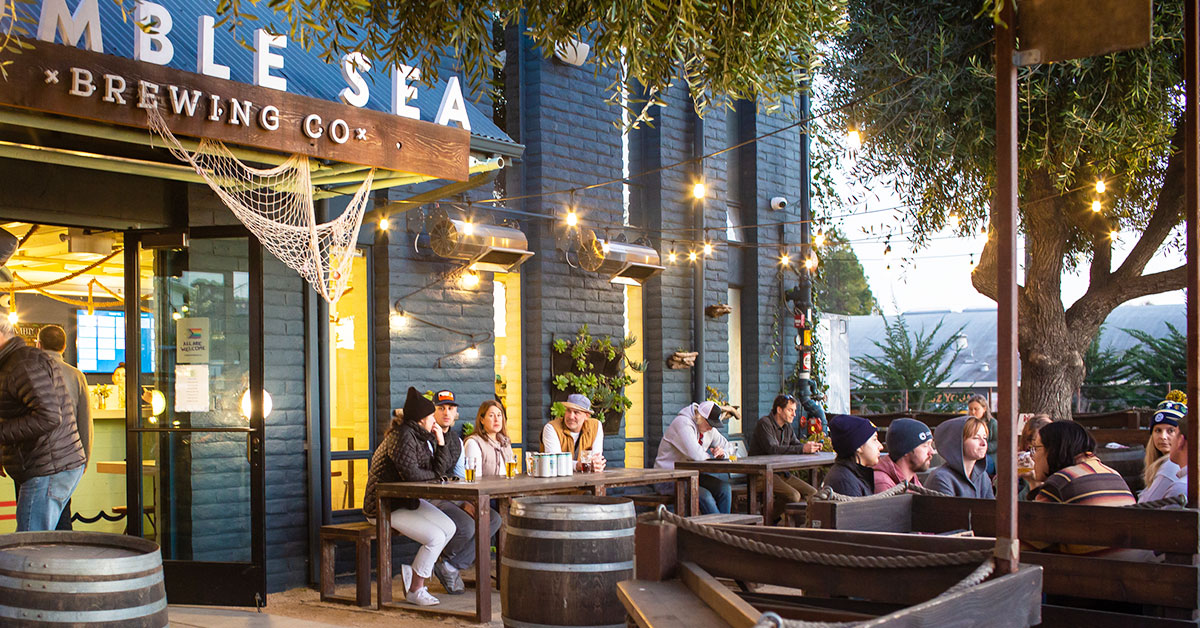
In Pacifica, the brewery finds that West Coast IPAs—known for their bitterness and clarity—remain the top sellers. In Santa Cruz, the audience leans toward the "clean" profiles of Pilsners and lagers. Meanwhile, in Alameda, a more experimental "beer nerd" crowd drives the demand for high-alcohol-by-volume (ABV) Triple and Quad IPAs. This level of granular market analysis allows breweries to minimize waste and ensure that their "innovation" is actually meeting a documented demand rather than just fulfilling a brewer’s whim.
The Multi-Channel Distribution Conflict
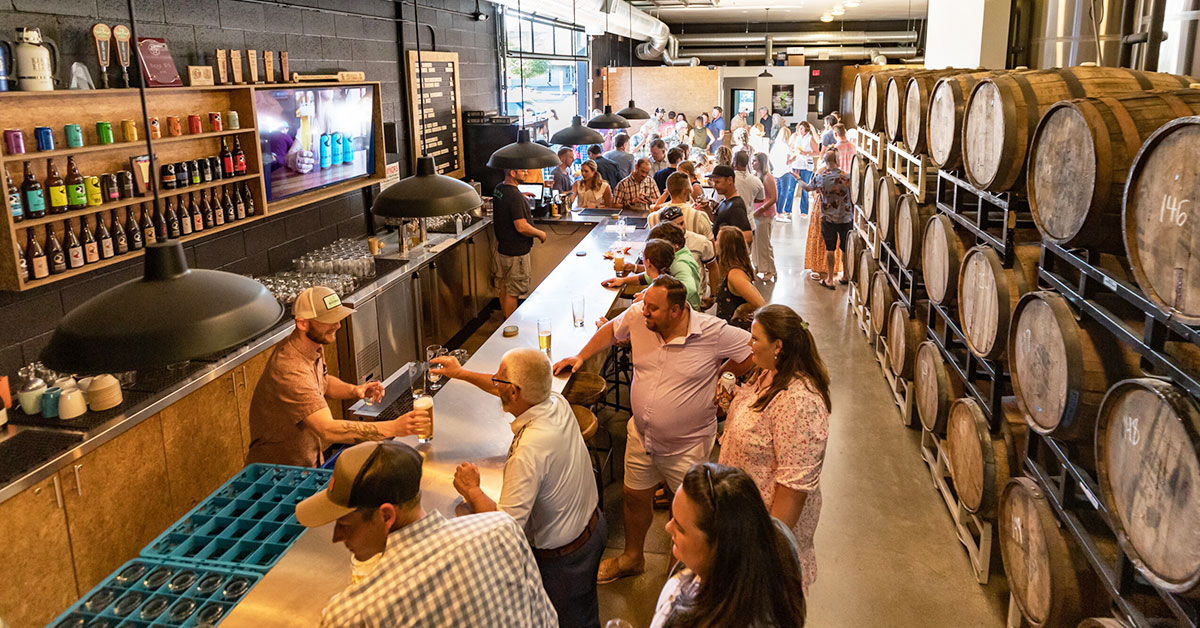
As breweries grow beyond their own four walls, they encounter the "competing agendas" of different sales channels. A brewery’s own taproom offers the highest profit margins and allows for direct interaction with the customer. However, the pandemic of 2020 served as a stark reminder of the dangers of over-reliance on on-premise sales.
Conversely, the wholesale market—selling to grocery stores and bars—offers volume but comes with lower margins and less control. Wholesalers often demand "flagship" beers that they can reliably slot into tap handles and shelf space for months at a time. This creates a tension between the "innovation" team, which wants to brew a new sour ale every week, and the "sales" team, which wants a consistent IPA that consumers can recognize instantly.
The Return of the Flagship and the Power of Nostalgia
Perhaps the most significant trend in the 2024 landscape is the resurgence of the "flagship" beer. For years, "flagship" was almost a derogatory term among craft enthusiasts, synonymous with "boring." However, beer analyst Jeff Alworth has noted a shift toward nostalgia and reliability. As "release fatigue" sets in, consumers are increasingly reaching for beers they know will be high-quality and consistent.
For Sunriver, that flagship is "Vicious Mosquito," an IPA that was initially championed by wholesalers and has since become the "beer that built the brand." For Humble Sea, it is "Socks & Sandals," a foggy IPA that the founders never intended to be a permanent fixture but which the market demanded.
The return to flagships is not merely a marketing trend; it is an operational necessity. Flagship beers allow for better hop-contracting, more efficient production schedules, and a stable revenue stream that can fund the "wild series" or barrel-aged projects that keep the creative team engaged.
Broader Impact and Future Implications
The shift toward a "balanced" portfolio—mixing high-volume flagships, localized taproom exclusives, and "beyond beer" offerings—suggests that the craft industry is entering its "professionalism" era. The days of opening a brewery based solely on a passion for a single style are largely over.
For the consumer, this evolution means a more stable and high-quality market. While the "gold rush" of endless new releases may be slowing down, the beers that remain on the shelves are those that have survived the rigors of market testing and logistical challenges. The stories of Sunriver and Humble Sea demonstrate that in the modern era, the most successful brewers are not just those who can make the best beer, but those who can most effectively listen to the changing needs of their community. As the industry moves forward, the "sweet spot" will continue to be found in the delicate equilibrium between the thrill of the new and the comfort of the familiar.