admin
admin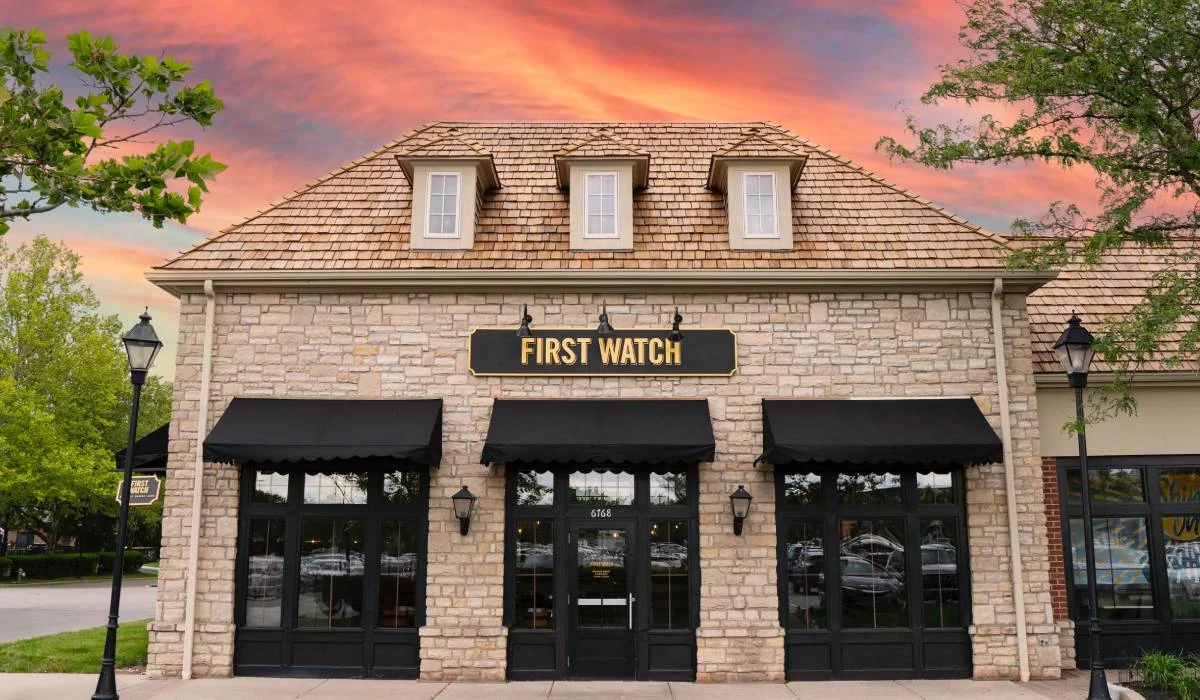
First Watch, the Florida-based leader in the daytime dining sector, continues to demonstrate a unique paradox in the modern restaurant landscape: it is simultaneously one of the fastest-growing full-service concepts in the United States and a brand that remains relatively unknown to a significant portion of the domestic population. As the company approaches the milestone of 700 locations, Chief Executive Officer Chris Tomasso describes the current phase of the company’s trajectory as a "coming-out party," emphasizing that while the footprint is expanding aggressively, the primary objective remains the delivery of a premium, five-star guest experience. This strategic focus comes at a time when the brand is seeing a dramatic surge in awareness, driven by sophisticated marketing initiatives and a culinary program that balances indulgence with a "healthy halo."
The Paradox of Growth and Brand Awareness
The narrative of First Watch is defined by its rapid ascent and the untapped potential of its brand recognition. When the company went public in 2021, a national survey revealed that only 11 percent of consumers were familiar with the concept. Despite this low baseline, the brand consistently outperformed larger, more established peers in customer satisfaction metrics. In a separate country-wide study of the 74 largest restaurant brands, First Watch ranked 10th in Net Promoter Score (NPS), a testament to the loyalty of those who have actually dined at the chain.
Recent data suggests that the "awareness gap" is closing. In the most recent quarter, First Watch reported that its unaided brand awareness—customers thinking of the brand without prompting—increased by more than 50 percent. Aided awareness, where customers recognize the name when presented with it, rose by 15 percent compared to early 2023. Tomasso, who joined the company as its first Chief Marketing Officer in 2006 and ascended to the CEO role in 2018, views this lack of universal recognition not as a deficit, but as a "tremendous opportunity" for continued whitespace expansion.
Financial Performance and Q2 2024 Results
The company’s growth is backed by robust financial performance. In the second quarter of 2024, First Watch reported a total revenue increase of 15.2 percent, reaching $354.7 million. Same-store sales grew by 3.4 percent, contributing to a 6.9 percent two-year stack. While traffic saw a marginal decrease of 0.4 percent for the quarter, the trend turned positive in June, showing a 160-basis point improvement over the first quarter, which had seen a 2 percent slide.
Profitability remains a core strength for the brand. Restaurant-level operating profit margins increased to 18.8 percent, up from 18.6 percent in the prior year. This margin expansion occurred despite inflationary pressures and an increase in Cost of Goods Sold (COGS), which rose by nearly 100 basis points due to the high demand for premium protein items like steak and barbacoa.
By the end of Q2, First Watch operated 665 restaurants across 37 states, consisting of 586 company-owned locations and 79 franchises. The company’s real estate strategy involves opening approximately 50 to 60 new locations annually, with a long-term domestic target of 2,200 units.
A Chronology of Strategic Evolution
To understand First Watch’s current position, one must look at the evolution of the brand over the last four decades:
- 1983: Founders Ken Pendery and John Sullivan open the first First Watch in Pacific Grove, California, focusing exclusively on breakfast, brunch, and lunch.
- 1986: The company moves its headquarters to Bradenton, Florida, which serves as the springboard for its Southeastern expansion.
- 2006: Chris Tomasso joins as the first CMO, overseeing a fleet of approximately 60 restaurants in nine states.
- 2011-2017: The brand undergoes a period of private equity-backed growth, refining its "urban farm" aesthetic and expanding its footprint into the Midwest and Northeast.
- 2018: Tomasso is named CEO, succeeding Ken Pendery.
- 2021: First Watch goes public on the Nasdaq (FWRG), positioning itself as a leader in the "daytime dining" category.
- 2023-2024: The company shifts its marketing focus toward digital video, influencers, and data-informed guest acquisition, resulting in record-breaking Limited Time Offers (LTOs).
Data-Driven Marketing and the Shift to Digital
The recent surge in brand awareness is no accident. Under the leadership of Chief Brand Officer Matt Eisenacher and newly appointed CFO Ashlee Weisser, First Watch has pivoted away from traditional "call-to-action" marketing toward a brand-building approach. This strategy utilizes high-visibility digital channels, including YouTube and Connected TV (CTV), to target specific demographics with localized messaging.
The company’s 2024 marketing campaigns have focused on "targeted acquisition." In these campaigns, 17 percent of new guests were successfully converted into repeat customers within the same quarter—a rate that exceeds industry averages for the casual dining segment. By leveraging a "test, learn, and act" model, the brand can evaluate the return on investment (ROI) down to the individual store level, allowing for more precise allocation of marketing dollars.
Furthermore, First Watch has leaned heavily into social media and influencer partnerships. Eisenacher noted that paid media efforts have spurred a significant increase in organic user-generated content (UGC). As influencers post about the brand’s photogenic dishes, such as the Million Dollar Bacon or seasonal hashes, it creates a flywheel effect that drives further engagement and restaurant traffic.
Culinary Innovation and the "Healthy Halo"
The guest experience at First Watch is anchored by its culinary philosophy, which focuses on freshness and innovation. The brand’s "Follow the Sun" strategy involves rotating seasonal menus that feature ingredients at their peak.
In early 2024, the "Jumpstart" menu featured the Chimichurri Steak & Eggs Hash, which became the best-selling LTO in the company’s history. It was followed by the Chipotle Steak and Queso Hash, which is currently on track to become the second best-selling LTO. These items, along with the introduction of barbacoa, have driven a "premiumization" of the menu, leading to an average check of approximately $17.
Tomasso addressed the emerging impact of GLP-1 weight-loss medications on the restaurant industry, noting that First Watch is well-positioned for this shift. As consumers on these medications prioritize protein and high-quality ingredients over empty calories, the brand’s focus on "steak and eggs" and fresh produce makes it an attractive destination.
"We don’t focus on fads or being low calorie or trying to promote a specific headline," Tomasso said. "We just want to offer healthy options… whether you want gluten-free or more fiber, we have that." This "healthy halo" differentiates First Watch from more indulgent breakfast competitors, appealing to a health-conscious demographic without being subtractive in its culinary approach.
Real Estate and the Strategy of "Fortressing"
First Watch’s growth strategy is characterized by "strategic sales transfer." As the company densifies existing markets—such as Orlando, Florida—it expects a temporary downtick in same-store sales at older locations as customers shift to newer, more convenient sites. However, the company views this as a positive "fortressing" tactic that increases overall market share and total profit.
In Orlando, First Watch doubled its location count over a five-year period. While this led to some initial sales transfer, the Average Unit Volume (AUV) in that market has since grown significantly. Systemwide, AUVs have climbed from $1.6 million in 2019 to $2.5 million today.
The brand’s real estate pipeline currently includes more than 100 projects in various stages of development. Approximately 50 percent of recent openings have been "second-generation" sites—locations previously occupied by other restaurant concepts. This agile approach allows First Watch to secure "main and main" locations with high visibility while keeping net build-out costs around $1.8 million. With a three-year cash-on-cash return of approximately 35 percent, the unit economics of the brand remain among the strongest in the industry.
Broader Implications and Industry Outlook
The success of First Watch has not gone unnoticed, as other players in the daytime dining space, such as Another Broken Egg Cafe and Eggs Up Grill, also seek to expand. However, First Watch’s scale and its headstart in the category provide a formidable competitive advantage. By operating from 7:00 a.m. to 2:30 p.m., the brand avoids the complexities of the dinner daypart, such as alcohol-heavy inventory management and late-night labor challenges, while maximizing efficiency during the fastest-growing period for full-service dining: brunch.
As First Watch continues its march toward 2,200 locations, the challenge will be maintaining the "small-town feel" and "five-star review" culture that Tomasso insists is the brand’s primary goal. If the company can successfully align its increasing brand intrigue with a consistently high-quality dining experience, it is poised to remain the dominant force in the daytime dining category for the foreseeable future.
The upcoming launch of seasonal favorites like Pumpkin Pancakes and the testing of new capacity-focused innovations suggest that First Watch is not slowing down. As Tomasso concluded, the brand is "running on all cylinders," leveraging its California heritage and Latin-inspired flair to create a national identity that resonates with a broad, health-conscious, and protein-seeking consumer base.