admin
admin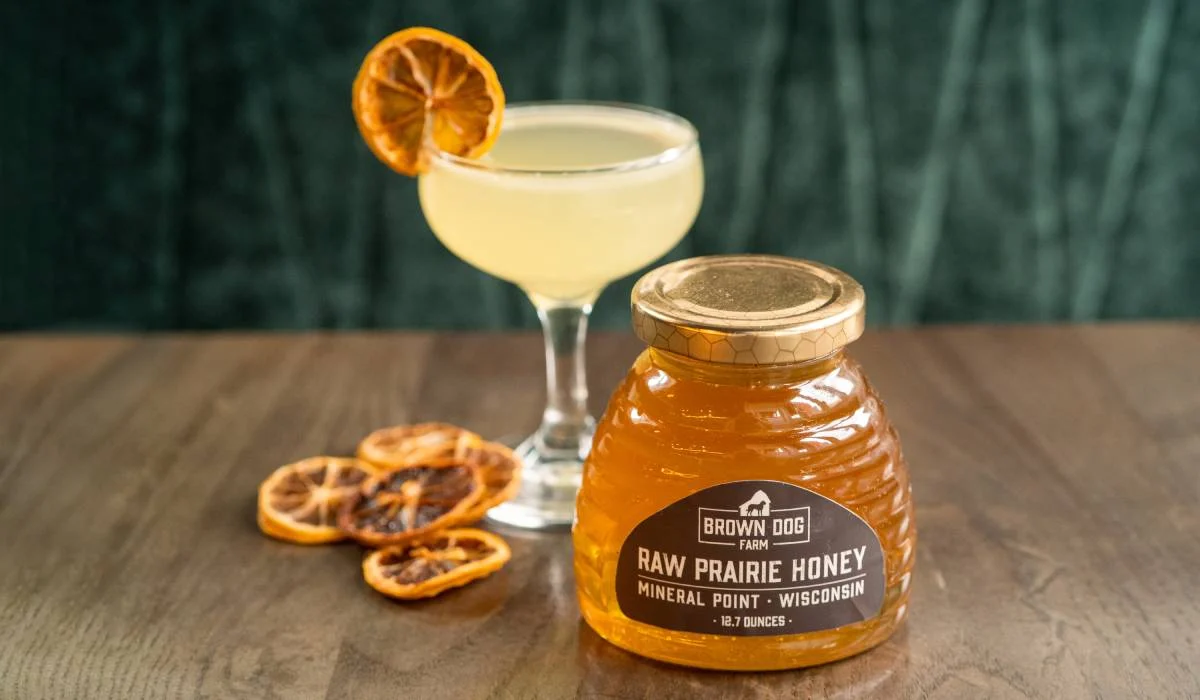
Chicago’s culinary landscape is set to undergo a seasonal transformation this August as Farm Bar, a staple of the city’s farm-to-table movement, introduces its inaugural Honey Fest. The two-week event, scheduled to run from August 1 through August 16, marks a significant expansion of the restaurant’s commitment to hyper-local sourcing and environmental advocacy. Taking place across both the Lakeview and Ravenswood locations, the festival is designed to highlight the critical role of pollinators in the Midwestern ecosystem while showcasing the versatile applications of honey produced at the establishment’s own Brown Dog Farm.
The initiative represents a strategic intersection of gastronomy and conservation. By centering the festival around Brown Dog Farm honey, Farm Bar aims to educate the public on the "hive-to-table" journey. The event features a specialized limited-time menu, a high-stakes raffle for honey enthusiasts, and various family-oriented activities, all designed to raise funds and awareness for the Driftless Area Land Conservancy. This regional nonprofit is dedicated to preserving the unique landscape of the Driftless Area, a plateau that escaped glaciation during the last ice age and remains a vital habitat for diverse flora and fauna.
A Curated Culinary Tribute to the Hive
The centerpiece of Honey Fest is an expansive, limited-time menu that integrates Brown Dog Farm honey into every course, ranging from savory appetizers to decadent desserts. The culinary team at Farm Bar has developed a series of dishes that emphasize the complexity of honey as an ingredient—moving beyond its role as a simple sweetener to a foundational element of flavor profiling.
Among the standout offerings is the housemade challah, served with creamed honey and paired with Hook’s Gorgonzola and fresh honeycomb. This dish highlights the synergy between the saltiness of the aged Wisconsin cheese and the floral notes of the honey. Another innovative application is seen in the beer-battered eggplant, which features Andreotti Burrata and a drizzle of honey, accented with fresh basil. This dish demonstrates the ability of honey to balance the bitterness of nightshades and the richness of fresh cheese.
The festival also features seasonal produce from other local partners, reinforcing the restaurant’s "farm-to-fork" ethos. The Nichols Farm heirloom tomato salad, for instance, utilizes caramelized honey and whipped goat cheese to enhance the natural acidity of the tomatoes. For the main course, the menu offers a honey-glazed dry-aged Duroc pork porterhouse. This dish is served alongside peaches from Mick Klug Farm and heirloom tomatoes, creating a profile that encapsulates the peak of the Midwestern harvest. The meal concludes with a salted honey pie, topped with a housemade honeycomb tuile, providing a textural contrast that has become a hallmark of Farm Bar’s pastry program.
For diners seeking a comprehensive experience, Farm Bar is offering a $75 tasting menu throughout the duration of the festival. This curated progression of dishes allows guests to explore the full range of the Honey Fest offerings. As an added incentive, the tasting menu includes a complimentary bottle of Brown Dog Farm honey, allowing patrons to bring the flavors of the festival into their own kitchens.
Chronology of Events and Community Engagement
The Honey Fest follows a structured timeline designed to maximize community participation over its 16-day run.
- August 1: Official Launch. The festival begins at both the Lakeview (1300 W. Wellington Ave) and Ravenswood (4300 N. Central Park Ave) locations. The special menu becomes available for lunch and dinner service.
- August 1–15: The Honey Hive Raffle. Throughout the first two weeks, guests can enter a raffle for a chance to win a "Brown Dog Farm Hive Experience." This prize package includes a guided visit to the farm, a hands-on beekeeping session wearing professional bee suits, and a custom honey harvest. The raffle is intended to bridge the gap between urban consumers and rural agricultural practices.
- Ongoing: Adopt-a-Bee Program. Aimed at families and younger diners, the "Adopt-a-Bee" activity allows guests to contribute $5 to the Driftless Area Land Conservancy. Participants receive a symbolic adoption certificate, with 100% of the proceeds directed toward land preservation efforts.
- August 16: Festival Conclusion. The final day of the event serves as the last opportunity for the tasting menu and the announcement of the raffle winners.
Supporting Data: The Economic and Ecological Value of Pollinators
The launch of Honey Fest comes at a critical time for North American pollinators. Data from the United States Department of Agriculture (USDA) and the Environmental Protection Agency (EPA) underscore the gravity of the issues the festival seeks to address. Honey bees are responsible for pollinating approximately 80% of all flowering plants and more than 130 different fruit and vegetable crops. In the United States alone, the value of honey bee pollination to agriculture is estimated at over $15 billion annually.
However, pollinator populations have faced significant challenges over the last two decades. Factors such as habitat loss, pesticide exposure, and climate change have led to fluctuating colony health. According to the Bee Informed Partnership, beekeepers in the United States lost an estimated 48% of their managed honey bee colonies between April 2022 and April 2023. By partnering with the Driftless Area Land Conservancy, Farm Bar is contributing to the restoration of natural habitats that are essential for the survival of both managed honey bees and wild native pollinators.
The Driftless Area itself is a focal point of these conservation efforts. Spanning parts of Wisconsin, Minnesota, Iowa, and Illinois, the region’s rugged terrain provides a sanctuary for rare species. The conservancy’s work in protecting these lands ensures that the "honey-producing" capacity of the region remains intact, directly supporting the supply chains that restaurants like Farm Bar rely upon.
Official Responses and Environmental Impact
Management at Farm Bar has indicated that the festival is the result of years of planning and a deepening relationship with Brown Dog Farm. While formal press statements often focus on the menu, internal communications suggest a broader goal of corporate social responsibility. A representative for the restaurant group noted that the festival serves as a "tangible link" between the guest’s plate and the health of the Midwestern prairie.
"The goal of Honey Fest is to celebrate the bounty of our farm while acknowledging the fragility of the systems that produce it," a spokesperson for the restaurant group stated. "By inviting our guests to participate in the raffle and the Adopt-a-Bee program, we are moving the conversation beyond the dining room and into the realm of active stewardship."
Environmental advocates have reacted positively to the initiative. Representatives from the Driftless Area Land Conservancy have noted that partnerships with urban businesses are vital for funding large-scale restoration projects. The funds raised through Honey Fest are earmarked for land acquisition and the planting of native milkweed and wildflowers, which are essential for supporting the life cycles of bees and monarch butterflies.
Broader Implications for the Chicago Restaurant Industry
The introduction of Honey Fest reflects a growing trend within the Chicago hospitality sector: the move toward "activist dining." As consumers become increasingly concerned with the provenance of their food and the environmental footprint of their lifestyles, restaurants are responding by integrating advocacy into their business models.
Farm Bar’s approach differs from standard seasonal promotions by focusing on a specific biological contributor—the bee—rather than just a seasonal fruit or vegetable. This thematic depth allows the restaurant to differentiate itself in a crowded market. Furthermore, the inclusion of a "hive experience" as a raffle prize taps into the growing demand for "experiential dining," where guests seek more than just a meal, but a deeper connection to the source of their food.
From a business perspective, the festival serves as a strategic tool to drive traffic during the mid-August period, which can sometimes see a dip in indoor dining as residents travel or focus on outdoor activities. By offering a time-sensitive, exclusive menu and a charitable component, Farm Bar incentivizes both regular patrons and new customers to visit their locations.
Analysis: The Synergy of Agriculture and Urban Dining
The success of Honey Fest may set a precedent for other Chicago establishments. The city has long been a leader in the farm-to-table movement, but the direct ownership or close partnership with a specific farm (as is the case with Farm Bar and Brown Dog Farm) allows for a level of vertical integration that is rare in urban environments. This model ensures a consistent supply of high-quality ingredients while allowing the restaurant to pivot its menu based on the actual harvest conditions at the farm.
The focus on honey also highlights the versatility of a non-perishable agricultural product. Unlike berries or leafy greens, which have a very short shelf life, honey can be harvested and utilized throughout the year, though its flavor profile changes based on which flowers the bees have visited during different parts of the season. The August festival specifically celebrates the "summer honey" profile, which is typically lighter and more floral than the darker, more robust honey produced in the autumn.
As the festival progresses, it will serve as a case study in how the culinary arts can be leveraged to support environmental science. By transforming an abstract ecological concept—pollination—into a tangible and delicious reality, Farm Bar is fostering a more informed and engaged dining public.
The Honey Fest at Farm Bar is more than a seasonal celebration; it is an integrated effort to highlight the interdependence of the Midwestern agricultural system. Through its specialized menu, community engagement initiatives, and support for the Driftless Area Land Conservancy, the festival provides a blueprint for how the modern restaurant can function as a platform for both culinary excellence and environmental advocacy. As the event concludes on August 16, the impact of the funds raised and the awareness generated will likely continue to resonate within the Chicago community and the protected lands of the Driftless Area.