admin
admin
The landscape of the American craft beer industry is undergoing a fundamental shift as taprooms move beyond the traditional service model to incorporate hospitality and outdoor recreation. Across the United States, brewery owners are increasingly repurposing underutilized land into campgrounds and RV parks, a strategic move designed to capture a growing demographic of travelers who prioritize experiential tourism. This trend, often referred to as "beercamping," represents a convergence of the craft beverage sector and the outdoor hospitality industry, providing a solution to the twin challenges of market saturation and rising property taxes.
The Shift from Production to Experiential Hospitality
For much of the last decade, the growth strategy for a craft brewery was relatively straightforward: produce high-quality beer, and consumers would seek it out. However, as the number of operating craft breweries in the United States surpassed 9,000, the novelty of local beer began to wane. Owners like Ryan Roberts of R&R Brewing in Mount Olive, North Carolina, realized that simply offering a product was no longer sufficient to maximize the value of their physical assets.
Roberts, who established R&R Brewing in 2018, found himself paying taxes on land that contributed little to his bottom line. Despite building a fenced yard for food trucks and outdoor seating, many visitors remained transient, rarely venturing into the brewery itself. In the fall of 2020, Roberts pivoted his business model by partnering with Harvest Hosts, a membership-based network that connects RV owners with unique overnight stay locations such as farms, wineries, and breweries. By investing a nominal $60 in signage and designating flat ground for parking, Roberts transformed his "dirt" into a revenue-generating asset. The results were immediate; campers, relieved to avoid the sterile environment of retail parking lots, began spending an average of $80 per stay on pints and merchandise, providing a high return on investment (ROI) with minimal overhead.
Chronology of the Outdoor Pivot: 2020 to Present
The emergence of brewery-based camping can be traced back to the onset of the COVID-19 pandemic in early 2020. As indoor dining restrictions took hold, the "Great Outdoors" became the primary venue for social interaction. This period marked a historic surge in camping interest, with national parks seeing record-breaking visitation numbers. However, the resulting scarcity of traditional campsites created a vacuum in the market.
By 2021 and 2022, securing a reservation at a national or state park became an increasingly difficult task for many Americans. This bottleneck led travelers to seek alternative accommodations through private platforms such as Hipcamp and The Dyrt. Simultaneously, craft breweries were looking for ways to stabilize revenue in a volatile economy. The timeline of this integration shows a clear progression:
- Late 2020: Initial adoption of Harvest Hosts by breweries seeking to utilize empty parking lots.
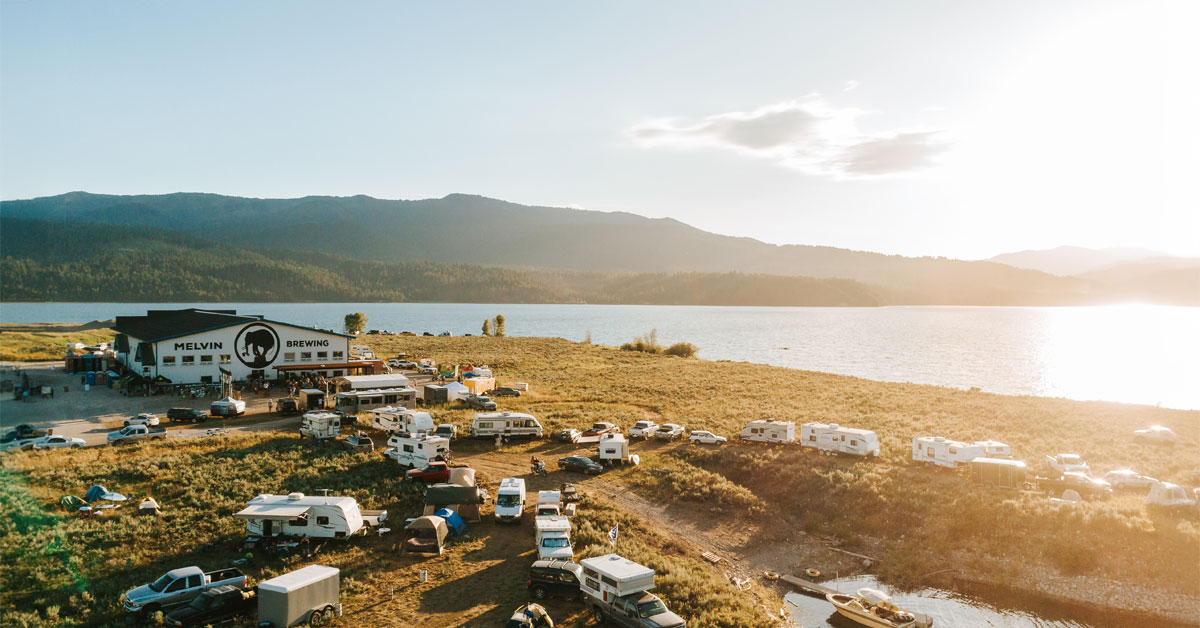
- 2021-2022: Dedicated build-outs of primitive campsites on brewery-adjacent land (e.g., Melvin Brewing in Wyoming).
- 2023: The rise of "brewery-first" campgrounds, where the taproom is built into an existing camping infrastructure (e.g., Camp Brewing in Ohio).
- 2024: The refinement of the "boutique RV" experience, offering full hookups and high-end culinary options (e.g., Boothbay Craft Brewery in Maine).
Supporting Data: The Intersection of Craft Beer and Camping
Market research underscores the logical synergy between these two industries. According to data from The Dyrt, a prominent camping platform, there is a significant overlap between the camping community and craft beer enthusiasts. Surveys indicate that 45 percent of campers bring beer on their trips, and of those who drink beer, 37 percent specifically favor craft varieties.
The economic impact of these "captive audiences" is substantial. Kevin Long, CEO of The Dyrt, notes that breweries offer a unique logistical advantage: campers can enjoy several beverages without the safety risks associated with driving home. This convenience encourages higher spending per capita. In South Carolina, Andrew Brown of Golden Grove Farm & Brew reports that even non-drinking campers contribute to the brewery’s financial health through the purchase of merchandise and food, citing the brewery’s location near Interstate 85—where 50,000 vehicles pass daily—as a prime driver of this nomadic customer base.
Strategic Land Use and Educational Tourism
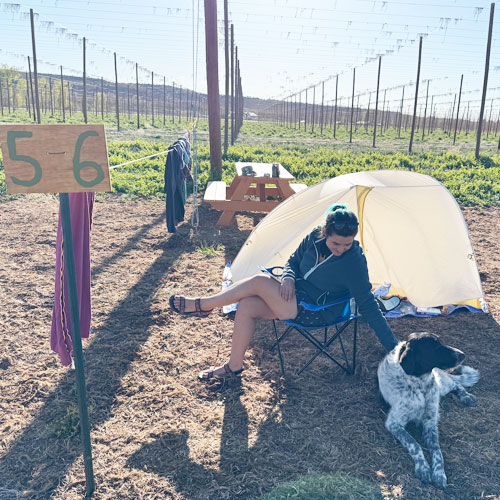
Beyond simple overnight parking, some breweries are utilizing their land to provide an educational component to the camping experience. In Montrose, Colorado, Billy Goat Hop Farm recently opened the "Down at the Hopyard" campground. This facility allows visitors to camp directly beside trellises of climbing hop bines. Audrey Gehlhausen, the farm’s president, emphasizes that the goal is to bridge the gap between the consumer and the agricultural origins of their beer. By offering a stay within the literal ingredients of the product, the farm creates a brand loyalty that extends far beyond a single purchase.
Urban breweries are also finding ways to participate in this trend. Mash Mechanix Brewing in Colorado Springs, Colorado, has utilized its paved parking lot to accommodate Sprinter vans and smaller rigs. Co-owner Leif Anderson, an avid camper himself, noted that the brewery’s proximity to tourist attractions like Pikes Peak makes it a valuable stop for travelers who might otherwise bypass an urban taproom.
Operational Challenges and Regulatory Hurdles
While the ROI for brewery camping can be high, the operational requirements are complex. Managing a campground is fundamentally different from managing a production brewery or a restaurant. It requires distinct licensing, specialized staffing, and adherence to local zoning ordinances regarding overnight stays and sanitation.
Doug Olsen, who purchased Indian Lake Adventures in Ohio and added Camp Brewing in 2024, highlights the logistical friction that can arise. While campers are permitted to bring their own beverages to their campsites, they are legally prohibited from bringing outside alcohol into the brewery’s licensed taproom. To navigate this, Olsen’s facility offers "to-go" options like growlers and specific "camping-themed" beers—such as Pitch a Tent Pilsner—that can be consumed legally across the grounds. To meet the high demand from both locals and travelers, Olsen has had to utilize contract brewing to scale production, illustrating the significant "catch-up" work required when a brewery successfully integrates with a high-traffic campground.
The Role of Festivals and the Risks of Overexpansion
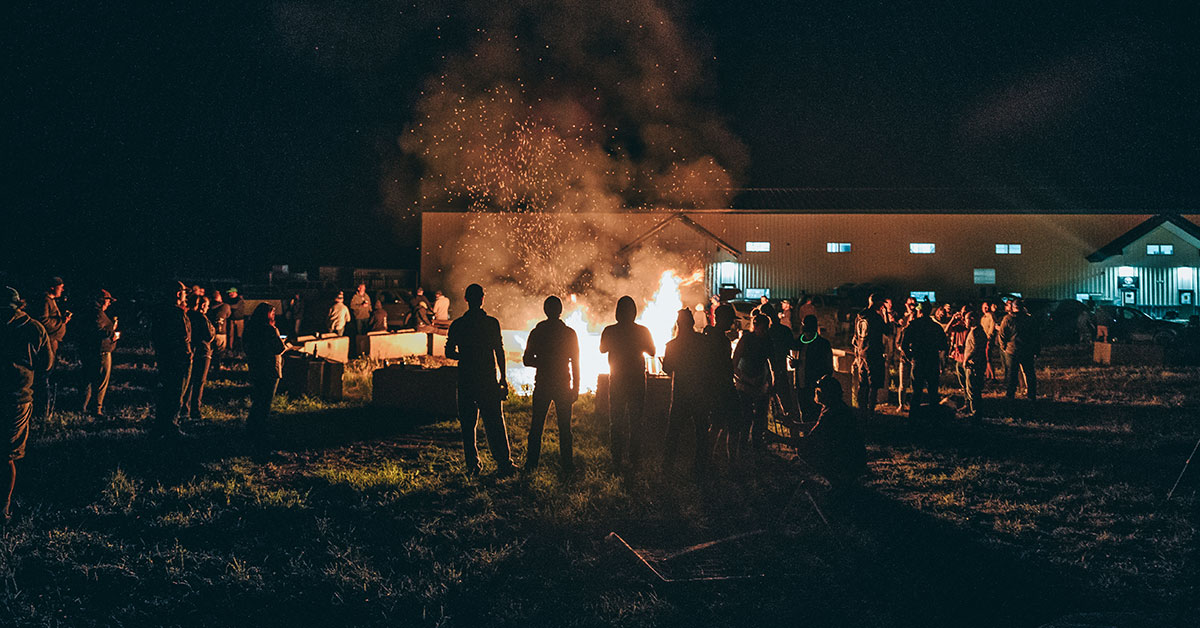
Beer festivals have long used camping as a safety and logistics tool, particularly in rural areas like Cooperstown, New York, or Muskegon, Michigan. Festivals such as "Belgium Comes to Cooperstown" (BCTC) at Brewery Ommegang and the "Burning Foot Beer Festival" on the shores of Lake Michigan have historically used camping to create immersive, multi-day experiences.
However, the industry is not immune to market corrections. In a notable development, Brewery Ommegang recently announced the cancellation of its 2024 festival. The brewery cited lower-than-projected ticket sales, stating that it was impossible to deliver the high-quality experience guests expect without a certain volume of attendance. This serves as a cautionary tale for the industry: while the "experience economy" is thriving, it is still subject to consumer price sensitivity and the logistical costs of large-scale event management.
Broader Impact and Industry Implications
The integration of camping and craft beer is more than a novelty; it is a response to a changing American economy where space is at a premium and consumers value "slow travel." For small towns like Mount Olive or Alpine, Wyoming, these brewery campgrounds act as micro-hubs of economic activity, bringing in out-of-state dollars that might otherwise be spent at corporate hotel chains.
As the trend matures, the industry is seeing a move toward higher-end amenities. Win and Lori Mitchell of Boothbay Craft Brewery in Maine have spent two decades transforming their property into a "boutique RV park." By replacing old cabins with modern RV hookups and pairing them with a tavern serving local oysters and smoked brisket, they have created a destination that rivals traditional resorts.
Ultimately, the success of the beercamping model relies on the ability of brewery owners to wear multiple hats: as brewers, as land managers, and as hospitality experts. For those who can navigate the regulatory and operational hurdles, the reward is a diversified revenue stream and a loyal, "captive" customer base that views the brewery not just as a place to buy a drink, but as a home for the night. As the craft beer market continues to stabilize, the breweries that thrive will likely be those that view their land not as a tax burden, but as an essential part of the consumer’s journey.