admin
admin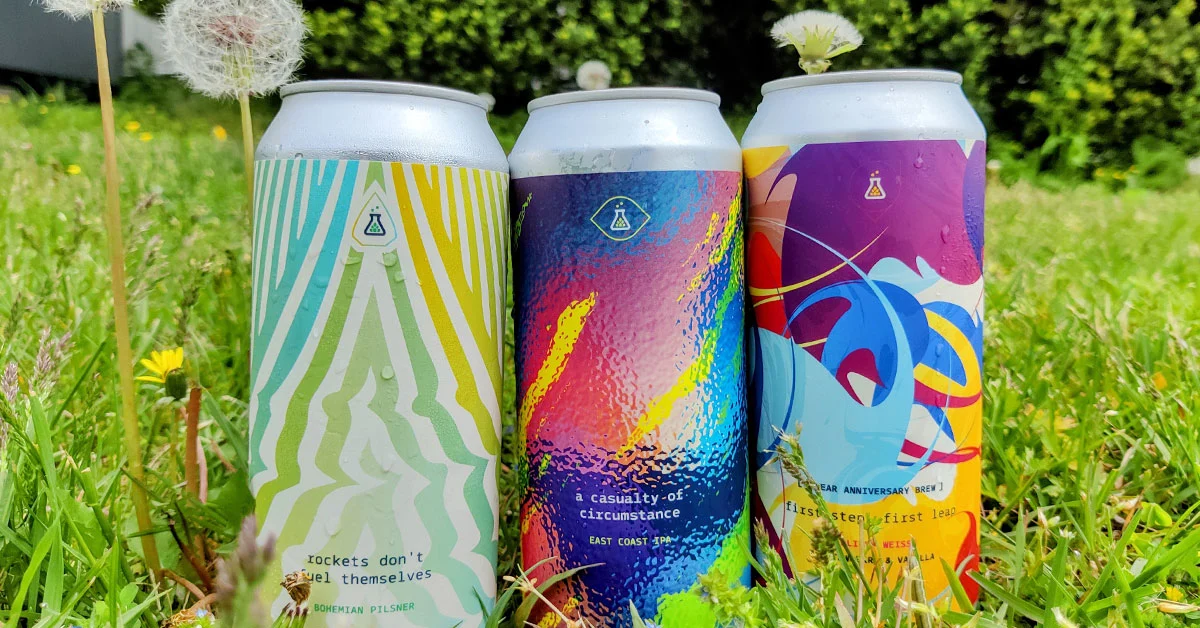
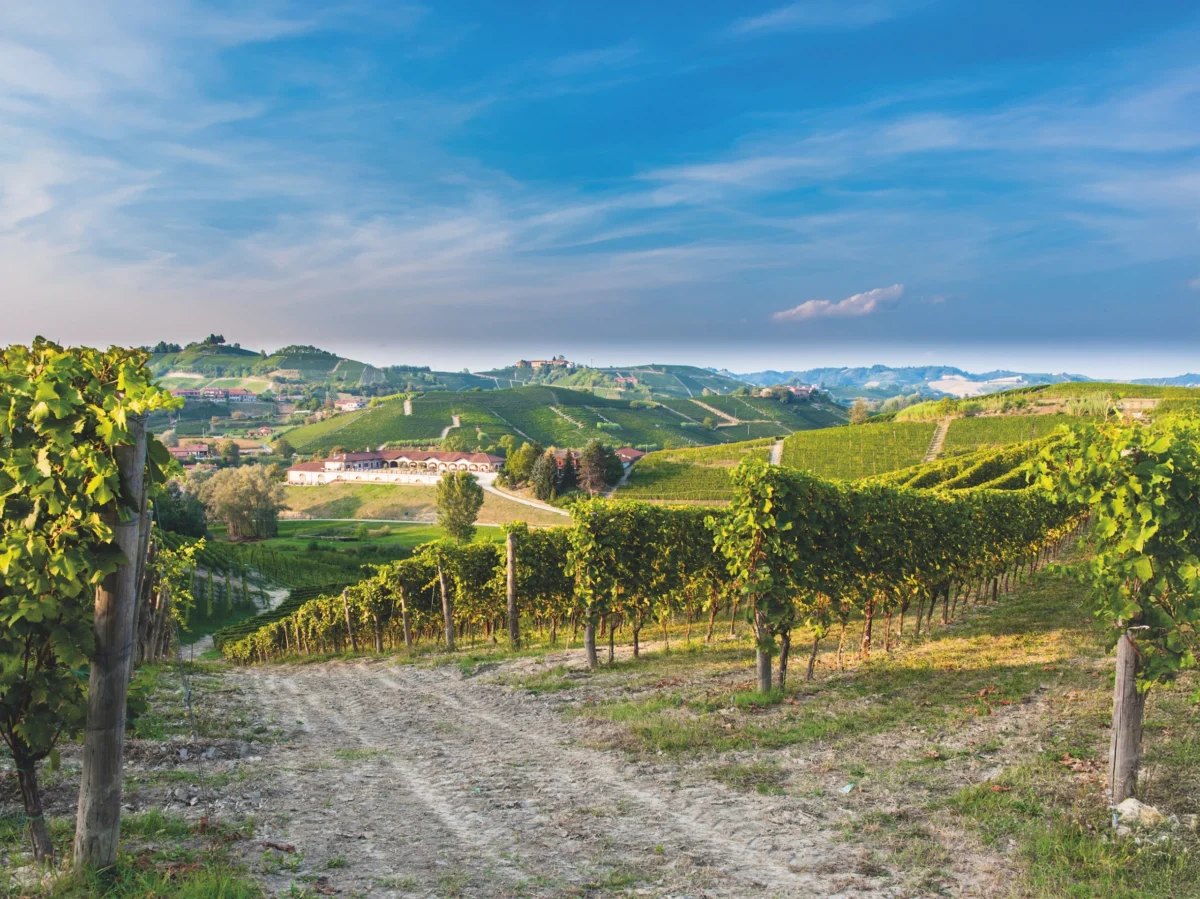
The North Fork of Long Island has long been celebrated as the "Napa Valley of the East," a pastoral landscape defined by its rolling vineyards and a viticultural tradition that has drawn millions of New Yorkers to its tasting rooms for decades. However, a significant shift in the region’s beverage landscape is currently underway. While the area remains a stronghold for Cabernet Franc and Pinot Blanc, the eastern edge of Long Island is rapidly establishing a parallel reputation as a world-class hub for craft beer. From the industrial corridors of Riverhead to the maritime charm of Greenport, a new generation of brewers is leveraging the region’s agricultural wealth to produce a diverse array of IPAs, Pilsners, sours, and stouts, effectively diversifying the North Fork’s identity from a wine-centric enclave into a comprehensive destination for agrotourism.
The Historical Context of Long Island Brewing
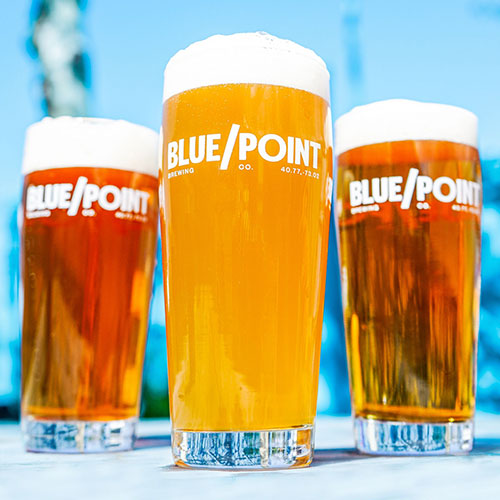
The roots of the modern craft beer movement on Long Island can be traced back to 1998 with the establishment of Blue Point Brewing Company in nearby Patchogue. While not located on the North Fork proper, Blue Point served as the vanguard for the industry, proving that a local brewery could compete with national brands by focusing on quality and regional identity. For over a decade, Blue Point remained the primary standard-bearer for Long Island beer. However, the last ten to fifteen years have seen an explosion of growth specifically within the North Fork’s boundaries.
This expansion was fueled in part by the New York State Craft Act of 2012, a pivotal piece of legislation that eased restrictions on small-scale production and allowed for the creation of "farm brewery" licenses. These licenses incentivized brewers to source ingredients from New York farmers, creating a direct link between the state’s agricultural output and its beverage industry. On the North Fork, this legislative shift perfectly complemented the existing infrastructure of the wine trail, allowing breweries to emerge as complementary fixtures rather than competitors to the established wineries.
Pioneering the Trail Greenport Harbor Brewing Company
The shift toward a dedicated North Fork beer scene began in earnest in 2009 with the opening of Greenport Harbor Brewing Company. Founded by John Liegey and Rich Vandenburgh, the brewery initially operated out of a converted firehouse in the village of Greenport. Over the past 16 years, the company has become a cornerstone of the regional economy, expanding to a second, larger location in Peconic.
Under the leadership of head brewer Sean Galligan, Greenport Harbor has utilized its expansion to bridge the gap between traditional brewing and modern agrotourism. The Peconic facility, situated on several acres along the Main Road, features a state-of-the-art kitchen, live music venues, and expansive outdoor seating. This "brewing oasis," as Galligan describes it, offers an alternative for visitors who may be seeking a more casual, community-oriented atmosphere than what is typically found in formal wine tasting rooms.
The brewery’s output is deeply rooted in the New York terroir. Flagship offerings such as the Harbor Ale and the Haus Pils rely heavily on New York State-grown malt. The Lucha Lager, a fan favorite, incorporates NYS-grown wheat alongside sea salt and key limes, while the Black Duck Porter offers a rich, toasty profile suited for the region’s cooler harvest months. Furthermore, the brewery’s commitment to local sourcing is exemplified in its seasonal fresh-hop program. Every September, Galligan utilizes Cascade and Willamette hops harvested from Orient Point. These hops are picked in the early morning and integrated into the brewing process the same day, ensuring a level of freshness that is only possible in an agricultural corridor like the North Fork.
Science and Growth The Rise of Übergeek Brewing
In Riverhead, the gateway to the North Fork, the craft beer scene has taken a more experimental and rapid-growth trajectory. Übergeek Brewing, led by owner and brewmaster Rob Raffa, represents the intersection of scientific precision and creative expression. Raffa, who transitioned from a background in physics and astrophysics to brewing, initially honed his craft at the now-defunct Moustache Brewing.
After a period of contract brewing and collaboration with Peter Barraud of North Fork Brewing Company, Raffa took over the former Moustache Brewing space in early 2021. Despite the challenges of the global pandemic, Übergeek has experienced exponential growth. The facility has expanded from four fermenters to 16, with plans to add eight more and double the size of the brewhouse this winter. This expansion is a direct response to the robust demand driven by the North Fork’s "alcohol trail," where visitors increasingly expect high-quality alternatives to wine.
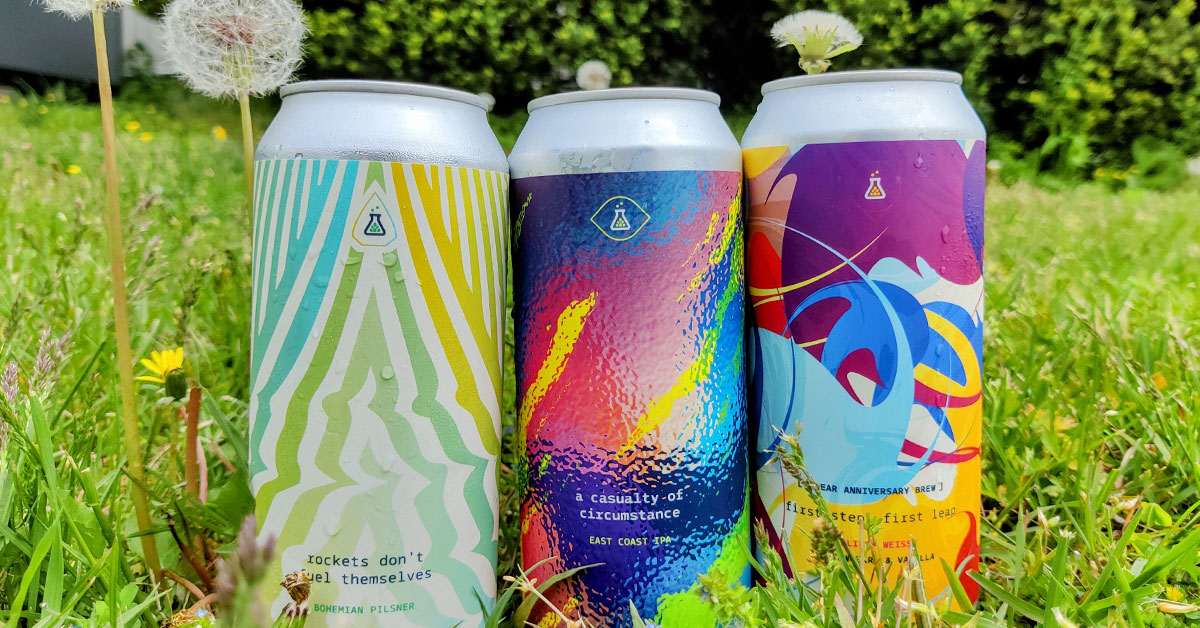
Raffa’s approach to brewing is characterized by off-beat naming conventions and complex flavor profiles. Beers like "A Casualty of Circumstance," a citrus-forward East Coast IPA, and "Space Age Times, Stone Age Minds," a double IPA with notes of mango and pineapple, reflect a modern, "geek-centric" philosophy. This branding, combined with a tasting room that hosts monthly concerts and food trucks, has helped Übergeek carve out a niche that appeals to a younger, more diverse demographic of tourists.
The Symbiotic Relationship Between Grapes and Grains
One of the most notable aspects of the North Fork’s brewing evolution is the lack of friction between the wine and beer industries. Rather than viewing each other as rivals for tourist dollars, the two sectors have embraced a symbiotic relationship. Peter Chekijian, co-founder of Twin Fork Beer Co., notes that the breweries are essentially "riding the coattails" of the established wine business. Twin Fork, which began brewing in 2014, uses musical theory as the inspiration for its branding, with beers like the "Minuet Session IPA" and "Prelude Pilsner" appealing to the sophisticated palate of the typical North Fork visitor.
The integration of the two industries is visible in several ways:
- Shared Distribution: Many local wineries now carry North Fork beers in their tasting rooms, recognizing that groups of visitors often include individuals who prefer beer over wine.
- Collaborative Production: Greenport Harbor recently collaborated with Osprey’s Dominion vineyard to create "Collaborations," a beer conditioned on Carménère grapes using wild yeast strains. This hybrid beverage won a silver medal at the 2024 New York State Craft Beer Competition, highlighting the potential for cross-industry innovation.
- Logistical Synergy: The rise of bike tours and bus excursions has created a "trail" effect, where visitors stop at both vineyards and breweries in a single afternoon, maximizing the economic impact on the region.
Terroir and the Farm-to-Glass Movement
The concept of "terroir"—the characteristic taste and flavor imparted to a product by the environment in which it is produced—is no longer exclusive to wine. North Fork brewers are increasingly focused on highlighting the unique agricultural attributes of the East End.
Peter Barraud of North Fork Brewing Company has been a vocal advocate for this movement. By partnering with local entities such as Peconic River Herb Farm, Herricks Lane Farm, and CJ Van Bourgondien Greenhouses, Barraud incorporates niche, small-batch ingredients into his rotations. His brewery produces approximately 80 different beers throughout the year, many of which are dictated by the seasonal availability of produce from Lewin Farms. Recent examples include a peach Golden Sour, a passion fruit-infused IPA, and a strawberry ale.
This focus on local ingredients serves a dual purpose. First, it provides a unique "taste of the land" that cannot be replicated by large-scale commercial breweries. Second, it strengthens the local economy by providing a new market for North Fork farmers. The use of ancho chiles in a Pilsner or local herbs in a seasonal ale demonstrates a level of creativity that aligns with the high standards set by the region’s culinary and viticultural leaders.
Economic and Touristic Implications
The diversification of the North Fork’s beverage industry has significant implications for the regional economy. According to tourism data, agrotourism is a multi-billion dollar industry for Long Island, and the addition of a robust craft beer scene extends the "high season" beyond the traditional summer months. While wine tasting is often associated with the fall harvest, breweries have proven to be year-round draws, hosting indoor events, winter concert series, and holiday markets.
Furthermore, the growth of breweries like Übergeek and Greenport Harbor has created jobs in manufacturing, hospitality, and logistics. As these companies expand their production capacity, they are also increasing their wholesale reach, placing North Fork beers on taps throughout New York City and the tri-state area. This serves as a powerful marketing tool for the region, enticing city dwellers to visit the source of their favorite pints.
Future Outlook and Conclusion
As the North Fork continues to evolve, the distinction between a "wine destination" and a "beer destination" is becoming increasingly blurred. The region is emerging as a holistic beverage hub where quality, craftsmanship, and local sourcing are the common denominators. The success of the North Fork Brewing Company, Twin Fork, Jamesport Brewery, and Eastern Front, alongside the larger players, suggests that the market is far from saturated.
The future of the North Fork craft beer scene will likely be defined by further integration with the agricultural landscape. With expansion plans underway at several facilities and a growing emphasis on experimental collaborations, the "beer bandwagon" is showing no signs of slowing down. For the traveler, this means that a trip to the eastern end of Long Island now offers a comprehensive sensory experience—one where the glass in hand is just as likely to hold a fresh-hopped IPA as it is a vintage Merlot. In this "brewing oasis," the North Fork has found a way to honor its agrarian past while securing a vibrant, diversified economic future.