admin
admin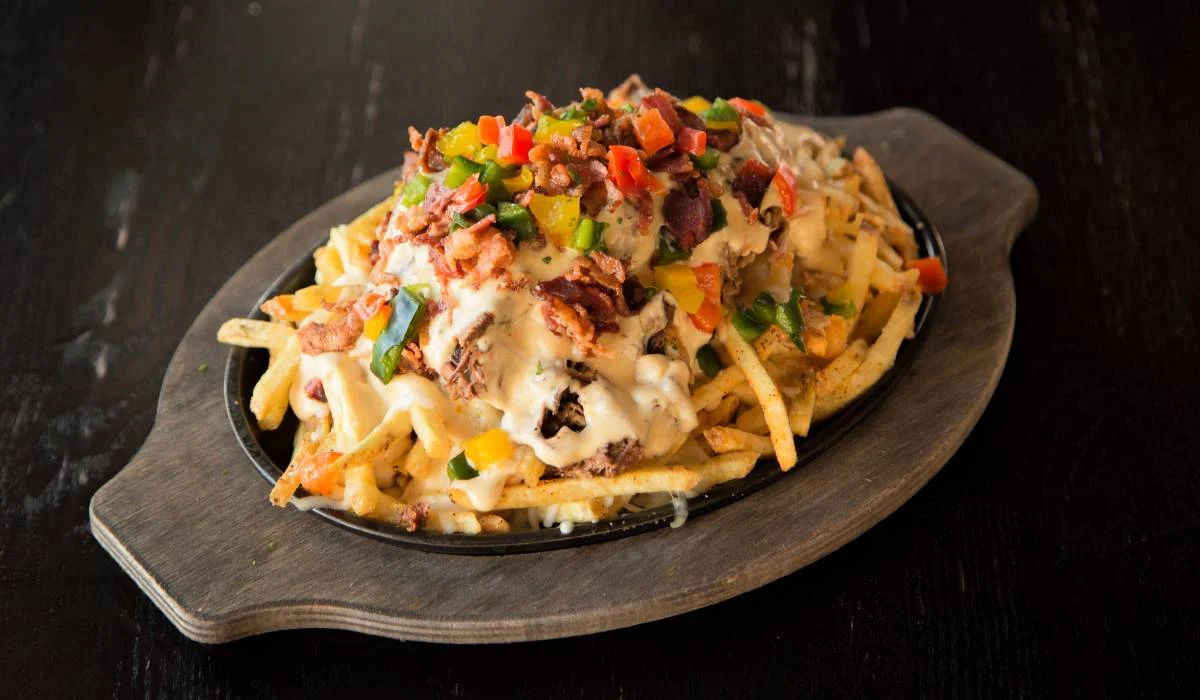
The contemporary dining landscape is currently undergoing a significant transformation as the "gastropub" identity matures from a niche British export into a cornerstone of the global hospitality industry. Once defined simply as a public house that served high-quality food, the modern gastropub has splintered into various specialized forms, ranging from industrial "eatertainment" hubs to scratch-kitchen sanctuaries. This evolution marks a departure from the mid-2000s trend of over-elaborate molecular gastronomy, moving instead toward a philosophy that prioritizes "approachable elevation"—a blend of high-end culinary techniques with the unpretentious atmosphere of a traditional neighborhood local.
The Historical Arc: From Alehouses to Culinary Destinations
The concept of the gastropub is a relatively recent addition to a centuries-old history of communal drinking. For the better part of a millennium, the drinking establishments of Roman Britain and the Anglo-Saxon alehouses of the Middle Ages focused almost exclusively on the production and sale of fermented beverages. Food, when available, was often a secondary consideration, designed for preservation rather than palate. This paradigm persisted through the 19th-century London "gin palaces" and the early American saloons, where the menu was frequently limited to salt-heavy snacks intended to stimulate further thirst.
The definitive shift occurred in 1991 when David Eyre and Mike Belben took over The Eagle in Clerkenwell, London. By applying restaurant-quality cooking techniques to a relaxed pub setting, they coined the term "gastropub." This movement crossed the Atlantic in the early 2000s, coinciding with the American craft beer revolution. Initially, the U.S. interpretation leaned heavily into the "gastro" side, often alienating patrons with overly complex menus featuring foams, gels, and esoteric ingredients. However, the last decade has seen a market correction. Today’s successful gastropubs have stripped away the pretension, focusing on sustainable sourcing and house-made staples to redefine what "bar food" can be.
Case Study: barleymash and the Philosophy of Scratch-Made Comfort
In San Diego’s competitive Gaslamp Quarter, barleymash has operated since 2012 as a primary example of the modern gastropub’s "approachable elevation" model. Executive Chef Kevin Templeton has observed the industry’s pendulum swing from simplicity to over-complexity and back again. According to Templeton, the goal of the modern gastropub is to provide items that are familiar to the American palate but executed with fine-dining rigor.
The culinary program at barleymash is built on a foundation of sustainability and manual labor—a "scratch-kitchen" ethos where even condiments like mayonnaise are produced in-house. This dedication to the fundamentals allows the kitchen to elevate standard fare, such as their signature slow-braised short ribs or tequila-deglazed spicy shrimp. By utilizing organic ingredients and house-cut fries, the establishment bridges the gap between a high-volume bar and a destination restaurant. Templeton notes that the modern gastropub must be a "vibrant, open place" where the quality of the food provides a sense of safety and community, particularly in an era dominated by digital interaction.
Theatricality and the "Experience Economy": The Edison Model
While some gastropubs focus on the refinement of the plate, others have integrated theatricality to cater to the growing "experience economy." The Edison, located in Disney Springs at Lake Buena Vista, Florida, represents a divergent branch of the gastropub evolution. Designed as a 1920s-inspired industrial power plant, the venue merges American cuisine with live entertainment and high-concept presentation.
Executive Chef Benjamin Dodaro explains that the challenge of the modern gastropub in a high-traffic tourist destination is balancing "exquisite" with "familiar." The Edison’s menu utilizes visual hooks—such as candied bacon served on a literal clothesline or Bavarian pretzels displayed on stands—to engage a social-media-savvy audience. However, the culinary substance remains. The "Angeled Eggs," a play on deviled eggs, are topped with an ounce of caviar, using a familiar "vessel" to introduce luxury ingredients to a broader demographic. This model suggests that the modern gastropub is no longer just a place to eat, but a stage where the meal serves as the central performance.
Social Connectivity and the Shareable Plate: American Social
A third model of the evolving gastropub is found in American Social, a Florida-based brand with five locations. This iteration focuses on the "social" aspect of the name, curating a menu specifically designed for communal dining. Executive Chef Ryan Leonard describes his menu philosophy as a "road trip," drawing from regional American influences to create a sense of nostalgia and familiarity.
The recent comprehensive menu overhaul at American Social highlights the industry’s shift toward "shareability." Items like goat cheese croquettes with a red chili guava glaze or New Orleans-inspired barbecue shrimp are designed to be passed around a table, fostering interaction. This strategy is backed by broader market data indicating that Millennial and Gen Z diners increasingly prefer "tapas-style" or shared plate experiences over traditional three-course meals.
Kathryn Raponi, Director of Innovation and Brand Experience at American Social, emphasizes that the beverage and food programs are no longer separate entities. The integration of "AmSo After Dark" late-night menus and "Boozy Brunch" programs indicates that the modern gastropub must be a multi-functional space that adapts its identity throughout the day to maximize guest retention and spend.
Market Data and Economic Implications
The shift toward the modern gastropub model is supported by significant shifts in consumer spending. According to recent hospitality industry reports, the "casual dining" and "polished casual" sectors—where gastropubs reside—have seen a 5-7% higher growth rate in year-over-year revenue compared to traditional fine dining. This is attributed to a "value-per-experience" metric; consumers are willing to pay premium prices for high-quality ingredients if the atmosphere remains relaxed and the service is efficient.
Furthermore, the integration of high-end cocktail programs has fundamentally changed the profit margins of these establishments. By moving away from standard well drinks to "gilded" Old Fashioneds featuring 18-year-old whiskeys and torched bacon, gastropubs are capturing the luxury spirits market. This "premiumization" of the bar program allows establishments to offset rising labor and food costs, which have increased by an average of 15% across the industry since 2021.
Broader Impact on the Hospitality Landscape
The evolution of the gastropub has forced a reckoning across the entire restaurant industry. Traditional bars are being forced to upgrade their food offerings to remain competitive, while fine-dining establishments are loosening their dress codes and simplifying their service styles to capture the "approachable" market.
The modern gastropub serves as a "sweet spot" in the market, as Chef Ryan Leonard suggests. By pulling from fine-dining techniques, regional nostalgia, and pop culture, these venues create an eclectic mix that appeals to a wide demographic. The implications are clear: the future of the industry lies in the fusion of high-quality craft and social accessibility.
As the category continues to take many forms—from the sustainable scratch-kitchens of San Diego to the theatrical destinations of Florida—the core philosophy remains constant. The true gastropub is no longer just about the beer or the food in isolation; it is about the "comprehensive product" of the guest experience. In an increasingly fragmented social landscape, the gastropub has reclaimed its historical role as the "third place"—a space between home and work where the quality of the table matches the quality of the conversation.