admin
admin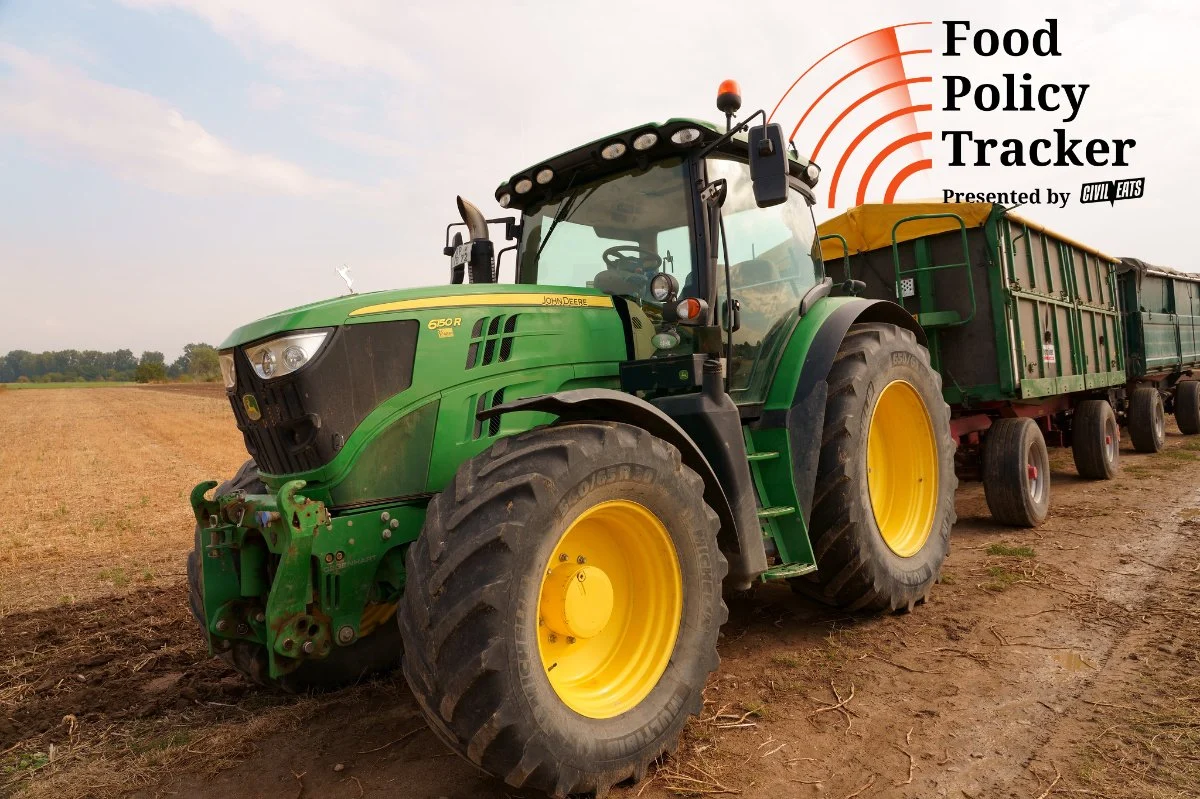
Federal agencies tasked with enforcing antitrust law have concluded two significant cases this week, addressing corporate control within the food and agriculture markets. One outcome grants farmers the long-sought "right to repair" their John Deere equipment, while the other compels major egg producers to pay a settlement over allegations of collusion and price-fixing. These developments carry substantial implications for both agricultural producers and consumers, particularly against the backdrop of an increasingly consolidated food system that has raised concerns about market fairness and competition.
The Right to Repair: Empowering Farmers Against Tech Monopolies
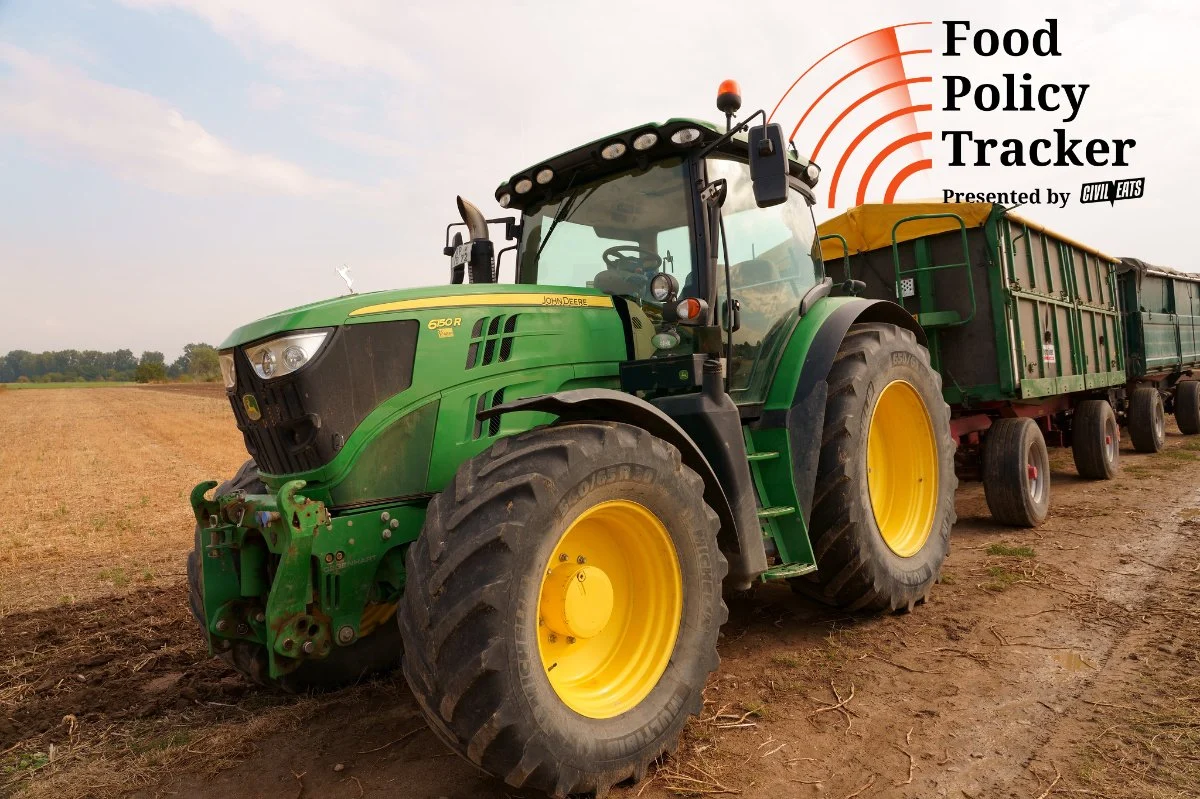
The most heralded of the two decisions came from the Federal Trade Commission (FTC) on Wednesday, July 9, 2026, announcing a settlement that mandates Deere & Company, the preeminent manufacturer of John Deere farm equipment, to furnish farmers with all necessary tools and resources for independent repairs. For years, Deere had restricted access to diagnostic software, specialized tools, and repair manuals exclusively to its network of authorized dealers. This restrictive practice forced farmers into costly and time-consuming service appointments, often requiring transportation of large machinery over significant distances, leading to prolonged downtime during critical planting or harvesting seasons. The inability to perform their own repairs or utilize independent mechanics significantly increased operational costs and reduced farmer autonomy, making the "right to repair" a central tenet of advocacy for numerous agricultural groups.
A Decades-Long Battle for Autonomy and Fair Competition
The struggle for the right to repair modern farm equipment has been a protracted one, intensifying as agricultural machinery became increasingly sophisticated and digitized. Contemporary tractors, combines, and planters are essentially computers on wheels, embedding complex software that controls everything from engine performance to precision agriculture functionalities. This technological evolution, while offering efficiency gains, inadvertently created a chokehold for manufacturers over equipment maintenance and repair. Farmers found themselves in a precarious position, owning expensive machinery but lacking full control over its upkeep, a situation that many likened to buying a car but being forbidden from changing its oil without dealership authorization.
The National Farmers Union (NFU), along with other prominent agricultural organizations like Farm Action, has been at the forefront of this movement. Their advocacy highlighted how manufacturers’ repair monopolies stifled competition in the repair market, inflated costs for farmers, and undermined the traditional self-sufficiency inherent to farming. A 2021 study by the U.S. Public Interest Research Group (PIRG) estimated that farmers could save billions of dollars annually if they had the right to repair their equipment independently, emphasizing the economic burden imposed by current restrictions. Beyond economics, the issue also touches upon data privacy, as manufacturers often collect extensive operational data from connected farm equipment, raising questions about ownership and use of that information.
The push for reform gained significant traction in 2022 when the NFU, alongside other groups, formally filed a complaint with the FTC, urging an investigation into Deere’s anti-competitive repair practices. This complaint served as a catalyst, prompting the FTC under former President Joe Biden’s administration to initiate a lawsuit against Deere in January 2025. Remarkably, the case was sustained and ultimately brought to a settlement under President Donald Trump’s FTC, demonstrating a rare bipartisan consensus on this specific antitrust issue.

The FTC’s Landmark Settlement and Its Specifics
The settlement announced this week represents a significant, albeit temporary, victory for farmers. Under the terms, Deere & Company is now obligated to provide farmers and independent repair shops with access to the same diagnostic tools, software, firmware, parts, and manuals that its authorized dealers utilize. This includes critical diagnostic software that can identify error codes, recalibrate components, and reset maintenance alerts – functionalities previously locked behind dealer-exclusive systems. The agreement aims to level the playing field, allowing farmers to diagnose issues, source parts from various channels, and perform repairs themselves or through local mechanics, potentially reducing repair times and costs.
However, a key caveat of the settlement is its duration: the terms are set for 10 years. While this provides immediate relief and a framework for improved repair access, it falls short of the permanent, statutory solution many advocates desire. Rob Larew, President of the National Farmers Union, expressed a mixed sentiment, stating, "We are happy to see the settlement provide farmers with what they should have had all along: the right to repair their own equipment." Yet, he swiftly added a call for further action: "We will keep fighting for a permanent, nationwide right-to-repair law that guarantees farmers fair and lasting access to the tools, parts, and information we need to keep our operations running." The provision for extension if Deere violates the terms offers some long-term leverage, but the desire for a legislative fix underscores the perceived fragility of a time-limited regulatory agreement.
Broader Implications for Agriculture and Beyond
This settlement sets a crucial precedent, not just for agricultural machinery but potentially for other industries grappling with similar "right to repair" challenges, from consumer electronics to medical devices. It signals a governmental recognition of the anti-competitive effects of manufacturers controlling post-sale repair markets. For agriculture, it could stimulate a more robust ecosystem of independent repair shops, foster innovation in third-party diagnostic tools, and ultimately contribute to the economic viability of smaller farms by reducing their operational overhead. Moreover, it empowers farmers to extend the lifespan of their equipment, promoting sustainability and reducing waste. The decision could also influence state-level legislative efforts, with several states already having introduced or passed "right to repair" bills, creating a patchwork of laws that a federal mandate could help standardize.
Cracking Down on Collusion: The Egg Industry Settlement
Earlier this week, the Department of Justice (DOJ) announced a separate settlement in collaboration with 17 states, targeting alleged anti-competitive practices within the egg industry. This case involved three of the nation’s largest egg producers – Cal-Maine Foods, Versova, and Hickman’s Egg Ranch – accused of colluding to artificially inflate egg prices over an extended period. The allegations centered on manipulating benchmark prices and coordinating supply, leading to significant financial burdens on consumers.
Allegations of Price Manipulation and Consumer Impact
The U.S. egg market, like many agricultural sectors, is characterized by a high degree of consolidation. The top four egg producers control a substantial share of the market, raising concerns among antitrust advocates about potential abuses of market power. The DOJ’s investigation alleged that Cal-Maine, Versova, and Hickman’s Egg Ranch engaged in coordinated conduct, including sharing sensitive pricing and production information, to manipulate the supply and benchmark prices of eggs. Such coordination, if proven, would constitute a classic case of price-fixing, directly violating antitrust laws designed to ensure fair competition.
The period of alleged collusion coincided with significant spikes in egg prices, which reached historic highs in various periods, including a particularly sharp increase in late 2022 and early 2023. While factors such as avian influenza outbreaks and increased production costs were cited by producers as contributors to rising prices, the DOJ’s allegations suggest that artificial market manipulation further exacerbated the situation. For consumers, these elevated prices translated into higher grocery bills for a staple food item, disproportionately affecting lower-income households. Data from the Bureau of Labor Statistics showed that egg prices, at their peak, had more than doubled year-over-year in some regions, significantly outpacing overall food inflation.

Deputy Assistant Attorney General Nicole Sarrine of the DOJ’s Antitrust Division emphasized the department’s commitment to consumer protection, stating, "The Antitrust Division is steadfast in our work to protect our nation’s citizens from illegal conduct that makes daily life less affordable." This statement underscores the government’s recognition of the tangible impact of corporate misconduct on everyday household expenses.
The DOJ’s Resolution and Its Criticisms
As part of the settlement, which still awaits court approval, the implicated companies did not admit to wrongdoing. This is a common feature in antitrust settlements, allowing companies to avoid a formal legal finding of guilt while agreeing to corrective actions. The terms of the settlement require the companies to collectively pay $3.3 million and donate 53 million eggs to charitable organizations. Furthermore, they are bound by requirements that prohibit them from communicating with competitors about pricing, production, or sales, and mandate the adoption of robust antitrust compliance programs to prevent future infractions.
However, this settlement has drawn sharp criticism from some antitrust enforcement advocates. Angela Huffman, President of Farm Action, voiced significant disappointment, highlighting the vast disparity between the settlement amount and the profits reported by the accused companies during the alleged period of collusion. Huffman pointed out that Cal-Maine Foods, for instance, reported $1.2 billion in profits during the height of the egg price spikes. "Consumers paid record prices while dominant egg producers reported extraordinary profits," Huffman stated, adding, "yet the result is another settlement that corporations can treat as the cost of doing business rather than meaningful accountability."
This critique resonates with a broader debate within antitrust circles: do settlements, particularly those without admissions of guilt and with financial penalties that are a fraction of the illicit gains, truly deter future anti-competitive behavior? Critics argue that such outcomes might embolden corporations to engage in similar practices, viewing potential fines as a manageable cost of doing business rather than a serious punitive measure. The donation of eggs, while beneficial to charities, is also seen by some as a public relations gesture rather than a significant deterrent to corporate misconduct.
The Ongoing Debate Over Corporate Accountability
The egg industry settlement reignites the conversation about the effectiveness of antitrust enforcement in an era of increasing corporate consolidation across the food supply chain. For many, the $3.3 million penalty seems insufficient to address the alleged harm caused to millions of consumers and to meaningfully deter companies with billions in revenue. It also raises questions about whether existing antitrust laws and enforcement mechanisms are robust enough to tackle the complexities of modern market manipulation, especially in sectors critical to food security and consumer welfare.
The Broader Landscape of Antitrust Enforcement in Food and Agriculture
These two cases, though distinct in their specifics, collectively illustrate the Biden and Trump administrations’ sustained focus on addressing anti-competitive practices in the agricultural sector. The "right to repair" settlement underscores a commitment to empowering individual farmers and fostering competition in essential service markets. The egg price-fixing case, despite its contentious settlement, signals the government’s vigilance against corporate collusion that directly impacts consumer prices.

Consolidation, Competition, and Consumer Welfare
The backdrop to both these cases is the ongoing trend of corporate consolidation within the U.S. food and agriculture system. From seed and chemical companies to meatpackers and food processors, fewer and larger corporations increasingly dominate critical segments of the supply chain. This consolidation has been linked to various issues, including reduced competition, increased prices for consumers, diminished bargaining power for farmers, and a lack of innovation. The FTC and DOJ have increasingly cited concerns about this consolidation, reflecting a renewed interest in using antitrust tools to address these systemic issues. The Biden administration, in particular, issued an executive order in 2021 aimed at promoting competition in the American economy, explicitly calling out issues in agriculture.
A Mixed Bag for Advocates
For advocates of stronger antitrust enforcement and fairer markets, the week’s announcements present a mixed bag. The John Deere settlement is largely viewed as a significant step forward, representing a tangible victory for farmers after years of advocacy. It validates the "right to repair" movement and could pave the way for broader reforms. However, the 10-year limitation means the fight for permanent legislative protection will continue.
The egg industry settlement, while addressing alleged wrongdoing, leaves many feeling that the punishment does not fit the crime. The lack of an admission of guilt and the relatively modest financial penalty in comparison to reported profits raise questions about whether true accountability was achieved. This disparity highlights the challenges in prosecuting complex antitrust cases and the difficulty in striking a balance between punitive measures and practical resolutions.
Ultimately, these developments serve as a stark reminder of the continuous tension between corporate power and public interest in the food and agriculture sectors. While regulatory bodies are demonstrating a willingness to intervene, the effectiveness and long-term impact of these interventions will continue to be a subject of intense scrutiny and ongoing advocacy. The fight for a more equitable and competitive food system, where both producers and consumers are protected from unchecked corporate power, remains a central challenge for policymakers and civil society alike.