admin
admin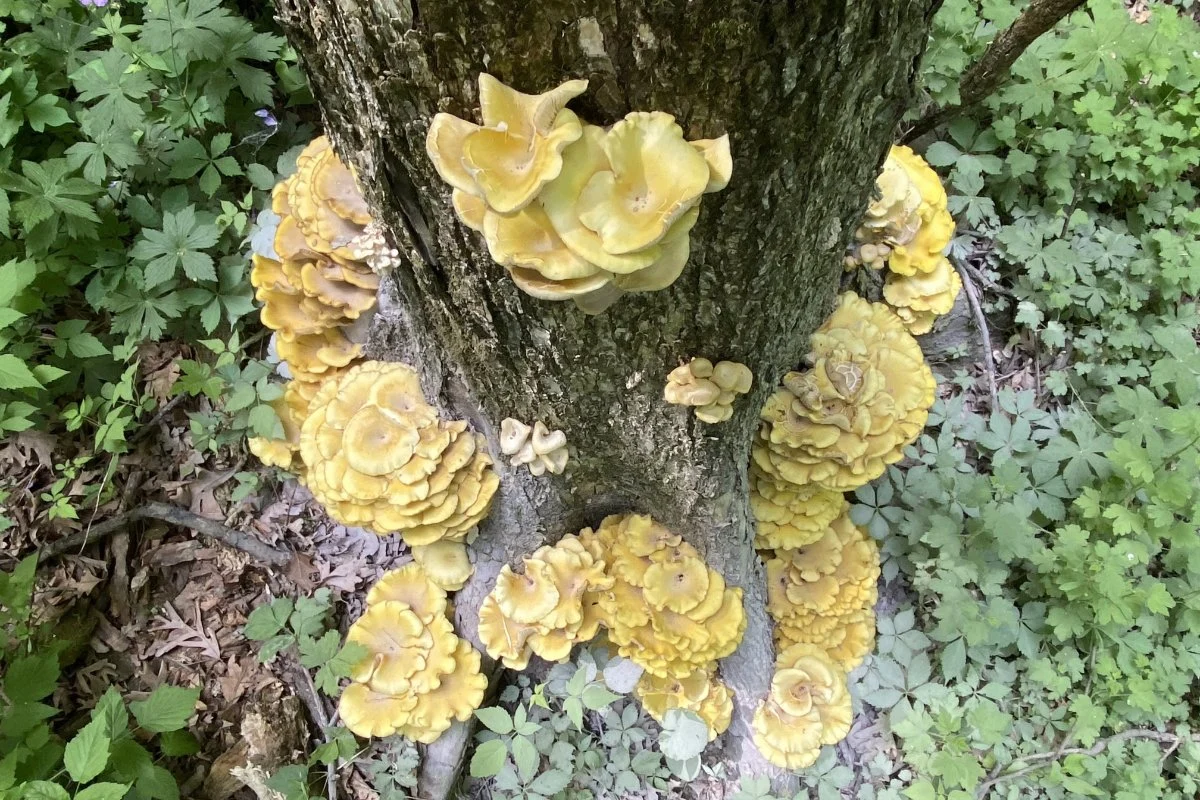
Mushroom foraging, a burgeoning hobby, carries inherent risks for the uninitiated, as underscored by this year’s alarming spate of poisonings, including significant outbreaks in California. While the vibrant golden oyster mushroom (Pleurotus citrinopileatus) remains entirely safe for consumption, its journey from an exotic culinary delicacy to a pervasive ecological threat in North American forests highlights a critical oversight in environmental regulation and a growing concern for biodiversity. Once confined to the hardwood forests of Russia, China, and Japan, where it plays a vital role in decomposing lignin and cellulose in deadwood, thereby recycling essential nutrients back into its native ecosystems, this species has now established a formidable presence across at least 25 U.S. states and one Canadian province, sparking urgent scientific inquiry and calls for revised biosecurity protocols.
The Unintended Spread: From Gourmet Plate to Forest Floor
The commercial cultivation of golden oyster mushrooms commenced in the United States in the early 2000s, following the importation of Asian-bred strains. Its rapid ascent in popularity was driven by several factors: its robust growth characteristics, perceived health benefits, and a distinctive cashew-like flavor that appealed to a wide consumer base. These attributes made it a favorite among commercial growers and home cultivators alike. However, the very vigor and adaptability that made P. citrinopileatus a commercial success also facilitated its escape into the wild, where its invasive potential quickly became apparent. Over the past two decades, commercial strains have seeped into natural environments, raising alarms among mycologists and conservationists about their capacity to disrupt indigenous forest ecosystems.
Scientists now believe that these escaped golden oyster mushrooms are actively outcompeting native fungal species, such as dryad’s saddle (Cerioporus squamosus) and the phoenix oyster (Pleurotus pulmonarius), both of which occupy similar deadwood habitats as saprophytes. This competition is not merely an academic concern; it carries profound implications for forest biodiversity. As the golden oyster potentially displaces native fungi, it could trigger a cascade of negative effects across the ecosystem, impacting not only the intricate fungal networks but also the myriad other species—from insects to larger wildlife—that rely on native mushrooms and the specific decomposition processes facilitated by their colonization of rotting logs. The situation underscores a broader challenge in managing non-native species, particularly those introduced for economic benefit without sufficient foresight regarding their ecological footprint.
An Invasive and Unregulated Threat: Scientific Discoveries and Citizen Science
The true extent of the golden oyster mushroom’s spread in North America has only recently come into sharper focus, largely thanks to the synergistic efforts of scientific researchers and citizen scientists. Leveraging vast datasets compiled through platforms like iNaturalist and MushroomObserver, a team of scientists embarked on a comprehensive mapping initiative to document the current range of P. citrinopileatus. Aishwarya Veerabahu, a Ph.D. candidate at the University of Wisconsin-Madison and a lead author of the pivotal study published in Fungal Ecology, revealed that the species’ proliferation was far more widespread than initial estimations suggested.
"We were initially hearing of it predominantly growing on elm and ash trees, primarily elm in the Midwest and ash in the Northeast," Veerabahu explained in a recent interview, detailing the early observations. "Since then, our data—much of it contributed by engaged citizens—has shown it thriving on a much broader array of hardwood species, including black cherry, tulip poplar, cottonwoods, maples, and oaks. This adaptability to diverse tree hosts amplifies its invasive potential."
The primary concern, as articulated by Veerabahu, centers on the golden oyster’s capacity to outcompete and subsequently diminish native fungal communities. To investigate this hypothesis, Veerabahu and her colleagues conducted detailed surveys of fungi present on dead elm trees in south-central Wisconsin. The findings were stark: elms colonized by golden oyster mushrooms exhibited a significantly reduced diversity of native fungal species compared to those where P. citrinopileatus was absent. This empirical evidence provides a critical scientific basis for labeling the golden oyster a genuine invasive threat, demonstrating its direct impact on local mycological biodiversity.
A Chronology of Introduction and Proliferation
The timeline of the golden oyster mushroom’s establishment in North America can be broadly outlined:
- Ancient History (Pre-20th Century): Pleurotus citrinopileatus thrives as a saprophytic decomposer in its native ranges of Eastern Asia (Russia, China, Japan), playing a crucial ecological role in nutrient cycling within hardwood forests.
- Early 2000s: Commercial cultivation begins in the U.S., driven by the importation of Asian-bred strains. The species quickly gains traction due to its ease of cultivation, rapid growth, and appealing flavor profile, positioning it as a popular gourmet mushroom.
- Mid-2000s to Early 2010s: Anecdotal reports and early observations of golden oyster mushrooms appearing in the wild begin to surface, particularly near cultivation sites. The high reproductive capacity (millions to billions of airborne spores) of P. citrinopileatus on commercial farms facilitates its escape into adjacent woodlands. Home cultivation, often involving grow kits and outdoor log inoculation, also contributes to spore dispersal.
- Mid-2010s Onwards: Citizen science platforms like iNaturalist and MushroomObserver become invaluable tools, allowing for widespread documentation of wild golden oyster sightings. The increasing frequency and geographical spread of these observations trigger scientific interest.
- Late 2010s to Early 2020s: Formal scientific studies, including Veerabahu’s research, are initiated to systematically map the distribution and assess the ecological impact of wild P. citrinopileatus populations. These studies confirm its invasive status and document its competitive advantage over native fungi.
- Present Day: Golden oyster mushrooms are confirmed in at least 25 U.S. states and one Canadian province, spanning diverse hardwood forest types. Scientists and some commercial growers begin to explore mitigation strategies and advocate for more robust regulatory frameworks.
The Broader Crisis of Invasive Fungi: Unseen Threats
While the golden oyster has become a "poster child" for invasive mushrooms due to its rapid spread and documented ecological impact, it is by no means an isolated case. The global trade in goods and increased human mobility have inadvertently facilitated the spread of numerous fungal species beyond their native ranges, many of which pose significant, yet often overlooked, threats.
Consider the notorious deathcap (Amanita phalloides), a highly poisonous fungus native to Europe. It is now well-established across North America, often found in association with oak and other hardwood trees. Its presence poses a severe public health risk, as its consumption can be lethal, further complicating the already hazardous practice of wild mushroom foraging. Similarly, the visually striking but also toxic fly agaric (Amanita muscaria), native to the Northern Hemisphere, has successfully colonized parts of the Southern Hemisphere, including Australia, New Zealand, and South Africa, often forming mycorrhizal associations with introduced pine and birch trees.
For scientists like Veerabahu, these established invasive fungi serve as critical warning signs, indicating that many more non-native fungal species, potentially with even more serious and unpredictable ecological ramifications, could follow. There is a prevalent awareness, both within scientific communities and the general public, regarding invasive plants and animals—species such as kudzu, feral pigs, zebra mussels, or emerald ash borers often feature in conservation discussions and regulatory efforts. However, the realm of invasive fungi remains largely under-recognized and under-regulated. This oversight is particularly concerning given fungi’s fundamental roles in ecosystems, from decomposition and nutrient cycling to symbiotic relationships with plants (mycorrhizae) and as pathogens of plants, animals, and even other fungi.
"We cannot precisely predict when a non-native species will transition from being benign to becoming aggressively invasive," Veerabahu stated, emphasizing the urgency of proactive measures. "The most effective approach, given the immense difficulty of eradicating fungi once they are established in the environment, is to implement robust preventative steps and stringent biosecurity protocols."

Regulatory Lapses and Loopholes: A Call for Fungal Biosecurity
The current regulatory landscape governing the import and domestic management of fungi in the United States is widely considered inadequate by mycologists and environmental advocates. Prevention of invasive fungal spread largely falls upon the shoulders of individual scientists, commercial mushroom growers, and even home cultivators, a burden disproportionate to the scale of the potential problem.
The U.S. Department of Agriculture Animal and Plant Health Inspection Service (APHIS) and U.S. Customs and Border Protection (CBP) do maintain regulations for importing mushroom spawn into the country. These regulations categorize mushroom imports into two main types: mushrooms intended for direct consumption and mushroom spawn. The former can typically be imported without a permit, provided they are free from soil, sawdust, and other extraneous materials. The latter, which includes liquid mushroom cultures, colonized substrates, or other propagation materials, may require an APHIS permit, specifically the PPQ 526, and subsequent inspection.
However, a significant loophole exists. Veerabahu highlighted that the PPQ 526 permit system is primarily geared towards the detection and prevention of known plant pathogens—fungi that cause disease in crops or native plants. Invasive saprophytic fungi, like the golden oyster, which primarily decompose deadwood rather than directly attacking living plants, often fall outside the direct scope of these regulations. "Golden oysters are not explicitly listed on any restricted list, and there is no comprehensive government list of non-native fungi," Veerabahu explained, recounting her own experience. When she sought clarification from APHIS regarding the need for a permit to import golden oyster spawn for research purposes, the response was telling. "They essentially said, ‘Yeah, the specimen you want is invasive,’ and I thought, ‘I know, I published the research on it!’" she recounted with a note of exasperation. "It was quite a surreal process. While there’s a vague acknowledgment of regulation, it’s definitively not tailored to cultivated fungi and their potential as ecological invaders."
Furthermore, while some states, such as California, Hawaii, and Georgia, have instituted additional, stricter regulations concerning fungal imports, these typically focus on known plant pathogens or fungi containing psychoactive compounds like psilocybin, again overlooking the broader category of environmental invaders. This fragmented and pathogen-centric approach to fungal regulation leaves substantial gaps that invasive species like the golden oyster mushroom readily exploit.
Industry Response and Mitigation Efforts
In response to the growing awareness of the golden oyster’s invasive status, scientists and progressive elements within the mushroom cultivation industry are beginning to collaborate on mitigation strategies. These efforts aim to develop and implement safer cultivation techniques that minimize the risk of spore escape and environmental contamination.
For commercial farms, this includes investing in advanced air filtration systems for grow rooms, implementing strict sterilization protocols for spent substrates, and exploring contained cultivation methods that prevent spores from becoming airborne and dispersing into surrounding natural areas. Some growers are also investigating ways to dispose of spent substrate in manners that neutralize viable spores, such as composting at high temperatures or anaerobic digestion.
For home growers, education is paramount. Initiatives are being launched to inform hobbyists about the risks associated with disposing of grow kits outdoors, inoculating logs for outdoor production in proximity to natural woodlands, and the general responsibility of preventing the spread of non-native species. Encouraging the cultivation of native mushroom species where appropriate, or utilizing closed-loop indoor systems for non-native varieties, are key recommendations.
California’s Far West Fungi, a prominent mushroom farm, for instance, emphasizes the cultivation of a variety of mushrooms, including popular native species like lion’s mane (Hericium erinaceus), which is revered for its purported health benefits, particularly in supporting brain health, memory, and cognition. While they may also cultivate non-native species, responsible growers are increasingly mindful of containment and biosecurity, recognizing their role as stewards of both agricultural practice and ecological integrity.
The Path Forward: Prevention and Policy Reform
The saga of the golden oyster mushroom serves as a compelling case study, illustrating the complex interplay between economic opportunities, scientific understanding, and environmental stewardship. It underscores the urgent need for a more comprehensive and proactive approach to fungal biosecurity in North America and globally.
Moving forward, several key actions are essential:
- Enhanced Regulatory Frameworks: APHIS and other relevant agencies need to broaden their regulatory scope to specifically address non-native, potentially invasive fungal species, moving beyond a sole focus on plant pathogens. This would involve creating a comprehensive list of non-native fungi, assessing their invasive potential, and establishing clear guidelines for their import, cultivation, and disposal.
- Increased Research and Monitoring: Continued investment in mycological research is crucial to identify potential invaders, understand their ecological roles, and develop effective monitoring and mitigation strategies. Citizen science initiatives, like iNaturalist, should be further integrated into formal monitoring programs.
- Industry Best Practices: Commercial and home growers must adopt rigorous biosecurity protocols to prevent spore dispersal. This includes investing in contained cultivation systems, implementing proper waste management, and prioritizing the cultivation of native species when ecologically appropriate.
- Public Awareness and Education: Educating the public about the risks of invasive fungi, responsible mushroom cultivation, and safe foraging practices is vital. This can help foster a culture of environmental responsibility among hobbyists and consumers.
- International Collaboration: Given the global nature of trade and species movement, international cooperation is necessary to harmonize regulations and share best practices for preventing the transcontinental spread of invasive fungi.
The golden oyster mushroom, a symbol of culinary delight, has inadvertently become a harbinger of a broader ecological challenge. By learning from its uncontrolled spread, North American authorities, scientists, and the public have an opportunity to institute preventative measures that safeguard the delicate balance of forest ecosystems against future, potentially more devastating, fungal invasions. The time for a comprehensive fungal biosecurity strategy is now, before more of nature’s unseen architects silently reshape our vital woodlands.