admin
For decades, the global perception of Japanese beverages has been dominated by the venerable tradition of sake, the potent spirit of shochu, or the ubiquitous popularity of local beers. However, beneath this established surface, a profound viticultural transformation has been quietly fermenting across the archipelago. From the sun-drenched slopes of Honshu’s southern reaches, through the mineral-rich volcanic soils cradling Mount Fuji in Yamanashi, to the verdant, cool river valleys of Hokkaido in the north, Japan is steadily carving out its niche on the world wine map. This burgeoning industry, characterized by innovation and a deep respect for terroir, is increasingly gaining international recognition, and at its heart, establishments like Hotel La Vigne in Hakuba are becoming pivotal in showcasing its diverse excellence.
The Genesis of a Vinous Nation: A Historical Perspective and Modern Boom
The story of wine in Japan is not a recent phenomenon, though its rapid ascent to global prominence certainly is. Commercial winemaking in Japan dates back to the late 19th century, with Yamanashi Prefecture leading the charge, particularly with the indigenous Koshu grape. For many years, Japanese wines were largely consumed domestically, often overshadowed by imported varieties and the nation’s traditional alcoholic beverages. The industry faced unique challenges, including Japan’s humid climate, which necessitates meticulous vineyard management and innovative viticultural techniques to prevent disease and ensure grape quality. Early efforts often involved hybrid grapes or varieties that struggled to express true terroir.
However, a renewed focus on quality, combined with advancements in viticulture and enology, has propelled the industry forward. Over the past two decades, there has been an exponential increase in both the number and sophistication of wineries. Today, Japan boasts nearly 500 wineries, a figure that continues to grow rapidly year-on-year. This expansion is driven by a passionate generation of winemakers, many of whom have trained in established wine regions globally, returning to apply their knowledge to Japan’s unique microclimates and soil compositions. The 2010s marked a significant turning point, with Japanese wines, particularly those made from Koshu and international varietals, consistently winning prestigious awards at international competitions. This external validation, coupled with increasing domestic demand and a sophisticated culinary scene, has fostered an environment ripe for viticultural revolution.
The Japanese government, through initiatives like the "Cool Japan" strategy, has also played a role in promoting the country’s agricultural products, including wine, to a global audience. This support has helped local wineries overcome export hurdles and gain visibility in international markets, turning what was once a domestic curiosity into an export-ready product with distinct characteristics.
Hotel La Vigne: Hakuba’s Epicenter of Japanese Oenology
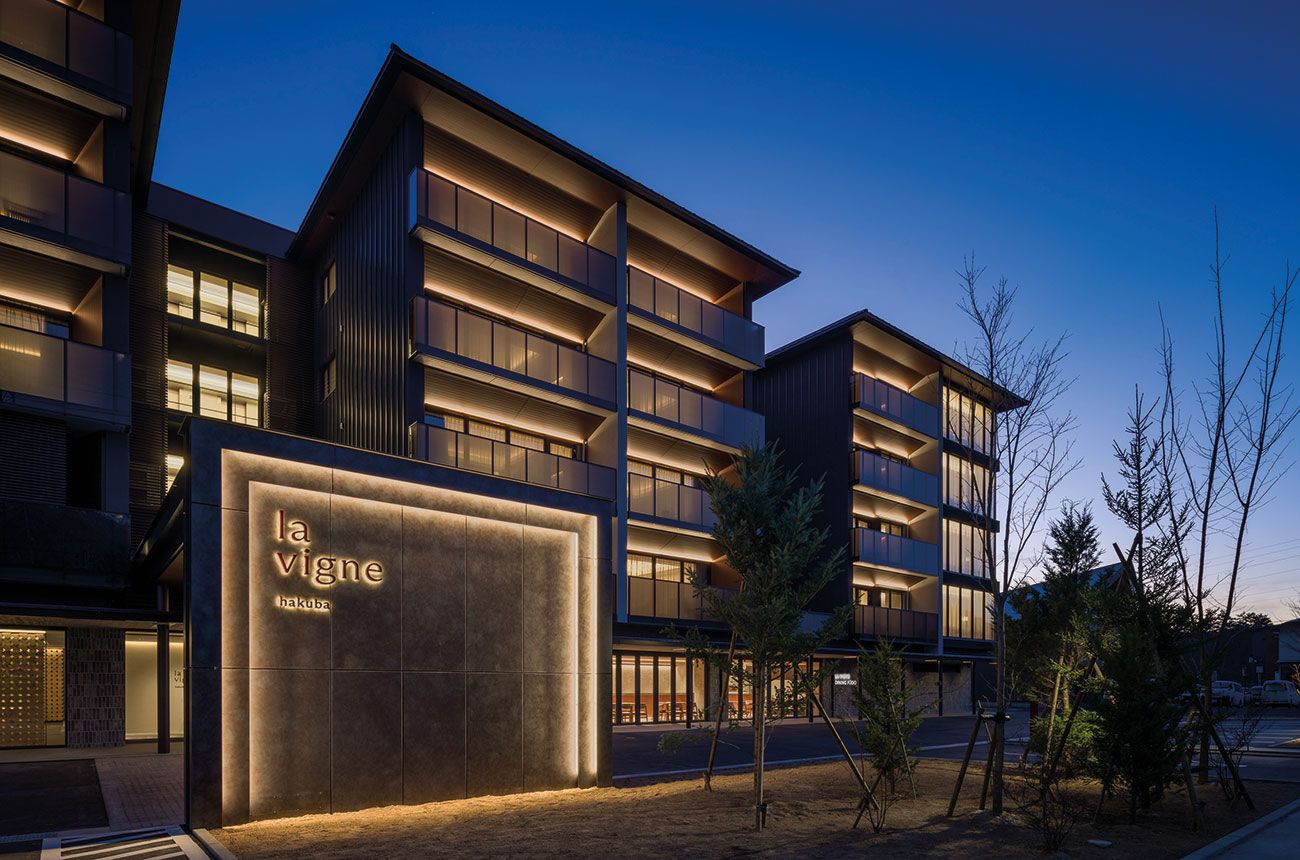
Nestled in Hakuba, a renowned ski resort town that hosted events during the 1998 Winter Olympics in Nagano Prefecture, Hotel La Vigne by Onko Chishin stands as a testament to Japan’s burgeoning wine culture. While a ski destination might seem an unconventional setting for a premier wine hotel, its location, approximately 270 kilometers and a 3.5-hour journey by bullet train and bus from Tokyo, is strategically significant. Nagano Prefecture itself is a vital player in the Japanese wine scene, home to five distinct wine regions and approximately 70 wineries. This rich local context transforms La Vigne from a mere hotel into a veritable hub for exploring the diverse expressions of Japanese viticulture.
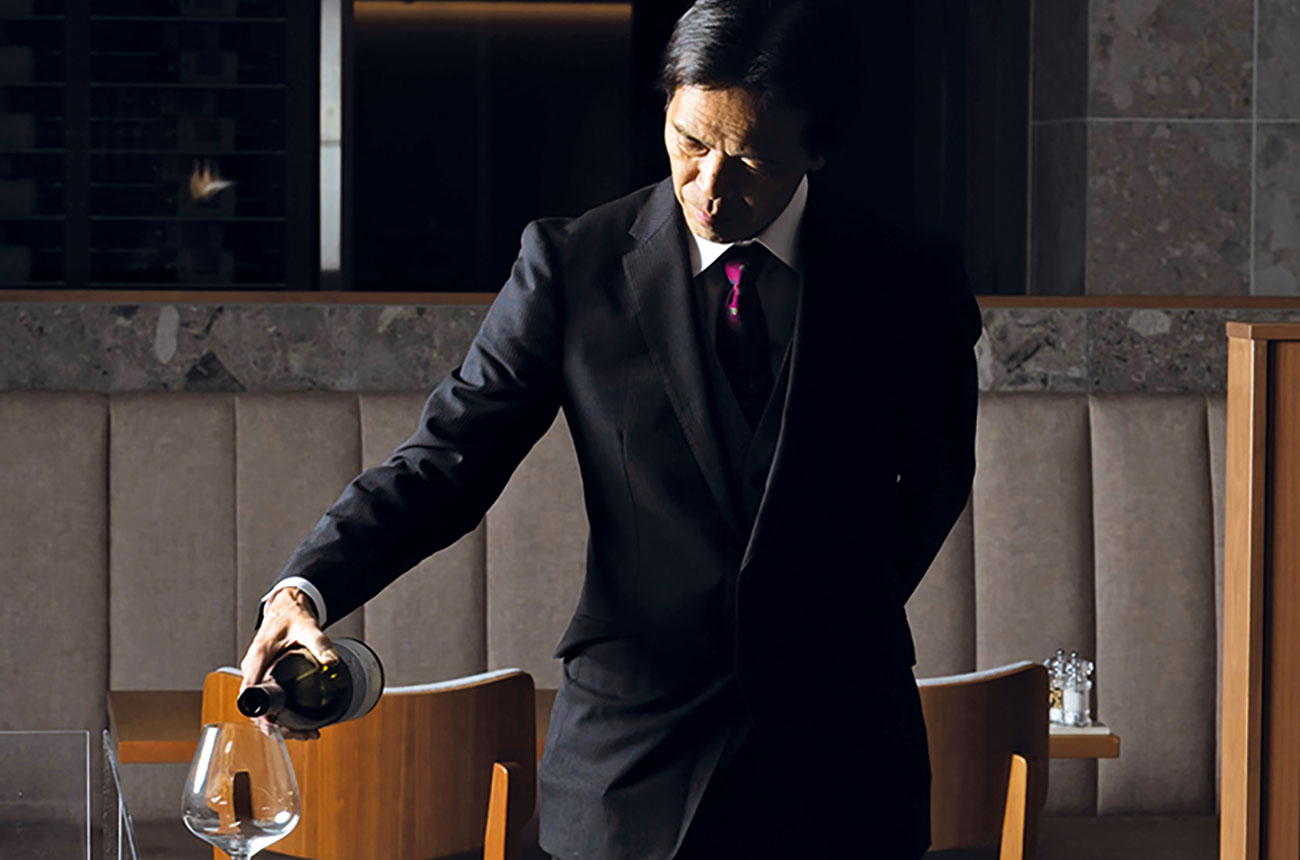
The hotel’s dedication to Japanese wine is immediately apparent in its extraordinary cellar, which houses over 1,000 Japanese bottles. This impressive collection is meticulously curated by Hiroyuki Yoshida, the esteemed in-house sommelier, whose passion for and encyclopedic knowledge of Japanese wines is the driving force behind La Vigne’s unique identity. Yoshida’s commitment extends to crafting his own label, Cuvée Yoshida, a limited release that epitomizes the quality achievable in the region. His philosophy centers on showcasing the incredible diversity and potential of Japanese terroir, offering guests an unparalleled journey through the nation’s wine landscape.
A Culinary Journey with a Japanese Wine Lens
The focal point of La Vigne’s wine experience is its contemporary restaurant, Fudo. Here, the synergy between local produce and expertly paired Japanese wines comes alive under Yoshida’s guidance. The menu at Fudo offers a refined French-inflected tasting experience, alongside live cookery teppanyaki, all designed to complement the unique characteristics of Japanese wines. Imagine pan-seared local fish served with a creamy mountain vegetable risotto and shavings of black truffle, perfectly matched with a vibrant, mineral-driven Koshu from Yamanashi, or a rich, structured Cabernet Sauvignon from Yamagata.
Yoshida’s pairings are not just about taste; they are an educational narrative. Guests embark on a story of discovery, learning about the distinct terroirs and winemaking philosophies across Japan. The extensive wine list features traditional brut sparkling wines from Yamanashi, known for their elegance and finesse; crisp, aromatic Sauvignon Blancs from Nagano, reflecting the region’s cooler climate; robust Cabernet Sauvignons from Yamagata, demonstrating the potential for international varietals; and delicate, nuanced Pinot Noirs from Hokkaido, a region rapidly gaining acclaim for its Burgundian-style wines. Central to this experience are the various regional expressions of Koshu, Japan’s native grape, celebrated for its unique savory, citrus, and umami notes that pair exceptionally well with Japanese cuisine.
A highlight of any visit is undoubtedly a sampling of the Cuvée Yoshida. This crisp and aromatic Chardonnay, crafted personally by Hiroyuki Yoshida, uses 100% Chardonnay grapes meticulously grown in the nearby Takayama Village. Fermented in stainless steel to preserve its purity and freshness, the wine on a recent visit presented with delicate ripples of minerality and a vibrant acidity, embodying the pristine character of its mountainous origin. Yoshida’s choice to work with Chardonnay from Takayama Village is a deliberate one, highlighting the village’s specific microclimate and soil, which impart a distinctive character to the grape, showcasing the sommelier’s deep understanding of local terroir.
Nagano’s Terroir: The Unsung Hero
Nagano’s prominence in the Japanese wine narrative is no accident. The prefecture is blessed with a diverse topography, characterized by high elevations, significant diurnal temperature variations, and varied soil compositions ranging from volcanic ash to alluvial deposits. These conditions are ideal for viticulture, allowing grapes to develop complex flavors and retain acidity. The five distinct wine regions within Nagano each offer unique expressions. For instance, the cooler northern areas are excellent for white varietals like Chardonnay and Sauvignon Blanc, while the central and southern parts can ripen red grapes like Merlot and Cabernet Sauvignon.
Wineries such as Kido and Votano, highly praised locally, exemplify the quality being achieved in Nagano. Kido Wines, for example, is celebrated for its commitment to minimal intervention and a deep respect for the land, producing wines that truly reflect their origin. Votano, another esteemed producer, focuses on handcrafted wines, often in small batches, showcasing the meticulous care that defines Japanese winemaking.
Beyond grapes, Nagano’s agricultural bounty further supports its burgeoning wine scene. The region is famous for its apple-fed wagyu beef, which offers a rich, marbled texture and delicate flavor; high-quality buckwheat for soba noodles; and an abundance of wild mushrooms. This wealth of local produce provides chefs like those at Fudo with an incredible palette to create dishes that resonate with the regional wines, creating a truly holistic gastronomic experience. The interplay between the local ingredients and the wines creates a unique "food and wine culture" that is distinctly Japanese, emphasizing harmony and balance.
Beyond the Dining Room: A Base for Alpine Exploration
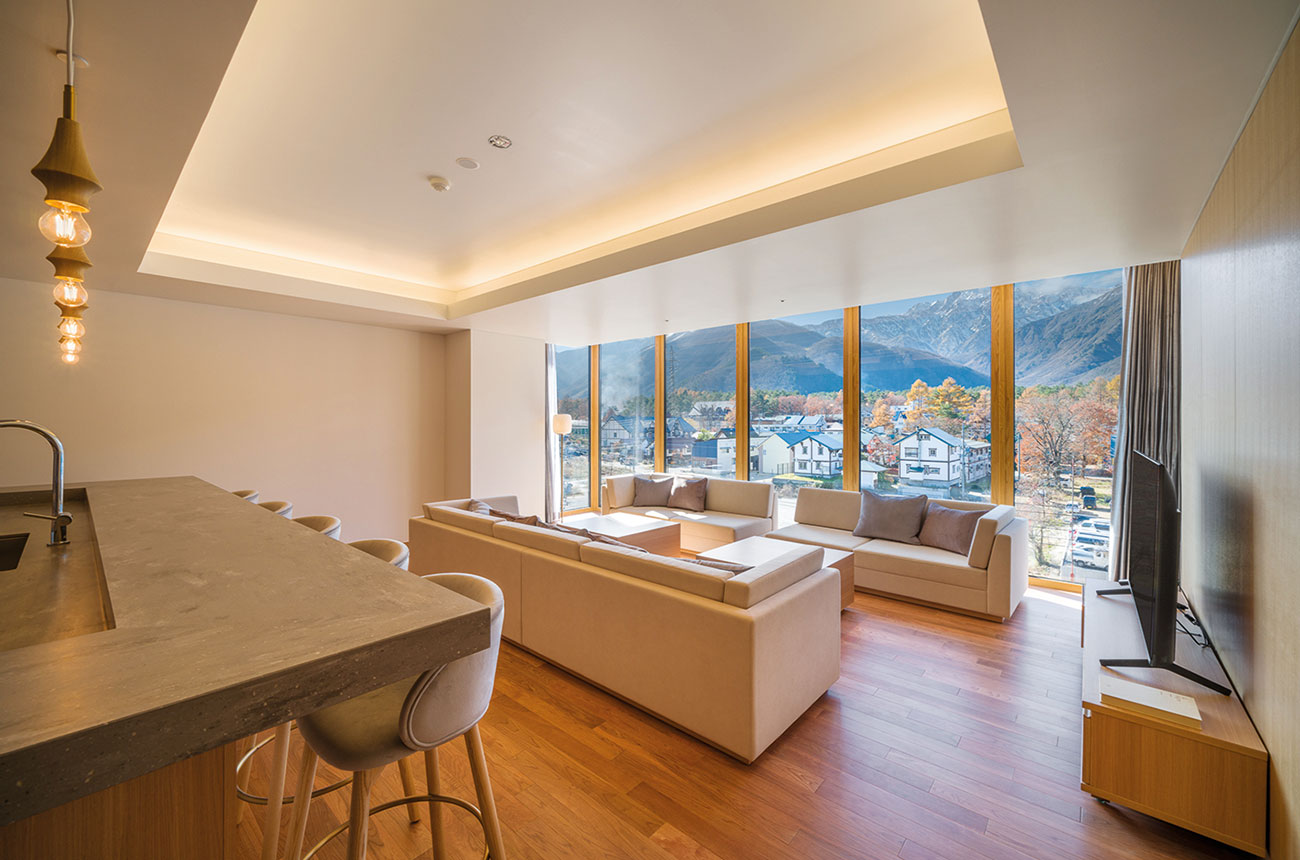
While Fudo restaurant and Yoshida’s unparalleled collection form the undeniable heart of Hotel La Vigne, the establishment also serves as an exceptional base for exploring the dramatic Japanese Alps. The hotel’s 38 sleek and stylish rooms are designed with an elegant simplicity that harmonizes with the surrounding natural beauty. Warm woods, soothing taupe fabrics, and sliding doors reminiscent of traditional Japanese shoji paper panels create an ambiance of serene comfort. Each room features floor-to-ceiling windows and private balconies, opening up to majestic panoramas of the snow-capped Alps, dotted with ski runs and the historic Olympic ski-jumping stadium.
Understanding the needs of its adventurous guests, La Vigne provides practical amenities for longer stays, including fully equipped kitchenettes for self-catering and laundry facilities, perfect for freshening up ski or hiking gear after a day on the slopes or trails. For those seeking ultimate relaxation, some rooms boast luxurious bathtubs strategically positioned to overlook the breathtaking alpine scenery, offering a perfect spot to unwind while savoring the hotel’s own-brand amenities, exquisitely infused with essential oils extracted from grapes, further connecting the guest experience to the world of wine.
The hotel’s lobby, itself a contemporary interpretation of Japanese design, features a striking lattice-designed ceiling and elaborate wood art pieces crafted by local Nagano artist Moe Ando. Unique "walnut glass" pendant lights, made using burnt nut shells from nearby Tomi City, add a touch of artisanal charm. Here, friendly and knowledgeable staff await, ready to assist with every request, enhancing the guest’s exploration of Hakuba and its surroundings. They provide discounted tickets and complimentary transfers to local attractions like the Hakuba Iwatake Mountain Resort in summer, and facilitate bookings for transfers to the local train or bus stations.
Depending on the season, guests’ itineraries will vary dramatically – from exhilarating skiing in winter to invigorating hiking or cycling in summer. Regardless of the time of year, Hiroyuki Yoshida extends his passion beyond the hotel walls by arranging exclusive visits to his favorite local wineries. These often include Obuse Winery, renowned for its low-intervention approach and producer of Yoshida’s own cuvée, and Villa d’Est, another prominent regional winery celebrated for its quality. These curated tours offer an intimate glimpse into the winemaking process and the philosophies of local producers.
Furthermore, Hotel La Vigne regularly hosts special wine events, such as intimate producer dinners where guests can meet the winemakers themselves, or unique hands-on experiences. During a recent visit, guests had the rare opportunity to bottle their own local wine directly from the barrel, an immersive experience that deepens appreciation for the craft. Such events solidify La Vigne’s position not just as a place to stay, but as a dynamic center for wine education and appreciation.
Broader Impact and Future Outlook
The rise of Japanese wine, championed by establishments like Hotel La Vigne, carries significant broader implications. Economically, it revitalizes rural communities by creating jobs, fostering local agriculture, and driving tourism. Vineyards and wineries are becoming new attractions, drawing visitors keen to explore Japan’s lesser-known regions and experience its unique agricultural offerings. This contributes to a diversification of the Japanese tourism industry, moving beyond traditional cultural sites to encompass a more experiential and gastronomic focus.
Culturally, Japanese wine is becoming a proud export, challenging preconceived notions about Japan’s culinary and beverage landscape. It adds another layer to the "Cool Japan" narrative, showcasing the country’s ability to adapt, innovate, and excel in diverse fields. The meticulous attention to detail, precision, and harmony that define Japanese craftsmanship are evident in its wines, resonating with an international audience that values quality and uniqueness.
However, challenges remain. Climate change poses a threat to viticulture globally, and Japan’s unique weather patterns require continuous adaptation. Competition from established global wine regions is fierce, and Japanese wines must continue to differentiate themselves through quality and distinctiveness. Market penetration, especially in Western markets, requires sustained effort in marketing and distribution.
Despite these hurdles, the future of Japanese wine appears bright. The industry benefits from a dedicated community of winemakers, supportive government initiatives, and a growing international reputation. Indigenous grapes like Koshu and Muscat Bailey A offer unique flavor profiles that appeal to adventurous palates, while the mastery of international varietals demonstrates versatility. The natural synergy with Japan’s exquisite cuisine further strengthens its appeal. As Hotel La Vigne in Hakuba continues to uncork new discoveries, it serves as a beacon for Japan’s silent revolution, positioning the nation not just as a consumer, but as a serious and respected producer on the global stage of fine wine. Stays at La Vigne and bespoke visits to Japan’s captivating wine regions can be expertly arranged through Inside Japan Tours, offering an unparalleled gateway to this evolving vinous landscape.