admin
admin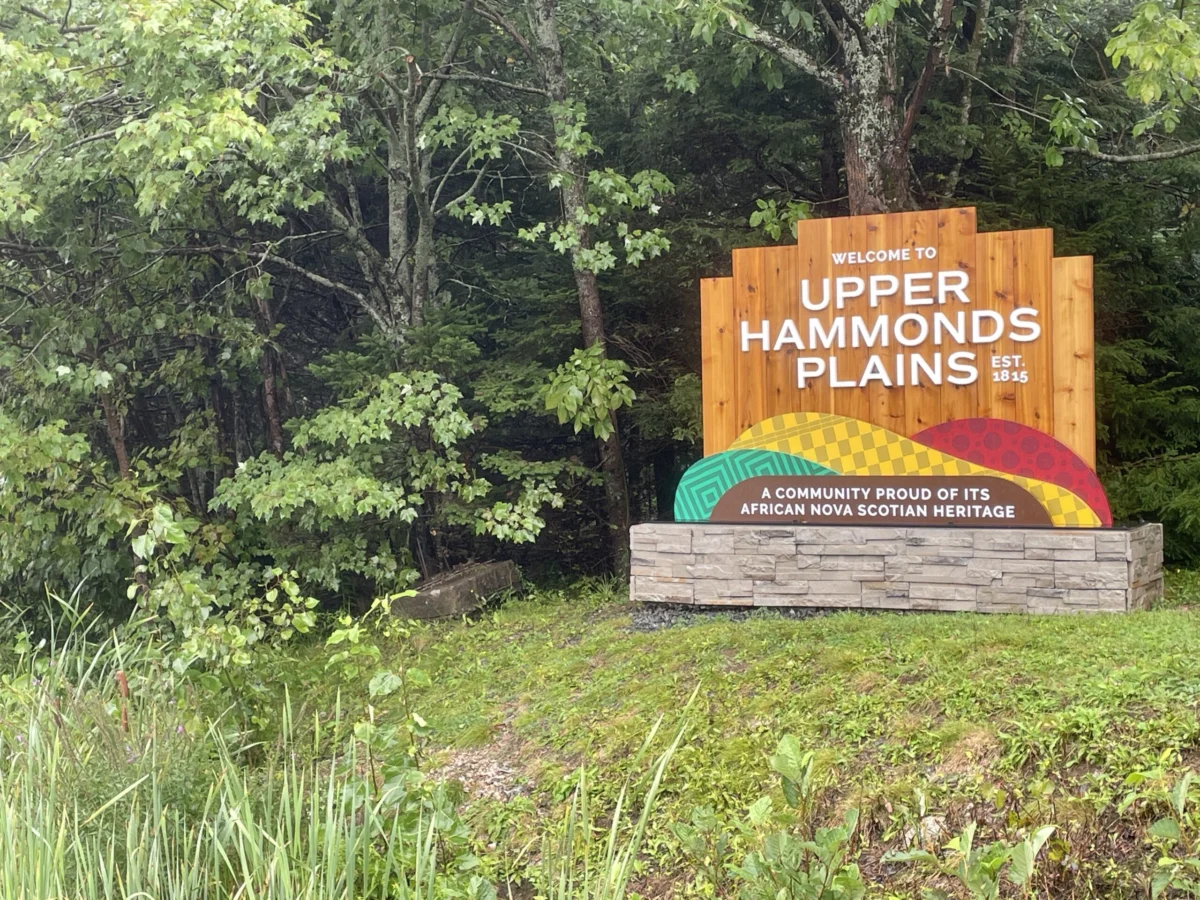
The historic African Nova Scotian community of Upper Hammonds Plains is set to enhance its resilience against the escalating threat of wildfires, following a significant provincial investment aimed at protecting its invaluable heritage and residents. The Nova Scotia government has committed $199,000 from its Sustainable Communities Challenge Fund to the Upper Hammonds Plains Community Land Trust, empowering the organization to develop comprehensive wildfire risk assessment and mitigation strategies. This funding addresses not only the immediate safety of the community’s infrastructure but also underscores the profound cultural and historical significance of preserving a settlement that has thrived for over two centuries.
A Legacy Forged in Time: The Heritage of Upper Hammonds Plains
Established 211 years ago, Upper Hammonds Plains stands as one of Nova Scotia’s oldest and most enduring African Nova Scotian communities, a testament to the resilience and perseverance of its founders. Dating back to the early 19th century, the community was settled by Black Loyalists and refugees from the War of 1812, who, despite facing systemic discrimination and hardship, built a vibrant and self-sustaining society. Over generations, residents have cultivated deep roots, maintaining strong communal bonds and preserving unique cultural traditions. The community is home to approximately 85 historic homes, a venerable church, and various community buildings, all of which serve as tangible links to a rich and often challenging past. These structures are more than mere buildings; they are repositories of memory, embodying the struggles and triumphs of generations of African Nova Scotians who shaped this landscape. Hammonds Plains-Lucasville MLA Rick Burns eloquently articulated this sentiment on Friday, stating, "What is being protected here is not only housing, it is 211 years of community." This sentiment highlights the dual imperative of the funding: physical protection and cultural preservation.
The Shadow of Tantallon: A Wake-Up Call for Regional Preparedness
The impetus for this focused investment stems directly from the devastating Tantallon wildfire of May 2023, a calamitous event that served as a stark reminder of Nova Scotia’s vulnerability to extreme weather events. The Tantallon fire, which swept through parts of Halifax Regional Municipality (HRM) and Lunenburg County, destroyed 151 homes and temporarily displaced approximately 16,000 people. The blaze consumed over 25,000 hectares, causing an estimated $165 million in insured losses, making it one of the most destructive wildfires in Nova Scotia’s history. The inferno, fueled by dry conditions and high winds, exposed critical gaps in community preparedness and infrastructure, particularly concerning egress routes and the proximity of residential areas to wildland-urban interfaces.

For Upper Hammonds Plains, located in relative proximity to the Tantallon burn zone, the experience was profoundly unsettling. The smoke-filled skies and the harrowing images of destruction spurred the Upper Hammonds Plains Community Land Trust into immediate action. Curtis Whiley, founder and CEO of the trust, recalled the urgency felt by residents: "We were trying to figure out what can we do right now to ease people’s minds, right? So we started to try to figure out how we can do some education with folks to understand what they can do around their own homes." The 2023 fire season was unprecedented across Canada, with over 6,500 fires burning more than 18.5 million hectares, significantly exceeding the ten-year average. This national context further amplified the need for localized, proactive measures in communities like Upper Hammonds Plains.
The Role of the Upper Hammonds Plains Community Land Trust
The Upper Hammonds Plains Community Land Trust, a non-profit organization dedicated to preserving the community’s land, history, and culture, has taken a leading role in advocating for and implementing wildfire mitigation strategies. Community Land Trusts (CLTs) are increasingly recognized as vital tools for sustainable community development, especially in protecting vulnerable populations and historical assets from external pressures, including climate change impacts and gentrification. By holding land in trust for the benefit of the community, the Upper Hammonds Plains CLT ensures that development aligns with local needs and values, fostering long-term stability and cultural continuity.
The $199,000 provincial funding will enable the trust to embark on a series of critical initiatives. These include detailed wildfire risk assessments for individual properties and shared community assets, the development of tailored mitigation plans, community clean-ups to remove combustible materials, and crucial homeowner education programs. The trust is actively engaged with FireSmart Canada, a national program that provides communities and homeowners with recommendations and resources to prepare for and mitigate wildfire risks. FireSmart principles emphasize creating defensible spaces around homes, managing vegetation, and using fire-resistant building materials.
Implementing FireSmart Principles: Practical Steps for Community Safety
Assistant Fire Chief Richard Hayes with Halifax Fire elaborated on the practical application of FireSmart principles, which will be central to the trust’s efforts. "Looking at the tree areas surrounding your property and looking at what can burn and bring that fire close, that’s what we concentrate on," Hayes explained. "So right around the home, just making sure that there’s no combustibles." Specific actions stemming from the FireSmart program often include:

- Zone 1 (0-1.5 meters from the home): Removing all combustible materials such as mulch, shrubs, firewood, and flammable plants. Ensuring roofs and gutters are free of debris.
- Zone 2 (1.5-10 meters): Creating a lean, clean, and green zone by thinning vegetation, pruning trees, and replacing highly flammable plants with fire-resistant varieties.
- Zone 3 (10-30 meters): Reducing the density of trees and shrubs, removing deadfall, and breaking up continuous fuel pathways.
- Home Hardening: Encouraging the use of fire-resistant materials for roofing, siding, windows, and decks, as well as ensuring proper ventilation screening.
The funding will facilitate home assessments by qualified professionals, who will provide individualized advice to residents, transforming theoretical knowledge into actionable steps. Community clean-ups will foster collective responsibility and visible progress, reinforcing the idea that wildfire safety is a shared endeavor.
Addressing Egress and Broader Infrastructure Challenges
Beyond wildfire mitigation, Upper Hammonds Plains faces significant infrastructure challenges, particularly concerning egress and community connectivity. A Halifax Regional Municipality staff report released in July 2023 identified Upper Hammonds Plains as the third-worst community in the municipality regarding egress issues, ranking it among the top 100 most vulnerable communities. Egress, or the ability for residents to safely exit an area during an emergency, became a critical point of concern during the Tantallon wildfire, where traffic congestion severely hampered evacuation efforts in affected areas.
The report highlighted that a rapidly growing population, coupled with ongoing residential developments in the surrounding Hammonds Plains area, exacerbates existing infrastructure limitations. Residents have consistently voiced their concerns about traffic bottlenecks, the inadequacy of road networks, and the potential for gridlock during an emergency. Curtis Whiley acknowledged these broader issues, stating that the land trust has engaged in "productive discussions with all levels of government on improving the situation." He sees the latest investment as a positive step, but also as part of a larger, ongoing dialogue. "Partners are coming together to the table to really address all of these concerns, including water infrastructure (…) emergency egress and even community connectivity, which is what we’re really advocating for," he said. He further emphasized, "(It’s) going to require significant investment, right, once these studies are all completed." This points to a holistic approach where wildfire risk reduction is intertwined with broader urban planning, emergency management, and long-term infrastructure development.
A Model for Sustainable Community Resilience
The provincial funding for Upper Hammonds Plains serves as more than just a financial injection; it represents a commitment to supporting community-led initiatives in the face of climate change. The Sustainable Communities Challenge Fund, from which this grant originates, aims to help Nova Scotian communities adapt to the impacts of climate change, reduce greenhouse gas emissions, and build a more sustainable future. By investing in a historic African Nova Scotian community, the province also acknowledges the disproportionate impacts of climate change on marginalized populations and the importance of equitable climate action.

This initiative in Upper Hammonds Plains can serve as a model for other vulnerable communities across Nova Scotia and indeed, across Canada. It demonstrates the power of collaboration between community organizations, municipal fire services, and provincial governments in fostering resilience. The multi-faceted approach, combining historical preservation with proactive environmental management and infrastructure advocacy, underscores a forward-thinking vision for sustainable community development.
Looking Ahead: A Future Secured by Collective Action
The $199,000 investment marks a crucial step in a longer journey towards comprehensive safety and sustainability for Upper Hammonds Plains. While the immediate focus is on wildfire risk reduction and education, the ongoing dialogue about egress, water infrastructure, and community connectivity signals a commitment to a holistic approach to community well-being. The Upper Hammonds Plains Community Land Trust, with its deep roots in the community and its forward-looking vision, is well-positioned to lead these efforts, ensuring that the legacy of 211 years continues to thrive for generations to come. The collective efforts of residents, local leaders, and governmental partners are weaving a stronger fabric of resilience, proving that by safeguarding the past, communities can confidently build a more secure future. This investment is not merely about preventing fires; it is about preserving identity, fostering self-determination, and ensuring the enduring vitality of a cherished Nova Scotian heritage.