admin
admin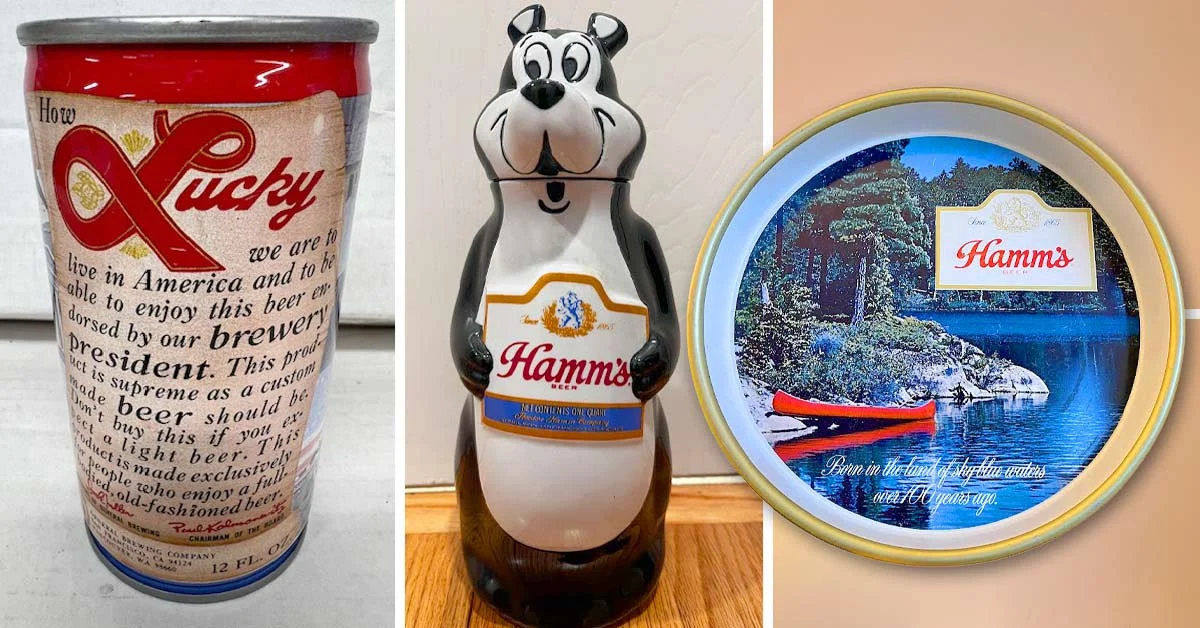
While the immigrant narrative of the early 20th century is frequently centered on the bustling tenements of New York City and the industrial heartlands of the Midwest, a distinct and transformative chapter of the American story unfolded along the Pacific coast. For thousands of Eastern European migrants, particularly those from the Slovene regions of the former Kingdom of Yugoslavia, the "Golden Door" described by poet Emma Lazarus was found not only in the shadow of the Statue of Liberty but also within the industrial brewery districts of San Francisco. Throughout the mid-20th century, the expansion of the West Coast brewing industry served as a critical engine for socioeconomic mobility, allowing immigrant families to transition from grueling manual labor in mines and fields to stable, unionized middle-class lives.
The history of brewing in San Francisco is inextricably linked to the city’s rapid metamorphosis following the 1848 Gold Rush. Before the influx of prospectors, San Francisco—then known as Yerba Buena—was a quiet outpost. By the time Harvard-educated sailor Richard Henry Dana Jr. returned to the city in 1858, twenty-four years after his first visit recorded in Two Years Before the Mast, he described a bustling metropolis of "worlds not realized." While Dana observed that few individuals secured lasting fortunes through gold mining, the secondary industries—mercantile trade, shipping, and brewing—provided the true foundation for the city’s permanence.
The Evolution of West Coast Brewing Technology
California’s brewing heritage predates the industrial boom of the late 19th century. Records indicate that the first significant shipment of bottled beer arrived in San Francisco in 1843 via the merchant firm of Benjamin T. Reed. However, the city’s unique climate necessitated innovation. Lacking the consistent ice supplies found in the East, local brewers developed "steam beer," a process where the heated wort was cooled in large, shallow pans on brewery rooftops, utilizing the natural San Francisco fog and wind to trigger fermentation. This method, most famously preserved by the Anchor Brewing Company (founded in 1896), became the signature style of the region.
The industry faced significant headwinds in the early 20th century. The Great Earthquake of 1906 decimated much of the city’s manufacturing infrastructure, and the subsequent implementation of Prohibition in 1920 forced many historic labels into liquidation or the production of "near beer" and malt syrups. Furthermore, the anti-German sentiment that followed World War I placed immense pressure on traditional brewing families. Despite these challenges, the post-Prohibition era saw a consolidation and rebirth of brewing empires, including Lucky Lager, Acme Brewing, and the Milwaukee Brewing Company, which would eventually become the San Francisco Brewing Corporation and, later, the iconic Burgermeister brand.
Slovene Migration and the Industrial Gateway
The Slovene-American experience in the West followed a specific geographic and economic trajectory. In the 1920s, census data estimated approximately 228,000 Slovene immigrants and their children resided in the United States. While many settled in the industrial corridors of Ohio, Pennsylvania, and Illinois, a significant contingent moved further west to Idaho, Montana, Colorado, and Oregon to work in the mining and agricultural sectors.
The transition to San Francisco often occurred in the wake of global conflict. Following World War II, veterans returning from the European theater—many of whom had served in high-intensity environments like General George S. Patton’s Third Army—sought the stability of urban manufacturing. In San Francisco, these men found initial employment in wartime industries such as Soule Steel, which produced landing craft and crane ships. However, as the defense industry contracted in the late 1940s, the brewing sector emerged as the primary employer for the Slovene community.
The Klemens and Judnick families represent a microcosm of this migration. Encouraged by early pioneers like Joseph Klemens, who joined Burgermeister shortly after the repeal of Prohibition in 1933, dozens of Slovene-American men moved into the brewery’s workforce. By the 1950s, the "brew floors" had become a vital hub for the Slovene community, offering a path away from the dangerous conditions of the mines and into the regulated environment of factory labor.
The Mid-Century Brewing Boom and Labor Integration
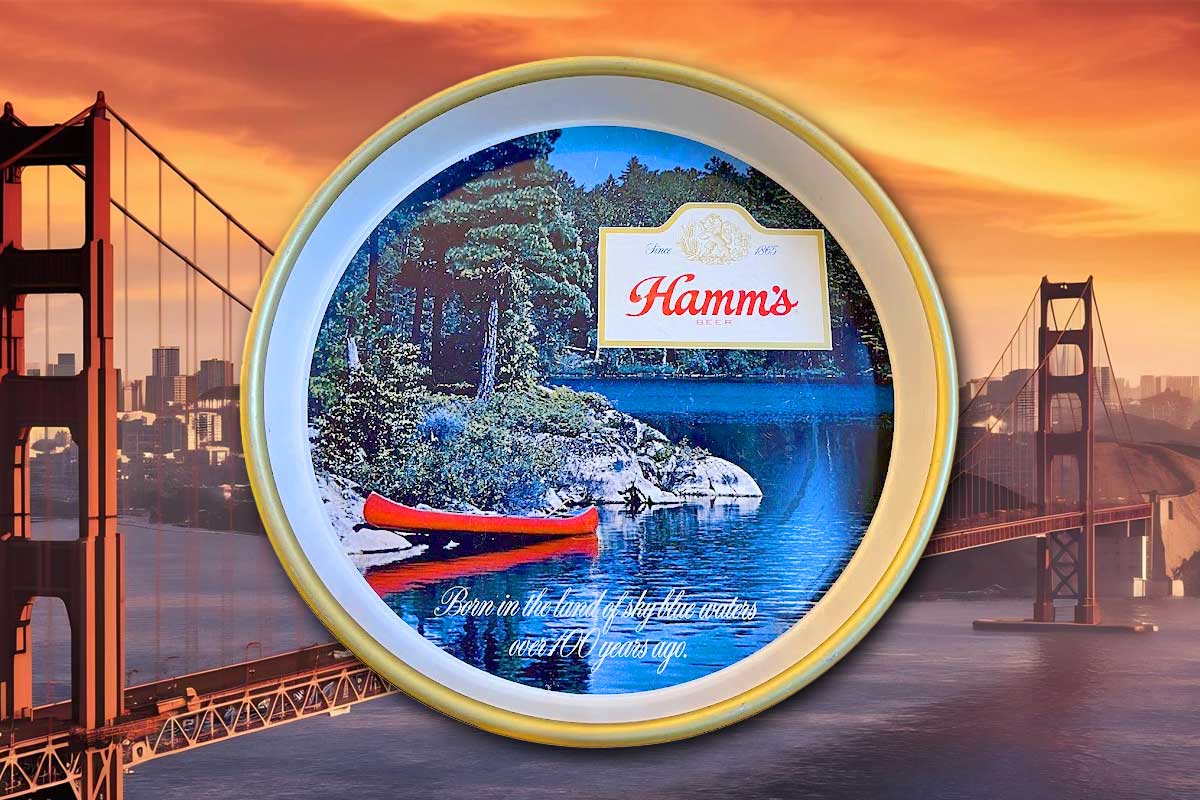
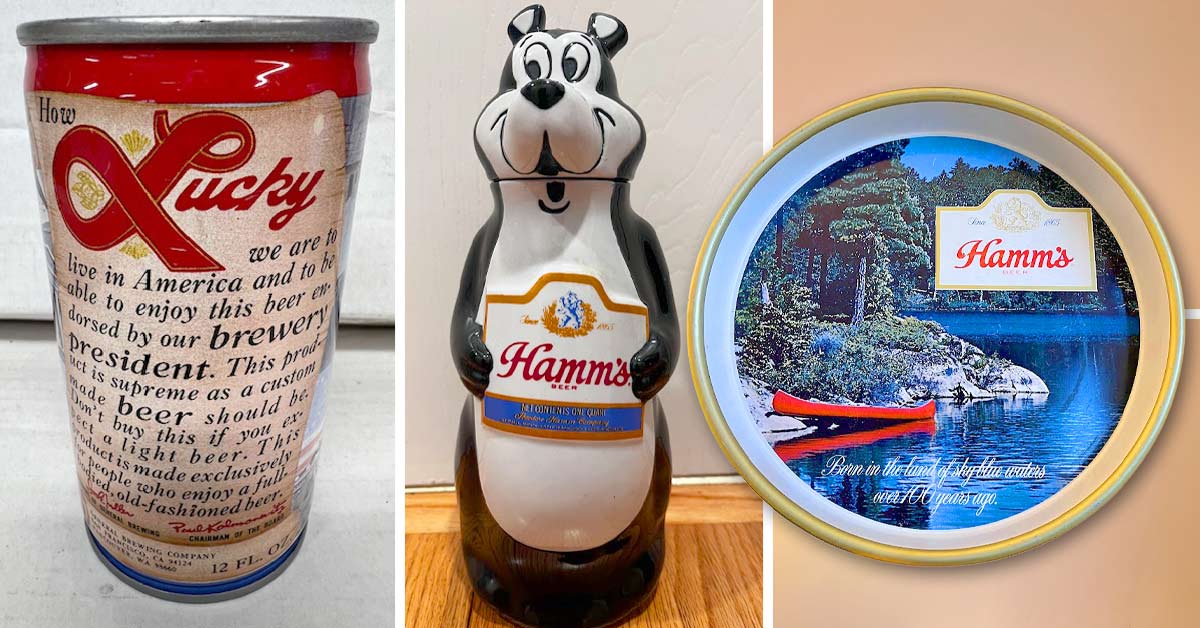
The 1950s marked a golden age for large-scale brewing in San Francisco. Major national brands, including Hamms, Schlitz, and Regal Pale, established massive facilities to meet the burgeoning demand of the post-war population. Burgermeister, affectionately known as "Burgie," became a central fixture of the city’s Mission District and surrounding industrial zones.
The brewery floors functioned as a social and cultural melting pot. Despite prevalent discrimination in the mid-20th century—typified by "No Bohunks Need Apply" signs that targeted Czech, Slovene, and Slovak workers—the breweries became known for their relatively inclusive hiring practices. Managers, often immigrants themselves, recognized the work ethic of the Eastern European community. By the 1960s, the workforce had diversified further, including Irish, French, Italian, and, eventually, African American workers.
The labor was physically demanding but highly sought after due to the influence of the International Brotherhood of Teamsters. Workers were responsible for:
- Operating filling and labeling machinery for half a million units per eight-hour shift.
- Managing quality control, including pH level testing and product consistency.
- Logistics and warehouse management, moving heavy kegs and pallets via forklifts.
- Seasonal scaling, where workers frequently took on double shifts (swing and graveyard) during the high-demand summer months.
Unionization and Economic Mobility
The strength of the brewery unions was a defining factor in the prosperity of the Slovene-American community. Union contracts provided not only competitive hourly wages but also robust pension plans that guaranteed a middle-class retirement—a rarity for first-generation immigrants. The solidarity of these workers was evidenced during the 1973 Coors boycott, where San Francisco brewery employees stood in support of union efforts against wage suppression and discriminatory hiring practices elsewhere in the industry.
This economic stability had a profound intergenerational impact. The high wages earned during summer overtime shifts allowed the sons of immigrant brewery workers to fund their college educations, facilitating a shift from blue-collar labor to professional careers. It was common for the younger generation to join the union temporarily during school breaks, creating a family legacy within the factory walls.
The breweries also served as a cultural bridge during times of national crisis. During the Vietnam War, many brewery workers—themselves veterans of previous conflicts—utilized their positions to support servicemen abroad. Workers would often line pallets of beer destined for Vietnam with local newspapers, magazines, and letters from home, providing a psychological link between the home front and the soldiers stationed overseas.
Technological Displacement and the Craft Revolution
The decline of the traditional large-scale brewery in San Francisco was precipitated by two primary factors: the rise of automation and the birth of the craft beer movement. By the late 1970s, many of the tasks previously performed by hand—such as palletizing and quality monitoring—were replaced by mechanized systems. This technological shift, coupled with the centralization of brewing operations to larger, more modern plants outside the city (such as the Busch plant in Fairfield), led to the closure of many historic San Francisco facilities. The original Burgermeister factory, once a symbol of industrial might, eventually transitioned into a retail space, currently housing a Costco.
Simultaneously, the industry was being redefined from within. In 1965, Fritz Maytag acquired a struggling Anchor Brewing Company, pivoting the business model away from mass production toward artisanal quality. This shift laid the groundwork for the modern craft brewery movement, which emphasizes localized production and diverse flavor profiles over the high-volume output of the mid-century era.
Legacy and Modern Implications
Today, the legacy of the Slovene-American brewery workers is preserved through both family lore and the continued regional significance of San Francisco as a beer capital. SF Beer Week, an annual ten-day event, celebrates the city’s brewing heritage, featuring hundreds of Northern California breweries. Interestingly, the connection to Slovenia remains intact; modern European bottle shops in the Bay Area often feature Slovenian brands such as Laško and Union, reflecting the thriving beer culture that has developed in the ancestral homeland of the city’s former factory workers.
The story of the San Francisco beer factories is a testament to the power of industrial labor as a vehicle for the American dream. While the massive bottling lines and steam-filled brew floors have largely vanished, replaced by the digital economy and boutique manufacturing, the upward mobility they provided remains the bedrock of many West Coast families. The transition from the "tired and poor" masses to a prosperous, educated middle class was facilitated by the very "lamp beside the golden door" that Emma Lazarus envisioned—though in San Francisco, that lamp was often reflected in a glass of locally brewed beer.
In retrospect, the era of the great San Francisco breweries represents a unique intersection of immigration history, labor rights, and industrial evolution. It serves as a reminder that the history of a city is best understood through the hands of those who built its industries, one bottle and one shift at a time. As modern consumers enjoy the fruits of the craft beer revolution, the foundations of that culture rest upon the sweat and solidarity of the immigrant workers who turned a frontier town into a global brewing powerhouse.