admin
admin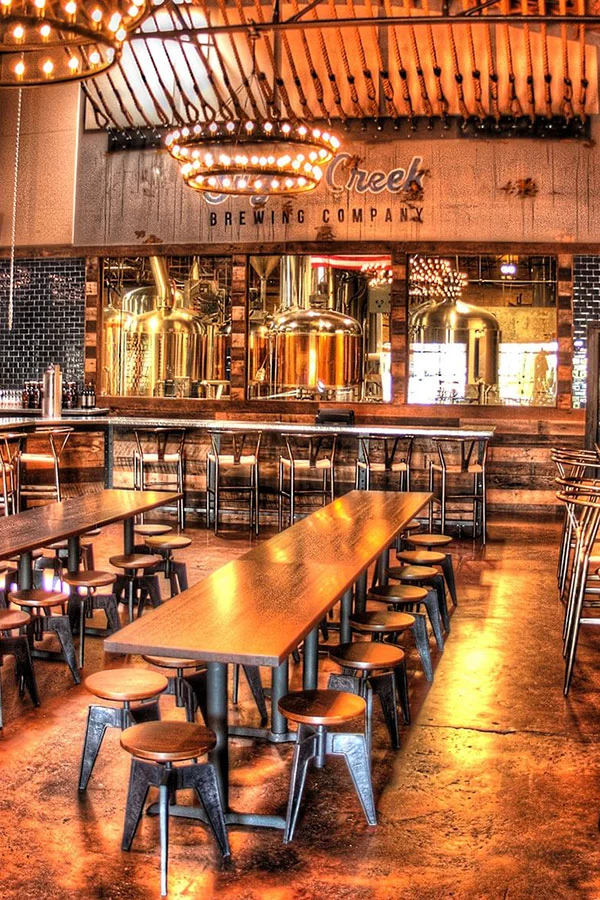
The rapid ascent of artificial intelligence (AI) has established it as a defining technological and economic catalyst of the current decade, permeating sectors ranging from national defense to academic integrity. While public discourse often focuses on the potential for AI to disrupt traditional labor markets and automate administrative tasks, the technology has found an unexpected and increasingly sophisticated application within the artisanal world of craft brewing. As the industry grapples with rising material costs and a crowded marketplace, brewers are turning to machine learning and neural networks not only to streamline operations but to fundamentally reimagine the creative process of recipe formulation.
The Integration of Industrial Intelligence and Operational Efficiency
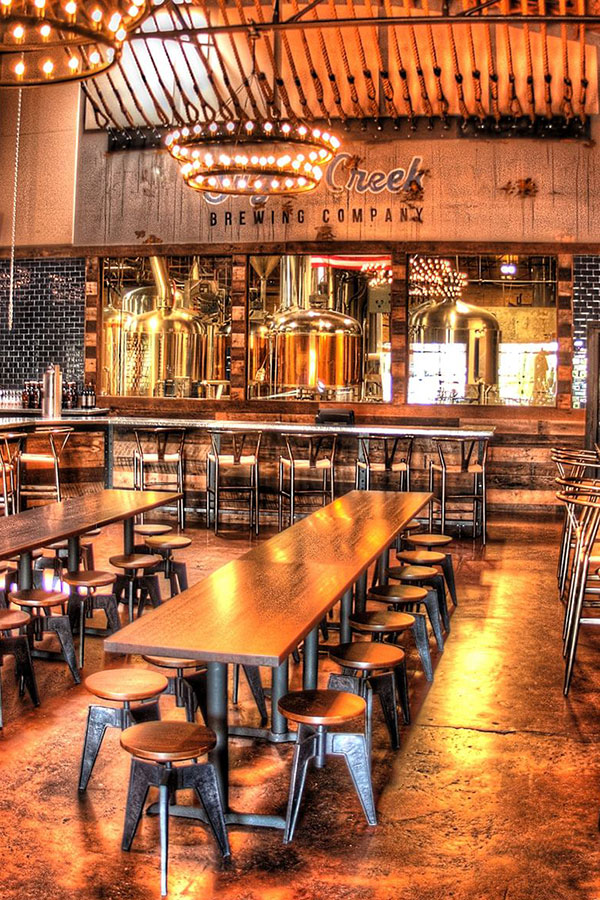
The adoption of AI in the brewing sector initially manifested through the optimization of supply chains and quality control. For modern craft breweries, consistency is the primary challenge; slight variations in temperature, pressure, or ingredient quality can lead to "off-flavors" or batch inconsistencies that damage a brand’s reputation. Sugar Creek Brewing Company, based in Charlotte, North Carolina, has become a primary case study for this transition. By deploying a network of Internet of Things (IoT) devices and AI-driven monitoring systems, the brewery tracks real-time data regarding fill levels, temperature fluctuations, and foam consistency during the packaging process.
This shift toward "Industry 4.0" allows breweries to mitigate waste—a critical factor in an industry where profit margins are increasingly thin. According to industry data, the global AI in the food and beverage market is projected to grow at a compound annual growth rate (CAGR) of over 38% through the late 2020s. For Sugar Creek, the AI system acts as a persistent quality assurance officer, identifying mechanical failures or environmental anomalies before they result in the loss of a commercial batch. This predictive maintenance and real-time intervention represent the first wave of AI integration, focusing on the "science" of brewing to ensure the "art" is preserved.
A Chronology of the AI-Generated Recipe
Beyond the logistics of the factory floor, a new frontier has emerged: the use of Large Language Models (LLMs) and custom algorithms to design the beer itself. The timeline of AI-generated beer has moved rapidly from novelty experiments to serious commercial releases.
In the early stages of this trend, breweries such as Asbury Park Brewery in New Jersey and Atwater Brewing in Detroit, Michigan, began experimenting with AI-generated India Pale Ales (IPAs). These projects often utilized commercially available models like OpenAI’s ChatGPT to suggest hop pairings and grain bills. Urban Forest Craft Brewing in Rockford, Illinois, followed suit with its "Put the AI in sAIson," a play on the traditional Belgian farmhouse style.
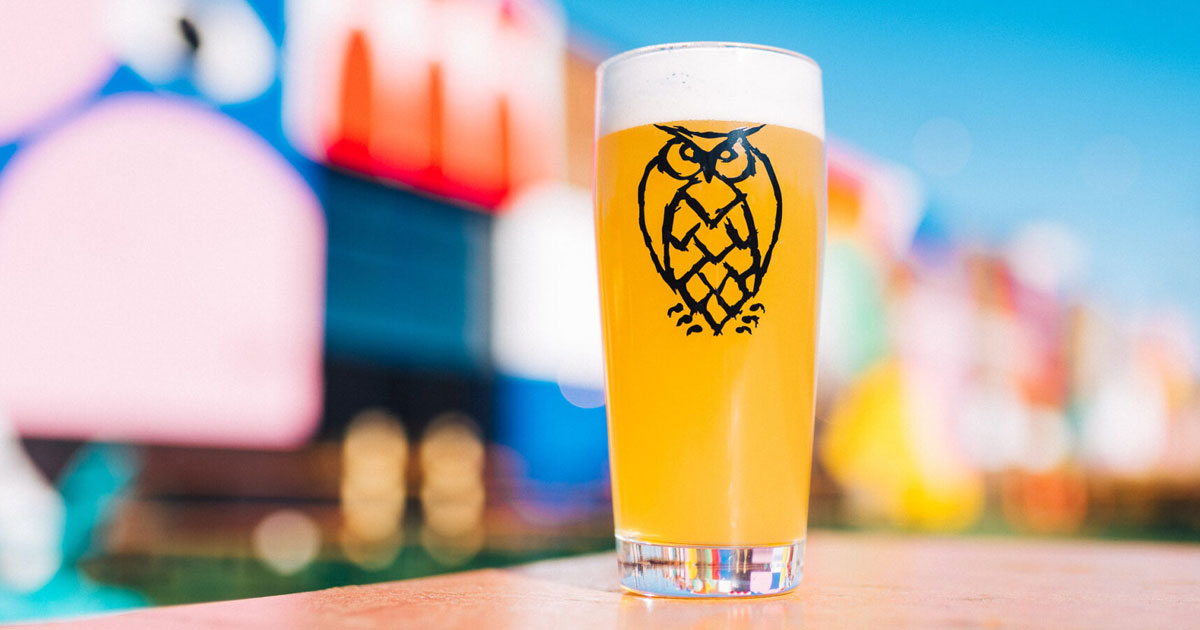
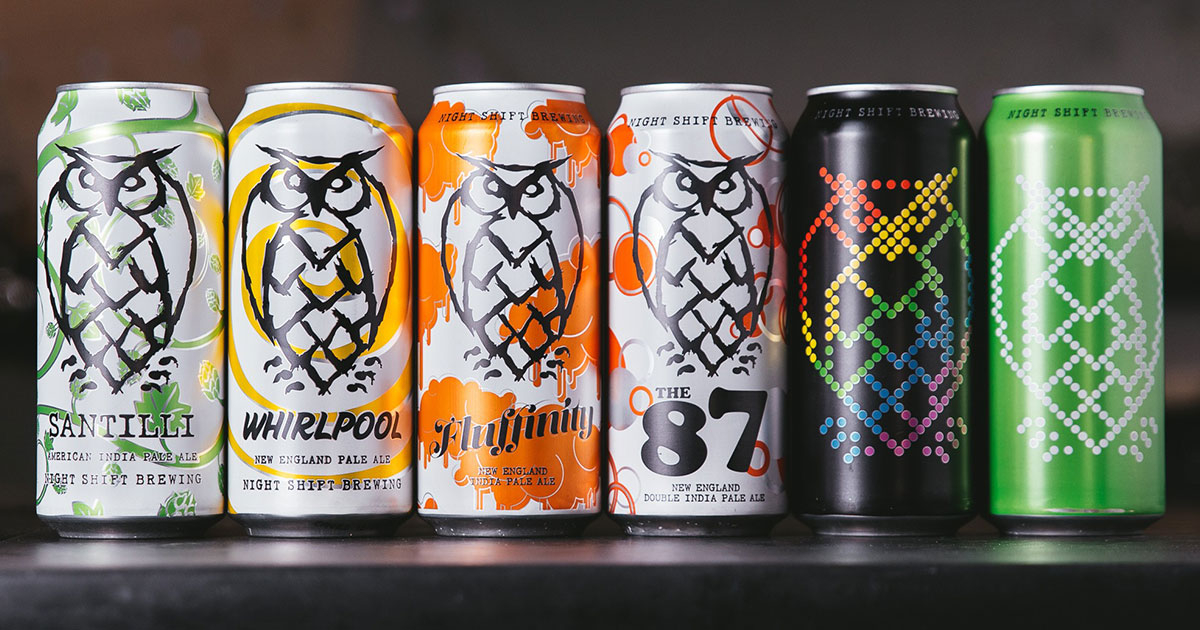
One of the most notable successes in this arena occurred at Night Shift Brewing in Boston. Michael Oxton, the brewery’s co-founder, utilized ChatGPT to develop a Hazy IPA. The AI was tasked with creating a comprehensive brewing profile, including a specific water chemistry profile—a task that typically requires weeks of manual research and iterative testing. The resulting "AI-PA" featured a complex profile of mango and watermelon with a citrusy finish. Oxton noted that the AI’s ability to synthesize vast amounts of brewing data into a functional water profile in mere minutes represented a significant leap in efficiency, essentially serving as a "creativity enhancement" tool for the brewing team.
From General Models to Proprietary Intelligence: The Species X Project
While many brewers have utilized general-purpose AI, the Species X Beer Project represented a more specialized approach to the technology. Founded by Beau Warren, an expert in both beer microbiology and data analytics, Species X sought to create a dichotomy between "Carbon Species" (human-designed recipes) and "Silicon Species" (AI-designed recipes).
Warren bypassed standard LLMs in favor of seven custom-coded models built using a combination of regression analysis and neural networks. These models were trained on proprietary data, including historical recipe performance, chemical compositions, and sensory feedback from customers. The goal was to move beyond the "standard" profiles found in most brewing textbooks and explore the fringes of flavor science.
One of the most radical results of this experiment was an amber lager formulated with 100% Maris Otter malt—a choice that contradicts traditional brewing wisdom, which typically reserves such malts for heavier ales and stouts. The AI also produced a "Beh3moth" model, a high-parameter algorithm that designed an imperial pastry Baltic porter. This recipe included twelve different malts, lactose, marshmallows, coffee, vanilla, and three types of fruit, all while being dry-hopped in the style of a New England IPA. Warren reported that despite the complexity and the unconventional nature of the instructions, the final product was balanced and distinct from any human-conceived recipe he had encountered.
The Microbiological Frontier: Yeast Buddy and Bio-Tech Synergy
The influence of AI extends into the microscopic components of brewing, specifically yeast management and selection. Propagate Lab, a Colorado-based yeast propagation facility, introduced "Yeast Buddy," an AI-driven chatbot designed to help brewers navigate the complexities of fermentation.
With over 120 yeast strains available in their database, selecting the optimal microorganism for a specific flavor profile can be an overwhelming task for head brewers. Yeast Buddy functions as a digital librarian, utilizing parameters such as desired attenuation, flocculation, and ester production to recommend the perfect strain. Matthew Peetz, founder of Propagate Lab, argues that this technology prevents brewers from falling into the "default" trap—the tendency to use familiar yeast strains simply because they are reliable, rather than exploring more adventurous or better-suited options. By lowering the barrier to technical knowledge, AI encourages a more diverse and innovative marketplace.
Market Context and the Human Element
Despite the technological milestones, the craft beer industry remains a difficult landscape to navigate. The recent closure of Species X Beer Project, despite its innovative use of AI, underscores the economic pressures facing small breweries, including rising rent, labor costs, and shifting consumer preferences. This suggests that while AI can optimize a product, it cannot yet insulate a business from broader macroeconomic fluctuations.
Furthermore, the consensus among industry leaders is that AI serves as a "superhuman" assistant rather than a replacement for the master brewer. Michael Oxton of Night Shift Brewing emphasized that human intervention remains necessary to correct for ingredient availability and to refine the "kinks" in AI-generated label art. Similarly, Beau Warren highlighted the necessity of "human-in-the-loop" systems to provide guardrails, ensuring that AI-generated recipes remain within the laws of physics and the capabilities of existing brewing equipment.
Analysis of Implications: The Future of Craft Brewing
The integration of AI into craft beer carries several long-term implications for the industry:
- Democratization of Expertise: AI tools like Yeast Buddy and ChatGPT allow smaller, less-experienced breweries to access high-level formulation data that was previously the domain of large-scale operations with dedicated laboratory staff.
- Accelerated Innovation Cycles: The ability to generate and vet water profiles and grain bills in seconds allows breweries to experiment more frequently, potentially leading to the discovery of entirely new sub-styles of beer.
- Data-Driven Consumer Alignment: By training models on customer reviews and sales data, breweries can use AI to predict which flavor profiles will succeed in specific markets, reducing the financial risk associated with launching new products.
- Sustainability: AI-driven optimization of energy and water usage during the brewing process could significantly reduce the environmental footprint of the industry, aligning with broader corporate social responsibility goals.
Conclusion
Artificial intelligence in the craft beer industry represents a synthesis of ancient tradition and futuristic computation. While the "taproom takeover" by robots remains a distant and unlikely scenario, the role of the AI brewing assistant is now firmly established. By stripping away the tedious aspects of data analysis and research, these tools allow brewers to focus on the sensory and social aspects of their craft. As the technology matures, the success of a brewery may increasingly depend on its ability to effectively partner with these digital minds to push the boundaries of what is possible in a pint glass. The journey of AI in brewing is just beginning, but early results suggest that the "Silicon Species" of beer is here to stay, offering a glimpse into a more efficient and creative future for the world’s most popular fermented beverage.