admin
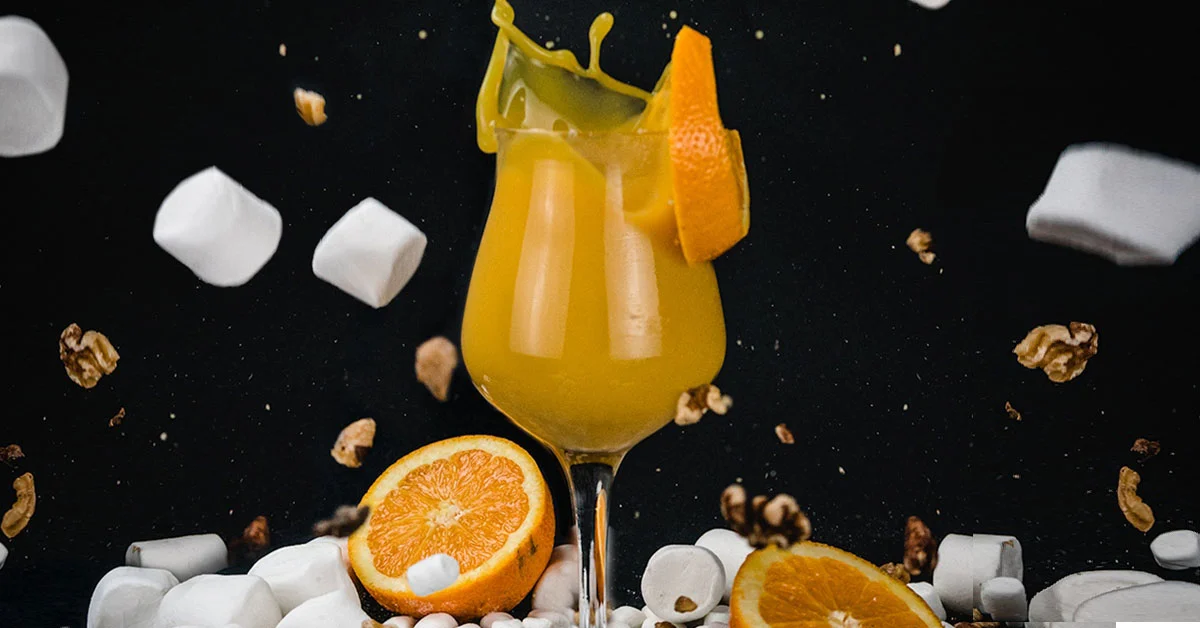
The landscape of American craft beer has undergone a radical transformation since its initial resurgence in the 1980s and 1990s. While the movement was originally defined by a return to traditional European styles and the aggressive hop profiles of the West Coast IPA, the modern era is characterized by a relentless pursuit of novelty. Among the most significant and polarizing developments in this trajectory is the emergence of the "smoothie sour." This style, defined by its thick, opaque texture and heavy reliance on unfermented fruit purées and dessert-inspired adjuncts, represents a departure from conventional brewing norms and a shift toward a culinary-centric beverage experience.
As the number of active craft breweries in the United States surpassed 9,000 in recent years, the necessity for brand differentiation has never been more acute. Brewers have increasingly looked beyond the four traditional ingredients of water, malt, hops, and yeast to capture the attention of a diversifying consumer base. The smoothie sour is the logical conclusion of the fruited sour trend that began with the popularity of Gose and Berliner Weisse styles. By incorporating massive quantities of fruit and "fun" adjuncts such as marshmallow, vanilla, and cacao nibs, breweries have created a category that often blurs the line between a fermented ale and a fruit smoothie.
The Pioneers of the Smoothie Sour Movement
The rise of the smoothie sour was not an overnight phenomenon but rather a calculated response to shifting consumer palates. Imprint Beer Company, located in Hatfield, Pennsylvania, is widely regarded as a pioneer of the style. The brewery’s entry into the genre was marked by the release of "Puffsicle," a sour ale conditioned on raspberry, blueberry, pineapple, and marshmallow. According to co-founder and brewer Ryan Diehl, the beer was intended for a specific event to establish the brewery’s identity. The overwhelming consumer response led to the creation of the "Schmoojee" line, which has since become a cornerstone of the brewery’s portfolio.
The production of these beers requires a departure from standard cellar practices. At Imprint, the base beer undergoes a fermentation period of eight to 11 days. Once the primary fermentation is complete, the sour base is blended with a variety of adjuncts, ranging from cheesecake and white chocolate to fudge and bananas. This process ensures that the bright, fresh flavors of the fruit and sweets remain prominent, as they are not subjected to the transformative effects of active fermentation.
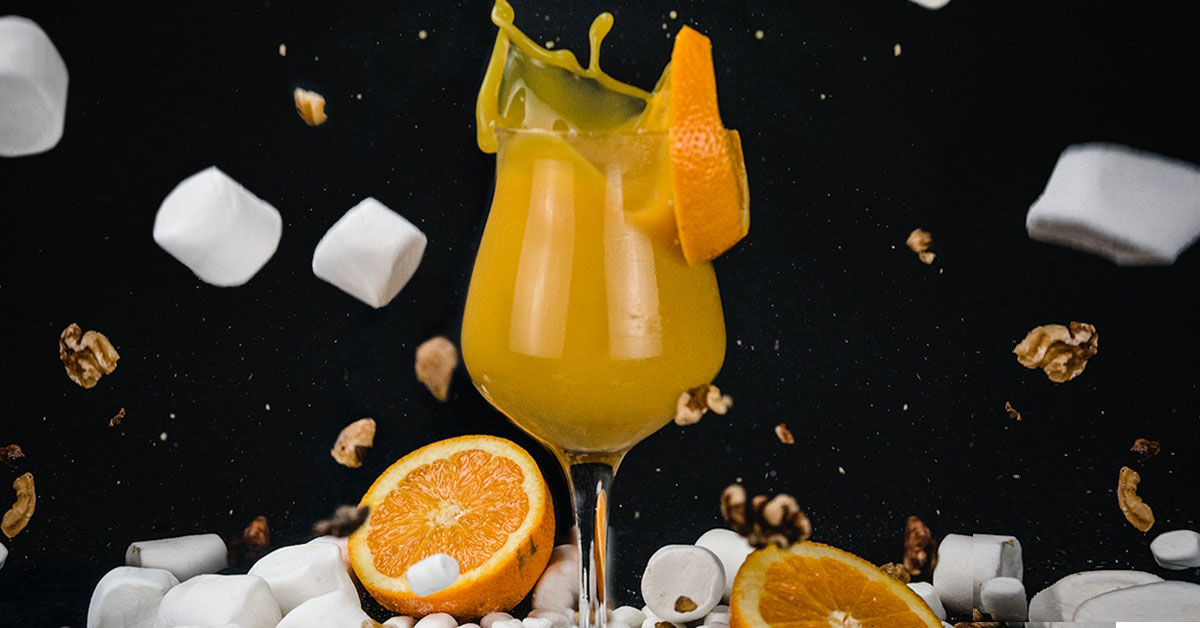
In Texas, 903 Brewers followed a similar path of reinvention. After six years of operation, owner Jeremy Roberts noted a shift in the market toward ready-to-drink (RTD) cocktails and flavored malt beverages. To compete with the rising popularity of non-beer alternatives, 903 Brewers developed a cherry limeade sour inspired by popular drive-in soda fountain drinks. The success of this experiment birthed the "Slushy" line, featuring beers like the "Blueberry Donut Slushy" and "Ice Cream Truck Slushy," the latter often featuring edible glitter to enhance the visual spectacle.
Technical Innovations and Stability Challenges
The production of smoothie sours introduces significant technical challenges, particularly regarding shelf stability and safety. Because these beers contain high levels of unfermented sugars from fruit purées, they are susceptible to secondary fermentation inside the can. If left at room temperature, active yeast can consume these sugars, producing carbon dioxide that may lead to catastrophic packaging failure, commonly referred to in the industry as "exploding cans."
To mitigate these risks, breweries like Oozlefinch Beers & Blending in Fort Monroe, Virginia, have implemented rigorous processing standards. Head brewer Logan Morris describes their approach as creating "Kool-Aid for adults," but emphasizes that the process is highly intentional. Oozlefinch utilizes specific yeast strains designed to produce lactic acid for tartness and employs "back-sweetening," a technique where flavors and sugars are added after the primary fermentation is complete. To ensure consumer safety, the brewery uses a pasteurizer, which kills any remaining yeast and stabilizes the product for distribution.
Furthermore, some brewers have experimented with unconventional thickening agents to achieve the desired "smoothie" mouthfeel. Oozlefinch, for instance, has utilized charcoal in certain blends to act as a thickening agent, providing a dense, viscous texture that distinguishes the style from traditional, thinner fruit beers.
The Culinary Influence: Beer as a Sensory Experience
For many breweries, the smoothie sour is less about the history of brewing and more about the sensory experience of flavor. Corporate Ladder Brewing in Palmetto, Florida, founded by Blake Kleppe and later joined by James Herrholz, focuses on "culinary-inspired" beer. Their "Dessert Station" line features concoctions like "Laffy Taffy" (banana, white chocolate, and caramel) and "Pumpkin Pie A La Mode" (pumpkin, vanilla ice cream, and spices).
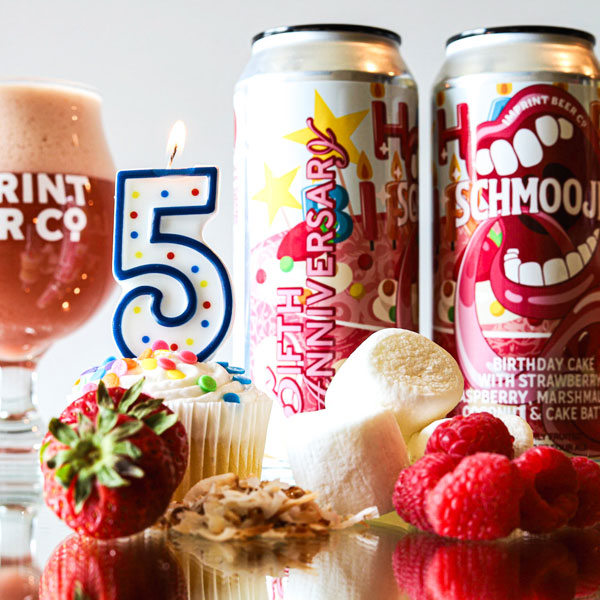
Herrholz notes that the goal is for the liquid to be an exact representation of its namesake. This requires meticulous ingredient sourcing and a deep understanding of flavor profiles. The objective is to trigger a nostalgic or sensory response in the drinker, making the beer an accessible entry point for those who might otherwise avoid the bitterness of hops or the malt-forward nature of traditional stouts and lagers.
Market Implications and Demographic Shifts
The emergence of the smoothie sour has successfully attracted a new demographic to the craft beer world. Industry data suggests that younger consumers and those who previously preferred wine, cocktails, or hard seltzers are drawn to the fruit-forward, low-bitterness profile of these beers. This "gateway" effect is a vital component of the modern brewery business model, allowing establishments to serve a broader range of tastes within a single taproom.
However, the style remains a subject of debate within the brewing community. Purists argue that a beverage containing 30% to 40% fruit purée and unfermented sugars stretches the definition of "beer" to its breaking point. Nevertheless, the commercial success of the style is undeniable. Releases of new smoothie sour variants often become localized events, with enthusiasts traveling significant distances to secure limited-edition cans.
Blake Kleppe of Corporate Ladder Brewing addresses the controversy with a pragmatic view: "If people think that the smoothie sours shouldn’t be considered beer, we don’t really care, as long as they enjoyed it." This sentiment is echoed by many in the industry who prioritize consumer satisfaction and market viability over strict adherence to stylistic categories.
The Collaborative Brotherhood of "Thick" Beer
The smoothie sour niche is characterized by a high degree of collaboration among its practitioners. Because the style requires specialized knowledge of fruit stability and adjunct blending, brewers often share techniques and resources. Notable breweries contributing to the movement include Drekker Brewing Company in North Dakota, Mortalis Brewing Company in New York, Burley Oak Brewery in Maryland, 450 North Brewing Company in Indiana, and The Answer Brewpub in Virginia.
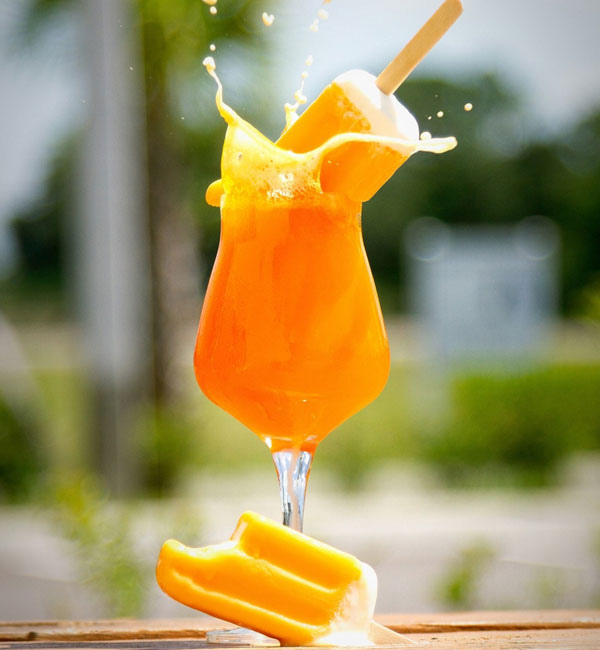
These breweries often participate in "collab" releases, further fueling the hype and community surrounding the style. This brotherhood of brewers has helped transition the smoothie sour from a fleeting fad into a recognized, albeit specialized, sub-category of the craft beer market.
Chronology of the Style’s Development
- 1980s – 1990s: The American craft beer revolution focuses on traditional ales and the rise of the IPA.
- 2000s: Growth of the "Extreme Beer" movement, leading to higher ABVs and the early experimentation with fruit in stouts and sours.
- 2012 – 2015: Gose and Berliner Weisse gain mainstream popularity, introducing the general public to tart, acidic flavor profiles.
- 2017 – 2018: Pioneers like Imprint and 450 North begin releasing heavily fruited sours with thick textures, often utilizing "slushy" machines in taprooms.
- 2019 – 2021: The style explodes in popularity; the introduction of pasteurization and back-sweetening techniques allows for safer commercial canning.
- 2022 – Present: The smoothie sour becomes a staple in "hype" brewery portfolios, increasingly focusing on complex, multi-layered dessert profiles and culinary collaborations.
Conclusion: The Future of Liquid Innovation
The smoothie sour represents the ongoing evolution of the American palate. While it may differ significantly from the lagers and ales of the past, its impact on the industry is profound. By prioritizing flavor, texture, and consumer experience, breweries have found a way to remain relevant in a crowded market.
As the industry moves forward, the techniques developed for smoothie sours—such as advanced pasteurization and complex adjunct blending—will likely influence other styles, including non-alcoholic beers and high-gravity stouts. Whether one views them as "Kool-Aid for adults" or a legitimate frontier of brewing science, smoothie sours have secured their place in the craft beer lexicon. For the breweries involved, the style is a testament to the versatility of fermentation and the endless possibilities of culinary creativity. As Corporate Ladder’s Kleppe summarizes, these beers provide a unique opportunity to introduce a wide variety of flavors to an audience that is increasingly hungry for the next great sensory experience.