admin
admin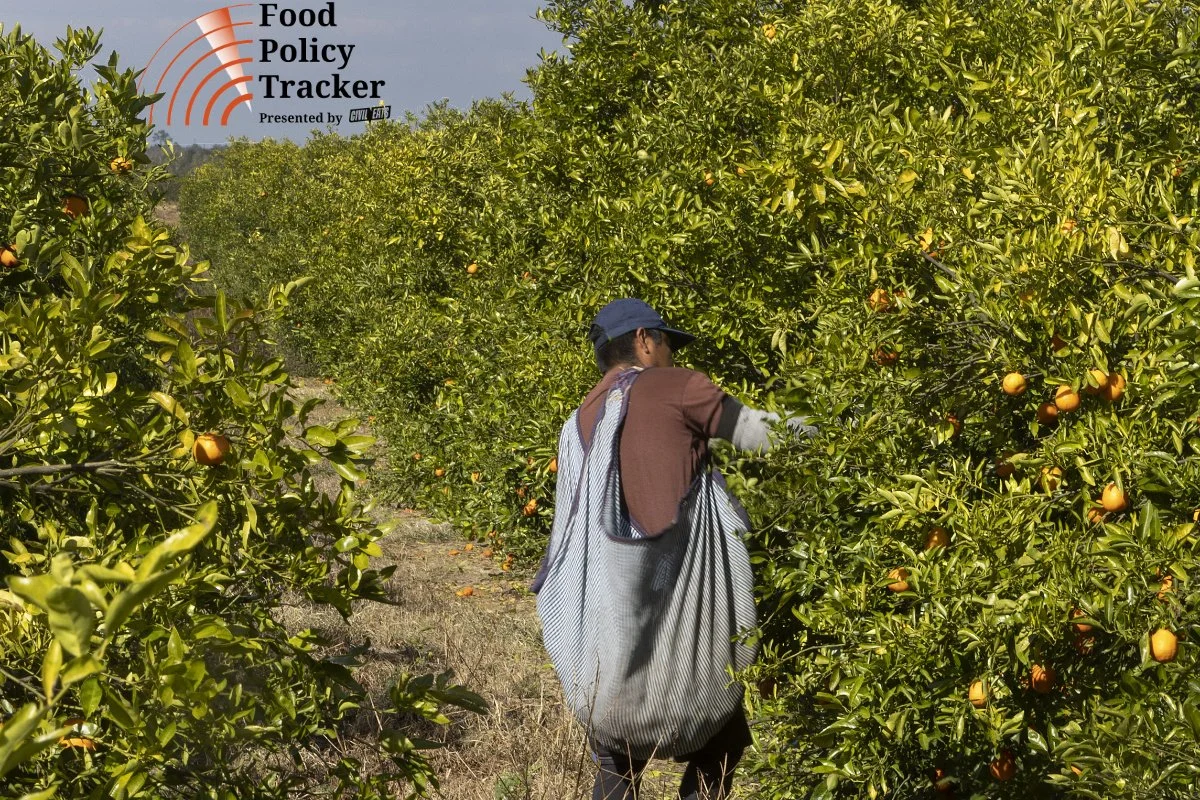
A federal judge in California this week delivered a significant blow to a Trump administration policy, striking down drastic cuts to the minimum wage paid to farmworkers on H-2A guestworker visas. The ruling, issued on August 28, 2026, overturns a Department of Labor (DOL) rule from October 2025 that had significantly reduced hourly rates for agricultural guestworkers across the United States and permitted deductions for housing costs, further impacting their take-home pay. The decision has been met with fervent celebration from worker advocacy groups, who hail it as a victory for labor rights and fair compensation, while organizations representing agricultural employers decry it as an "existential threat" to the nation’s farmers, warning of potential financial ruin and disruptions to the food supply chain.
The judicial order did not immediately nullify the contested rule but mandated that the Department of Labor propose a new methodology for calculating the Adverse Effect Wage Rate (AEWR) within the next two weeks. This directive sets the stage for a rapid re-evaluation of the wage structure for a critical segment of the U.S. agricultural workforce. Furthermore, the court indicated that following the establishment of a new, legal wage calculation, the DOL would be required to consider whether farmers must issue back pay to workers who received the reduced wages under the now-discredited rule. This potential for retroactive payments adds another layer of financial uncertainty for agricultural businesses already grappling with fluctuating markets and rising operational costs.
The Contested Rule: Background on H-2A and the Adverse Effect Wage Rate
The H-2A visa program is a vital, yet frequently debated, component of the U.S. agricultural labor system. Designed to permit agricultural employers to bring foreign nationals to the U.S. to fill temporary or seasonal agricultural jobs for which U.S. workers are unavailable, the program has seen exponential growth in recent years. In 2023, for instance, the Department of Labor certified over 370,000 H-2A positions, a stark increase from fewer than 50,000 in 2005, illustrating American agriculture’s increasing reliance on guestworkers. This reliance is particularly pronounced in labor-intensive sectors such as fruit, vegetable, and specialty crop farming, where demand for manual labor often outstrips the domestic supply.
A cornerstone of the H-2A program is the Adverse Effect Wage Rate (AEWR). The AEWR is the minimum hourly wage that employers seeking H-2A workers must offer and pay to ensure that the employment of foreign workers does not "adversely affect" the wages and working conditions of similarly employed U.S. workers. Historically, the AEWR has been calculated based on surveys conducted by the U.S. Department of Agriculture (USDA), which reflect average hourly wages for field and livestock workers in various regions. This mechanism was intended to protect both domestic and guest workers from wage depression.
The Trump administration’s Department of Labor, however, introduced a new rule in October 2025 that significantly altered this established calculation. Citing a need to align H-2A wages more closely with broader market rates and to alleviate what it described as an undue financial burden on farmers, the DOL implemented changes that resulted in substantial cuts to hourly rates. These reductions ranged from $3 to $7 per hour in states across the country, a significant sum for workers whose livelihoods depend entirely on their hourly earnings. Compounding the financial impact, the revised rule also permitted farms to deduct the cost of housing from guestworkers’ wages, a practice previously prohibited or tightly regulated to ensure workers retained sufficient take-home pay. Proponents of the changes argued that previous AEWR calculations were "artificially inflated" and did not accurately reflect the economic realities faced by agricultural producers.
The Legal Challenge: Advocacy Groups Mobilize
The dramatic wage cuts and housing deduction policy immediately drew fierce opposition from labor unions and worker advocacy organizations. In response, the United Farm Workers (UFW), the UFW Foundation, and a coalition of 18 individual farmworkers swiftly filed a lawsuit against the Department of Labor. Their legal challenge centered on two primary arguments: first, that some of the agency’s changes to the AEWR calculation were "arbitrary and capricious," lacking a rational basis and failing to adequately consider the impact on workers; and second, that the DOL had bypassed crucial rulemaking steps, specifically failing to provide a legally required public comment period before implementing such significant policy changes.
The UFW, a venerable institution in the fight for farmworker rights, emphasized the detrimental effect of the rule on already vulnerable populations. "This decision recognizes the important and essential work of the men and women who put food on our tables and that farmworkers should get paid fairly," stated UFW President Teresa Romero in a press release following the ruling. "The government must move quickly to issue new, legal wage rates that protect the jobs and wages of local farmworkers, and employers must be held accountable for paying back any difference between the new legal wage and the illegal wage rates still in effect." Romero’s statement underscores the dual objective of the lawsuit: to restore fair wages and to ensure accountability for the period during which the lower wages were in effect.
Reactions from Stakeholders: A Deeply Divided Landscape
The federal judge’s ruling has intensified the long-standing debate over the economic viability of American agriculture and the fair treatment of its workforce. For worker advocacy groups, the decision is a resounding affirmation of farmworkers’ rights and a rebuke of policies perceived as exploitative. They argue that agricultural labor, despite its foundational role in society, has historically been undervalued and that policies like the Trump administration’s wage cuts exacerbate existing inequalities. The potential for back pay is seen as a critical measure to rectify past injustices and ensure that workers are compensated for their labor under lawful terms.
Conversely, agricultural employer organizations have reacted with alarm, painting a grim picture of the potential consequences for the farming sector. The National Council of Agricultural Employers (NCAE) was particularly vocal, reiterating its stance that higher wages pose an "existential threat" to U.S. farmers. John Hollay, President and CEO of NCAE, expressed profound disappointment in a statement, asserting, "For years, America’s farmers, ranchers, and growers have been pushed toward a breaking point by artificially inflated wage mandates." Hollay had previously argued in a June interview with Civil Eats that the Trump administration’s changes were necessary to align H-2A wages with broader market realities, contending that the previous AEWR calculation placed an unsustainable burden on agricultural businesses already operating on thin margins.
The NCAE’s concerns reflect genuine anxieties within the agricultural community. Farmers often face unpredictable weather patterns, volatile commodity prices, and increasing input costs (fertilizer, fuel, equipment). Labor, particularly for hand-harvested crops, represents a significant and often the largest operational expense. Any substantial increase in labor costs, they argue, could push many family farms and smaller operations into insolvency, potentially leading to reduced domestic food production, increased reliance on imports, and even higher food prices for consumers.
The Broader Agricultural Labor Context: Reliance on Guestworkers Amidst Immigration Crackdowns
The ruling arrives at a particularly sensitive juncture for U.S. agriculture, which is increasingly dependent on guestworkers even as broader immigration enforcement intensifies. Data consistently shows that farms across the country have grown more reliant on the H-2A program over the past two decades. This trend is driven by several factors, including a shrinking domestic labor pool willing or able to perform demanding agricultural work, an aging farmworker population, and stricter immigration enforcement policies that have reduced the availability of undocumented workers, who historically formed a significant portion of the agricultural workforce.
Adding to the complexity, the period leading up to the ruling has been marked by heightened immigration operations. New data released in July 2026 revealed that Immigrations and Customs Enforcement (ICE) officers had arrested nearly 50,000 immigrants that month alone, marking a new monthly record during the Trump administration’s crackdown. This aggressive enforcement, bolstered by increased funding and a hiring spree within ICE, is expected to continue, further tightening an already strained agricultural labor market. The agricultural sector, which has historically relied heavily on immigrant workers, both documented and undocumented, faces a dwindling supply of labor, making the H-2A program an even more critical lifeline. This dynamic means that any policy affecting H-2A wages and conditions carries magnified weight, impacting not just the guestworkers themselves but the entire agricultural economy.
Legislative Responses and Future Outlook
In light of the court’s decision and the ongoing labor challenges, agricultural employer groups like the NCAE are now redoubling their calls for legislative intervention. They are actively lobbying Congress to advance the "Securing Agriculture’s Workforce Act," a bill introduced by House Agriculture Committee Chairman G.T. Thompson (R-Pennsylvania) at the end of June. This proposed legislation aims to codify many of the changes made by the Trump administration’s contested rule, including altering the methodology for calculating H-2A wages to align with the method favored by employers. The bill also seeks to introduce other updates to the H-2A program, potentially streamlining the application process for employers and addressing other perceived inefficiencies.
The introduction of such a bill underscores the deep ideological divide and the high stakes involved. On one side, proponents argue that legislative action is necessary to provide stability and predictability for farmers, ensuring the continued viability of American agriculture. They contend that the judicial system is ill-equipped to set wage policies that account for the economic realities of farming. On the other side, labor advocates and their congressional allies will likely resist any legislative efforts to enshrine lower wages, viewing them as a rollback of hard-won worker protections and a subsidy for agricultural businesses at the expense of their workforce. The legislative battle promises to be contentious, reflecting the broader political tensions surrounding immigration, labor, and food policy.
Implications: Economic, Social, and Political Ramifications
The federal court’s ruling carries significant implications across economic, social, and political spheres.
For Workers: The most immediate impact for H-2A farmworkers is the potential for higher wages and, crucially, the prospect of receiving back pay for the period during which the unlawful wage cuts were in effect. This could translate into significantly improved economic conditions for thousands of individuals and their families, many of whom send remittances back to their home countries. However, uncertainty remains regarding the new AEWR calculation process and the timeline for any back pay. The ruling also sends a strong message that their rights are legally enforceable.
For Farmers and the Agricultural Sector: The decision creates renewed financial pressure on agricultural employers, particularly those heavily reliant on H-2A labor. Increased labor costs, coupled with the potential for substantial back pay obligations, could strain already tight budgets. This may lead to difficult decisions, such as reducing planting, shifting to less labor-intensive crops, or increasing mechanization where feasible. Some farmers may attempt to pass on increased costs to consumers, potentially contributing to higher food prices. The uncertainty surrounding future wage rates and the back pay issue adds a layer of instability that complicates long-term planning for agricultural businesses.
For the H-2A Program and Immigration Policy: The ruling highlights the fragility of administrative rulemaking processes and the importance of adhering to legal requirements, such as public comment periods. It could lead to increased scrutiny of how federal agencies develop and implement policies affecting guestworker programs. More broadly, it will likely intensify calls for comprehensive immigration reform that addresses the labor needs of agriculture while also protecting worker rights, moving beyond the piecemeal legislative and judicial interventions that currently characterize the system.
For Consumers and the Food System: In the long term, shifts in agricultural labor costs can ripple through the food system. While higher wages for farmworkers are generally seen as positive for social equity, they could, in some scenarios, contribute to marginal increases in food prices, particularly for fresh produce. The stability of the domestic food supply also hinges on a reliable and adequately compensated workforce. Disruptions in the agricultural labor market, whether due to wage disputes or immigration enforcement, could impact the availability and affordability of certain foods.
The Road Ahead: Unresolved Questions
The federal judge’s ruling is a critical development, but it does not represent the final chapter in this ongoing saga. The Department of Labor now faces the immediate challenge of proposing a new, legally sound methodology for calculating the AEWR within the stipulated two-week timeframe. This process will undoubtedly involve extensive internal deliberation and potentially external consultation, all while operating under judicial oversight.
Following the establishment of new wage rates, the highly contentious issue of back pay will take center stage. Determining the scope, scale, and mechanism for potential retroactive payments will be a complex undertaking, likely involving detailed calculations and potentially further legal challenges. Both workers and employers will be closely watching these developments.
Ultimately, the long-term resolution of these issues may require legislative action. While the courts can ensure administrative agencies follow proper procedures, fundamental policy changes often require Congressional intervention. The "Securing Agriculture’s Workforce Act" or similar legislative proposals will likely remain a focal point of debate, as stakeholders on all sides vie to shape the future of agricultural labor and the H-2A program in the United States. The delicate balance between ensuring fair wages for those who feed the nation and maintaining the economic viability of its agricultural producers will continue to be a defining challenge for policymakers and the courts alike.