admin
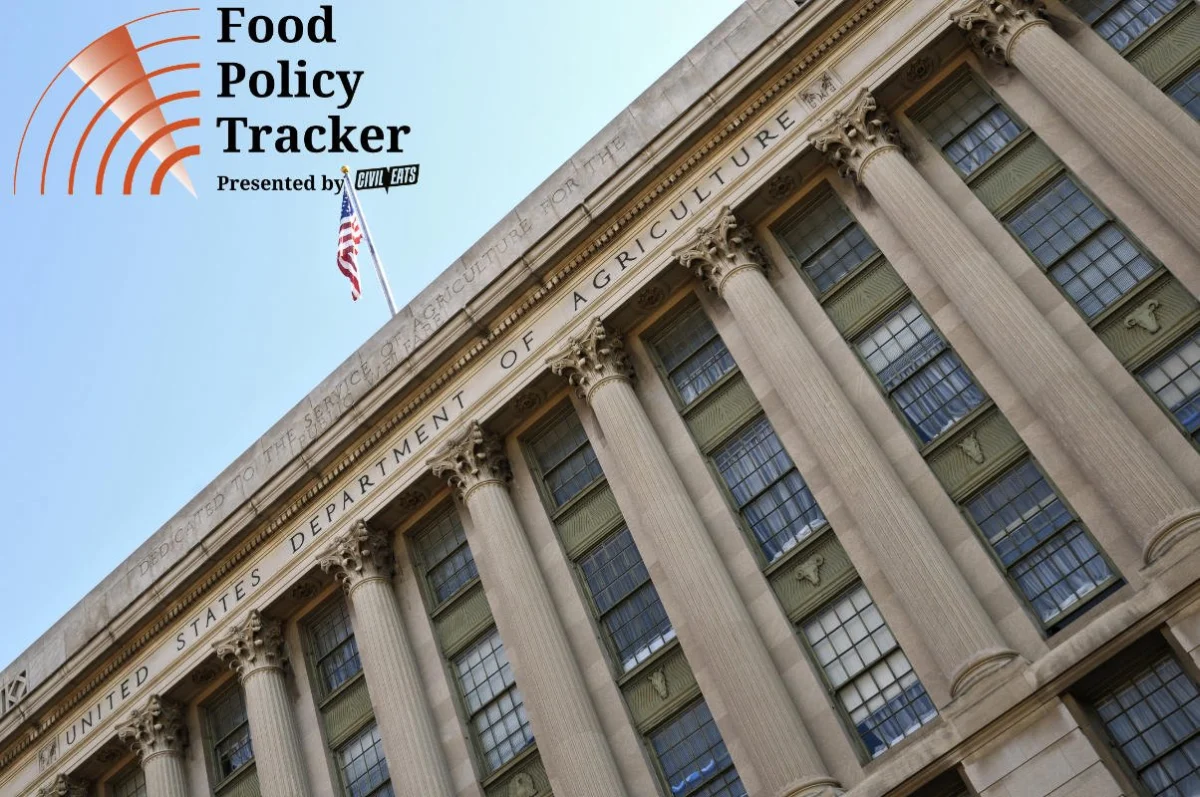
October 9, 2026 – The U.S. Department of Agriculture (USDA) announced earlier this week in Iowa a substantial $180 million investment in agricultural seed research, launching its new "Seed Sovereignty Initiative." Spearheaded by Secretary of Agriculture Brooke Rollins, this funding is primarily directed towards the Agricultural Research Service’s (ARS) National Plant Germplasm System (NPGS), a critical repository of genetic resources vital for the nation’s agricultural future. The initiative aims to bolster U.S. agricultural security by sequencing vast collections of major crop varieties within the NPGS, a massive library encompassing 600,000 samples of seeds, plant tissue, and other genetic material. While lauded by some as a much-needed injection of capital into a historically underfunded system, the announcement has simultaneously ignited a broader debate among agricultural policy experts and farmer advocates regarding the true meaning of "seed sovereignty" and the agency’s capacity to safeguard public resources against increasing corporate consolidation in the seed industry.
The funding for this ambitious endeavor is being channeled through the Commodity Credit Corporation (CCC), the USDA’s internal bank, a mechanism often utilized for agricultural programs and price supports. This approach allows the USDA to deploy funds for strategic initiatives without immediate, direct congressional appropriation, though the CCC’s outlays are ultimately subject to congressional oversight and repayment. Deputy Secretary Stephen Vaden underscored the strategic national importance of this investment in a press release, stating, "America’s agricultural resources are a strategic national asset. We need to survey our domestic resources, understand where we are vulnerable, and ensure the United States never has to rely on foreign competitors for critical agricultural resources." This statement clearly frames the USDA’s interpretation of "seed sovereignty" through a lens of national security and domestic self-reliance, a perspective that resonates with broader geopolitical concerns about supply chain resilience and strategic independence.
Bolstering the National Plant Germplasm System: A Crucial Investment
The National Plant Germplasm System (NPGS) is a cornerstone of American agricultural resilience, serving as a living library of genetic diversity for thousands of plant species. Established over a century ago, the system’s primary mission is to acquire, preserve, evaluate, document, and distribute germplasm to researchers and breeders globally. This genetic diversity is crucial for developing new crop varieties that can withstand evolving pests, diseases, and the accelerating impacts of climate change, such as droughts, floods, and extreme temperatures. Without a robust and diverse germplasm collection, the ability of U.S. agriculture to adapt and thrive in the face of future challenges would be severely compromised.
Policy specialists, including Nick Rossi of the National Sustainable Agriculture Coalition (NSAC), have long highlighted the chronic underfunding of ARS and, in particular, the NPGS. "Any investment in NPGS is great. ARS in general is super underfunded, and NPGS is incredibly underfunded," Rossi commented. This sentiment reflects a long-standing concern within the agricultural research community that the foundational work of germplasm preservation and basic plant breeding has not received the sustained financial commitment it requires.
The 2018 Farm Bill, a bipartisan legislative package governing U.S. food and agriculture policy, specifically directed the USDA to enhance the utilization of NPGS resources. In response, the USDA, under the previous administration of President Joe Biden, released a comprehensive plan in 2023 outlining necessary improvements. This plan candidly acknowledged that the NPGS received approximately $38 million in annual funding, while an additional $150 million would be needed in future years to fully implement its recommendations and modernize the system. The current $180 million investment, therefore, represents a significant step towards addressing this identified funding gap, focusing on critical activities like genetic sequencing, which promises to unlock unprecedented insights into the vast genetic potential housed within the NPGS collections. Advanced genomic sequencing will allow researchers to more efficiently identify desirable traits, accelerating the development of new, resilient crop varieties.
A Contested Definition: "Seed Sovereignty" and Corporate Control
While the USDA champions its "Seed Sovereignty Initiative" as a move to secure domestic agricultural resources, the term itself carries a much broader and often distinct meaning for farmer advocacy groups and sustainable agriculture proponents. For these groups, "seed sovereignty" is intrinsically linked to the rights of farmers to save, use, exchange, and sell seeds, and to protect these vital resources from corporate privatization and genetic manipulation that restrict their traditional practices.
Aaron Johnson, policy director at RAFI, articulated this critical distinction. "Seed sovereignty advocates are much more concerned about corporate control of seeds," Johnson stated, highlighting the stark reality of market concentration. In the United States, a handful of multinational corporations dominate the seed market, with just four companies controlling an estimated 70 percent of soybean seed and 80 percent of corn seed. This concentrated power allows these entities to heavily influence seed pricing, variety availability, and the terms under which farmers can access and utilize genetic material, often through restrictive patenting and licensing agreements.
This corporate dominance raises a fundamental question about the beneficiaries of the new USDA investment. "The key question is who will benefit from the new work undertaken at NPGS," Johnson posed. "Will the public resource that is the NPGS and the research that occurs there remain a public good or just be made available to major corporate seed dealers?" This concern is not merely philosophical; it has tangible implications for farmers, researchers, and the broader food system. If publicly funded research and genetic material primarily serve to further entrench the market power of large corporations, rather than fostering a more diverse and equitable seed system, then the USDA’s initiative could inadvertently exacerbate the very issues that seed sovereignty advocates seek to address.
USDA Under Secretary for Research, Education, and Economics Scott Hutchins attempted to address these concerns at the initiative’s announcement event. He stated that the agency would make genetic material "available to U.S. companies on a licensing basis and not an exclusive basis, so it should open up more competition in that context. But the companies themselves have to be able to exist and be able to create an opportunity to put that germplasm into their portfolio." While this suggests a commitment to non-exclusive licensing, the practical realities of research and development, particularly the substantial capital required to bring new varieties to market, often favor larger, established corporations. Smaller seed companies or independent breeders may still struggle to compete, even with non-exclusive access to publicly developed germplasm.
Staffing Cuts and Reorganization: A Shadow Over Implementation
The ambitious scope of the Seed Sovereignty Initiative is being launched against a backdrop of significant internal challenges within the USDA, particularly concerning staffing and organizational structure. Critics, including Rossi, have questioned whether substantial cuts to ARS staffing and a pending departmental reorganization could severely hamper the effective implementation and long-term success of the new initiative. In 2025 alone, ARS experienced a loss of over 30 percent of its staff, representing a substantial depletion of scientific and technical expertise across its research stations.
Such drastic reductions in personnel raise serious questions about the agency’s capacity to manage a complex, multi-year research program involving extensive genetic sequencing and data analysis. The remaining staff may be stretched thin, potentially leading to delays, compromised data quality, or an inability to fully leverage the potential of the new funding. Furthermore, a proposed reorganization of the USDA, which has faced legal challenges and internal resistance, adds another layer of uncertainty, potentially diverting resources and attention away from core research priorities.
Adding to the skepticism is the Trump administration’s decision to eliminate the USDA’s Farmer Seed Liaison position. This role, created under the Biden administration in response to an executive order promoting competition across various sectors, including agriculture, was designed to act as a crucial point of contact and advocate for farmers on issues related to seed access, intellectual property, and fair competition. The Trump administration rescinded Biden’s executive order targeting food system consolidation in August 2025, signaling a shift in policy priorities. A USDA spokesperson clarified to Civil Eats that the role was eliminated because the agency "shifted coordination to be with the United States Patent and Trademark Office on seed and plant variety protection issues." However, advocates argue that this move removes a direct line of communication and advocacy for farmers, weakening their voice in crucial policy discussions and potentially making it harder to challenge anti-competitive practices in the seed market.
Competition and Antitrust: The DOJ-USDA Partnership
In conjunction with the Seed Sovereignty Initiative announcement, the USDA also highlighted the renewal and expansion of a Memorandum of Understanding (MOU) with the Department of Justice (DOJ). This agreement aims to reaffirm and strengthen their partnership in combating anti-competitive conditions affecting American agriculture, explicitly mentioning the seed sector. Under the terms of the renewed MOU, the agencies commit to continuing their collaborative efforts to "identify and address anticompetitive conditions" across the agricultural supply chain.
While such inter-agency cooperation is ostensibly positive, some observers remain unconvinced of its practical impact. Nick Rossi of NSAC expressed skepticism regarding the MOU’s efficacy since its initial signing the previous fall. The concern is that while the framework for collaboration exists, tangible enforcement actions or policy changes to genuinely curb corporate power in the seed market have yet to materialize. Critics argue that without aggressive antitrust enforcement and a proactive stance against consolidation, MOUs alone may not be sufficient to counteract the deeply entrenched market power of dominant seed corporations. The history of agricultural mergers and acquisitions, often approved by regulators, further fuels this skepticism.
The Push for Utility Patent Reform
Given the limitations perceived in current regulatory and enforcement mechanisms, organizations like NSAC and RAFI are advocating for more fundamental legislative reform, specifically targeting "utility patent reform." This legislative push aims to fundamentally alter the legal framework governing seed intellectual property, which they argue is at the heart of corporate control over seeds.
Current U.S. patent law, particularly the application of utility patents to plant varieties, grants broad protection to seed developers, effectively preventing farmers from saving and replanting patented seeds without paying royalties or obtaining new licenses. This contrasts with Plant Variety Protection (PVP) certificates, which allow for farmer saving and research exemptions, but utility patents are far more restrictive. Advocates contend that these broad patents stifle innovation among independent breeders, limit research by preventing others from using patented material for breeding new varieties, and erode farmers’ traditional rights to manage their own seed stocks.
To address these concerns, Representatives Jim McGovern (D-Massachusetts) and Greg Casar (D-Texas) introduced the Fair Seeds for Farmers Act in July. This proposed legislation aims to take concrete steps to limit the scope of seed patents and prevent corporations from unduly restricting seed breeding and saving practices. The bill seeks to rebalance the intellectual property landscape, ensuring that genetic resources, many of which originated from publicly funded research or traditional farmer breeding, remain accessible as a public good. However, the bill currently faces an uphill battle, as no Republicans have yet signed on to support the measure, highlighting the political divisions surrounding agricultural policy and intellectual property rights.
Implications for American Agriculture
The USDA’s $180 million Seed Sovereignty Initiative represents a crucial financial commitment to the National Plant Germplasm System, an indispensable asset for the long-term resilience and adaptability of American agriculture. In a world grappling with climate change, emerging plant diseases, and geopolitical instability affecting food supplies, strengthening the genetic foundations of our crops is paramount. The emphasis on sequencing and enhancing the NPGS’s resources has the potential to accelerate the development of more robust, productive, and sustainable crop varieties.
However, the success of this initiative will hinge not only on the funding itself but also on how effectively the USDA navigates the complex landscape of corporate power, intellectual property rights, and its own internal capacity challenges. The tension between the USDA’s national security-focused definition of "seed sovereignty" and advocates’ broader interpretation—centered on farmer autonomy and public access to genetic resources—underscores a fundamental debate about the future direction of American agriculture.
The ability of the USDA to ensure that the benefits of publicly funded research genuinely serve the public good, rather than further entrenching corporate monopolies, will be a critical test. This includes robust non-exclusive licensing, vigilant antitrust enforcement, and a renewed commitment to supporting diverse, independent seed systems. Without addressing these underlying structural issues, the significant investment, while welcome, risks becoming a partial solution to a multi-faceted challenge, leaving many of the core issues of seed sovereignty unresolved. The ongoing legislative push for utility patent reform, alongside the effectiveness of the renewed DOJ-USDA MOU and the agency’s internal management of its scientific workforce, will ultimately determine whether this initiative truly ushers in an era of greater seed sovereignty for all stakeholders in American agriculture.