admin
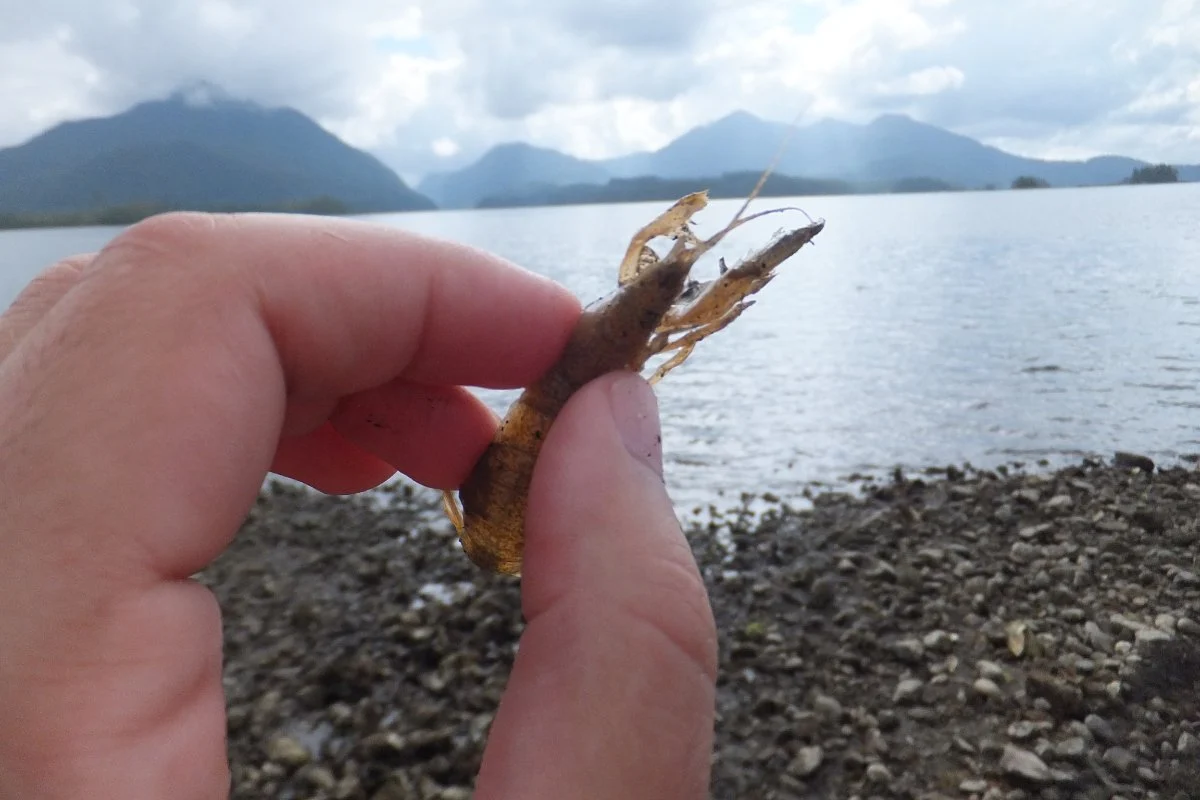
Willapa Bay, Washington – A critical hub for oyster aquaculture, is grappling with a severe ghost shrimp infestation that has pushed oyster mortality rates to nearly 90 percent. In response to this existential threat, researchers at the University of Washington, led by Professor Laura Ruesink and former research scientist Alan Trimble, are pioneering a novel vibrocompaction technique that promises a sustainable solution. Simultaneously, oyster farmers are exploring tactical avoidance methods and investing in off-bottom cultivation systems, signaling a multifaceted approach to preserve the bay’s vital industry against an array of environmental pressures, including invasive species and climate change impacts.
The Ghost in the Shell: A Persistent Threat to Willapa Bay’s Oysters
Willapa Bay, a sprawling estuary on Washington’s southwest coast, is renowned as one of the most productive oyster-growing regions in the United States, contributing a significant portion of the nation’s oyster supply. Its unique ecological conditions, characterized by vast intertidal mudflats and nutrient-rich waters, have historically fostered a thriving aquaculture industry. However, for decades, this delicate ecosystem and its economic engine have been under relentless assault from the native ghost shrimp (specifically Neotrypaea californiensis). These burrowing crustaceans, which can reach densities of hundreds per square meter, destabilize the sediment by creating extensive networks of tunnels. This activity turns firm oyster beds into soft, unconsolidated mud, causing oysters to sink and suffocate. The problem has intensified dramatically since the phasing out of chemical pesticides, particularly carbaryl, which was banned for use in aquaculture in 2016 due due to environmental concerns over its impact on non-target species and overall ecosystem health.
The ban, while lauded by environmental groups, left oyster farmers without an effective tool to combat the burgeoning ghost shrimp populations. The consequence has been devastating, with some farmers reporting an alarming 89.6 percent mortality rate for their oyster crops, a figure that encompasses challenges beyond just shrimp, including invasive estuary weeds, snails, and the increasingly prevalent green crab. This level of loss threatens the very viability of oyster farming in the region, jeopardizing livelihoods and the cultural heritage tied to this long-standing industry. The economic impact extends beyond individual farms, affecting processors, distributors, and local communities that depend on the oyster economy. Historically, the Willapa Bay oyster industry has contributed tens of millions of dollars annually to the state’s economy, supporting hundreds of jobs. The current crisis underscores an urgent need for innovative, environmentally sound management strategies.
Vibrocompaction: A Promising New Frontier in Pest Management
Amidst the growing despair, a beacon of hope has emerged from the collaborative efforts of Laura Ruesink, a professor at the University of Washington, and Alan Trimble, a former research scientist from the same institution. Their groundbreaking solution, dubbed "vibrocompaction," draws inspiration from an unlikely source: civil engineering principles used in consolidating wet concrete for building foundations. The hypothesis is elegantly simple yet powerfully effective: if vibrating the mud a foot below the surface while simultaneously compacting it from above, a hard, impenetrable layer of sediment can be created. This consolidated layer would effectively trap the ghost shrimp beneath the surface, leading to their demise within a few days by preventing their access to oxygen and food, and hindering their burrowing activities.
Initial trials conducted on Willapa Bay oyster farms have yielded remarkably positive results. Ruesink and Trimble found that vibrocompaction performed on par with carbaryl in terms of ghost shrimp reduction, demonstrating a non-chemical method with comparable efficacy to the previously used pesticide. This "proof of concept" is a significant milestone, offering a sustainable alternative that aligns with modern environmental stewardship. Following these successful preliminary studies, Professor Ruesink is now actively seeking substantial funding to scale up the technology. Her ambitious goal is to develop and deploy a machine capable of treating 100 to 200 acres per year, the estimated acreage necessary to sustain the oyster farming industry in Willapa Bay. Such a machine is projected to cost around $2 million and could be operational within two years of securing the necessary investment.
Further bolstering these efforts, Ruesink secured a crucial $300,000 grant from the U.S. Department of Agriculture (USDA) on September 30, 2023. This vital funding will support continued vibrocompaction research in Willapa Bay across multiple sites through 2028. A key component of this extended research is to meticulously study whether vibrocompaction poses any harm to clams, another commercially important bivalve species also farmed in Willapa Bay and equally vulnerable to smothering by ghost shrimp activities. Understanding the broader ecological impacts of this new technology is paramount to ensuring its long-term sustainability and acceptance by regulatory bodies and the farming community. The USDA’s investment underscores a national recognition of the challenge faced by the aquaculture industry and the potential of innovative scientific solutions to address it.
Tactical Retreats: Tracking and Avoiding the Shrimp Advance
While the long-term potential of vibrocompaction is being explored, some oyster farmers are concurrently advocating for more immediate, adaptive strategies. Among these is the concept of "avoidance," championed by farmers like Wilson (whose full name was not provided but represents a significant voice in the farming community). Wilson suggests that farmers effectively have two options: "track the shrimp or get off the bottom somehow." The premise behind tracking is that ghost shrimp are not static; they move across the tideflats, leaving behind "pretty good ground" once they vacate an area. The tactical approach, therefore, involves strategically placing oyster seeds on the receding side of shrimp movements, effectively farming in their wake.
This strategy, however, is not without its complexities and uncertainties. Key questions remain unanswered: What is the optimal interval between the shrimp’s departure and the safe reintroduction of oysters? How long does an area remain free of shrimp before they potentially return? The viability of this approach hinges on a deeper understanding of ghost shrimp migratory patterns and population dynamics. Interestingly, Professor Ruesink notes that observing these natural dynamics has become significantly easier since farmers ceased using pesticides to eliminate them. Without chemical intervention, the shrimp’s natural ebb and flow are more apparent, allowing researchers to document that the borders of grounds where shrimp reside can retreat between 9 and 30 meters per year. This data provides a crucial foundation for developing predictive models.
Technological innovation is also playing a role in this adaptive strategy. Since early 2026, Katie Ruesink, affiliated with Bay Center Farms and daughter of Professor Ruesink and Alan Trimble, has been utilizing a camera-mounted drone to survey one of their plots. These aerial photographs provide a visual, real-time record of shrimp movements from above, offering unprecedented insight into their spread and retreat. This drone-based mapping could become an invaluable tool for farmers, enabling them to make informed decisions about where and when to plant oysters, minimizing losses and optimizing yields. The integration of such precision aquaculture techniques could transform traditional farming practices, allowing for a more agile and responsive approach to managing environmental stressors.
Off-Bottom Solutions: A Shift to Floating Cages for Future Growth
Another significant adaptive strategy gaining traction among Willapa Bay’s oyster farmers is the move away from traditional ground culture toward "off-bottom" cultivation. This approach, as suggested by Wilson, involves getting oysters "off the bottom" and into the water column, thereby circumventing the ghost shrimp problem entirely. Shoalwater Seafood, operated by the Shoalwater Bay Indian Tribe, has been a pioneer in this shift, initiating oyster farming in 2019 using floating cages from the New Zealand-based company FlipFarm. Instead of scattering oyster seed directly onto the tideflats, they cultivate oysters in these specialized cages suspended in the bay’s open water.
This method offers several compelling advantages. Primarily, it targets the rapidly growing half-shell oyster market, a segment that is expanding faster than the traditional market for shucked oyster meat, which has long been Willapa Bay’s staple product. The FlipFarm system, while requiring an initial investment—an entry-level installment costs approximately $30,000—delivers impressive returns. Such an setup can produce around 5,000 dozen oysters, roughly equivalent to the yield from one acre using traditional ground culture methods in Willapa Bay, but in half the time. Half-shell oysters cultivated in floating cages typically reach market size in 12 to 18 months, a stark contrast to the three to five years required for larger ground oysters. This accelerated growth cycle translates to faster revenue generation and improved cash flow for farmers.
However, the transition to off-bottom farming presents considerable challenges, particularly for larger, established farms that span hundreds of acres, like Wilson’s. The financial investment required to convert from extensive bottom culture to an intensive floating cage system would be substantial, representing a major capital outlay. Furthermore, the half-shell market, while growing, is also highly competitive. As Wilson notes, while it offers "faster money" due to quicker turnaround, farmers "are not getting that much more for their product" than for traditional oysters. This suggests that the increased efficiency and reduced risk from shrimp must be carefully weighed against the initial investment and market price sensitivity. The aesthetic and logistical differences in farming methods, from equipment maintenance to harvesting techniques, also demand a significant learning curve and operational adjustments.
A Farmer’s Resilience: Adapting to Constant Challenges
Despite the innovative solutions on the horizon and the alternative farming methods gaining ground, many traditional oyster farmers, including Wilson, remain committed to ground cultivation. For them, farming oysters on the bottom is not just a business model but a deeply ingrained way of life. Wilson’s perspective encapsulates the inherent resilience and stoicism required of those who work the land and sea. He acknowledges the "constant conflicts" that define his industry, not just with ghost shrimp, but with a litany of other invasive species and environmental pressures.
The litany of threats includes invasive estuary weeds that compete with oysters for space and nutrients, snails that predate on young oysters, and the rapidly expanding populations of European green crabs (Carcinus maenas). Green crabs, an aggressive invasive species, pose a significant threat by preying on juvenile oysters and disrupting the benthic habitat. These compounding challenges contribute to the pervasive sense of precarity within the industry. Wilson’s poignant observation, "We are in an industry where we have an 89.6 percent mortality [rate for oysters], and on top of that, we have shrimp and now green crab," highlights the multi-faceted nature of the crisis. His resigned acceptance that "It’s been dire for so long, but I think we just have to come to accept it as being normal. That’s farming, right?" speaks volumes about the grit and adaptability of the farming community. For these farmers, the fight against environmental adversaries is not an anomaly but an integral, ongoing aspect of their profession. This philosophical outlook underscores a profound connection to the natural world, even as it presents formidable obstacles.
The Road Ahead: Innovation, Investment, and Sustainability for Willapa Bay
The future of Willapa Bay’s iconic oyster industry hinges on a delicate balance of scientific innovation, strategic investment, and sustained adaptive efforts from the farming community. The emergence of vibrocompaction represents a critical scientific breakthrough, offering a potential game-changer in the battle against ghost shrimp by providing an environmentally responsible and effective alternative to banned pesticides. The USDA’s grant to Professor Ruesink is a testament to the recognized urgency and potential of this research, which will not only refine the technique but also thoroughly assess its broader ecological impacts on the bay’s diverse ecosystem, particularly on other important species like clams.
However, the path to widespread implementation of vibrocompaction faces significant hurdles, primarily financial. The estimated $2 million required for a large-scale machine highlights the need for substantial public and private investment to translate laboratory success into commercial viability and make it accessible to the broader farming community. Parallel to this technological push, the exploration of tactical avoidance strategies and the adoption of off-bottom farming methods like FlipFarm demonstrate the industry’s capacity for practical adaptation. These diversified approaches not only mitigate the immediate threat of ghost shrimp but also open up new market opportunities and enhance operational efficiencies, even if they require significant capital outlay and a shift in traditional farming paradigms.
The challenges confronting Willapa Bay’s oyster farmers are a microcosm of broader issues facing aquaculture globally: the intensifying impacts of climate change, the proliferation of invasive species, and the constant pressure to balance economic productivity with environmental sustainability. The story of Willapa Bay is one of a community wrestling with these complex issues, driven by a deep commitment to its heritage and a pragmatic embrace of innovation. The collective efforts of researchers, government agencies, and the resilient farming community will determine whether Willapa Bay can continue its legacy as a preeminent oyster producer, charting a course toward a more sustainable and adaptable future for aquaculture in the face of ever-evolving environmental threats. The ongoing research and the diverse strategies being explored signify not just a fight for survival, but a proactive evolution of an industry determined to thrive.