admin

Napa Valley, long synonymous with opulent wine estates, unparalleled viticultural excellence, and an exclusive luxury experience, is confronting a nuanced challenge to its entrenched identity. While its reputation for producing world-class Cabernet Sauvignon and offering an elite tourism destination remains largely unchallenged among affluent connoisseurs, a discernible demographic shift is prompting a reevaluation of its accessibility and appeal. For a younger generation, particularly those in their early twenties and thirties, the region’s hallmark offerings—typified by hotel accommodations ranging from $299 to upwards of $1,300 per night, premium Cabernet Sauvignon bottles priced at $125 or more, and tasting appointments that demand advance reservations, credit card commitments, and a working knowledge of intricate wine lexicon—can appear not merely aspirational, but faintly ridiculous and out of reach. This perception of exclusivity, while cultivated by some as a mark of prestige, risks alienating a crucial future consumer base that seeks authenticity, value, and a more approachable entry point into the world of fine wine.
The Genesis of Napa’s Luxury Persona
The transformation of Napa Valley from a quiet agricultural region to a global luxury brand is a story deeply rooted in post-Prohibition ingenuity and a pivotal moment in wine history. For decades following the repeal of Prohibition, California’s wine industry focused largely on bulk production. However, by the mid-20th century, a new generation of winemakers, many inspired by European traditions, began to champion quality over quantity. They invested in meticulous vineyard management, innovative winemaking techniques, and a focus on premium varietals, most notably Cabernet Sauvignon, which found an ideal terroir in Napa’s diverse microclimates.
The watershed event that irrevocably cemented Napa Valley’s international standing was the 1976 Judgment of Paris. In a blind tasting organized by British wine merchant Steven Spurrier, Californian wines, including a Napa Valley Chardonnay and Cabernet Sauvignon, famously outperformed their highly esteemed French counterparts. This unexpected victory sent shockwaves through the wine world, shattering the long-held belief in European supremacy and catapulting Napa Valley onto the global stage. Overnight, Napa became a symbol of American excellence and innovation in winemaking.
Following this triumph, investment poured into the region. Land values soared, wineries expanded, and a sophisticated tourism infrastructure began to emerge. The focus increasingly shifted towards crafting ultra-premium wines, often in limited quantities, driving up prices and reinforcing an image of exclusivity. Wineries began building elaborate tasting rooms, often designed by renowned architects, offering curated experiences that mirrored the luxury associated with the wines themselves. This strategic positioning successfully attracted affluent visitors and collectors, solidifying Napa’s status as a high-end destination for both wine production and experiential tourism. The region cultivated an aura of prestige, where every detail, from the manicured vineyards to the personalized tasting protocols, underscored a commitment to unparalleled quality and a discerning clientele.
The Shifting Sands of Consumer Demographics
The demographic landscape of wine consumption is undergoing a significant transformation, with profound implications for established luxury markets like Napa Valley. Millennials (born roughly 1981-1996) and Gen Z (born roughly 1997-2012) now represent increasingly influential segments of the consumer base. Unlike previous generations, who often gravitated towards established brands and traditional notions of luxury, these younger consumers exhibit distinct purchasing behaviors and values.
Economically, many millennials and Gen Z face different realities than their predecessors. Burdened by student loan debt, navigating competitive housing markets, and often delaying traditional milestones like homeownership, their discretionary spending priorities are often reordered. A significant portion prioritizes experiences over material possessions, but these experiences must often align with their values and offer perceived authenticity and value. For them, a $125 bottle of Cabernet Sauvignon or a $500-a-night hotel room, particularly for a casual weekend trip, may not represent good value, even if they appreciate quality.
Culturally, these generations value transparency, sustainability, and social responsibility. They are less swayed by traditional marketing and more influenced by peer recommendations, social media trends, and brands that tell compelling stories and demonstrate ethical practices. In the context of wine, this translates to an openness to diverse varietals, natural wines, craft beverages, and a preference for less formal, more engaging experiences. The idea of a structured, appointment-only tasting requiring specialized vocabulary can feel exclusionary or overly academic, rather than inviting. A 2023 report by the Wine Market Council highlighted that while older generations still dominate high-frequency wine consumption, younger consumers are more experimental, less brand-loyal, and highly receptive to new formats and experiences. This divergence in values and economic realities contributes directly to the "ridiculous" perception described in the initial observation, as the traditional Napa model clashes with contemporary consumer expectations.
Data Points Illuminating Napa’s Economic Landscape
The economic metrics of Napa Valley underscore its luxury positioning. According to industry reports, the average price of a bottle of Napa Valley Cabernet Sauvignon consistently ranks among the highest globally, often exceeding $70 retail for entry-level premium labels and escalating rapidly into the hundreds for single-vineyard or cult wines. Data from the Napa Valley Vintners association typically indicates that the average bottle price for their members is significantly higher than other American Viticultural Areas (AVAs), reflecting both the quality of the wine and the cost of production in a region with some of the most expensive agricultural land in the world. As of recent valuations, vineyard land in prime Napa Valley areas can command prices upwards of $300,000 to $400,000 per acre, a factor directly influencing the final cost of the wine.
The hospitality sector mirrors this high-end market. A 2023 analysis of hotel pricing in key Napa Valley towns like Yountville, St. Helena, and Calistoga revealed average nightly rates for luxury accommodations frequently surpassing $500, with peak season rates for boutique hotels and resorts often reaching or exceeding $1,000. Even more modest, well-appointed inns rarely fall below the $300 mark. These figures significantly outpace average hotel costs in other prominent American wine regions such as Sonoma County (where luxury options exist but a wider range of price points is available), the Willamette Valley in Oregon, or Paso Robles in California, which often offer comparable quality experiences at more accessible price points.
Visitor statistics further illustrate the region’s appeal to an affluent demographic. Pre-pandemic, Napa Valley attracted approximately 3.8 million visitors annually, contributing an estimated $2.2 billion to the local economy. While these numbers are robust, analysis of visitor spending habits often shows a concentration among older, higher-income segments. A 2022 survey indicated that while younger visitors are present, their average spend per visit, particularly on wine purchases and luxury accommodations, tends to be lower compared to their older counterparts. This data reinforces the notion that while Napa successfully caters to its established luxury market, there’s a significant opportunity, and indeed a necessity, to diversify its appeal to ensure long-term growth across all demographic segments.
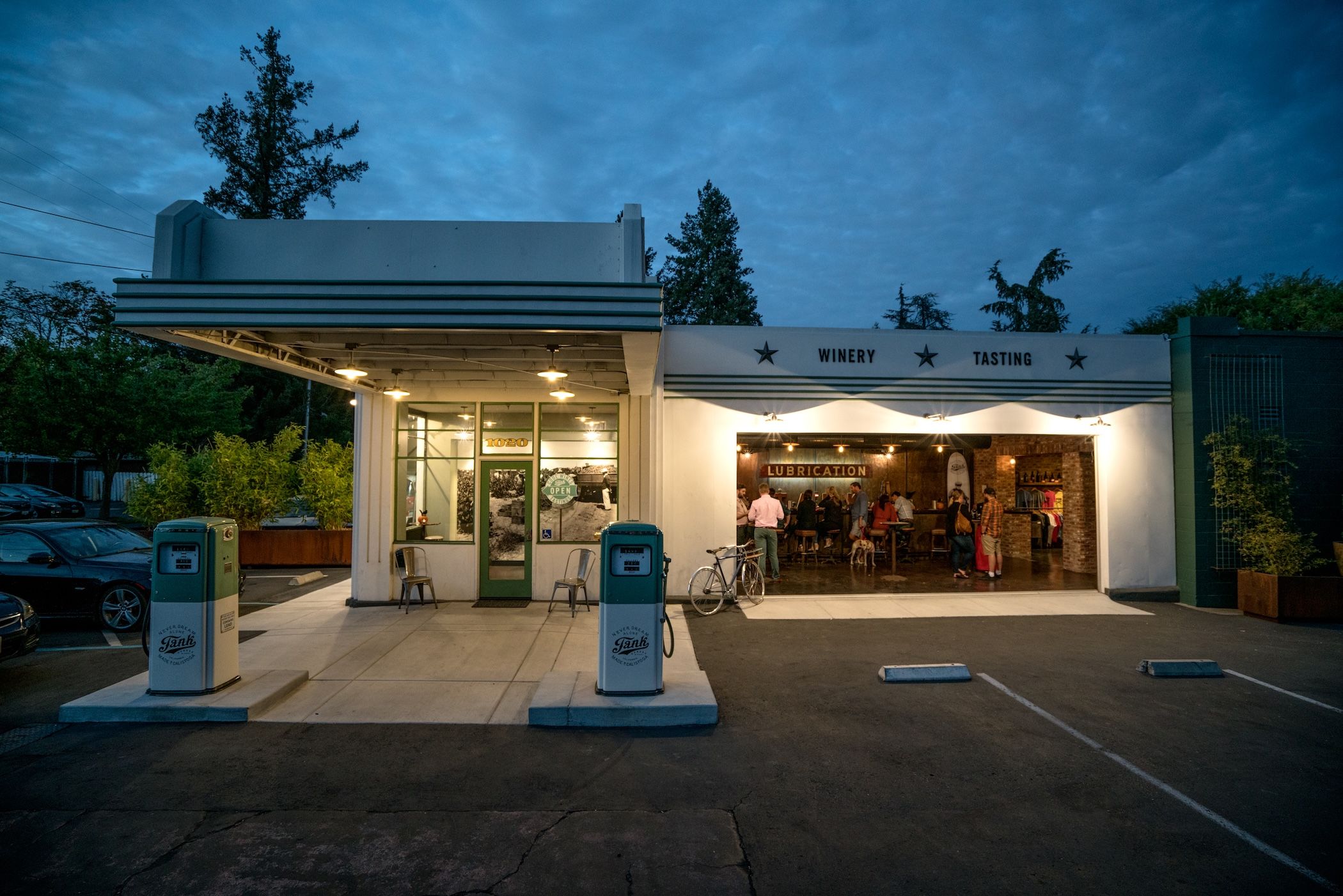
The Rise of Alternative Experiences and the "Tank Garage" Effect
In response to these evolving consumer preferences and the growing demand for more approachable wine experiences, a new wave of wineries is emerging, offering a distinct counter-narrative to Napa’s traditional luxury model. These establishments, often characterized by their unconventional aesthetics, diverse wine portfolios, and casual atmospheres, are actively courting younger consumers and those seeking an authentic, less intimidating engagement with wine.
One notable example of this trend, as highlighted by the original article’s image caption, is Tank Garage Winery in Calistoga. While the specific details of its operations are proprietary, the implication of it offering a "slightly different take on the typical Napa winery experience" suggests a deliberate departure from the opulent, reservation-only, high-price-point model. Wineries embracing this "Tank Garage effect" often share several common characteristics:
- Unique and Eclectic Ambiance: Instead of grand chateaus or sleek modern structures, these wineries might occupy converted industrial spaces, vintage gas stations, or rustic barns. Their interior design often leans towards vintage, bohemian, or industrial chic, creating a relaxed and photogenic environment that resonates with social media-savvy generations.
- Diverse Wine Offerings: While still producing quality wines, these establishments are less exclusively focused on flagship Cabernet Sauvignon. They might feature an array of lesser-known varietals, experimental blends, natural wines, or even small-batch craft beers, appealing to a broader palate and fostering a sense of discovery.
- Casual and Experiential Tastings: The emphasis shifts from formal, educational tastings to more relaxed, social experiences. Walk-ins are often welcome, reservations are less rigid, and the focus is on enjoyment and conversation rather than adherence to strict protocols. Some might incorporate live music, art installations, or pop-up food vendors, transforming the tasting room into a vibrant community hub.
- Accessible Price Points: While not necessarily "cheap," these wineries often aim for a more accessible price point for both their wines and tasting experiences, allowing younger consumers to engage without feeling financially excluded.
- Strong Brand Story and Authenticity: They often cultivate a distinct brand identity that emphasizes creativity, rebellion, or a return to simpler winemaking principles. This narrative resonates with consumers who value authenticity and connection to the people and stories behind the product.
This movement represents a crucial evolution in the wine industry, demonstrating that premium quality does not necessarily have to be synonymous with prohibitive cost or an intimidating atmosphere. By offering a more inclusive and engaging experience, these wineries are successfully broadening the appeal of Napa Valley and introducing wine to a new generation of enthusiasts. Their success challenges the notion that exclusivity is the only path to prestige and proves that there’s a significant market for authentic, high-quality wine experiences that are also approachable and fun.
Napa Valley’s Adaptation and Industry Responses
The established players within Napa Valley are not oblivious to these shifting dynamics. While maintaining their core luxury identity, there is a discernible movement within the industry to adapt and broaden their appeal without diluting their brand. The Napa Valley Vintners (NVV), the official trade association, has engaged in discussions and initiatives aimed at ensuring the region’s long-term relevance across diverse demographics.
One key adaptation is the diversification of offerings. Many larger wineries, while still producing their flagship high-end labels, are introducing secondary labels or more accessible wines that provide an entry point for new consumers. These might be blends, wines from younger vines, or varietals that offer excellent quality at a more modest price point. Similarly, tasting room experiences are evolving. While private, seated tastings remain a cornerstone, some wineries are introducing more casual bar-style tastings, outdoor picnic areas, or curated food pairings that are less formal and more interactive.
Marketing efforts are also shifting. There’s an increased presence on social media platforms favored by younger demographics, with content focusing on the lifestyle, beauty, and authentic stories of Napa, rather than solely on technical tasting notes. Collaborations with artists, chefs, and lifestyle brands are becoming more common, creating unique events and experiences designed to attract a broader audience. Sustainability initiatives, which have long been a focus for many Napa wineries, are now being more prominently communicated, aligning with the environmental values of younger consumers.
Official responses from industry leaders often emphasize the balance between tradition and innovation. While acknowledging the need to attract new generations, there’s a strong commitment to preserving Napa’s reputation for quality and luxury. Statements from NVV representatives typically highlight the region’s diverse offerings, from its world-renowned fine dining and spas to its burgeoning casual eateries and outdoor activities, portraying Napa as a multifaceted destination that can cater to various preferences and budgets, even if the perception of high cost persists. The challenge lies in communicating this breadth of experience effectively to those who currently view the region as exclusively out of reach.
Broader Impact and Future Implications
The ongoing evolution of Napa Valley’s image carries significant implications for its economic sustainability, brand identity, and the broader wine industry. For Napa, successfully attracting and retaining younger consumers is paramount for long-term viability. As older generations age, new demographics must step in to ensure continued demand for its premium wines and tourism offerings. Failure to adapt risks creating a perception of an aging, out-of-touch brand, potentially ceding market share to more nimble and approachable wine regions globally.
This shift is also fostering innovation in winemaking and hospitality. The demand for diverse varietals and unique experiences encourages experimentation in vineyards and cellars, pushing winemakers to explore new techniques and styles. In the tourism sector, it prompts creative approaches to visitor engagement, leading to a richer and more varied landscape of experiences for all guests. The rise of direct-to-consumer (DTC) sales, amplified by digital platforms, also allows smaller, more unconventional wineries to connect directly with their target audience, bypassing traditional gatekeepers and fostering a more democratic wine market.
The challenge for Napa Valley lies in threading the needle: maintaining its hard-earned prestige and luxury appeal while simultaneously cultivating an image of approachability and inclusivity. This isn’t about lowering standards or devaluing its premium offerings, but rather about showcasing the diversity that already exists within the valley and creating new avenues for engagement. The future success of Napa Valley will depend on its ability to evolve its narrative, demonstrating that while it remains a pinnacle of fine wine, it also offers authentic, enriching, and accessible experiences for a new generation of wine lovers. It is a testament to the dynamic nature of the wine world, where even the most established regions must continually adapt to remain vibrant and relevant in an ever-changing global market.