admin
For decades, the Niagara Peninsula – gracefully positioned on the southern banks of Lake Ontario, a mere 90 minutes from the vibrant gateway city of Toronto – was predominantly recognized for a singular, iconic beverage: ice wine. This intensely sweet, luscious style, meticulously crafted from naturally frozen Vidal and Cabernet Franc grapes, established the region’s vinous reputation throughout the 1990s, propelled by reliably frosty yet sheltered winters and characteristically hot growing seasons. However, the narrative of Niagara has undergone a profound transformation, mirroring broader shifts in both global wine trends and tourism expectations. The region has shed its identity as a quaint farming expanse, once dotted with rustic, century-old barns, to emerge as a sophisticated vineyard landscape. Today, Niagara boasts an impressive array of sublime dry table wines, complemented by Michelin-starred culinary establishments and architecturally striking tasting rooms, firmly positioning itself as Canada’s answer to renowned wine regions like Bordeaux or Napa, albeit with an inimitable local charm amplified by its relaxed hospitality and the majestic presence of Niagara Falls.
From Sweet Niche to Diverse Excellence: A Chronology of Niagara’s Wine Evolution
The roots of viticulture in the Niagara Peninsula stretch back further than its ice wine fame suggests. While the Speck family, founders of Henry of Pelham, began farming their land in 1794, and Ravine Vineyard planted its first commercial vines in 1869, large-scale commercial wine production, particularly of Vitis vinifera varieties, truly gained momentum in the latter half of the 20th century. The 1970s marked a pivotal period, with pioneers like German winemaker Hermann Weis recognizing the region’s potential for quality grapes beyond native labrusca varieties. Weis’s foresight led to the importation of Riesling vines from his native Mosel to what is now Vineland Estate, laying the groundwork for the region’s cool-climate success.
The 1980s saw the formalization of quality standards with the establishment of the Vintners Quality Alliance (VQA) in Ontario in 1988. This regulatory body was crucial in defining appellations, ensuring varietal authenticity, and guaranteeing wine quality, thereby elevating the credibility of Canadian wines on the international stage. It was in this environment that ice wine began its meteoric rise. Niagara’s unique microclimate – characterized by consistent winter freezes necessary for grape concentration, yet moderated by the thermal mass of Lake Ontario – proved ideal for producing this rare dessert wine. The 1990s became the "ice wine decade" for Niagara, with producers like Inniskillin becoming global flag-bearers, garnering international awards and solidifying the region’s place on the world wine map.
However, a new millennium ushered in a strategic pivot. While ice wine remains a cherished specialty, Niagara winemakers increasingly invested in dry table wines, exploring the full spectrum of Vitis vinifera varieties and refining techniques. This period saw significant investment in modern winemaking facilities, viticultural research, and a heightened focus on terroir expression. The transformation accelerated in the 2010s and into the current decade, driven by a new generation of winemakers and entrepreneurs committed to elevating Niagara’s standing as a serious producer of diverse, high-quality dry wines. This evolution has been holistic, encompassing not just the wines themselves but also the entire visitor experience, from architecturally significant tasting rooms to sophisticated culinary offerings.
Terroir: The Geological Canvas of Niagara’s Viticulture
The Niagara Peninsula’s viticultural prowess is intrinsically linked to its unique and diverse terroir, spanning nearly 2,000 square kilometers across 10 distinct sub-regions, all profoundly influenced by the expansive blue monolith of Lake Ontario. This geographical complexity creates a marked shift in growing conditions that directly impacts grape varietal suitability and wine styles.
The region’s most defining geological feature is the Niagara Escarpment, a vast limestone ridge that stretches over 1,000 kilometers from New York to Wisconsin. Within Niagara, the Escarpment provides crucial elevation and a diverse array of soils, predominantly limestone-based with layers of clay and loam, offering excellent drainage and mineral complexity. The slopes of the Escarpment, particularly in areas around St. Catharines and Beamsville, create cooler microclimates, ideal for Burgundian-style varieties like Pinot Noir and Chardonnay, as well as aromatic whites such as Riesling. The elevation and air circulation mitigate frost risk in spring and autumn, while the cooler temperatures allow for longer hang times, promoting complex flavor development and retaining vibrant acidity.
Conversely, the warmer, eastern district of Niagara-on-the-Lake, which abuts the U.S. border at the Niagara River, benefits from sandier, clay-rich soils and a more pronounced moderating effect from Lake Ontario. This area experiences slightly warmer growing conditions, making it particularly suitable for Bordeaux-varietal reds like Cabernet Franc, Cabernet Sauvignon, and Merlot, which require more heat and sunlight to achieve full ripeness. The lake’s presence is a constant, acting as a thermal regulator, keeping vineyards warmer in winter and cooler in summer, thereby extending the growing season and protecting vines from extreme temperature fluctuations. This "lake effect" also contributes to unique weather patterns, including the crucial lake-effect snow that insulates vines during harsh winters.
This intricate interplay of geology, climate, and geography underpins the region’s ability to produce an extraordinary spectrum of wine styles, from elegant, crisp sparkling wines to rich, ageable reds and, of course, its signature ice wines.
A Tapestry of Tastes: Signature Wineries and Innovations
Niagara’s current viticultural landscape is a vibrant mosaic of established estates and pioneering ventures, each contributing to the region’s diverse identity.
In the cooler climes of the Niagara Escarpment, Henry of Pelham stands as a testament to history and tradition. The Speck family, farming this land since 1794, now sees its sixth generation, brothers Paul, Matthew, and Daniel, running the estate. Their historic homestead-turned-cellar-door offers an excellent introduction to the broader region’s history and their eclectic range of wines, including the traditional-method sparkling Cuvée Catharine Brut (a blend of Chardonnay and Pinot Noir with 54 months on lees), citrussy Rieslings, and the distinctively inky, darkly fruited Baco Noir, a hybrid grape that has found a unique expression in Niagara.
Nearby, Vineland Estate Winery, set around an 1845-built Mennonite homestead, continues the legacy of Hermann Weis. Under the stewardship of long-serving winemaker Brian Schmidt, the 73-hectare estate still specializes in Riesling, showcasing the grape’s versatility from dry to lusciously sweet styles, thriving on the sloping escarpment. Other notable producers in this cooler-climate pocket include Malivoire, known for its vibrant Gamay and commitment to minimal intervention winemaking, and Tawse Winery, a certified organic and biodynamic producer celebrated for its elegant Chardonnays, Pinot Noirs, and Rieslings, reflecting a deep respect for natural processes.
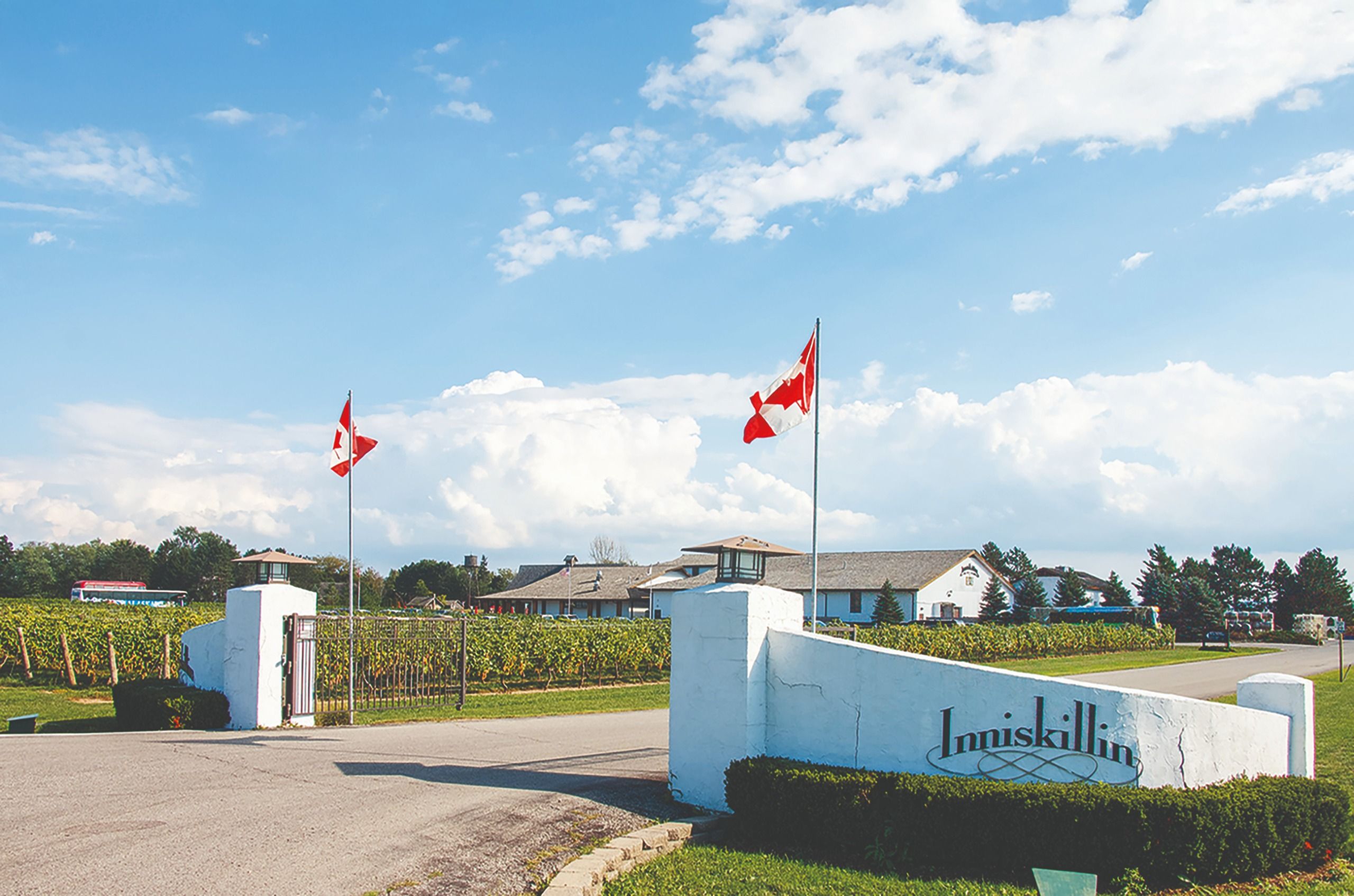
Moving east to the warmer Niagara-on-the-Lake district, the focus often shifts to fuller-bodied reds and a more polished hospitality experience. Southbrook Vineyards exemplifies the region’s commitment to sustainability, pioneering organic, biodynamic, and regenerative farming methods. Their structured Chardonnays and bright Pinot Noirs showcase what’s possible when environmental stewardship is prioritized. Meanwhile, Inniskillin remains the original flag-bearer for ice wine, continuing to produce world-class examples that first brought Niagara international acclaim.
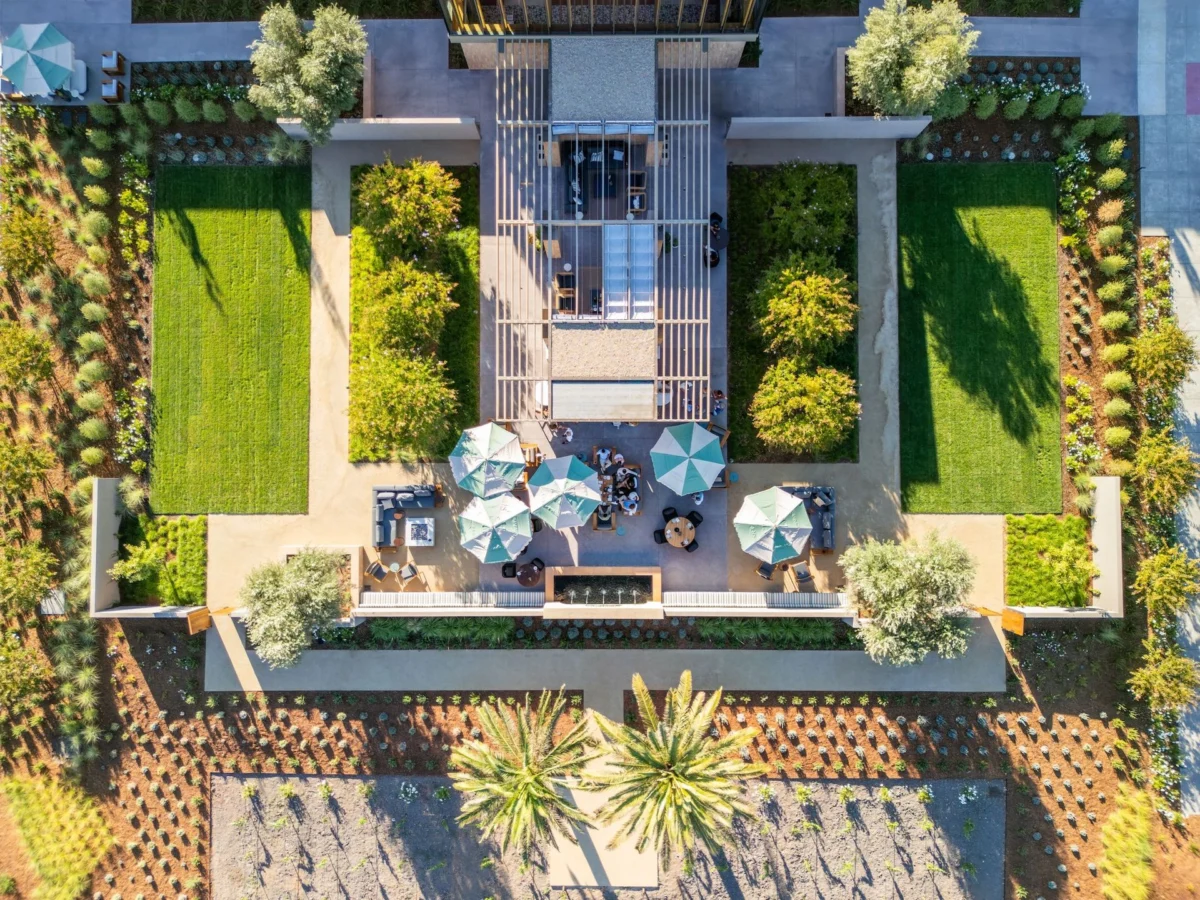
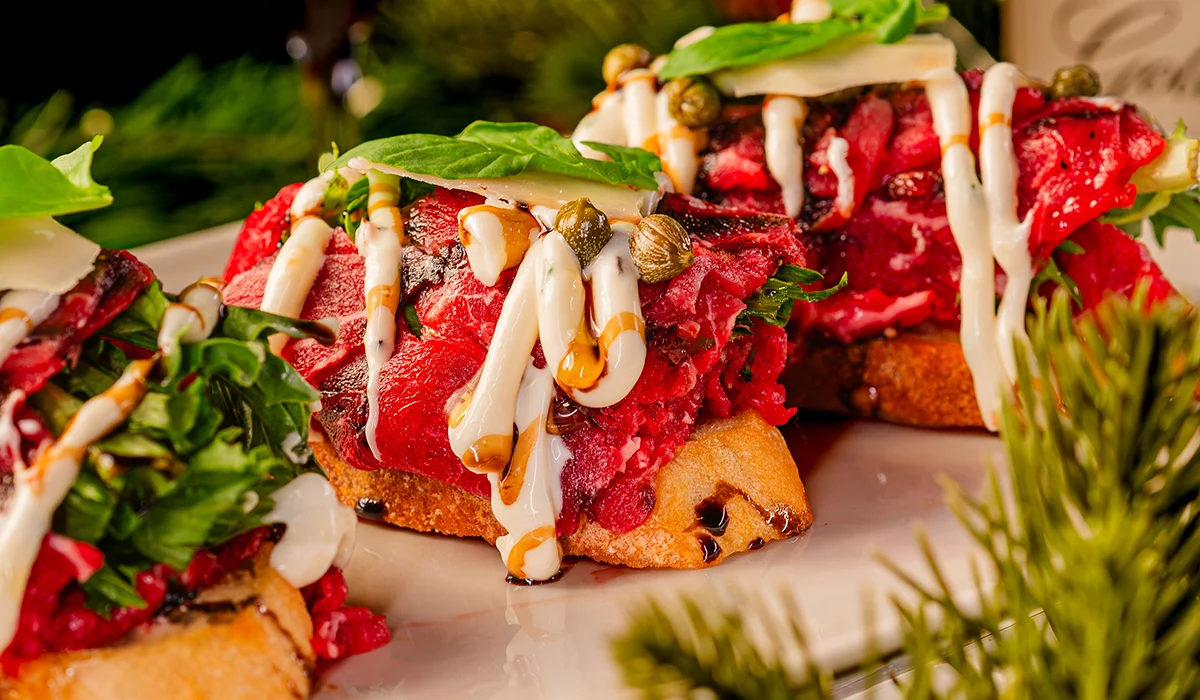
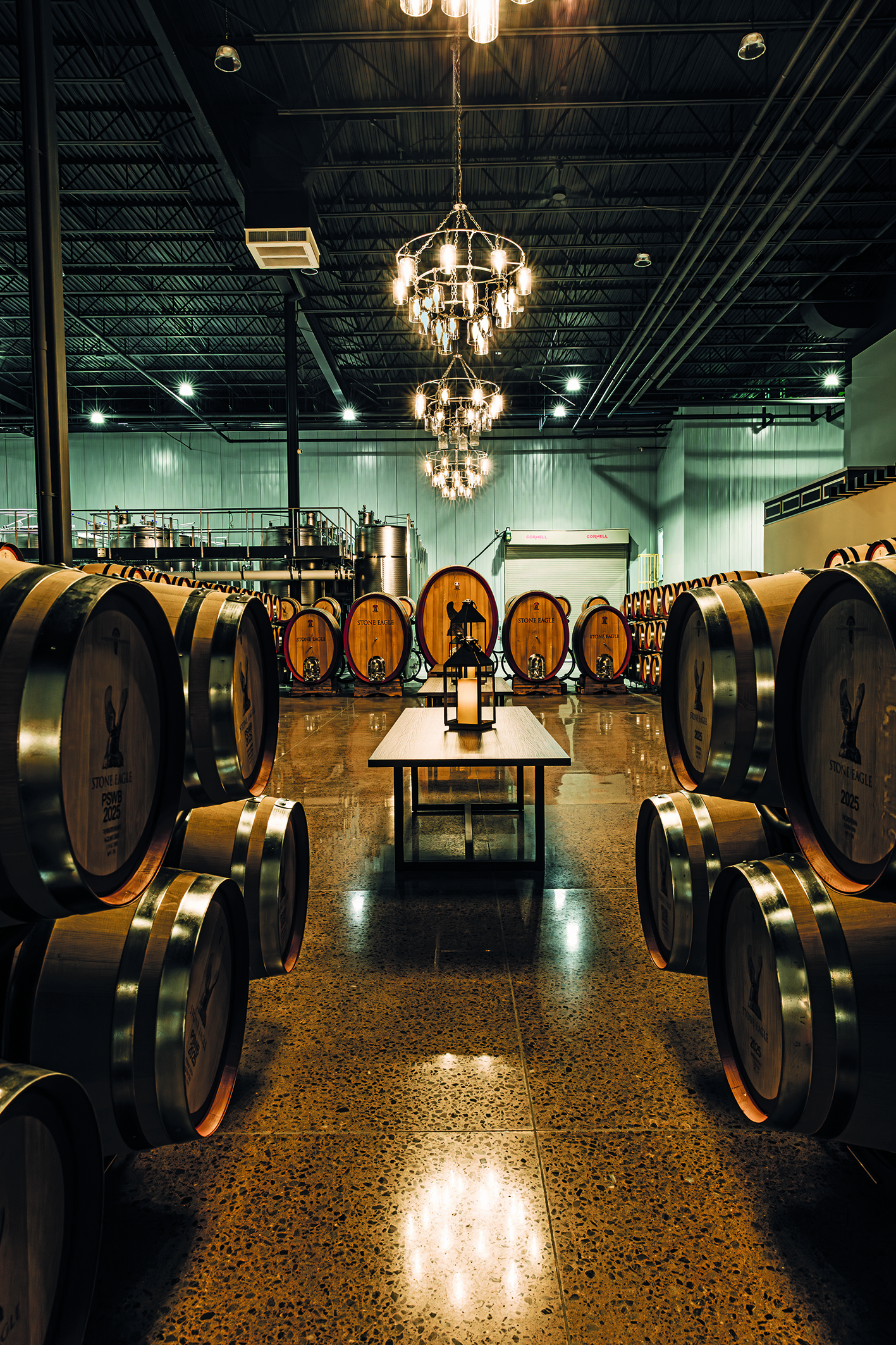
The burgeoning luxury segment is well-represented by Two Sisters Vineyards and its elite sibling, Stone Eagle. These wineries epitomize Niagara’s trajectory towards refined hospitality, offering grand tasting rooms, sophisticated dining options, and serious Bordeaux-style blends. Two Sisters’ Kitchen76, an onsite Italian restaurant, perfectly complements their creamy Chardonnays and red-fruited Cabernet Francs. Stone Eagle elevates the experience further with its "Signature Experience," pairing a flight of five premium wines, including a Sauvignon Blanc-Sémillon blend and ageable Bordeaux-style red blends, with meticulously crafted nibbles, and even an optional Beluga caviar pairing for the ultimate indulgence.
Beyond traditional wine, Niagara also embraces innovation. Ironwood Cider House, situated on Lake Ontario’s shore, applies a winemaker’s precision to cider production, creating single-variety bottlings, barrel-ferments, and carefully aged, limited-edition ciders like the crisp, tart Bramley. This reflects a broader "New World" attitude towards experimentation within the region.
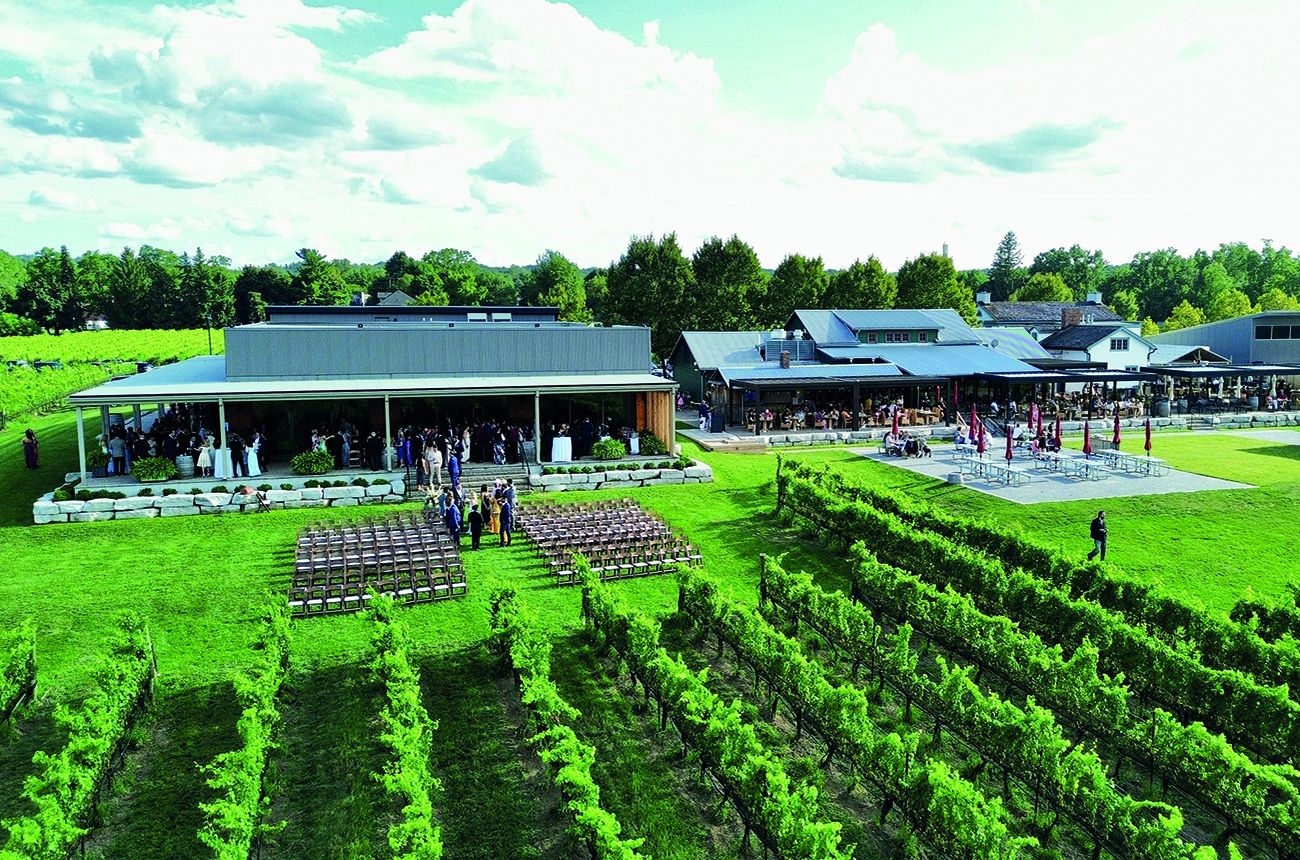
Stratus Vineyards, a certified B-Corp, stands out for its deliberate departure from a singular "Bordeaux beat" in Niagara-on-the-Lake. Within its LEED-certified facility, Stratus cultivates an impressive 16 grape varieties across its 22-hectare farm, bottling them primarily as single varietals. Their offerings range from Sangiovese aged in amphora to unfiltered Chardonnay, Viognier, and an ancestral field blend, alongside their acclaimed flagship red and white blends, showcasing a commitment to diversity and sustainable practices.
For a more unconventional yet equally profound experience, Pearl Morissette in Jordan embodies a minimal-intervention philosophy, producing lively Cabernet Franc, Chardonnay, and Riesling. These wines can be tasted in an unpretentious converted barn cellar door, or, during the warmer months, under a majestic oak tree. This unfussy setup belies serious attention to detail, a philosophy that extends to their acclaimed onsite restaurant, Ontario’s first Michelin two-star establishment. Similarly, Bachelder, located in Beamsville, offers an intimate, appointment-only tasting in a modest house, pouring some of Canada’s finest Burgundian-style Pinot Noirs and Chardonnays. Each of Thomas Bachelder’s single-plot bottlings, from Wismer-Wingfield in Twenty Mile Bench to Frontier Block in Lincoln Lakeshore, serves as a meticulous study in Niagara’s evolving terroir, a profound "love letter to Canadian wine in its purest form."
Culinary Excellence: Pairing Plates with Pours
The ascent of Niagara’s wine industry has been inextricably linked with the parallel rise of its culinary scene. The region’s commitment to showcasing local produce, often sourced directly from surrounding farms, has created a vibrant farm-to-table ethos that resonates with its terroir-driven wines. The crowning achievement of this culinary evolution is the emergence of Michelin-starred dining, most notably Pearl Morissette in Jordan Station. As one of only two Michelin two-star restaurants in Canada, Pearl Morissette is a gastronomic pilgrimage, offering a cutting-edge tasting menu within a reimagined barn space. Its ultra-polished service and faultless cooking celebrate local ingredients, with the meal thoughtfully paired with both the winery’s vibrant natural wines and an impressive selection of international bottlings. The intense demand for reservations underscores its celebrated status and its role in attracting sophisticated gourmands to the region.
Other notable dining establishments further enrich the culinary landscape. Ravine Vineyard’s restaurant offers fixed-price dinner menus that champion top-drawer Canadian produce, from British Columbian octopus to Ontario beef laced with black truffle, and Niagara pork chops paired with the region’s arguably world-best peaches. During the day, its pizza patio overlooking Chardonnay vines provides a more casual yet equally delicious option, complemented by an onsite bakery known for epic pastries. In Niagara-on-the-Lake, Treadwell Cuisine serves up Canadian-inflected European flavors in a charming setting just off the Georgian high street. Its all-day menu features delights like brioche French toast with blackberries for breakfast, a lobster club sandwich for lunch, and sockeye salmon with fried courgette blossom for dinner, all designed to highlight seasonal local ingredients. These culinary destinations collectively elevate Niagara from a mere wine-tasting destination to a comprehensive epicurean journey.
Beyond the Bottle: Enhancing the Visitor Experience
Niagara’s appeal extends far beyond its vineyards and dining tables. Its strategic location offers visitors a unique blend of natural wonders, historical charm, and diverse activities, making it a multifaceted tourist destination.
The majestic Niagara Falls, one of North America’s most spectacular natural wonders, is a mere half-hour drive from the core of the wine region. Visitors can experience the thunderous cascades through various immersive activities, enjoy the panoramic views from Table Rock restaurant, or explore the historic Niagara Parks Power Station, a marvel of engineering built with technology designed by Nikola Tesla. This proximity allows for a seamless integration of natural spectacle with refined wine and culinary experiences.
The town of Niagara-on-the-Lake itself is a significant draw. Established as a British colony in the 18th century, it was famously destroyed during the War of 1812 and subsequently rebuilt in exquisite Georgian splendor. Its high street, lined with independent shops, boutiques, and restaurants, exudes a charming, historic ambiance. The town also serves as a central hub for accessing dozens of surrounding wineries and offers a range of boutique inns and hotels, like the grand 1864-built Prince of Wales, providing a stylish and comfortable base for exploration.
For those seeking to understand the geographical underpinnings of Niagara’s wine, the Ball’s Falls Conservation Area in Lincoln offers an educational insight into the impact of the Niagara Escarpment. Visitors can tour a time-warp 1800s-era settlement and witness the waterfalls that cascade over the escarpment’s rim, providing a tangible connection to the geological forces that shape the region’s viticulture.
Accommodation options cater to a range of preferences, from the contemporary comfort of 124 on Queen Hotel & Spa in Niagara-on-the-Lake, offering rooms with kitchenettes for longer stays, to the historic elegance of the Prince of Wales. For those preferring proximity to the Escarpment wineries, Inn on the Twenty in Jordan Station provides a cozy stay within walking distance of Pearl Morissette, complete with its own acclaimed restaurant. These diverse offerings ensure that every visitor can curate an experience that blends wine, food, nature, and history into an unforgettable journey.
The Road Ahead: Sustainability and Global Stature
The Niagara Peninsula wine region is not resting on its laurels. The ongoing commitment to innovation, sustainability, and quality positions it for continued growth and heightened international recognition. The increasing adoption of organic, biodynamic, and regenerative farming practices by wineries like Southbrook and Tawse, along with the B-Corp certification of Stratus, reflects a collective understanding of environmental stewardship as crucial for long-term success.
Industry analysts and winemakers alike speak of a "terroir-driven revolution," where the focus remains on expressing the unique characteristics of Niagara’s diverse sub-regions. This meticulous approach, coupled with a willingness to experiment with both classic and emerging varietals, ensures that Niagara’s wine offerings will continue to evolve and surprise. The region’s strategic pivot from a singular ice wine identity to a multifaceted destination offering world-class dry wines, Michelin-starred dining, and a rich tapestry of cultural and natural attractions has broadened its appeal to a global audience.
Local tourism officials consistently emphasize Niagara’s unique blend of natural beauty and sophisticated offerings, aiming to attract visitors who seek both adventure and refinement. The economic implications of this transformation are significant, contributing substantially to regional employment, agricultural diversification, and overall economic prosperity. As Niagara continues to map its distinct terroirs and refine its winemaking, it solidifies its place as a formidable and respected player on the global wine stage, a testament to decades of dedication and a vibrant vision for the future.