admin

The inaugural Hood River Orchard and Ale Festival, held on the waterfront of the Columbia River, has officially established a new milestone in the Pacific Northwest’s craft beverage calendar. Situated in the heart of the Columbia River Gorge, the event brought together regional producers, tourists, and residents to celebrate the unique intersection of agriculture and brewing that defines the Hood River Valley. The festival’s debut underscores the economic and cultural significance of a region that boasts one of the highest concentrations of craft breweries per capita in the United States. While the event faced the environmental challenges typical of the Gorge—specifically high-velocity winds that influenced logistics and attendee behavior—it successfully showcased the high-caliber production standards of the local industry.
The Geography and Environmental Factors of Hood River Brewing
The success of the Hood River brewing scene is inextricably linked to its specific geography. The Columbia River Gorge, a canyon stretching over 80 miles and reaching depths of up to 4,000 feet, serves as a natural wind tunnel. During the October festival, these conditions were on full display as steady gusts from the west impacted the waterfront event grounds. These winds are a primary driver for the local tourism economy, attracting windsurfers and kiteboarders from around the globe, which in turn provides a consistent customer base for local taprooms.
However, the most critical environmental factor for the region’s beer production is the Hood River watershed. Unlike many municipal systems that rely on processed river water, Hood River breweries utilize snowmelt from the 11,240-foot Mount Hood (the original text cited 14,000 feet, but Mount Hood stands at 11,240 feet, a correction reflecting geographical accuracy). This water is naturally filtered through layers of volcanic basalt rock. The resulting water profile is characterized by its softness and a specific mineral composition that requires minimal adjustment for brewing lagers and ales. This "soft" water base, combined with the region’s proximity to the Willamette Valley—one of the world’s most productive hop-growing regions—creates a logistical advantage for local brewers, allowing for the use of "fresh hops" that are often processed within hours of being harvested.
A Chronological Evolution of the Hood River Brewing Scene
The development of Hood River as a global brewing destination has occurred over nearly four decades, moving through distinct phases of the American craft beer movement.
The Pioneer Era (1987–2006)
The foundation of the local industry was laid in 1987 with the establishment of Full Sail Brewing Co. As one of the early pioneers of the Oregon craft beer explosion, Full Sail utilized the abandoned Diamond Fruit cannery, repurposing industrial infrastructure for beverage production. Their success proved that the Gorge could support large-scale craft distribution. For decades, Full Sail served as the primary anchor for the town’s "liquid tourism," focusing on classic styles like their flagship Amber Ale.
The Specialization Phase (2007–2015)
In 2007, the opening of Double Mountain Brewery & Cidery marked a shift toward more diverse styles and a focus on local agriculture, including the use of regional fruit in their fermentation processes. This was followed in 2012 by the launch of pFriem Family Brewers. pFriem introduced a European-inspired sensibility to the waterfront, focusing on Belgian-style ales and meticulous German lagers. The success of pFriem helped transition the local market from traditional American ales to a more sophisticated, global palette of styles.
The Modern Terroir Movement (2018–Present)
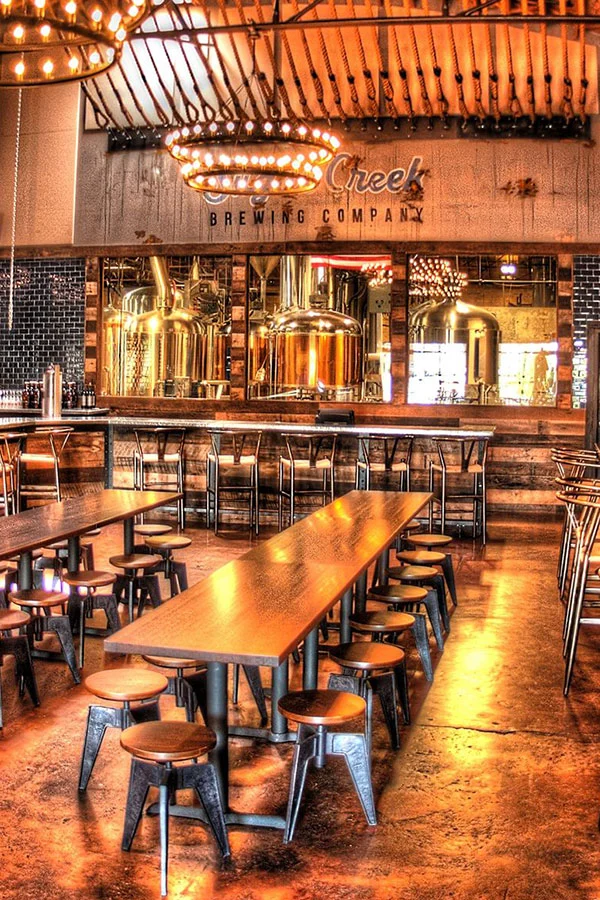
The most recent decade has seen the rise of breweries like Ferment Brewing Company (est. 2018), which emphasizes the "terroir" of the Gorge. By utilizing farmhouse techniques and local yeast strains, these producers seek to create a product that is uniquely representative of the local environment. This era also saw the expansion of the scene into the "Heights" neighborhood and downtown, with Hood River Brewing Company (2023), Working Hands Fermentation, and the 2025 opening of the Walled Garden by Kings & Daughters Brewery.
Economic Impact and Industry Data
The Oregon craft beer industry is a vital component of the state’s economy, contributing billions of dollars annually. According to the Oregon Brewers Guild, the state is home to over 300 breweries across 80+ cities. Hood River, with a population of approximately 8,300 residents, hosts nearly a dozen distinct brewing operations within its immediate vicinity. This creates a ratio of approximately one brewery for every 800 residents, a metric that far exceeds national averages and rivals other major hubs like Asheville, North Carolina, and Bend, Oregon.
The Hood River Orchard and Ale Festival serves as a strategic bridge between two of the region’s largest economic drivers: craft beer and the "Fruit Loop" (the 35-mile scenic loop of orchards and farm stands in the Hood River Valley). The valley is the world’s largest producer of Anjou pears and a significant contributor to the nation’s apple and cherry markets. By integrating these agricultural products into the festival—both through cider production and fruit-infused ales—organizers are leveraging the region’s dual identity to bolster autumn tourism, which traditionally slows down after the summer windsurfing season ends.
Analysis of the Inaugural Festival and Regional Strategy
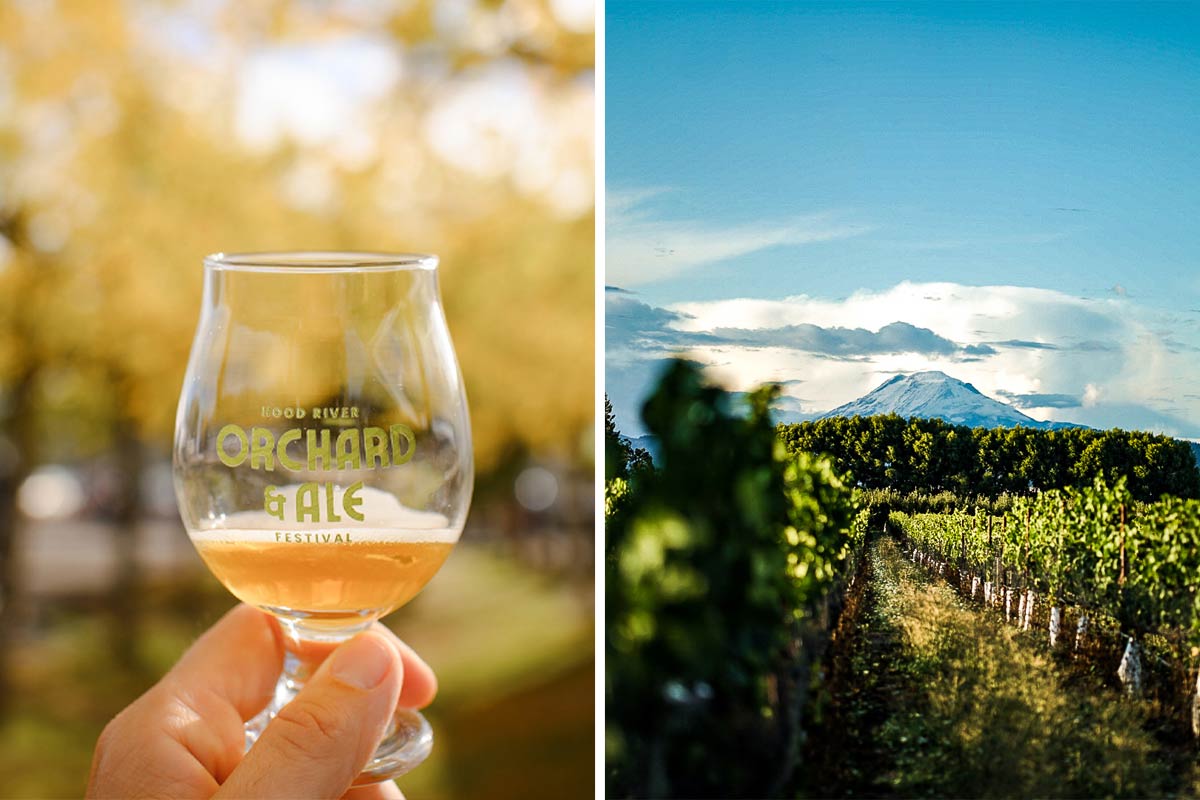
The inaugural festival on the waterfront demonstrated a clear shift toward high-value tourism. Observers noted a significant preference among attendees for premium tasting experiences, including the purchase of commemorative glassware over disposable plastic cups. This trend aligns with broader shifts in the craft beer industry where consumers are increasingly willing to pay a premium for "proper" presentation and sustainable practices.
Logistically, the festival highlighted the challenges of the Gorge’s microclimate. The high winds necessitated heavy-duty equipment and reinforced structures. For future iterations, organizers may need to consider more sheltered venues or specialized equipment to mitigate the effects of the "wind tunnel" effect that characterizes the October transition into autumn.
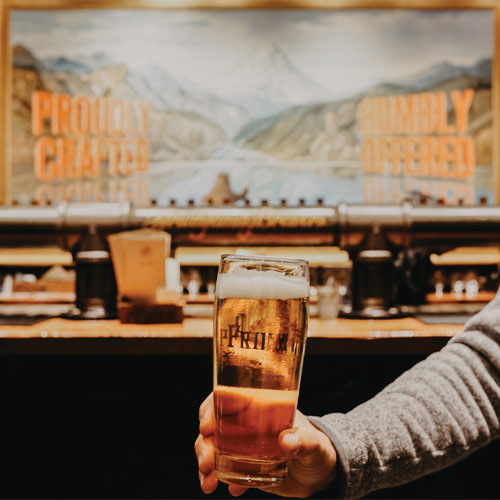
From a production standpoint, the beers showcased at the festival reflected a high degree of technical proficiency. Notable inclusions were:
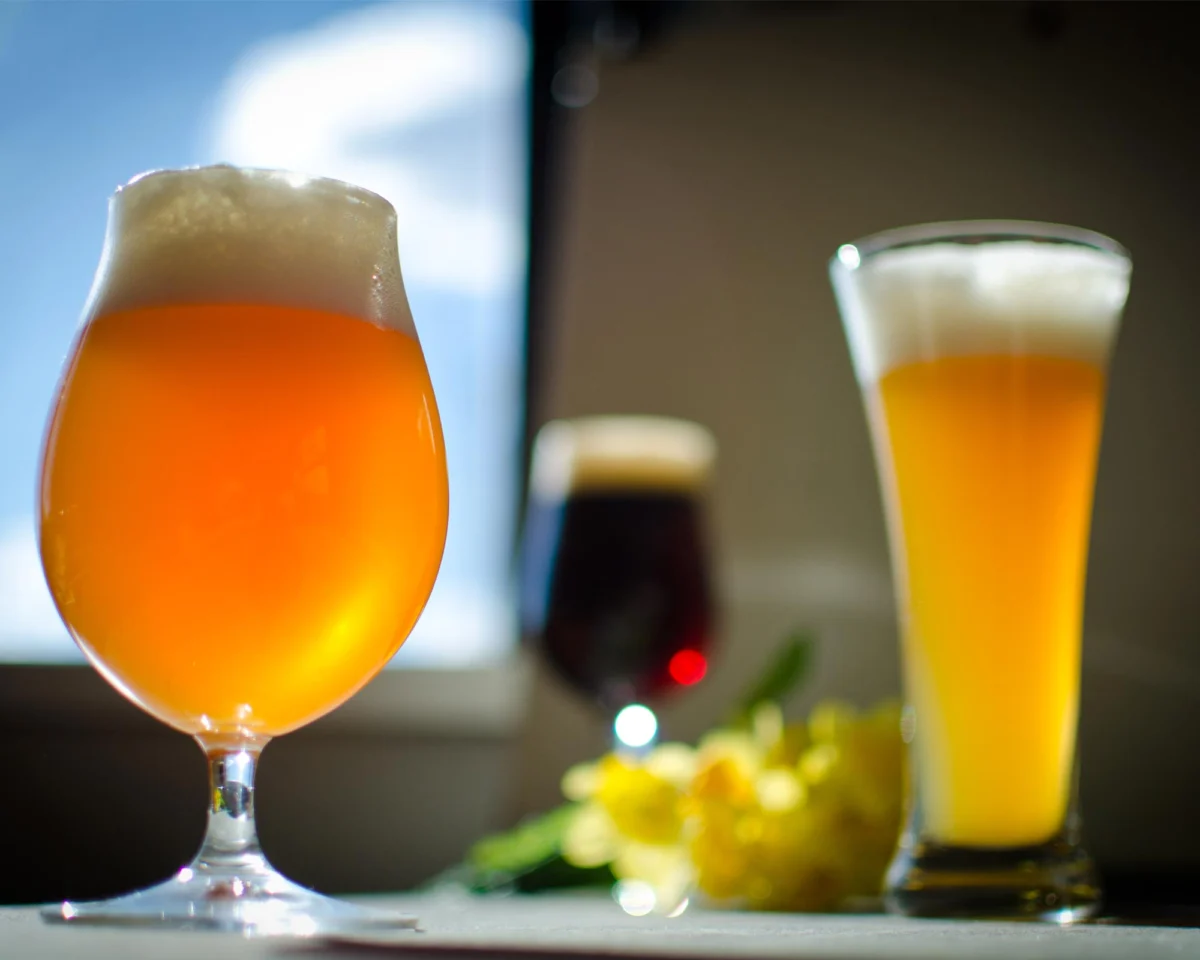
- Traditional Lagers: Producers like Working Hands Fermentation and pFriem demonstrated a commitment to long-maturation lagers, such as Schwarzbiers and Czech Dark Lagers, which require precise temperature control and water chemistry.
- Fresh Hop Variations: Given the October timing, many breweries featured fresh-hopped IPAs, a seasonal specialty that relies on the immediate proximity to the hop fields of the Willamette and Yakima Valleys.
- Mixed-Culture Fermentation: Ferment Brewing’s use of local fruit in sour ales illustrates the growing trend of "culinary brewing," where the lines between wine-making and beer-brewing become blurred.
Broader Implications for the Pacific Northwest
The emergence of the Hood River Orchard and Ale Festival is indicative of a broader trend toward hyper-local, destination-based festivals. As the national craft beer market reaches a point of saturation, regional hubs are finding success by leaning into their specific geographic and agricultural strengths. Hood River’s ability to draw visitors from the Portland metropolitan area (approximately 60 miles to the west) ensures a steady flow of revenue into the local economy.
Furthermore, the continued growth of the brewing sector in Hood River—marked by the 2025 launch of new taprooms—suggests that the region has not yet reached its carrying capacity. The diversification of the scene, from the industrial-scale production of Full Sail to the boutique, neighborhood-focused approach of Kings & Daughters, provides a robust ecosystem that can withstand shifts in consumer trends.
In conclusion, the Hood River Orchard and Ale Festival is more than a local celebration; it is a manifestation of a highly successful regional economic model. By combining world-class water sources, immediate access to raw agricultural materials, and a scenic location that attracts global tourism, Hood River has solidified its position as a primary pillar of the American craft beer industry. As the festival evolves, it is expected to become a cornerstone event that highlights the sustainable and collaborative nature of Oregon’s agricultural and fermentation sciences.