admin
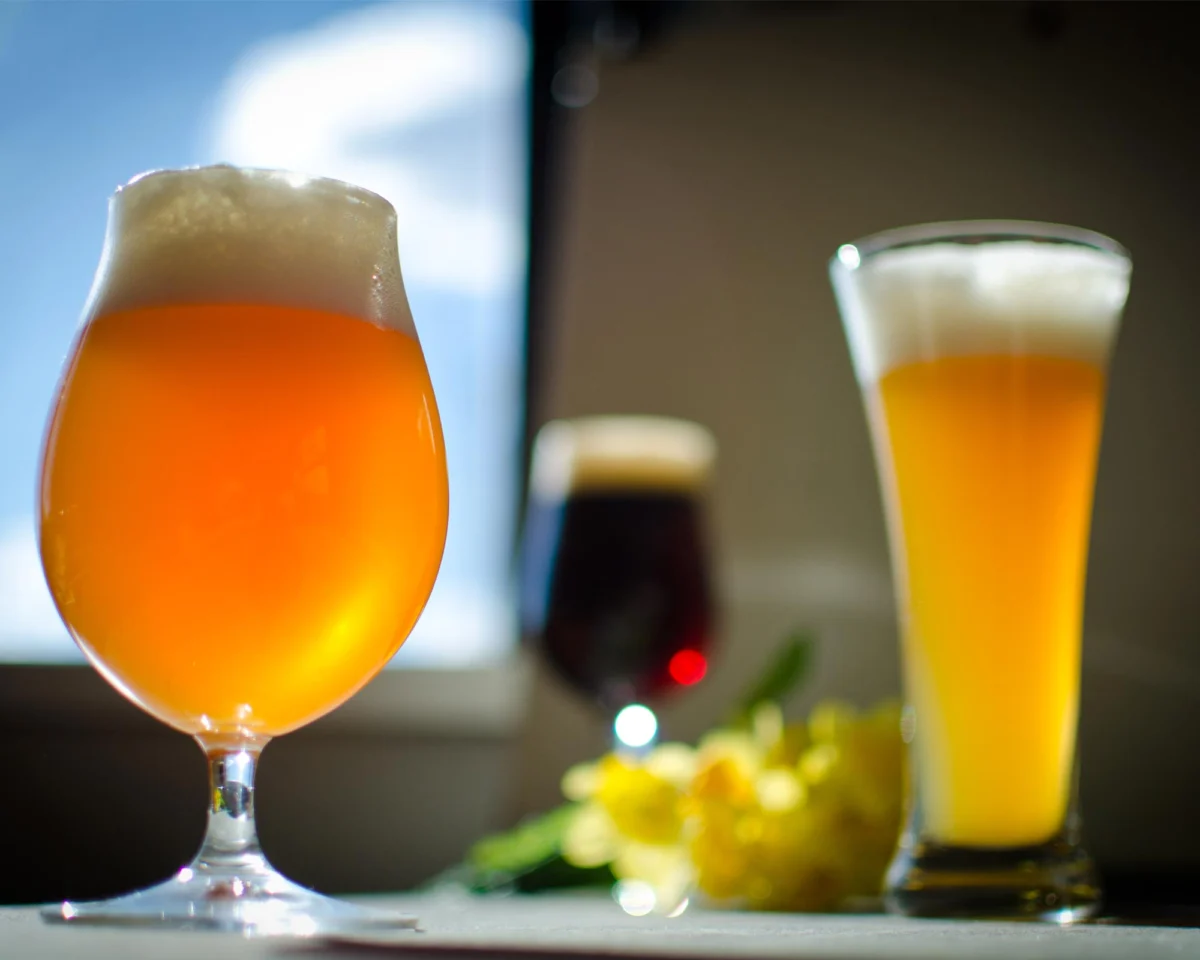
As the vernal equinox ushers in a period of renewal, the global culinary landscape undergoes a profound shift, transitioning from the heavy, preservation-focused flavors of winter to the vibrant, ephemeral offerings of spring. This seasonal metamorphosis is characterized by the emergence of specific produce—including asparagus, fava beans, English peas, spring onions, ramps, and tender lettuces—that demand a specialized approach to preparation and pairing. In the contemporary gastronomic environment, chefs and brewers are increasingly moving away from complexity for its own sake, instead embracing a philosophy centered on simplicity and balance. This movement prioritizes the inherent quality of raw ingredients, sourced from small-scale farmers and independent producers, to create experiences that highlight the clean, bright flavors synonymous with the season.
The Seasonal Transition and the Emergence of Spring Ingredients
The arrival of spring marks a critical juncture for both the agricultural and culinary sectors. After months of relying on root vegetables and fermented goods, the sudden availability of "tender" crops requires a tactical change in kitchen operations. Produce such as radishes, scapes, and early-harvest beets are notable for their high water content and delicate cell structures, which respond best to minimal intervention.
Culinary professionals categorize these ingredients as "high-impact, low-duration" offerings. Ramps (wild leeks), for instance, may only be available for a few weeks in certain regions, creating a sense of urgency in menu development. During this window, techniques such as pickling, light roasting, marinating, and pureeing are employed not to mask the ingredient, but to accentuate its natural profile. The objective is to preserve the "green" or "earthy" notes that define the spring harvest. Furthermore, this season is the primary period for the production of young, fresh cheeses. Unlike aged varieties, these cheeses are designed for immediate consumption, offering a creamy, lactic acidity that complements the crispness of spring vegetables.
The Philosophy of Simplicity in Modern Pairing
In the pursuit of the perfect culinary experience, the concept of "simplicity" has evolved from a lack of effort into a deliberate discipline. Modern gastronomic theory suggests that by limiting a dish or a pairing to three or four key ingredients, the palate is better able to discern and appreciate the nuances of each component. This approach stands in contrast to the "maximalist" trends of previous decades, which often favored over-indulgence and overworked plates.
A quintessential example of this minimalist philosophy is the pairing of shaved Parmesan Reggiano with a classic pale ale. This combination serves as a foundational lesson in sensory balance. The saltiness and crystalline texture of the aged cheese interact with the malt backbone of the beer, while the carbonation and hop bitterness act as a palate cleanser, cutting through the cheese’s dairy fat. This interaction demonstrates that balance is not merely the absence of intensity, but the harmonious arrangement of competing flavors—sweetness versus bitterness, richness versus acidity.
The Craft Beer Movement and the Drive Toward Balance
The craft beer industry, particularly in the United States, has mirrored the culinary shift toward refinement. While the early 2000s were often defined by "palate-wrecking" IPAs and extremely high-alcohol stouts, the current market shows a significant trend toward "sessionable" and balanced styles. Brewers are increasingly focused on the technical challenge of creating beers where no single ingredient—be it hops, malt, or yeast esters—overwhelms the others.
Data from the Brewers Association, a not-for-profit trade group representing small and independent craft brewers, indicates a growing consumer preference for styles that complement food rather than compete with it. Saisons, for example, have seen a resurgence in popularity during the spring months. Originally brewed as farmhouse ales to quench the thirst of seasonal workers, Saisons are characterized by their high carbonation, fruity esters, and peppery finish. These attributes make them an ideal companion for the "simple" dishes of spring, such as a radish served with butter and sea salt.
Chronology of the Spring Harvest and Menu Evolution
The implementation of a spring menu is a choreographed process that begins months before the first sprout appears. The following timeline outlines the transition from winter dormancy to spring peak:
- Late Winter (January–February): Chefs and brewers collaborate with local farmers to plan crop rotations and specialized plantings. This is the period where "seed-to-table" strategies are finalized.
- Early Spring (March): The first "breakthrough" crops appear. This typically includes ramps and overwintered parsnips. Menus begin to feature these as accents to heavier winter proteins.
- Mid-Spring (April): The "green explosion" occurs. Asparagus, peas, and fava beans become the centerpieces of the menu. This is also when fresh goat cheeses and young sheep’s milk cheeses reach peak quality.
- Late Spring (May): The transition toward summer begins. Strawberries and rhubarb appear, and lighter beer styles like Pilsners and Gose become more prominent in pairing programs.
Data Analysis: The Economic and Cultural Impact of Seasonal Sourcing
The move toward simple, ingredient-focused dining is supported by significant economic data. According to industry reports, the "farm-to-table" market has seen consistent growth, with consumers willing to pay a premium for transparency in sourcing. This economic shift benefits small-scale producers—the "caring hands" and "small boats" mentioned by culinary advocates.
Furthermore, the Brewers Association reports that independent craft breweries contributed over $82 billion to the U.S. economy in recent years. The synergy between these small breweries and local agriculture creates a localized "circular economy." When a restaurant sources radishes from a nearby farm and pairs them with a beer from a local brewery, the carbon footprint is reduced, and the economic benefit remains within the community. This "storytelling" aspect of the meal—bridging the gap between the farmer, the chef, and the diner—has become a primary driver of consumer loyalty in the modern hospitality sector.
Case Study: The Radish and the Saison
To understand the practical application of spring balance, one must look at the classic pairing of a fresh radish with a Saison. This pairing is often cited by sommeliers and cicerones as a masterclass in simplicity.
- The Ingredient: A radish harvested at its peak is crisp, slightly spicy, and subtly sweet. By dipping it in high-quality butter and adding a touch of salt, the chef mitigates the sharpness while enhancing the vegetable’s natural sugars.
- The Beer: A Saison provides a complex but balanced profile. The "pop" of carbonation cleanses the palate of the butter’s richness, while the yeast-driven peppery notes mirror the radish’s inherent spice.
- The Result: The pairing does not require complex sauces or elaborate plating. Instead, it relies on the "moment" created by the intersection of peak-season produce and expert fermentation.
Official Perspectives and Industry Standards
The pursuit of simplicity is not viewed by the industry as "taking the easy way out." On the contrary, achieving balance with fewer ingredients requires higher technical proficiency. There is no room for error when a dish has only three components; if the radish is not perfectly fresh or the beer is improperly stored, the entire experience fails.
Organizations like the Brewers Association emphasize that "small and independent" status is vital to this quality control. Smaller operations have the flexibility to change their production schedules to match the agricultural harvest, a feat that is often impossible for large-scale industrial producers. This agility allows for the "clean and bright" flavors that define the season to be captured at their absolute zenith.
Broader Implications for the Future of Gastronomy
The current emphasis on spring simplicity and balance suggests a long-term shift in global dining habits. As climate patterns change and agricultural seasons become more volatile, the ability of chefs and brewers to adapt to "brief times at center stage" will become increasingly important.
Moreover, the focus on "simple and balanced" pairings serves as a corrective to the sensory overload of the digital age. In a world of "attention-grabbing" and "over-the-top" marketing, the quiet excellence of a perfectly paired spring vegetable and craft beer offers a "complete experience" that resonates on a deeper level with diners. This trend points toward a future where the value of a meal is measured not by its complexity, but by its authenticity and its connection to the natural world.
In conclusion, the spring season provides a unique opportunity to reset the palate. By embracing the principles of simplicity and balance, and by supporting the small and independent producers who make these flavors possible, the culinary community continues to elevate the standard of modern gastronomy. Whether it is a simple piece of Parmesan with a pale ale or a buttered radish with a Saison, these pairings represent the pinnacle of seasonal storytelling.