admin
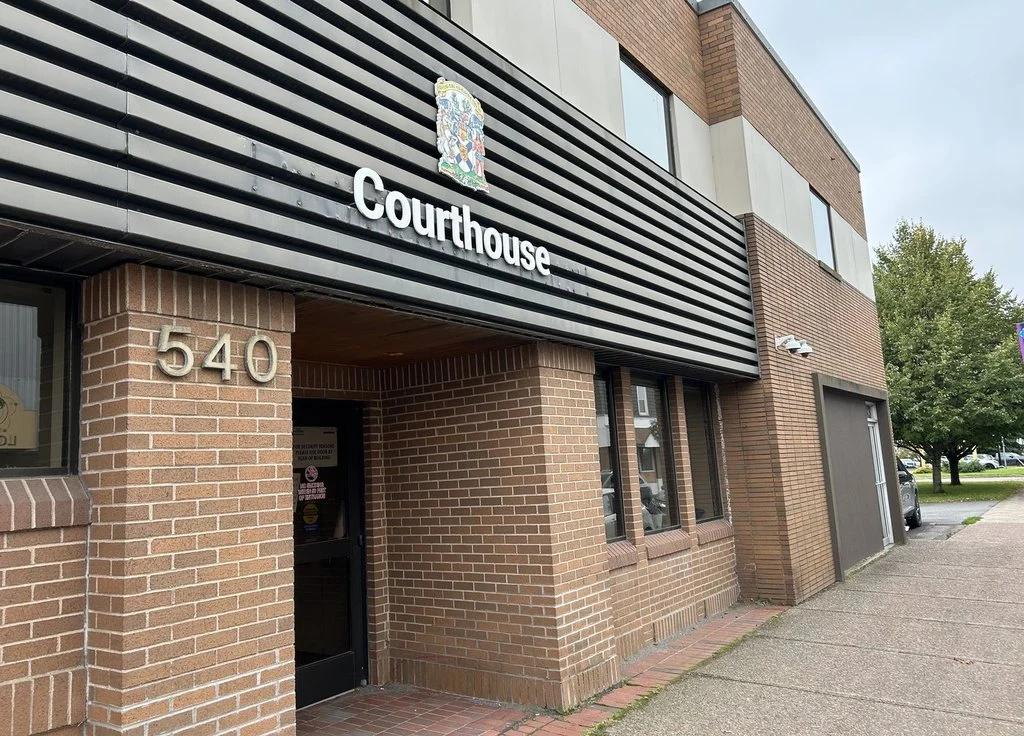
Truro, N.S. – The protracted legal proceedings stemming from a disturbing incident last fall within Nova Scotia’s minor hockey community have reached a significant milestone, as the second of two teenage players accused of sexually assaulting teammates during a sleepover has pleaded guilty to three charges. This development brings a measure of closure to the victims and their families, while simultaneously casting a spotlight on the pervasive challenges of safeguarding young athletes and the systemic issues surrounding hazing and inappropriate team conduct in youth sports.
The accused, who was 14 years old at the time of the offenses, initially entered a plea of not guilty in May to one count of sexual assault with a weapon and two counts of sexual assault. These charges involved three distinct victims, all 13 years old and rookie members of an under-15 hockey team based in Colchester County, a region northeast of Halifax. The gravity of the allegations was underscored during a hearing held Monday in Truro, N.S., where a youth court was informed that a mini hockey stick had been utilized as a weapon against one of the victims.
Courtroom Proceedings and the Weight of Accountability
The solemn atmosphere of the Truro courtroom was palpable as the young offender, dressed in a white dress shirt and blue dress pants, formally entered his guilty pleas to all three charges. Approximately 20 individuals, including family members and supporters, were present for the hearing. Following the proceedings, several teary-eyed attendees embraced in the hallway, a poignant display of the emotional toll the case has exacted on all involved. Family members of the accused declined to comment on the outcome.
Crown prosecutor Patrick Young articulated the legal and emotional implications of the guilty pleas. "Guilty pleas mean that the accused is accepting responsibility for the offense and, legally, it means that the young person is remorseful for what happened, so he’ll get credit for that at the sentencing," Young stated outside the courtroom. He further emphasized the profound relief these pleas offered to the victims: "For the Crown, it means the victims in this case don’t have to testify at a trial. It means that the outcome is certain in terms of criminal liability established on those charges. And it spares the victims and families from having to endure this process any longer than necessary." Young also confirmed that a separate assault charge involving one of the three victims, which occurred on a later date, would be withdrawn as a result of the plea agreement.
This recent development follows a similar trajectory for the first player charged in connection with the incident. That individual had previously changed his plea to guilty on one count of sexual assault with a weapon in September. The initial expectation was that this first player would testify against the co-accused who entered his pleas on Monday, highlighting the strategic complexities often involved in such cases and the relief that can come with plea bargains.

The Chilling Details of the Assaults
The agreed statement of facts presented in court painted a distressing picture of the events that transpired on the evening of October 3, 2025. The incident occurred during a team sleepover, where most of the players had gathered in upstairs bedrooms while several parents were situated downstairs, unaware of the unfolding abuse.
One of the victims was lying on his stomach on a bed, engrossed in his phone, when he was accosted by two 14-year-old teammates. The court heard that the two boys pinned him down, forcibly pulled down his pants and underwear, and then used a mini hockey stick during the sexual assault. The victim repeatedly pleaded with them to stop, which they eventually did after he began to cry. The episode, though lasting a mere 15 to 20 seconds according to the Crown, "felt like forever" to the terrified complainant.
Following this initial assault, the two accused allegedly attempted to perpetrate similar acts on two other players. However, in these instances, they were reportedly unable to fully remove the victims’ underwear. The court also heard the unsettling detail that other players were present and witnessed all of these offenses, raising questions about bystander intervention and the dynamics of group behavior in such situations.
The profound impact of the assault on the first victim was evident in his subsequent struggle. He recounted feeling mentally hurt and grappling with how to confide in his parents, torn between seeking help and not wanting to "get anybody in trouble." It was not until the end of January 2026, several months after the incident, that he ultimately found the courage to disclose the abuse to his parents, who then promptly notified the police.
Background Context: The Shadow of Hazing and Safe Sport Initiatives
The case of the Colchester County minor hockey team casts a stark light on the persistent issue of hazing and inappropriate team "bonding" rituals that have historically plagued youth sports, not just in Nova Scotia but across Canada and internationally. Minor hockey is a deeply ingrained cultural institution in Canada, fostering community, discipline, and physical activity for hundreds of thousands of young athletes. However, this vibrant culture has, at times, been marred by incidents of abuse, harassment, and bullying, often under the guise of team initiation or camaraderie.

For decades, sporting organizations have grappled with the challenge of eradicating these harmful practices. National bodies like Hockey Canada, along with provincial affiliates such as Hockey Nova Scotia, have implemented comprehensive safe sport policies, codes of conduct, and educational programs aimed at preventing abuse, harassment, and discrimination. These initiatives typically include strict rules against hazing, mandatory police background checks for coaches and volunteers, and clear reporting mechanisms for incidents of misconduct. The RCMP’s public statement following the arrests, specifically mentioning concern about assaults "under the guise of team initiation or bonding," directly acknowledges this broader problematic context.
The Youth Criminal Justice Act (YCJA) governs the legal process for young persons (aged 12-17) accused of committing criminal offenses in Canada. A cornerstone of the YCJA is the emphasis on rehabilitation and reintegration, as well as the protection of the young person’s identity. A standard publication ban, as applied in this case, prohibits the identification of the accused minors, their victims, and any information that could lead to their identification. This measure is intended to minimize the stigmatization of young offenders and support their potential for rehabilitation, while also protecting the privacy of victims, particularly in sensitive cases involving sexual assault.
Chronology of a Troubling Case
The timeline of this case reveals a delayed reporting process, a common feature in incidents of sexual assault, especially involving minors who may fear repercussions or struggle with disclosure.
- October 3, 2025: The sexual assaults occur during a team sleepover in Colchester County.
- Late January 2026: One of the victims discloses the assaults to his parents, who then report the incident to the police.
- January 30, 2026: Hockey Nova Scotia, the provincial governing body for hockey, learns of the allegations involving a minor. The organization immediately refers the matter to the RCMP, signaling a prompt institutional response.
- Early February 2026: The RCMP launches an investigation, leading to the arrest of four youths in connection with the incident.
- February 24, 2026: Following their investigation, charges are formally laid against two of the four arrested youths. Both accused are released from custody under strict court-ordered conditions, including prohibitions from contacting three specific individuals and restrictions on entering public dressing rooms unless accompanied by an adult.
- February 27, 2026: The RCMP issues a public statement expressing concern that other victims may not yet have come forward. The statement explicitly encourages anyone who has been a victim of assault "under the guise of team initiation or bonding" to come forward, assuring them of support and confidentiality.
- May (implied 2026): The first accused player initially pleads not guilty to the charges against him.
- September (implied 2026): The first accused player changes his plea to guilty on one charge of sexual assault with a weapon.
- Monday (recent date, implied late 2026/early 2027): The second accused player pleads guilty to all three charges he faced, bringing the criminal liability aspect of the case closer to a resolution.
Official Responses and Broader Implications
The response from Hockey Nova Scotia has been swift and decisive, reflecting an organizational commitment to safe sport principles. Upon learning of the allegations, the organization’s immediate referral to the RCMP underscored the seriousness with which such matters are treated. Furthermore, the suspension of the involved youth team sent a clear message that such conduct would not be tolerated and that the safety and well-being of players are paramount. This institutional response is critical in building trust and demonstrating accountability within youth sports.
Crown prosecutor Patrick Young’s public comments extend beyond the specifics of this case, offering a broader message to the community. He noted, "My message for people in Nova Scotia is that, unfortunately, sexual violence, sexual assault is a crime that is under-reported." He expressed hope that the resolution of this case would encourage other victims to come forward, assuring them that "the criminal justice system can respond to those types of challenging cases. And if people do decide to come forward, there are supports in place to help them." This acknowledgment of under-reporting is vital, as it speaks to the significant societal barrier victims face in disclosing abuse and seeking justice.

While the details of the plea negotiations remain privileged, Young indicated that there would be a joint sentencing recommendation. The disparity in the number of charges to which each accused pleaded guilty (one for the first player, three for the second) highlights the individual circumstances and legal strategies involved in each case, which can be influenced by the specific evidence, victim statements, and the nuances of negotiation.
This case serves as a somber reminder of the ongoing need for vigilance in protecting children in organized sports. It underscores the critical importance of fostering environments where young athletes feel safe, respected, and empowered to report any form of abuse without fear of reprisal. For parents, it emphasizes the necessity of open communication with their children, awareness of team dynamics, and knowledge of reporting protocols. For sports organizations, it reinforces the imperative to continuously review, strengthen, and rigorously enforce safe sport policies, ensuring that training for coaches, players, and parents is comprehensive and effective.
The eventual sentencing of these two young offenders under the Youth Criminal Justice Act will mark a formal conclusion to the legal process. However, the ripple effects of this incident will undoubtedly continue to resonate through the Colchester County community and the wider Nova Scotia minor hockey landscape, serving as a powerful catalyst for ongoing dialogue and action towards creating safer spaces for all young athletes. The focus now shifts to the restorative and rehabilitative aspects of the justice system for the accused, and crucially, the long-term support and healing for the young victims.
© 2026 The Canadian Press