admin
admin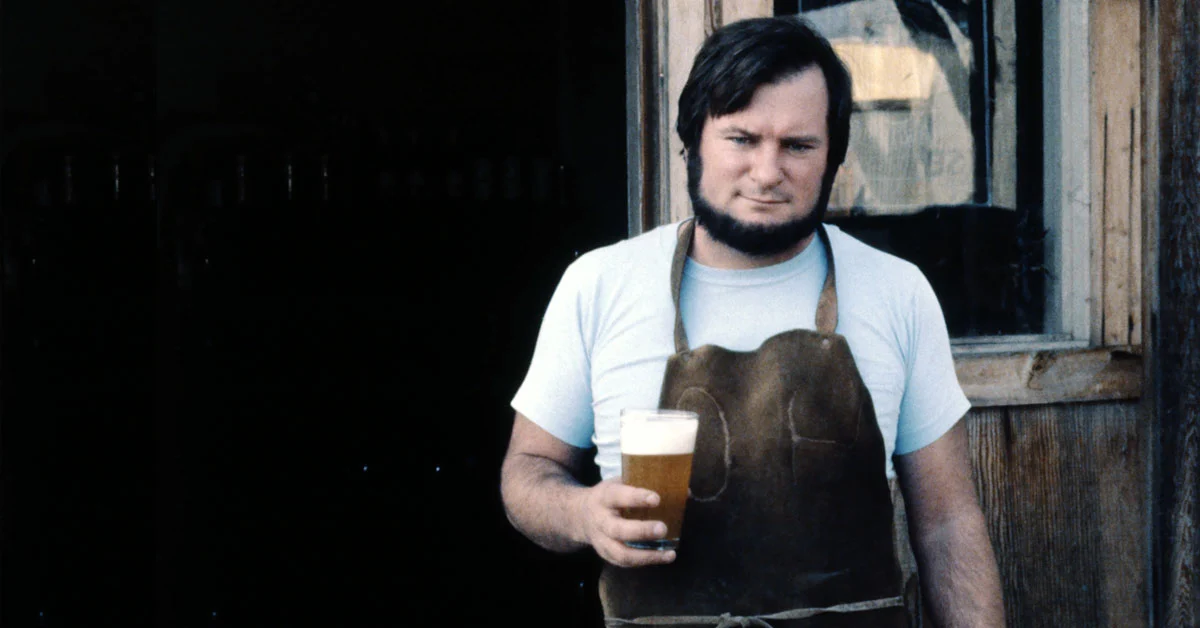
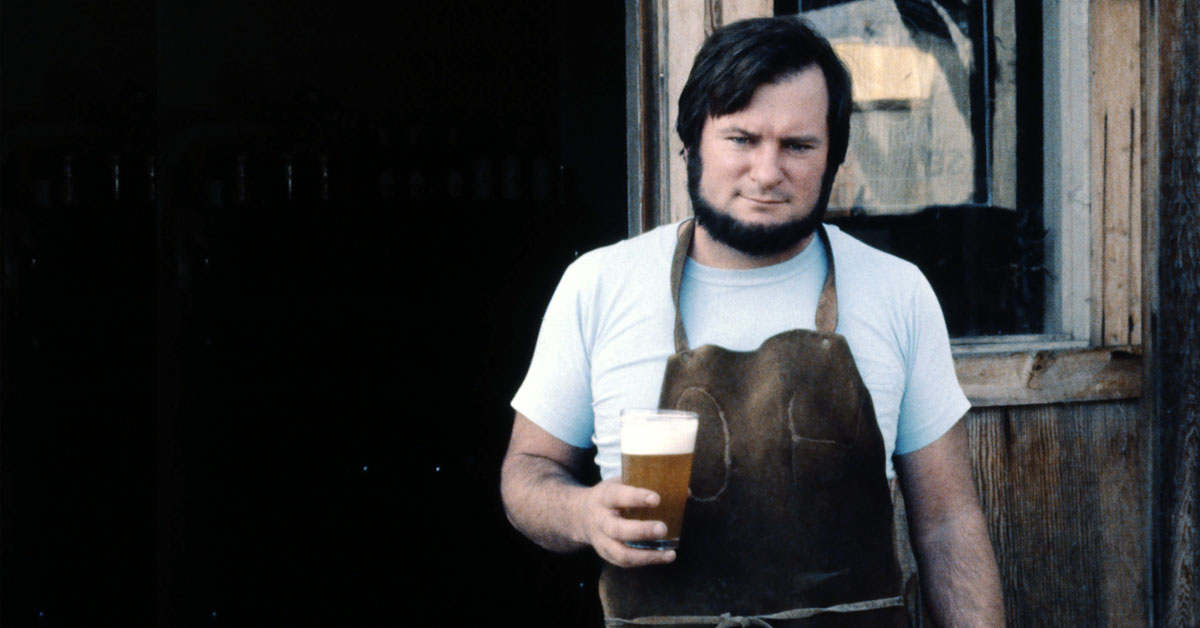
The passing of Jack McAuliffe in July at the age of 80 marks the end of a pivotal chapter in American culinary and industrial history. As the founder of the New Albion Brewing Company, McAuliffe is widely recognized by historians and industry veterans as the progenitor of the modern craft beer movement. His work in the mid-1970s did more than just introduce new flavors to the American palate; it challenged a monolithic industrial complex and provided a blueprint for the more than 9,000 small breweries operating in the United States today. McAuliffe’s journey from a naval technician to a brewing iconoclast illustrates a broader narrative of American entrepreneurship, resourcefulness, and the pursuit of quality over mass-market efficiency.
The Genesis of an Industry: From Scotland to Sonoma
The roots of the American craft beer revolution can be traced back to the 1960s, during McAuliffe’s service in the United States Navy. While stationed in Dunoon, Scotland, he was exposed to traditional British ales, particularly porters and stouts, which stood in stark contrast to the pale, light lagers that dominated the American market. This exposure cultivated a refined appreciation for malt-forward profiles and complex hop bitterness. Upon his return to California, McAuliffe began homebrewing, a hobby that was technically illegal at the federal level until 1978, though rarely prosecuted.
In the early 1970s, the American brewing landscape was one of extreme consolidation. Following the repeal of Prohibition in 1933, the number of breweries in the U.S. had steadily declined as large national brands utilized economies of scale and aggressive marketing to shutter local and regional competitors. By the mid-1970s, less than 100 brewing companies remained in the United States, and the market was characterized by a lack of stylistic diversity. McAuliffe, working as an optical engineer, saw an opportunity not to compete with the giants on their terms, but to create an entirely new category of "micro" brewing.
In 1976, McAuliffe partnered with Jane Zimmerman and Suzy Stern to establish the New Albion Brewing Company in Sonoma, California. With a meager investment of a few thousand dollars, they rented a dilapidated warehouse and set about the task of building a brewery from the ground up—a feat that had not been attempted by an independent entrepreneur since the pre-Prohibition era.
Technical Innovation and Adaptive Reuse
Because there was no existing market for small-scale commercial brewing equipment in the 1970s, McAuliffe had to rely on his engineering background to improvise. The New Albion facility became a masterclass in adaptive reuse and industrial bricolage. He repurposed stainless steel equipment from the dairy industry, which shared many of the sanitary requirements of brewing, and utilized 55-gallon Coca-Cola syrup drums as fermentation vessels.
This "scrappy" approach to infrastructure would eventually become a hallmark of the craft brewing industry. Even today, many startup breweries begin by repurposing equipment from other food-grade industries, a practice pioneered by McAuliffe out of pure necessity. New Albion’s production was modest, rarely exceeding a few hundred barrels a year, but the quality of the output—a pale ale, a porter, and a stout—caught the attention of enthusiasts and critics alike.
The Chronology of the Craft Beer Movement
To understand McAuliffe’s impact, it is essential to view his work within a chronological framework of the industry’s development:
- 1960s: McAuliffe discovers traditional ales while serving in the Navy in Scotland.
- 1976: New Albion Brewing Company is incorporated in Sonoma, California.
- 1977: New Albion begins commercial production, becoming the first "microbrewery" of the modern era.
- 1978: President Jimmy Carter signs H.R. 1337, which includes an amendment federally legalizing homebrewing for personal or family use.
- 1979-1980: Future industry leaders, including Ken Grossman (Sierra Nevada) and Jim Koch (Boston Beer Co.), take notice of New Albion’s model.
- 1980: Sierra Nevada Brewing Company is founded in Chico, California, adopting many of McAuliffe’s principles.
- 1982: New Albion ceases operations due to financial constraints and a lack of distribution infrastructure.
- 1983: The equipment from New Albion is purchased by the founders of Hopland Brewery (later Mendocino Brewing Company), which becomes California’s first brewpub.
- 2012: Boston Beer Company partners with McAuliffe to re-release New Albion Ale, bringing the brand back to the public for a limited run and providing McAuliffe with overdue recognition.
The Impact of Ingredient Choice: The Cascade Revolution
One of McAuliffe’s most enduring contributions to the American palate was his early adoption of the Cascade hop. Developed by the USDA breeding program at Oregon State University and released in 1972, Cascade was largely ignored by the major national brewers of the time, who found its floral, citrusy, and grapefruit-like qualities too "perfumey" or intense for their light lagers.
McAuliffe, however, embraced the hop’s unique American character. By featuring Cascade prominently in his Pale Ale, he set the stage for what would become the "West Coast" style of brewing. This decision influenced Ken Grossman, whose Sierra Nevada Pale Ale would later become the benchmark for the style and one of the best-selling craft beers in history. The emphasis on high-quality, aromatic hops remains the defining characteristic of American craft beer on the global stage.
Industry Growth and Economic Data
The scale of the revolution McAuliffe started is best reflected in the growth statistics of the industry. In 1976, New Albion was a lone outlier. According to data from the Brewers Association:
- 1980: There were only 8 craft breweries in the U.S.
- 1994: The number reached 537.
- 2010: There were 1,813 breweries.
- 2023: There are over 9,500 craft breweries operating across the country.
The craft brewing industry now contributes approximately $76 billion to the U.S. economy annually and supports more than 490,000 jobs. This massive economic engine was built on the foundation of the "pint-size" brewery model that McAuliffe proved was viable. His success demonstrated that consumers were willing to pay a premium for flavor, local connection, and artisanal quality.
Official Responses and Industry Tributes
The news of McAuliffe’s passing prompted a wave of tributes from the leaders of the industry he helped create. Jim Koch, founder of the Boston Beer Company, emphasized the psychological barrier McAuliffe broke. "Before him, starting a brewery from scratch was thought impossible," Koch stated. "After him, 10,000 people have done it." Koch’s sentiment reflects the "proof of concept" that New Albion provided to an entire generation of entrepreneurs.
Ken Grossman of Sierra Nevada Brewing noted that McAuliffe provided the "road map" for his own success. Grossman’s visit to the New Albion warehouse in the late 1970s was a formative experience that convinced him a commercial-scale operation could be run with ingenuity and a focus on hop-forward recipes.
Maureen Ogle, a prominent beer historian and author of Ambitious Brew, highlighted McAuliffe’s unique personality as a driving force behind his success. She described him as an "American original" who possessed a "razor-sharp" intellect and a "wicked ability to build anything." Ogle’s observations suggest that the craft beer movement was not just a result of market forces, but of the specific, uncompromising character of its founder.
Broader Impact and Implications
The closure of New Albion in 1982 is often viewed not as a failure, but as a necessary first step. The challenges McAuliffe faced—principally the lack of capital and a distribution system that was hostile to small players—highlighted the structural reforms needed for the industry to thrive. In the decades following New Albion’s closure, legislative changes in various states allowed for brewpubs (selling beer directly to consumers on-site) and the easing of three-tier distribution requirements.
Furthermore, McAuliffe’s legacy is visible in the physical landscape of modern American cities. The concept of "adaptive reuse" that he employed in a Sonoma warehouse is now a cornerstone of urban revitalization. Throughout the United States, former factories, firehouses, and schools have been transformed into community-centric breweries. This model has shifted the role of the brewery from a distant, industrial manufacturing site to a local "third place" for social gathering.
Conclusion
Jack McAuliffe’s contribution to American culture extends far beyond the liquid in the glass. He was a pioneer who challenged the status quo of corporate consolidation and proved that a small, independent business could fundamentally alter the tastes of a nation. While New Albion Brewing Company only operated for a short period, its DNA exists in every craft brewery currently operating in the United States. McAuliffe’s life serves as a testament to the power of a single individual’s vision to disrupt an entire industry and create a lasting legacy of quality and innovation. As the craft beer industry continues to evolve, the principles of resourcefulness and stylistic boldness established by McAuliffe remain its most vital assets.