admin
admin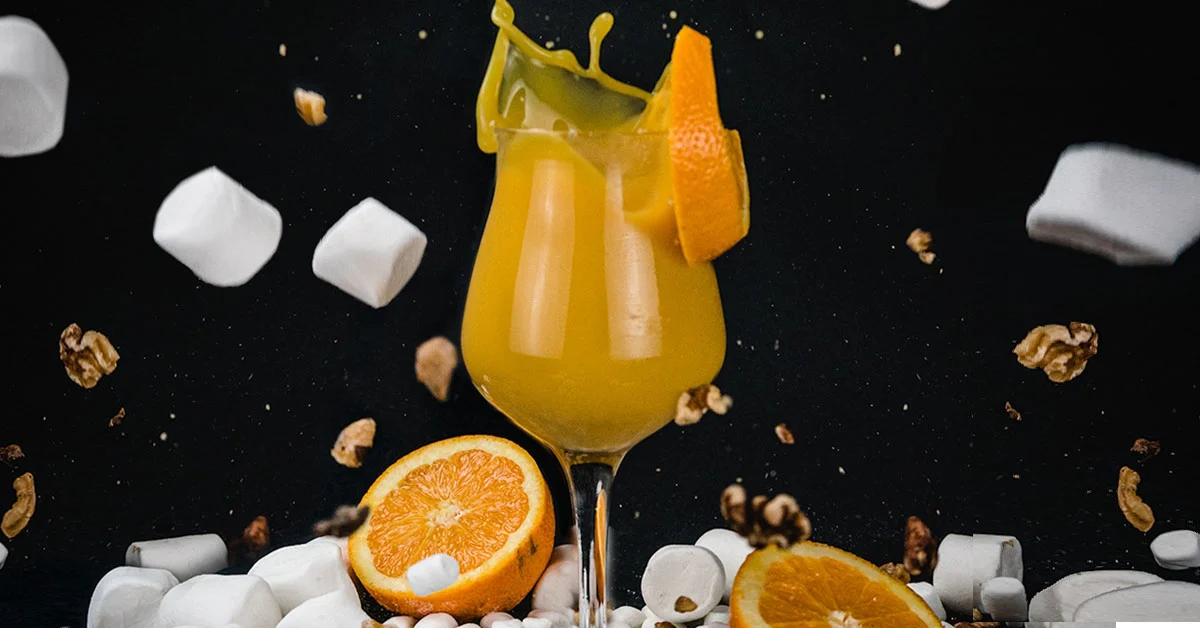
The craft beer industry, which underwent a transformative renaissance during the 1980s and 1990s, has long been defined by a cycle of innovation and saturation. As the number of independent breweries in the United States surged—surpassing 9,000 active operations in recent years—the pressure to differentiate products has led to the emergence of increasingly experimental styles. Among the most significant and polarizing of these developments is the rise of the smoothie sour. This category, characterized by high viscosity, heavy fruit purée additions, and culinary-inspired adjuncts, represents a departure from traditional brewing constraints and a strategic pivot toward a broader consumer demographic.
The Genesis and Chronology of the Smoothie Style
The lineage of the smoothie sour can be traced through the broader evolution of tart ale styles. While traditional European sours, such as the Belgian Lambic or the German Gose and Berliner Weisse, relied on spontaneous fermentation or specific bacterial cultures to produce a crisp, acidic profile, the American craft movement began "kettle souring" in the early 2010s. This process allowed brewers to produce lactic acid quickly, creating a canvas for fruit additions.
By the mid-2010s, "fruited sours" became a staple in taprooms. However, as the market for standard fruit beers reached a plateau, brewers began experimenting with the physical properties of the liquid. The transition from a clear, effervescent fruit sour to a thick, opaque "smoothie" style required a fundamental shift in both ingredients and philosophy. By 2018 and 2019, several key breweries across the United States began independently perfecting the technique of adding unfermented fruit purée and thickening agents post-fermentation, effectively birthing the smoothie sour sub-genre.
Pioneering the High-Viscosity Movement: Case Studies in Innovation
The development of the smoothie sour was not a centralized movement but rather a series of localized innovations by breweries seeking to capture the "hype" economy of craft beer.
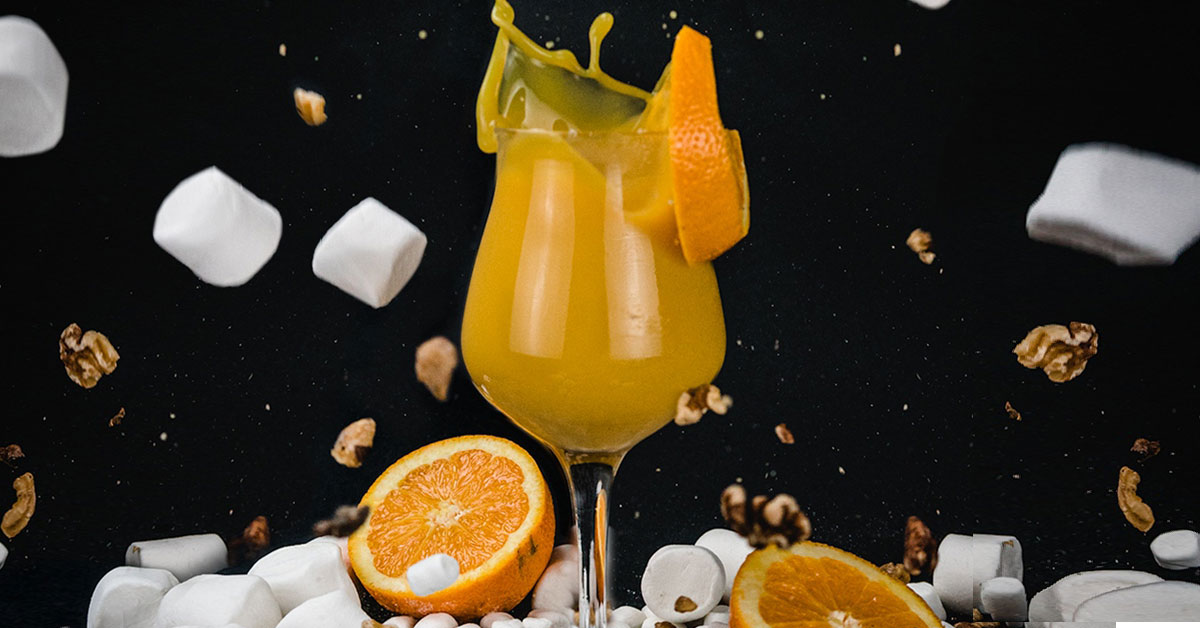
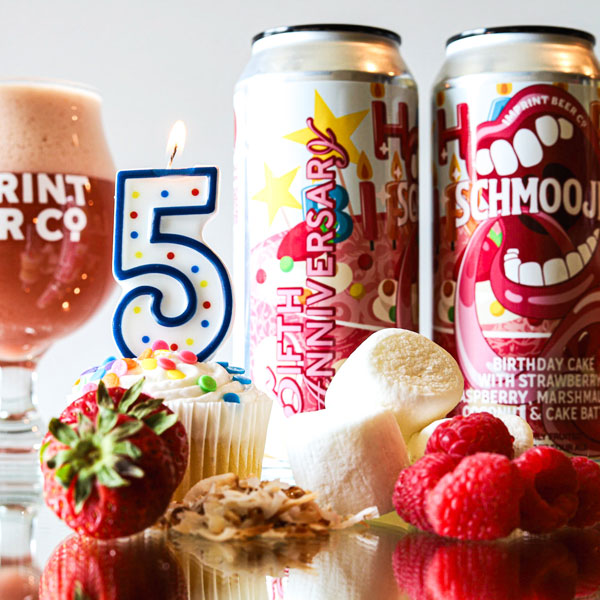
In Hatfield, Pennsylvania, Imprint Beer Company emerged as an early pioneer. Co-founder and brewer Ryan Diehl identifies the brewery’s "coming out party" as the moment they introduced "Puffsicle," a sour ale brewed with raspberry, blueberry, pineapple, and marshmallow. The overwhelming consumer response led to the creation of the "Schmoojee" line, which has since become a benchmark for the style. Imprint’s process involves a specialized eight-to-eleven-day fermentation of a base beer before the introduction of a souring agent and a massive volume of adjuncts, including cheesecake, white chocolate, and fudge.
Simultaneously, in the southern United States, 903 Brewers of Dallas, Texas, turned to the smoothie style as a means of reinvention. After six years of traditional operations, owner Jeremy Roberts observed a shifting landscape where consumers were increasingly gravitating toward ready-to-drink (RTD) cocktails and flavored beverages. To compete with the rise of hard seltzers and sweet cocktails, 903 Brewers developed a cherry limeade sour inspired by regional drive-in flavors. This evolved into their "Slushy" line, which utilizes unconventional ingredients like edible glitter and vanilla ice cream to create a product that challenges the traditional definition of beer.
In Fort Monroe, Virginia, Oozlefinch Beers & Blending sought to solve a common technical hurdle: the loss of sweetness during fermentation. Founder Russ Tinsley noted that traditional fruited sours often fermented out the natural sugars of the fruit, leaving a thin, dry finish. Their solution, "A Very Thirsty Caterpillar," utilized heavy doses of vanilla and lactose to retain body and sweetness. Head brewer Logan Morris describes their output as "Kool-Aid for adults," noting the use of specific yeast strains for lactic acid production and, occasionally, charcoal as a thickening agent to achieve the desired "smoothie" mouthfeel.
Technical Methodology and the Challenge of Stability
The production of smoothie sours involves significant technical risks that distinguish them from traditional ales. The primary challenge is the inclusion of large quantities of unfermented fruit sugars. In a standard canning environment, residual yeast in the beer could interact with these sugars, leading to re-fermentation inside the can. This process creates carbon dioxide buildup, which can cause cans to swell or explode—a phenomenon that has plagued the sub-genre’s reputation.
To mitigate these risks, advanced practitioners like Oozlefinch and Corporate Ladder Brewing have implemented rigorous stabilization protocols. These include:
- Pasteurization: Utilizing a pasteurizer to kill any remaining yeast and bacteria before or after canning, ensuring the sugar content remains stable.
- Back-Sweetening: The practice of adding flavors and sweeteners after the primary fermentation is complete.
- Adjunct Integration: The use of non-traditional thickeners such as marshmallow fluff, lactose (milk sugar), and fruit pectins to maintain a permanent suspension of solids.
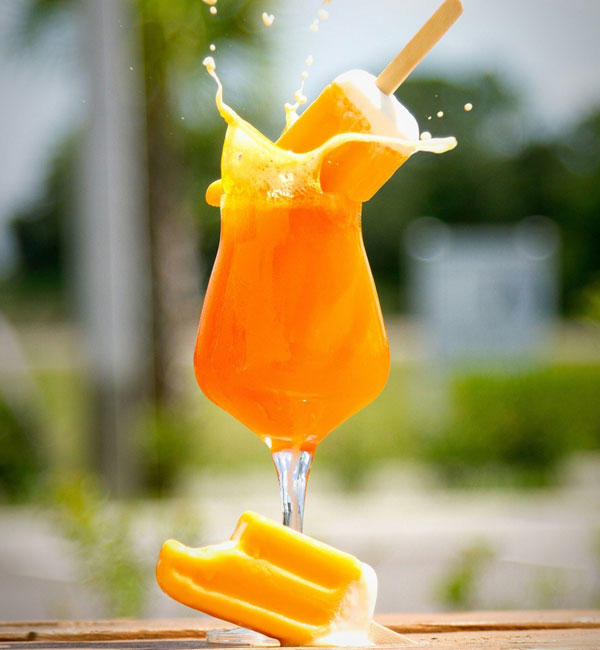
At Corporate Ladder Brewing in Palmetto, Florida, co-owners Blake Kleppe and James Herrholz emphasize that their "Dessert Station" line is a culinary endeavor. Their process focuses on ingredient sourcing to ensure that flavors like pumpkin pie, tangerine creamsicle, and banana caramel are accurately represented in the final sensory experience.
Market Data and Demographic Implications
The rise of the smoothie sour is supported by broader trends in the beverage industry. According to data from the Brewers Association, while India Pale Ales (IPAs) remain the dominant craft style, the "specialty" and "sour" categories have seen consistent growth as consumers seek "flavor-forward" experiences.
The smoothie sour serves as a critical entry point for non-traditional beer drinkers. Market analysis suggests that these beers appeal to demographics that typically avoid the bitterness of hops or the malt-heavy profile of stouts. By mimicking the flavor profiles of smoothies, desserts, and sodas, breweries are effectively expanding their total addressable market.
Furthermore, the "drop" model of releasing these beers—often in limited quantities with vibrant, graphic-heavy label art—has created a secondary market and a dedicated "collector" culture. This model ensures high turnover and taproom traffic, providing a vital revenue stream in an era of slowing craft beer growth.
Industry Reception and the "Is It Beer?" Debate
The smoothie sour has not been without controversy within the brewing community. Purists argue that the style’s reliance on unfermented adjuncts and its departure from the Reinheitsgebot (the German Beer Purity Law) disqualifies it from being classified as "beer." Critics often point to the high calorie count and the masking of traditional brewing flaws with sugar and fruit.
However, the brewers themselves remain undeterred. "If people think that the smoothie sours shouldn’t be considered beer, we don’t really care, as long as they enjoyed it," says Blake Kleppe of Corporate Ladder. This sentiment is echoed across the niche, where the focus has shifted from adhering to historical styles to prioritizing the consumer’s sensory enjoyment.
The style has also fostered a unique sense of "brotherhood" among brewers. Because the technical requirements for smoothie sours are so specific, a collaborative network has emerged. Breweries such as Drekker Brewing Company (North Dakota), Mortalis Brewing Company (New York), Burley Oak Brewery (Maryland), 450 North Brewing Company (Indiana), and The Answer Brewpub (Virginia) frequently collaborate, sharing techniques for fruit suspension and stabilization.
Future Outlook and Broader Impact
As the craft beer market continues to mature, the smoothie sour appears to have moved beyond "fad" status to become a permanent fixture of the specialty landscape. Its ability to evolve through seasonal ingredients—ranging from summer berry blends to winter "pastry" sours—provides it with a versatility that standard styles may lack.
The broader impact of this movement is the normalization of culinary-brewing. The techniques perfected in smoothie sours are now bleeding into other styles, such as "pastry stouts" and "smoothie IPAs," further blurring the lines between the brewery and the kitchen.
In conclusion, the smoothie sour represents the extreme end of the craft beer innovation spectrum. While it challenges traditional definitions, its success is a testament to the industry’s ability to adapt to changing consumer palates. By focusing on accessibility, flavor intensity, and technical experimentation, smoothie sour producers have not only carved out a lucrative niche but have also ensured that the craft beer movement remains a dynamic and evolving force in the global beverage market. As Corporate Ladder’s Kleppe notes, the ultimate goal is the introduction of new experiences to the public, ensuring that there is a "liquid for everyone" in the modern taproom.