admin
admin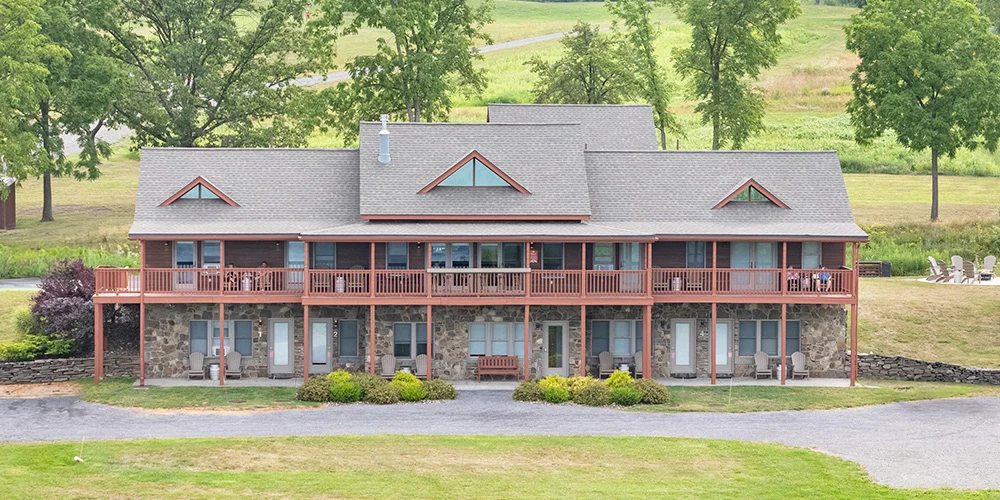
Across the United States, the craft brewing industry is undergoing a significant structural transformation, moving beyond the traditional taproom model to embrace the burgeoning "experience economy." Brewers are increasingly diversifying their portfolios by transforming rustic barns, mid-century bungalows, and landmark historic buildings into boutique accommodations. These "brewery stays" represent a strategic shift in hospitality, offering enthusiasts a comprehensive brand immersion that extends far beyond the bottom of a pint glass. From the rugged cliffs of the Pacific Northwest to the alpine slopes of Vermont, these destinations are recalibrating what it means to be a travel destination in the 21st century.
The Evolution of the American Beercation
The concept of "beer tourism" has evolved from simple tasting flights and growler fills into a multi-day commitment to brand storytelling. According to data from the Brewers Association, the craft brewing industry contributed over $76 billion to the U.S. economy in recent years, with a significant portion of that growth driven by on-site sales and hospitality-related experiences. As the market reaches a point of maturation, breweries are seeking new ways to differentiate themselves in a crowded landscape.
Lodging provides a unique solution to the challenge of brand loyalty. By offering overnight stays, breweries transition from being a mere stop on a traveler’s itinerary to becoming the itinerary itself. This shift allows for a deeper emotional connection, as guests "live and breathe" the brewery’s ethos. Industry analysts suggest that this trend mirrors the "agritourism" movement seen in the wine industry decades ago, where vineyards became synonymous with luxury retreats and educational escapes.
Cabin Culture and Regional Identity at Backwoods Brewing
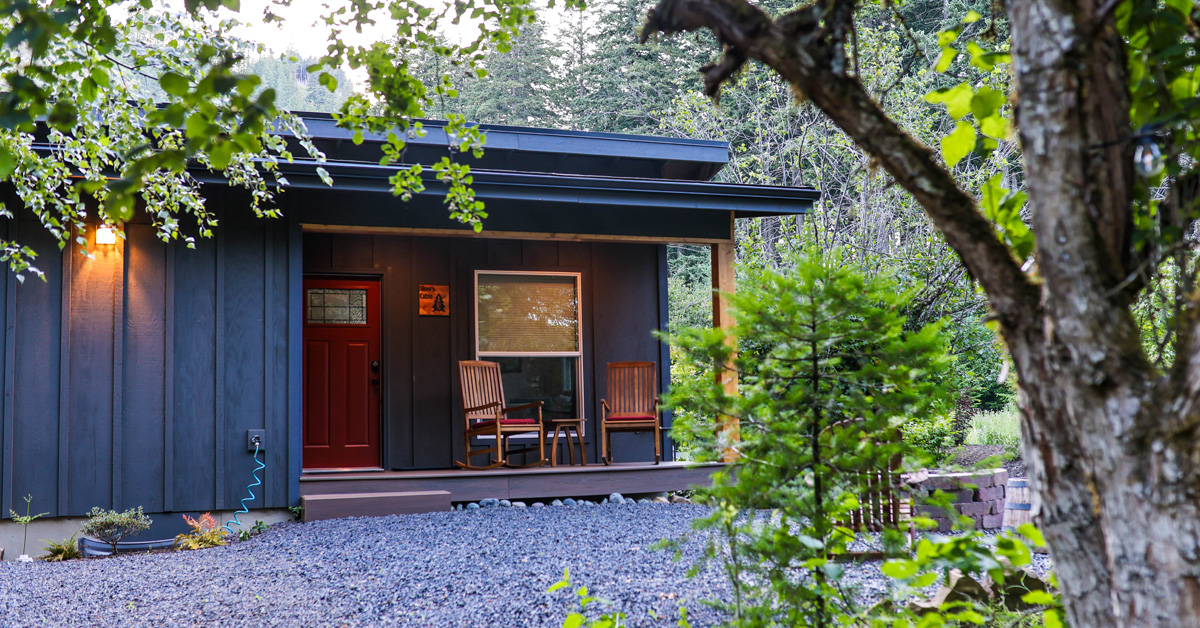
In Carson, Washington, the Backwoods Brewing Company serves as a prime example of how regional geography can dictate a brewery’s hospitality strategy. Located in the Columbia River Gorge—approximately one hour from Portland, Oregon—the brewery has long benefited from its proximity to world-class hiking, kayaking, and windsurfing. However, the Waters family, who founded the brewery, recognized that the area’s natural beauty offered an untapped opportunity for overnight immersion.
The development of Backwoods Cabins was a response to a specific consumer demand: the desire to "slow down." Steve Waters, CEO of Backwoods, notes that the cabins were designed to function as an extension of the pub’s welcoming atmosphere. The eight luxury-leaning cabins are meticulously themed—Hiker, Kayaker, and Stargazer—to align with the specific motivations of visitors to the Gorge.
From a design perspective, these accommodations bridge the gap between "PNW cabin-core" aesthetics and high-end comfort. Technical specifications of the stay include 600-thread-count linens, gas-operated fireplaces, and custom hops-scented spa products, creating a sensory link to the brewing process. The integration of beer into the stay is seamless; guests can pre-order curated "fridge-stocking" services featuring the brewery’s latest releases, such as the Party Acres Hazy IPA or the Ridge Run Oatmeal Stout. This model demonstrates how breweries can leverage their physical environment to create a "full-circle" consumer experience.
The Alpine Heritage of von Trapp Brewing
While some breweries build lodging to complement their beer, others have brewing in their DNA from the start. The von Trapp Family Lodge in Stowe, Vermont, represents a unique intersection of cinematic history, European tradition, and modern American craft brewing. Founded by the family made famous by The Sound of Music, the 2,600-acre resort has long been a staple of Vermont tourism.
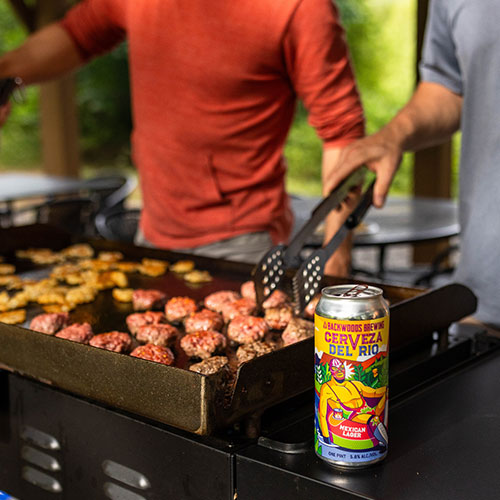
The addition of von Trapp Brewing was a strategic move by Johannes von Trapp to bring authentic, crisp European lagers to the American market. The brewery utilizes natural spring water sourced directly from the property, a factor that Emily Provost, the brewery’s marketing manager, identifies as a key differentiator. The hospitality experience here is "fully immersive," blending Austrian-inspired cuisine—such as schnitzel and house-made bratwurst—with the brewery’s award-winning Helles and Kölsch-style ales.
The resort’s success lies in its ability to offer a "lifestyle" rather than just a product. Guests engage in snowshoe tours led by family members and dine in a Bierhall designed to evoke the communal drinking cultures of Central Europe. This historical and environmental context provides a level of brand "authenticity" that is difficult for newer establishments to replicate.
Strategic Lodging in the Finger Lakes: Grist Iron Brewing
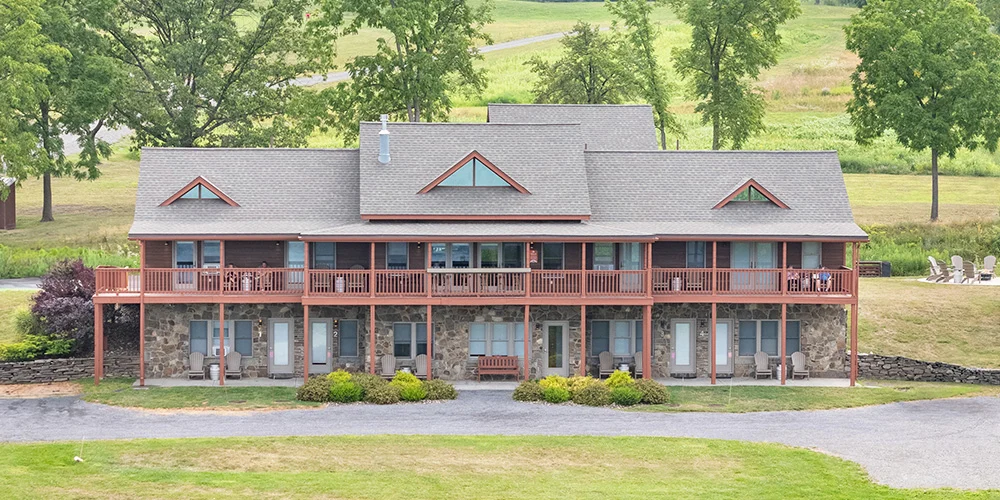
In the Finger Lakes region of New York, Grist Iron Brewing flipped the traditional brewery expansion model. At this Watkins Glen destination, the lodging actually preceded the brewery. When the current owners acquired the property, the existing rooms provided a foundation for what would become a premier beer-centric resort.
The Lodge at Grist Iron is designed with "rustic-modern" sensibilities, featuring black-and-white murals depicting the brewing process and subway-tiled showers equipped with dedicated "shower beer" ledges. This small but significant design detail highlights the brewery’s understanding of its target demographic: travelers who view beer not just as a beverage, but as a celebratory ritual of relaxation.
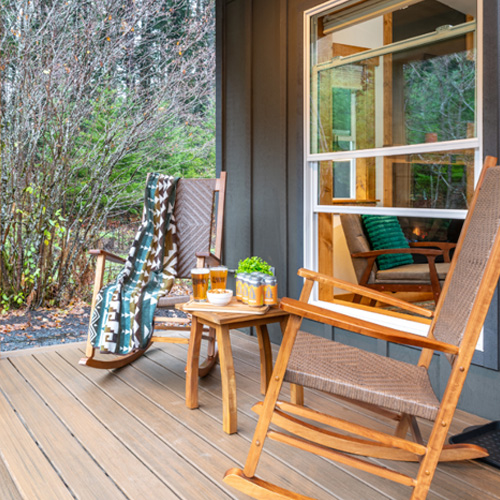
The economic impact of such developments is substantial. By adding amenities like "Beer Mountain"—a disc golf course and dog park featuring an on-site "Woof Top" bar—Grist Iron has created a multi-faceted revenue stream that encourages longer stays and higher per-guest expenditure. Emily Knowlden, the brewery’s marketing coordinator, observes that guests who stay on-site engage more deeply with the staff and the brand story, leading to higher rates of return visits and brand advocacy.
Adaptive Reuse and the McMenamins Model
No discussion of brewery lodging is complete without acknowledging the "McMenamins model" in the Pacific Northwest. Brothers Mike and Brian McMenamin pioneered the concept of adaptive reuse in the craft beer world, transforming decommissioned schools, poor farms, and historic hotels into sprawling entertainment complexes.
These properties serve as cultural hubs, where the history of the building is preserved through eclectic art and "secret" bars. The brewery becomes the thread that ties these disparate elements together. By breathing new life into historic structures, McMenamins has created a template for how breweries can act as stewards of local history while providing modern hospitality. Their flagship brews, like the Ruby Ale and Hammerhead Pale Ale, are as much a part of the building’s identity as the original architecture.
Market Analysis: Why Brewery Lodging is Trending
The surge in brewery-owned accommodations can be attributed to several key market factors:
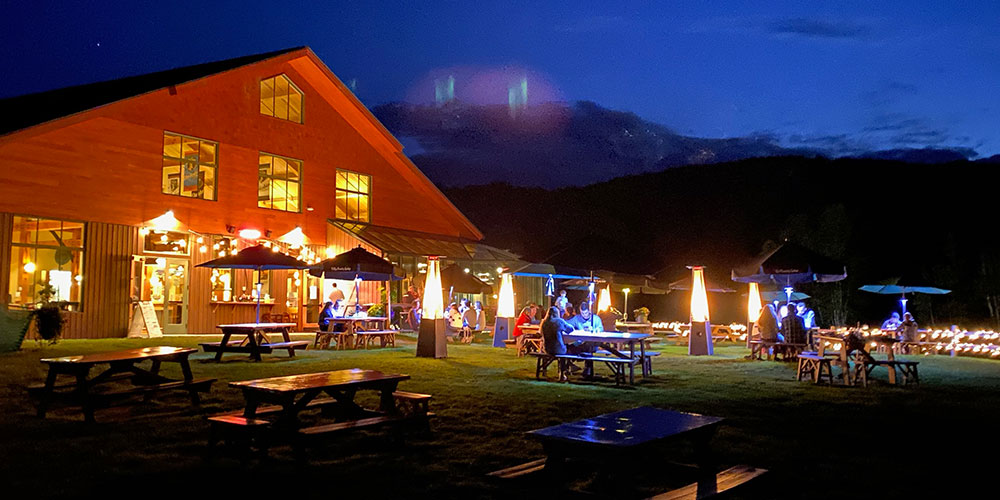
- Revenue Diversification: As wholesale competition increases, breweries are looking for higher-margin direct-to-consumer (DTC) opportunities. Lodging provides a stable income stream that is less susceptible to the fluctuations of the retail beer market.
- Brand Control: In a third-party hotel, a brewery has no control over how its beer is served or presented. On-site lodging allows for a curated experience where every touchpoint—from the soap to the mini-fridge—reflects the brand.
- Safety and Responsibility: By providing on-site accommodations, breweries mitigate the risks associated with drinking and driving, allowing guests to enjoy high-ABV offerings responsibly without leaving the premises.
- Post-Pandemic Travel Preferences: Modern travelers are increasingly seeking "pod" style or secluded accommodations (like the Backwoods Cabins) and destinations that offer multiple activities in one location.
Emerging Destinations and Regional Highlights
The trend continues to spread across various U.S. regions, each bringing a local flavor to the concept:
- The Brewhalla Crash Pad (Fargo, ND): Drekker Brewing has leaned into "hyper-branding," with rooms themed after specific beer labels. The "Mind Bullets" suite, for instance, uses psychedelic murals and industrial aesthetics to mirror the label of their sour IPA, catering to a younger, social-media-savvy audience.
- Calistoga Inn & Napa Valley Brewing Co. (CA): This establishment brings craft beer to the heart of wine country. As the first post-Prohibition commercial brewery in Napa, it offers a "beer garden" alternative to the region’s traditional tasting rooms.
- Commerce Street Brewery Hotel (WI): Located in Mineral Point’s historic district, this five-room inn demonstrates the viability of the model in small-town America, focusing on European-style brewing and "Main Street" charm.
Implications for the Future of Craft Beer
As the craft beer industry continues to overlap with the travel and tourism sectors, the line between "brewer" and "hotelier" will likely continue to blur. The success of these ventures suggests that the future of the industry lies in the creation of "destination brands." For the consumer, this means more opportunities for immersive travel. For the brewer, it means the chance to turn a 16-ounce pour into a lifelong memory.
The rise of brewery stays reflects a broader cultural shift toward intentional consumption. In an era of mass production, travelers are seeking out places with a story, a face, and a sense of place. Whether it is a "shower beer" in the Finger Lakes or a sunrise over the Columbia River Gorge with a fresh IPA in hand, these experiences represent the new frontier of American hospitality—one where the craft is not just in the bottle, but in the bed, the building, and the stay itself.