admin
admin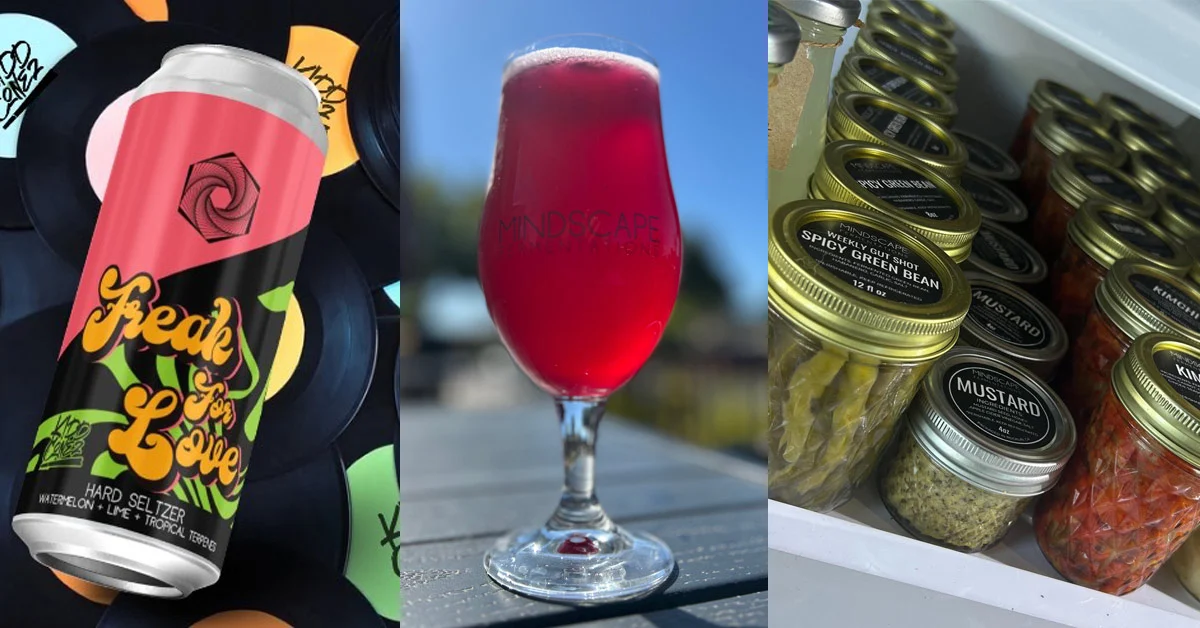
The traditional image of a brewery as a sterile, industrial production facility is rapidly being replaced by a more integrated, community-focused model. As the craft beer market matures and economic pressures mount, brewery owners are looking beyond the taproom to ensure their long-term viability. This evolution has seen the rise of "third places"—venues that are neither home nor work but serve as essential social anchors—incorporating everything from coworking spaces and coffee shops to boutique hotels and communal manufacturing hubs. By redefining their physical spaces and the very liquids they produce, craft brewers are navigating a landscape where survival depends as much on social utility and product diversity as it does on the quality of the beer itself.
The Strategic Shift Toward Community Integration
For much of the last decade, the expansion of brewery footprints focused on hospitality. Taprooms became the primary profit centers for small-scale producers, allowing them to capture the full retail margin of their products. However, as the number of active breweries in the United States and Europe reached record highs, the competition for consumer attention intensified. Owners began to innovate by adding amenities such as outdoor camping facilities for RV enthusiasts and integrated workspaces to attract the remote-work demographic.
Today, that innovation has moved into a more structural phase. Rather than merely adding features to an existing brewery, some entrepreneurs are building their businesses within larger community frameworks. This shift is driven by the realization that a brewery can serve as a catalyst for local revitalization and a hub for cultural activity. By positioning themselves as part of a collective, breweries can share the burden of marketing and infrastructure while tapping into an existing audience of community-minded consumers.
The Tiers-Lieu Model: A French Approach to Social Brewing
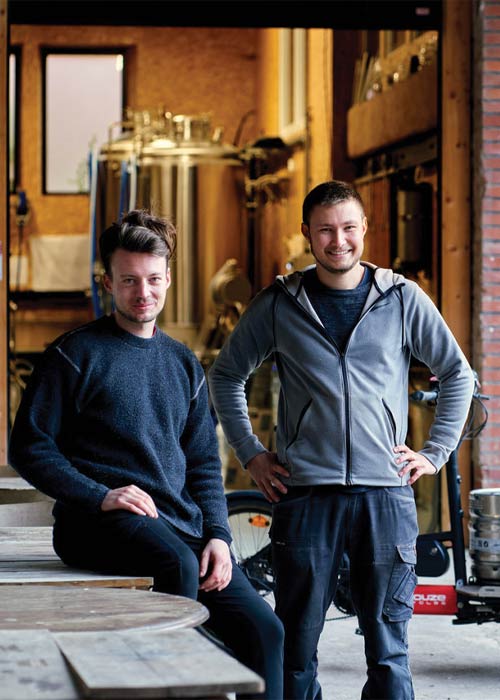
In Alsace, France, the founders of Brasserie Les Semblables, Eliott Pernelle and Etienne Voinson, have embraced the concept of the tiers-lieu, or "third place." This model, which is increasingly popular in rural and semi-rural France, involves multi-use spaces often managed by associations with social, educational, or environmental goals. Pernelle and Voinson specifically sought out a collective environment to avoid the isolation of traditional industrial zones.
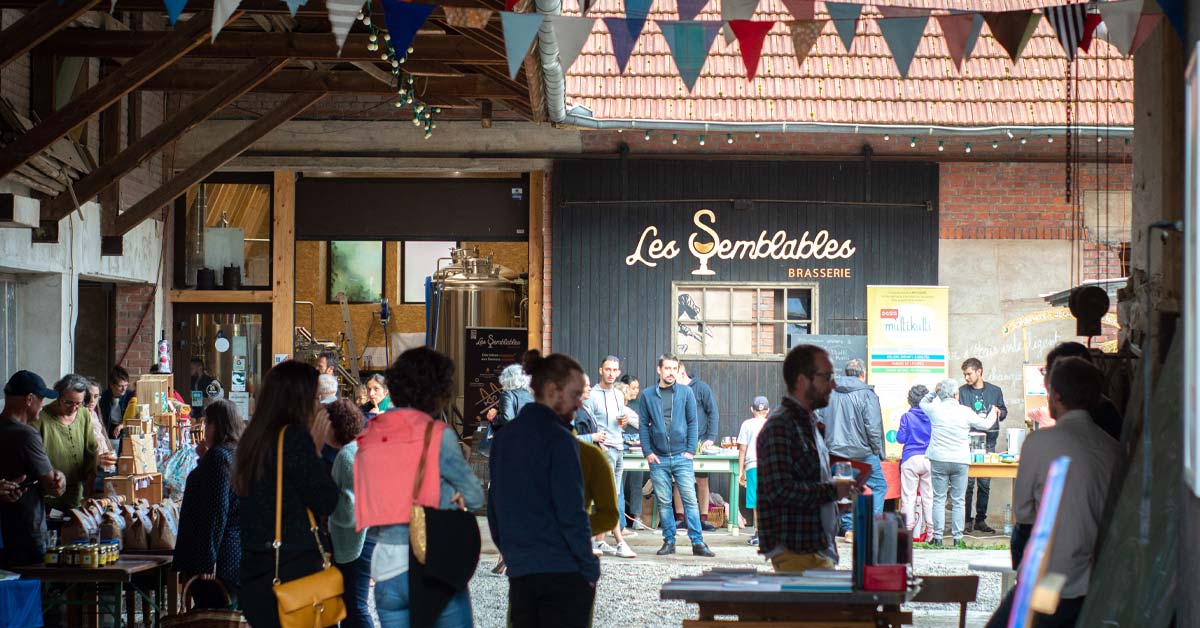
Their choice of Oasis Multikulti, located on a historic farm in the village of Mietesheim, highlights the symbiotic relationship between craft production and community service. The brewery operates out of former stables, but its identity is inextricably linked to the site’s other activities, which include community gardens, a farmers’ market, and artisanal workshops.
This model provides an immediate benefit: a built-in customer base. Visitors who come for a pottery class or to purchase local produce are naturally introduced to the brewery’s offerings. However, the arrangement requires a high degree of civic engagement. Pernelle notes that the brewery’s success is tied to the health of the association; consequently, the brewers contribute their time to managing the site’s social media and supporting its broader mission. This "sweat equity" replaces some of the traditional costs of independent operation, creating a resilient, albeit labor-intensive, business structure.
Communal Infrastructure: Reviving the Spirit of Zoiglbier
The concept of shared brewing resources is not a modern invention but a revival of deep-seated European traditions. In the Bavarian region of Germany, the tradition of Zoiglbier has persisted for centuries. In this communal system, non-professional and small-scale brewers share a single brewhouse owned by the municipality. This practice, recognized by UNESCO as part of Germany’s "intangible cultural heritage," emphasizes the brewery as a public utility rather than a private factory.
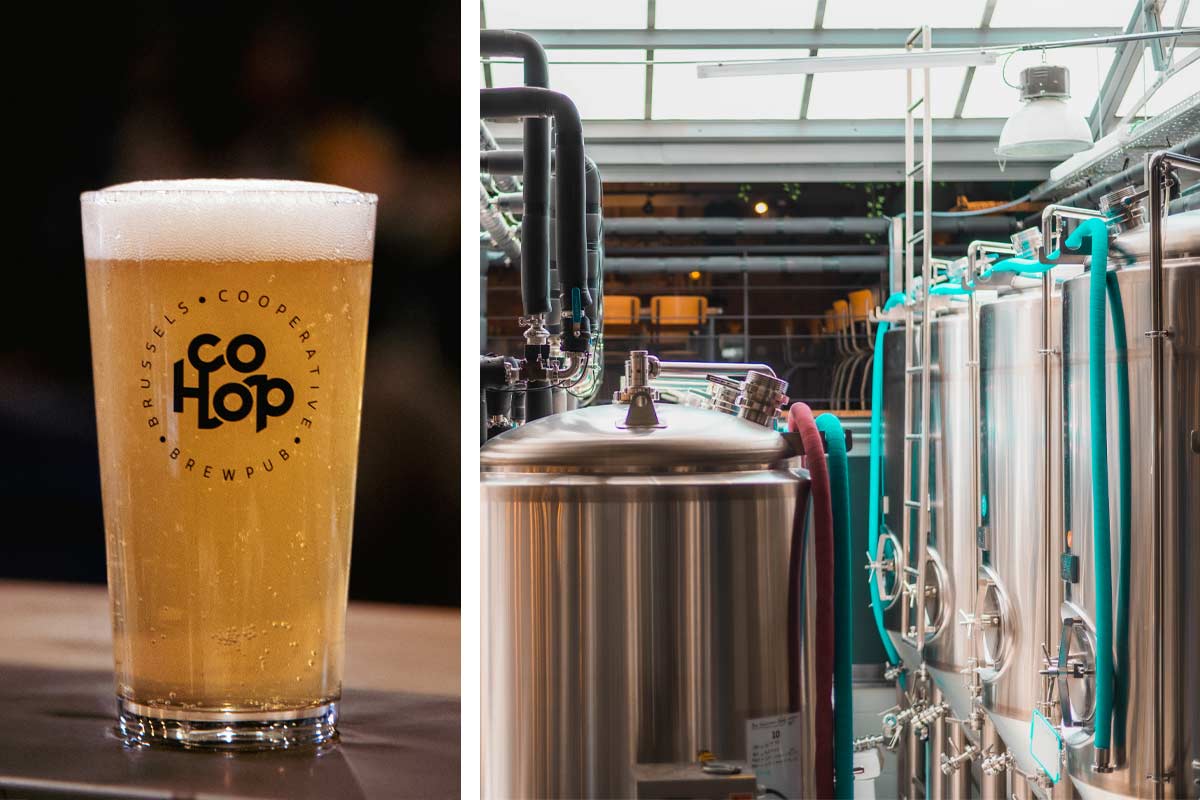
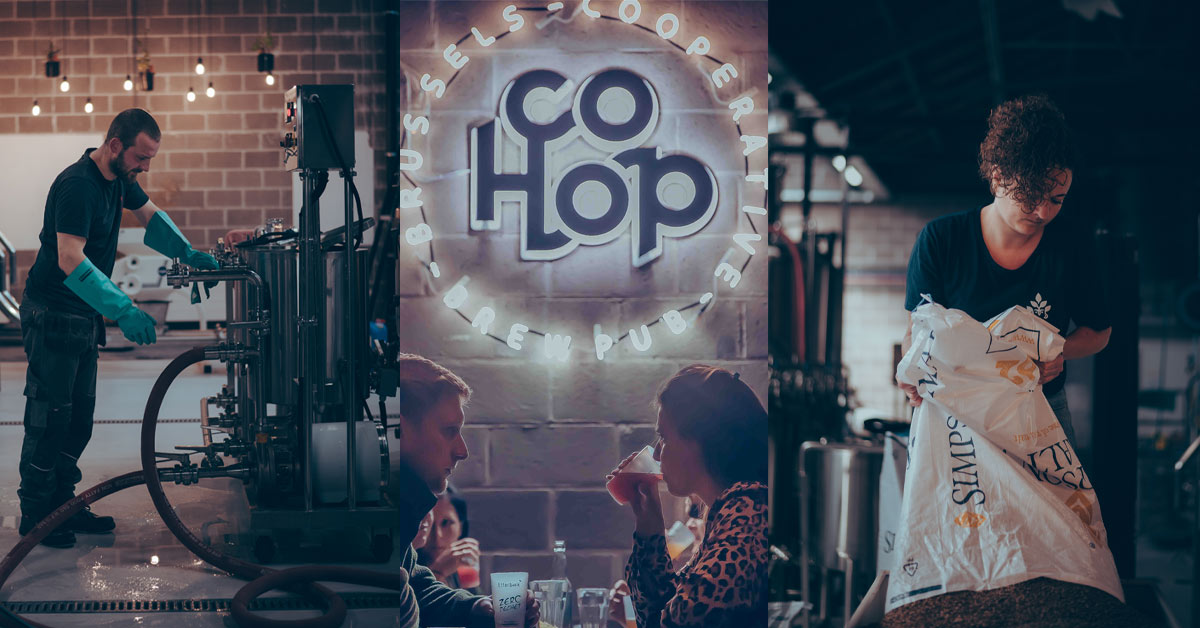
In Brussels, Belgium, this communal spirit has been modernized through the CoHop project. Founded by Thomas Detourbe of Brasserie Witloof, CoHop is a cooperative brewery that houses five distinct brands under one roof: La Bagarre, Janine, 1Bière 2Tartines, La Flaque, and Witloof itself. The facility allows these brewers, who previously operated as contract brewers without their own equipment, to share the massive capital expenditure (CAPEX) required for a modern brewhouse.
Rémi Pequin, the coordinator for CoHop and founder of La Bagarre, emphasizes the sustainability of this model. By utilizing a single brewhouse for five different brands, the collective significantly reduces its environmental footprint and operational overhead. The organization is complex, requiring each member to take on specific administrative or maintenance roles—such as managing raw material orders or scheduling—but it allows each brand to maintain its unique identity and creative independence. The onsite taproom and bakery further solidify the space as a comprehensive destination for local consumers.
Economic Pressures and the Diversification of Fermentation
The move toward collective and community-centric models is happening against a backdrop of significant economic headwinds. The craft beer industry is currently facing a "perfect storm" of rising ingredient costs, global supply chain disruptions, and a shift in consumer behavior. According to industry data from the Brewers Association, while the number of breweries continues to grow, the rate of production growth has slowed, and the "beyond beer" category—which includes seltzers, kombuchas, and canned cocktails—is capturing an increasing share of the market.
In response, a new wave of "fermentories" is emerging. These businesses move away from the "brewery" label to focus on the broader science of fermentation. This allows them to pivot between products based on seasonal availability, consumer trends, and health considerations. Examples include:
- Fermentery Form (Philadelphia): Utilizes winemaking techniques and Solera systems to create complex, co-fermented beverages.
- Mindscape Fermentations (California): Produces a range of beers, kombuchas, and fermented foods, positioning themselves as a "fermentorium" rather than a traditional brewery.
- The Fermentorium (Wisconsin): Offers a diverse portfolio of beer, apple ales, and ciders to appeal to a broad demographic.
Lauren Price and Lauren Houston, the founders of Mindscape Fermentations, represent a growing cohort of owners who view diversification as a risk-mitigation strategy. By offering kombucha and low-alcohol fermented options, they are able to attract a more diverse clientele, including a significantly higher percentage of women and health-conscious drinkers who might otherwise avoid a traditional taproom.
Expanding the Demographic Reach
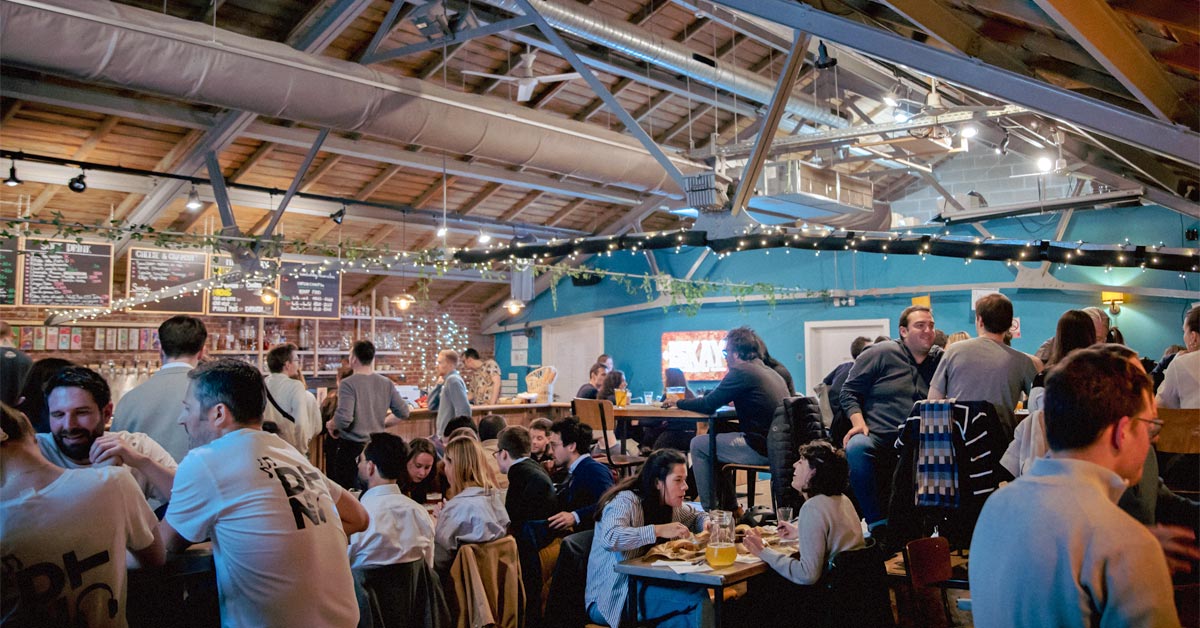
The shift toward the "fermentory" model also addresses a critical challenge for the craft beer industry: inclusivity. Traditional brewery culture has often been criticized for its lack of demographic diversity. By broadening the product range and focusing on the educational aspects of fermentation, these new venues are creating more welcoming environments for non-traditional beer drinkers.
Houston notes that the focus on sustainability and health-focused beverages serves as a bridge to new communities. This approach aligns with broader societal trends toward "sober curious" lifestyles and a preference for functional beverages. For many modern consumers, the appeal of a venue lies in its ability to provide a high-quality social experience without the prerequisite of consuming high-alcohol beer. This demographic shift is not just a social win; it is an economic necessity for businesses looking to survive in a saturated market.
Broader Impact and Industry Implications
The transformation of breweries into community hubs and fermentation centers has several long-term implications for the beverage industry:
- Reduced Barrier to Entry: Cooperative models like CoHop provide a blueprint for aspiring brewers to enter the market without the prohibitive costs of individual facility ownership. This could lead to a more diverse and creative landscape of micro-brands.
- Urban and Rural Revitalization: By acting as "third places," breweries and fermentories are becoming vital components of local development. They provide space for social interaction and small-business incubation, particularly in underserved areas.
- Resilience Through Diversification: Businesses that are not tied solely to beer production are better equipped to handle fluctuations in the commodity prices of barley and hops, as well as changing consumer preferences regarding alcohol consumption.
- Cultural Preservation: The revival of communal brewing traditions ensures that historical techniques and social structures are maintained, albeit in a modernized context.
As the lines between production facility, community center, and educational hub continue to blur, the craft beer industry is proving its ability to adapt. The success of projects like Les Semblables and CoHop suggests that the future of the industry may lie not in competition, but in collaboration. By embracing the "third place" philosophy and exploring the vast potential of fermentation, these innovators are ensuring that the brewery remains a central, relevant fixture of the local community for decades to come.
In a world where digital interaction often replaces physical connection, the physical space of the brewery—reimagined as a collective and diverse fermentory—stands as a vital reminder of the power of shared knowledge, shared resources, and a shared glass.