admin
admin
The American craft beer movement, which gained significant momentum during the 1980s and 1990s, was initially built upon the revival of traditional European styles, such as India Pale Ales, Stouts, and Porters. However, as the number of independent breweries in the United States swelled to over 9,000 by the early 2020s, the market reached a point of saturation that necessitated radical innovation. To distinguish themselves within a crowded marketplace, brewers began experimenting with "adjuncts"—non-traditional ingredients added to the brewing process. This experimentation eventually birthed the "smoothie sour," a controversial yet immensely popular sub-style that has redefined the boundaries of what constitutes beer and expanded the industry’s reach to a new demographic of consumers.
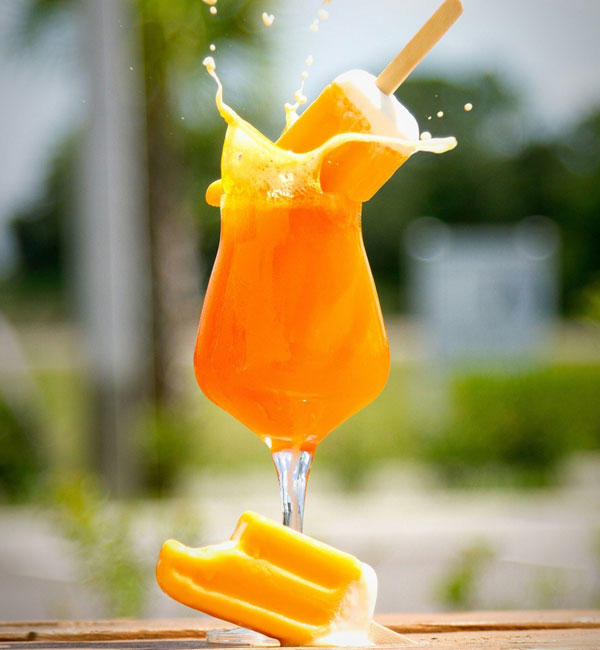
The smoothie sour is an evolution of the traditional fruited sour and the Gose, a salty, tart German wheat beer. While standard fruited sours provide a crisp, acidic profile with a hint of fruit, the smoothie sour prioritizes a thick, viscous mouthfeel and an intense, dessert-like flavor profile. By utilizing massive quantities of unfermented fruit purée, marshmallows, vanilla, lactose, and even culinary ingredients like cheesecake or fudge, brewers have created a product that often resembles a fruit smoothie or a liquid dessert more than a traditional lager or ale.
The Chronology of a Cult Phenomenon
The rise of the smoothie sour did not happen in a vacuum. It was the result of a multi-decade shift in consumer preferences and brewing technology. In the early 2010s, the "sour craze" took hold of the craft beer world, led by the popularity of kettle-soured beers which allowed for faster production than traditional barrel-aged wild ales. As the public’s palate adjusted to acidity, brewers began to push the envelope by adding fruit to balance the tartness.
By 2018 and 2019, the trend reached a tipping point. Breweries like Imprint Beer Company in Pennsylvania and 903 Brewers in Texas recognized a growing segment of the population that was moving away from traditional beer in favor of ready-to-drink (RTD) cocktails and hard seltzers. To capture this audience, these pioneers began incorporating "fun" adjuncts and thicker textures into their sour bases.
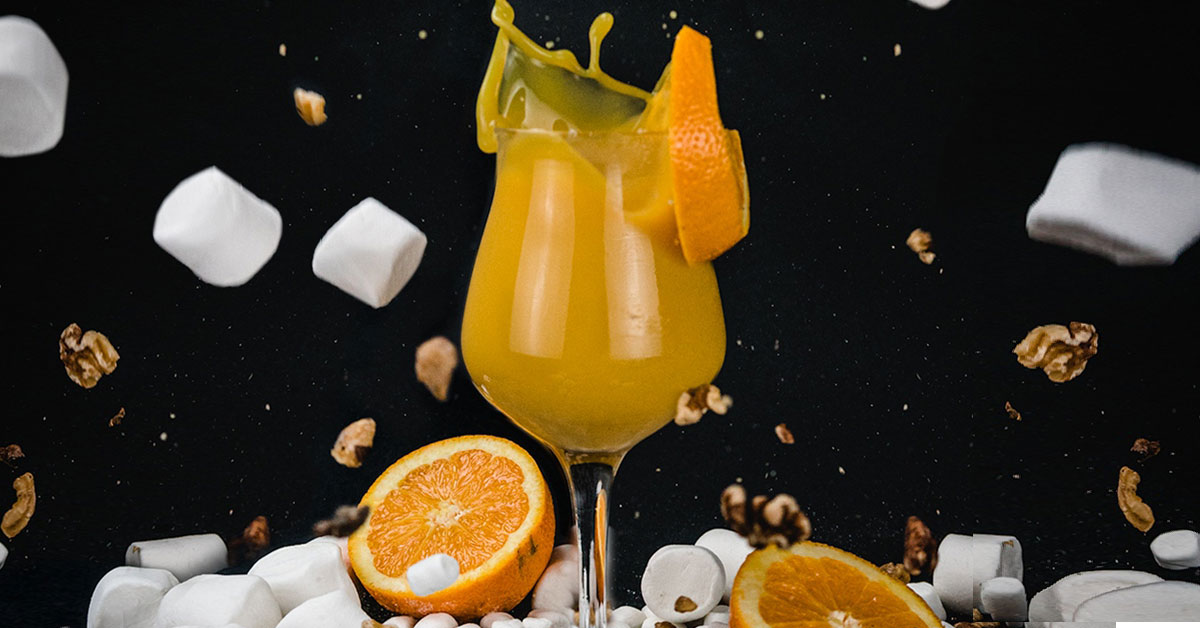
Imprint Beer Company, located in Hatfield, Pennsylvania, serves as a primary case study for this transition. Co-founder and brewer Ryan Diehl notes that the brewery’s "coming out party" was centered around a beer called Puffsicle. This inaugural smoothie sour featured a blend of raspberry, blueberry, pineapple, and marshmallow. The overwhelming consumer response led to the creation of the "Schmoojee" line, which has since become a benchmark for the style. Imprint celebrated its fifth anniversary in 2023, marking a half-decade of dominance in a niche that many industry skeptics originally dismissed as a passing fad.
Technical Methodologies and Production Challenges
Producing a smoothie sour requires a departure from standard brewing protocols. The process is technically demanding and carries higher risks than traditional brewing, particularly regarding shelf stability and fermentation control.
At Imprint Beer Company, the process begins with a standard beer base that undergoes a fermentation period of eight to eleven days. Once the base sour is established, the "smoothie" elements are introduced. This involves the addition of heavy fruit purées and adjuncts after the primary fermentation is complete. This method, often referred to as "back-sweetening," ensures that the sugars in the fruit do not fully ferment into alcohol, which would strip away the sweetness and body that define the style.
Oozlefinch Beers & Blending, based in Fort Monroe, Virginia, has further refined these technical aspects. Founder and CEO Russ Tinsley observed that earlier iterations of fruited sours often lost their sweetness too quickly. To combat this, head brewer Logan Morris utilizes a specific strain of yeast designed to produce lactic acid, providing a consistent tartness. Furthermore, Oozlefinch employs unconventional thickening agents, such as charcoal, to achieve the desired viscosity.
One of the most critical components of modern smoothie sour production is pasteurization. Because these beers contain high levels of residual sugar and unfermented fruit, there is a significant risk of "re-fermentation" inside the can. If left unpasteurized, the remaining yeast can consume the fruit sugars, producing carbon dioxide that can lead to can failure or "exploding cans." To mitigate this, breweries like Oozlefinch utilize pasteurizers to neutralize the yeast, ensuring the product remains stable and safe for the consumer.
Market Diversification and Consumer Demographics
The shift toward smoothie sours is also a strategic response to changing market dynamics. Jeremy Roberts, owner and founder of 903 Brewers in Dallas, Texas, noted that after six years in business, the brewery needed to reinvent itself to stay relevant. He observed a growing trend of consumers opting for nostalgic, sweet flavors, such as those found at popular drive-in restaurants.
903 Brewers launched their "Slushy" line with a cherry limeade sour, which successfully mimicked the flavor profile of popular soft drinks. This was followed by more adventurous iterations, including the Blueberry Donut Slushy and the Dad’s Day Out Slushy, the latter of which included edible glitter. This pivot was not merely about novelty; it was a calculated move to attract individuals who "didn’t like beer at all."
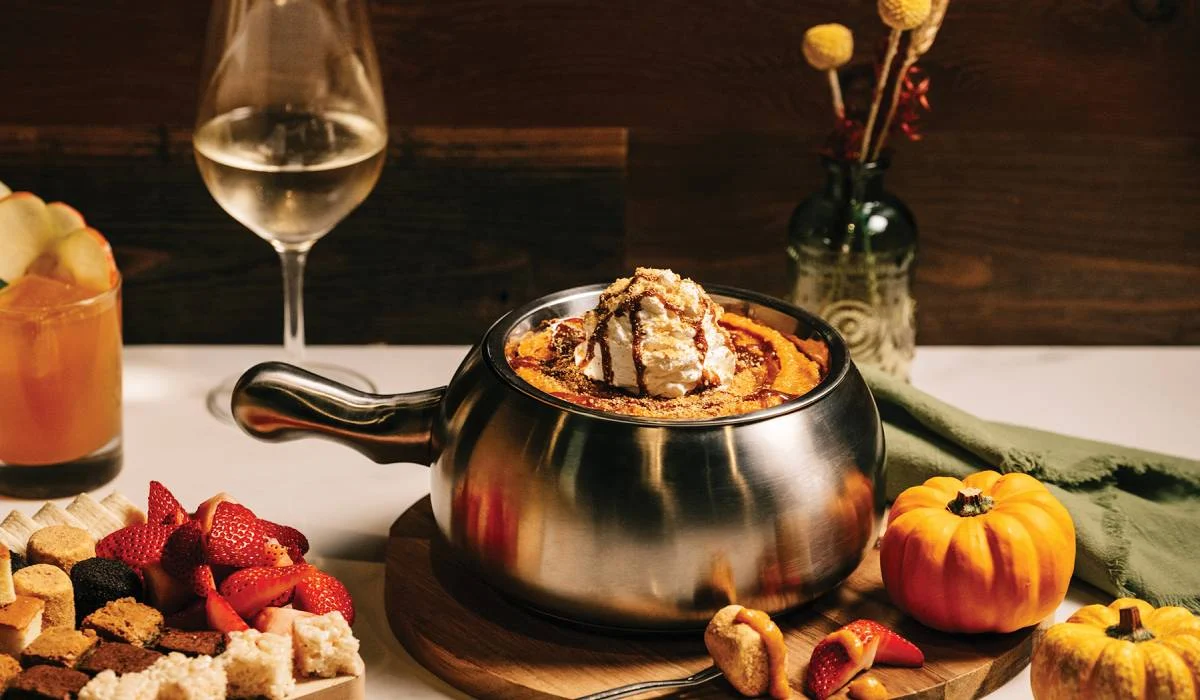
This sentiment is echoed by Corporate Ladder Brewing in Palmetto, Florida. Co-owners Blake Kleppe and James Herrholz focus on the sensory and culinary experience of their "Dessert Station" line. By sourcing high-quality ingredients to recreate flavors like Pumpkin Pie A La Mode or Tangerine Creamsicle, they have tapped into a market that values flavor accuracy and "liquid nostalgia" over traditional beer metrics like bitterness or clarity.
Data from industry analysts suggests that the "beyond beer" category—which includes smoothie sours, hard kombucha, and canned cocktails—is one of the fastest-growing segments in the beverage alcohol industry. By offering products that bridge the gap between candy, fruit juice, and alcohol, breweries are effectively lowering the barrier to entry for non-traditional beer drinkers.
Industry Implications and the "Is It Beer?" Debate
The rise of smoothie sours has not been without controversy. Purists within the craft beer community often argue that these beverages, due to their high adjunct content and lack of traditional beer characteristics, should not be classified as "beer." However, the brewers behind these products remain undeterred.
"Our goal is to make liquid for everyone," says Blake Kleppe of Corporate Ladder. "If people think that the smoothie sours shouldn’t be considered beer, we don’t really care, as long as they enjoyed it." This pragmatic approach reflects a broader trend in the industry: a shift away from rigid style guidelines in favor of consumer satisfaction and brand loyalty.
The economic impact of the smoothie sour is also noteworthy. These beers often command higher price points—sometimes exceeding $25 per four-pack—due to the immense cost of the ingredients. A single batch of a smoothie sour can require hundreds of pounds of fruit purée and expensive additives like Madagascar vanilla beans or specialty cocoa nibs. Despite the high cost, the "drop" culture surrounding these releases ensures they often sell out within hours, creating a reliable revenue stream for small breweries.
Collaboration and the Future of the Style
A unique characteristic of the smoothie sour sub-culture is the high level of collaboration between breweries. Rather than viewing one another as competitors, breweries such as Drekker Brewing Company (North Dakota), Mortalis Brewing Company (New York), Burley Oak Brewery (Maryland), 450 North Brewing Company (Indiana), and The Answer Brewpub (Virginia) often work together. This "brotherhood/sisterhood" of brewers allows for the sharing of technical knowledge and the cross-pollination of fanbases.
Looking forward, the smoothie sour appears to have moved beyond "fad" status to become a permanent fixture of the craft beer landscape. Its inherent flexibility allows for infinite variations, ensuring that the style remains fresh and engaging for consumers. As long as there are new flavor combinations to explore—from breakfast-inspired blueberry waffles to complex dessert profiles—the smoothie sour will continue to serve as a vital tool for brewery growth and consumer engagement.
In summary, the smoothie sour represents a significant chapter in the evolution of American craft beer. It is a style defined by technical complexity, culinary inspiration, and a defiant rejection of traditional norms. By prioritizing the "sensory experience" and embracing a wider palette of ingredients, brewers have not only survived a saturated market but have expanded the very definition of what a brewery can produce. As the industry continues to evolve, the smoothie sour stands as a testament to the power of innovation and the enduring appeal of a well-crafted, albeit unconventional, beverage.