admin
admin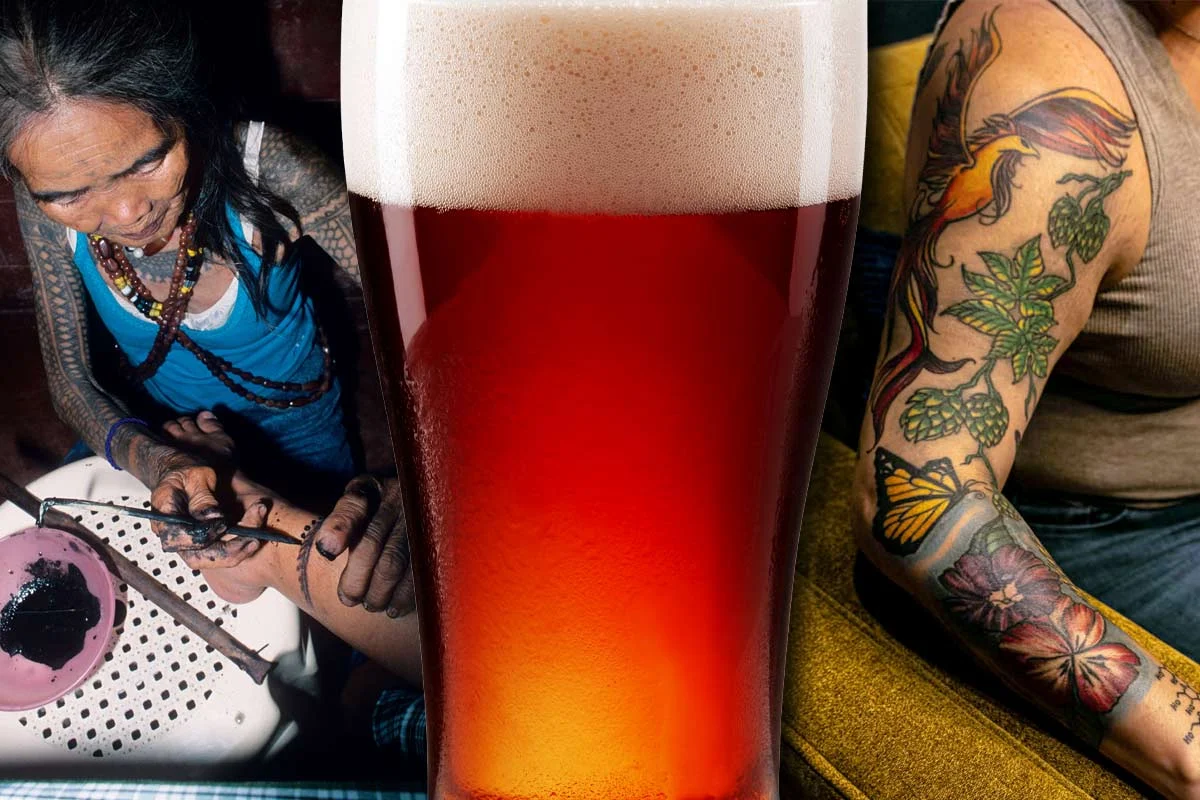
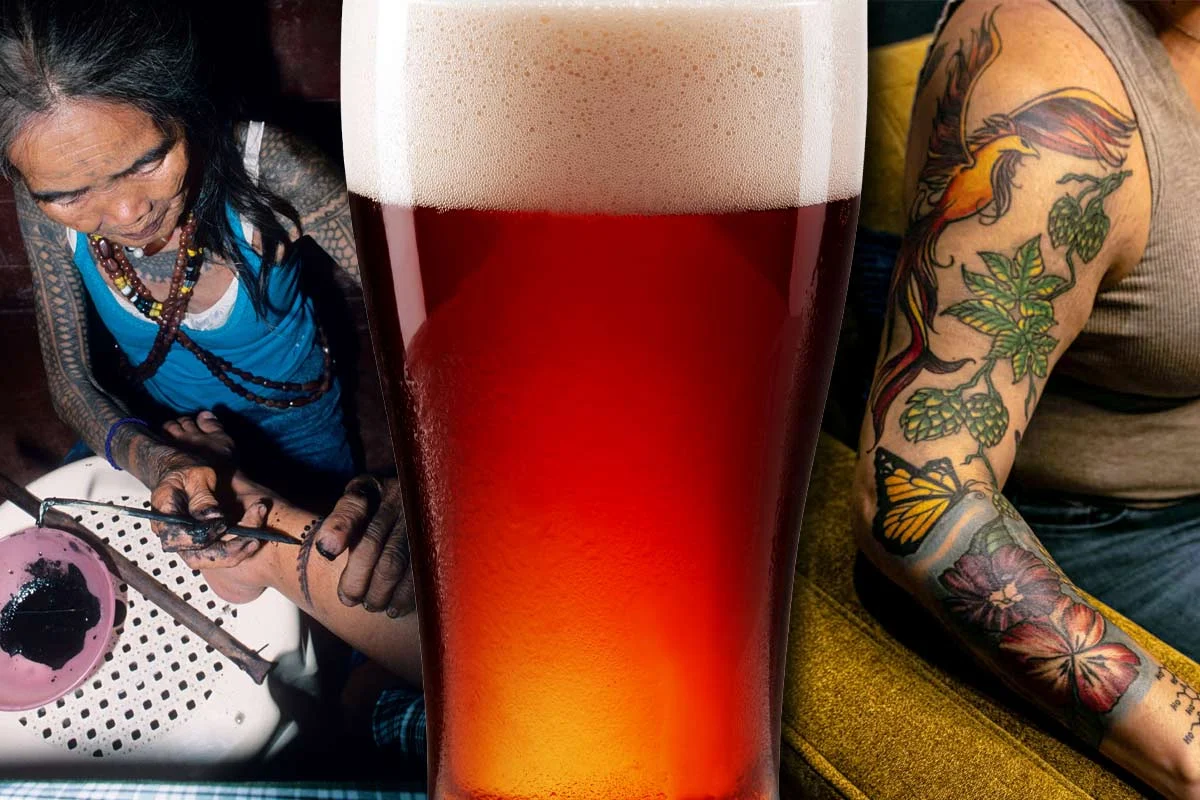
Across the diverse landscape of human heritage, two seemingly disparate practices—tattooing and fermentation—share a profound and quiet kinship rooted in the concept of transformation. While one involves the permanent inscription of identity onto the human epidermis and the other involves the biological conversion of organic matter into nourishment, both represent crafts that reshape raw materials through a deliberate relationship with the land, the spiritual realm, and the community. These traditions are not merely technical processes; they are "technologies of continuity" that allow communities to maintain a dialogue with their ancestors and the natural environment. From the hearths of northern Japan to the savannas of Guyana and the mountains of the Philippines, the shared grammar of transformation is visible on the skin and shared in the glass, marking the passage of time and the preservation of culture.
Historical Context and the Chronology of Cultural Suppression
The relationship between tattooing and fermentation is best understood through the lens of Indigenous history, where both practices were frequently targeted by colonial and missionary influences. In the late 19th century, Japanese colonial policy led to the forced assimilation of the Ainu people, effectively suppressing their tattooing traditions by stripping them of their mythological and ethical significance. Similarly, in the Philippines and South America, the introduction of Western moral frameworks and religious structures during the colonial era led to a decline in traditional body marking.
However, the 21st century has seen a significant shift toward cultural reclamation. The timeline of these practices has moved from ancestral ubiquity to near-extinction, and finally to a modern era of revival. Today, these "embodied knowledges" are being revitalized as acts of decolonization, where the reclamation of traditional tattoos and ancient brewing techniques serves as an assertion of Indigenous sovereignty and identity.
The Ainu of Northern Japan: The Sacred Hearth as a Nexus
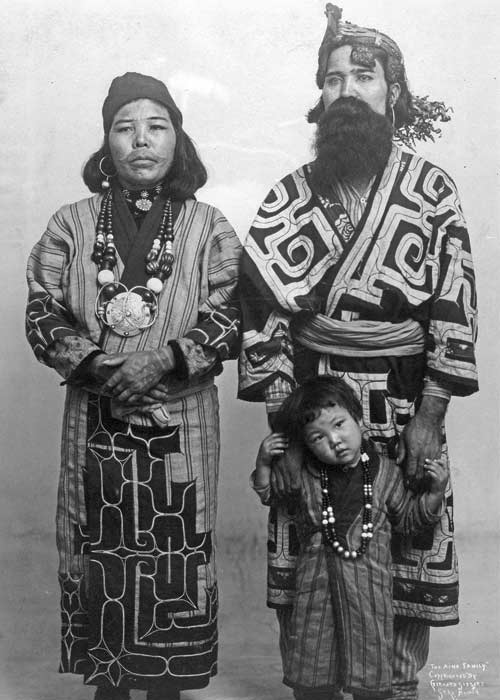
For the Ainu, the Indigenous people of Hokkaido, Sakhalin, and the Kuril Islands, the hearth (unji) serves as the physical and cosmological center of the home. It is here that the practices of tattooing and fermentation converge under the spiritual jurisdiction of Kamuy Fuchi, the goddess of the hearth. Kamuy Fuchi is envisioned as a protective deity who oversees all domestic labor, ensuring the safety and spiritual integrity of the household.
Historically, Ainu tattooing was a gendered practice performed almost exclusively by women. The process involved creating patterned incisions on the skin—most notably around the mouth and on the hands—and rubbing in soot collected from the underside of earthenware cooking pots used for brewing. This pigment, derived directly from the hearth, bound the woman’s body to the spiritual authority of the goddess. These markings were not merely aesthetic; they signaled a girl’s transition into adulthood and were believed to ward off malevolent spirits.
Parallel to this, the production of tonoto, a traditional rice-and-millet beer, was also the exclusive domain of women. The brewing process was a sacred responsibility, requiring prayers to the kamuy (divine beings). The beverage remained under the care of women until it was presented during formal rituals. In this context, ink and drink were not mechanically linked but were bonded by generations of female labor and the transformative power of the hearth’s fire.
The Kalinga of the Philippines: Fermentation in the Pigment
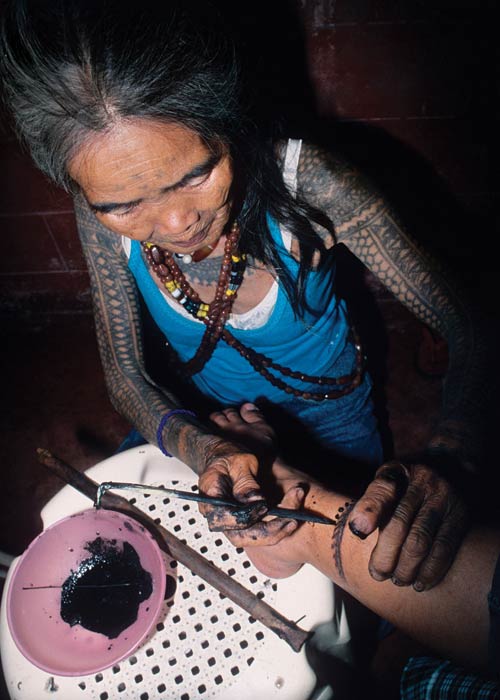
In the rugged Cordillera mountain region of Luzon, the Kalinga people have maintained the practice of batok, or hand-tapped tattooing, for centuries. Unlike the Ainu, where the link was found in the hearth, the Kalinga tradition showcases a unique intersection where fermentation actually occurs within the tattoo ink itself.
Traditional Kalinga ink is composed of soot mixed with water or plant-based liquids. In several regions, sugarcane juice was historically used as a carrier. When the soot and sugarcane juice are mixed and allowed to rest, the natural sugars begin to ferment, creating a trace amount of alcohol within the pigment. While the biological adhesion of the ink into the skin is a mechanical process, the chemical transformation of the carrier liquid highlights the deep-seated presence of fermentation in the art of body marking.
According to Grace Palicas, a tattoo artist trained under the legendary 108-year-old master mambatok Whang-od Oggay, these tattoos serve as a living record of social status. For men, batok historically signaled bravery in warfare, while for women, it represented beauty and maturity. Though the use of fermented sugarcane ink has declined in favor of modern alternatives, the ceremonial use of fermented beverages like tapuy (rice wine) remains a staple of Kalinga social gatherings, ensuring that tattoos and ferments continue to occupy the same ritual spaces.
The Makushi of Guyana: Tattoos as Brewing Charms
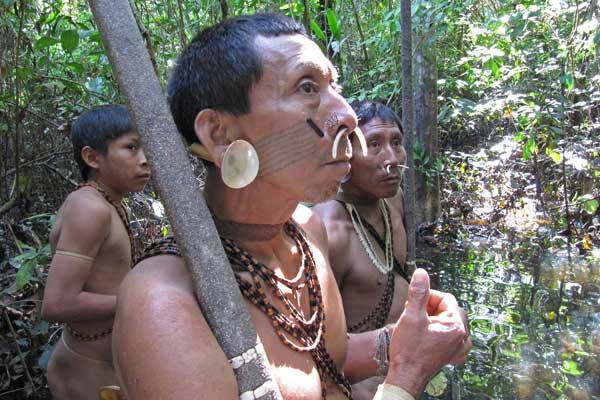
In the savannas and forests of the Guiana Shield, the Makushi people utilize tattooing as a functional tool to ensure the success of their fermentation processes. Central to Makushi life is parakari, an intricate cassava beer produced through a dual fermentation process involving both mold and yeast. The production of parakari is a cornerstone of social cohesion and identity.
The Makushi practiced kansku, a form of tattooing designed specifically as cooking and brewing charms. These tattoos featured motifs of arthropods, such as bees or scorpions, which were believed to imbue the brewer with the ability to shape the flavor of the beverage. A "bee" motif might ensure the brew was as sweet as honey, while a "scorpion" motif might give the drink a desirable "sting" or "kick" (yekî).
Dr. Lars Krutak, a cultural tattoo anthropologist, notes that these markings were often a prerequisite for social interaction. In historical Makushi culture, a woman was often expected to have her arms tattooed before she could properly pass a drink to a man. Here, the tattoo is an active participant in the fermentation process, believed to physically and spiritually influence the quality of the final product.
Indigenous Epistemologies: Genealogy and Kinship
The parallels between tattooing and fermentation are further elucidated by Hawaiian indigenous epistemology. In Hawaii, kākau (hand-tapped tattooing) and the fermentation of poi (taro) are both understood as expressions of genealogy.
Dr. Lindsay Malu Kido, a scholar of Indigenous body sovereignty, explains that kākau inscribes a person’s lineage directly onto their body, making it a living record of ancestry. Simultaneously, the consumption of poi is an act of kinship. In Hawaiian cosmology, the taro plant (kalo) is Hāloa, the elder sibling of the Hawaiian people. Therefore, the act of cultivating, fermenting, and eating kalo is a way of nourishing the family tree.
"Reviving kākau is an act of decolonization," Dr. Kido states, "because it reclaims the body as a site of ancestry and authority." By viewing both tattoos and fermented foods as relational practices, Indigenous cultures reinforce the idea that transformation is not an isolated event but a continuous dialogue between the individual, their ancestors, and the land.
Contemporary Echoes: The Modern Craft Brewing Identity
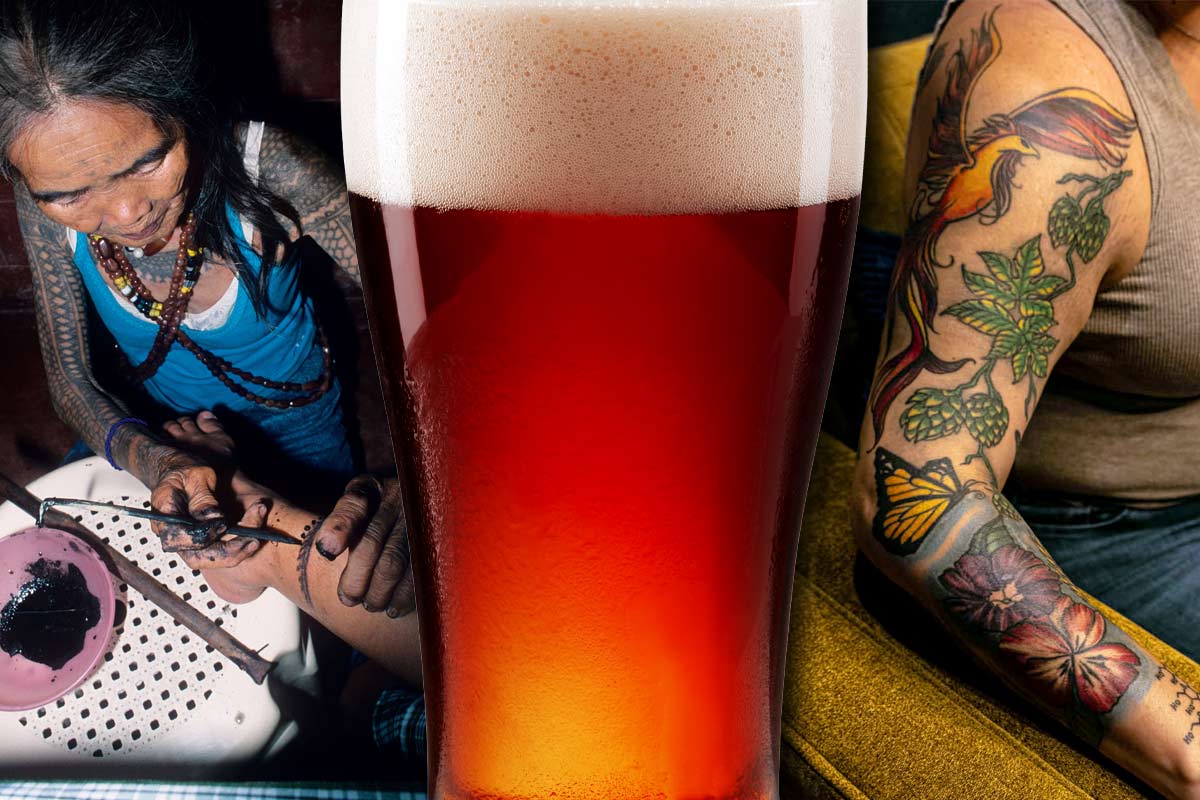
While the ancestral protocols of the Ainu or Makushi are distinct from modern industrial practices, the cultural logic of using ink to express a relationship with craft remains prevalent in the contemporary brewing world. Today’s brewers often use tattoos to mark their bodies with scientific symbols, yeast cells, and hop bines, signaling a personal transformation into the "craft" identity.
For many in the industry, these tattoos represent more than professional affiliation; they are markers of personal resilience and growth. Sandra Murphy, owner of Murphy’s Law Brewery & Pizzeria in Texas, began a tattoo sleeve in memory of her late daughter, incorporating the chemical formula for ale yeast walls alongside birth flowers and hop vines. Murphy credits the brewing industry and the expression of her journey through ink as pivotal to her emotional recovery.
Similarly, Rachael Engel, a brewer at Sound2Summit Brewery in Washington, views her tattoos as an expression of her identity journey. Engel, who came out as transgender, notes that her "hop sleeve" represents her realization of her true self. In these modern contexts, tattooing and brewing continue to serve as tools for navigating personal change and establishing a sense of belonging within a community.
Analysis of Implications and Future Outlook
The intersection of tattooing and fermentation offers a unique framework for understanding how human beings process change. In a journalistic and sociological sense, the resurgence of these practices suggests a broader societal move toward "slow" crafts and authentic identity markers in an increasingly digital and homogenized world.
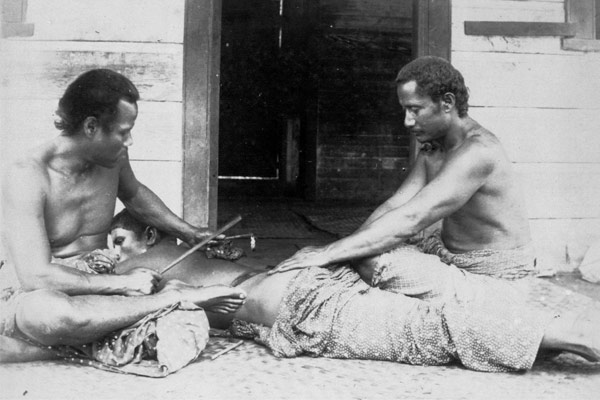
Data from the North American Guild of Beer Writers and other industry bodies suggest that the craft beer community is becoming more attuned to these cultural intersections, moving toward a more inclusive definition of "brewing culture" that respects Indigenous origins. As the industry continues to evolve, the integration of these "embodied knowledges" provides a pathway for brewers to connect with the deeper, ritualistic roots of their trade.
Ink marks the body, and fermentation marks the food; both leave indelible traces of heritage while inviting individuals to imagine their future roles within their communities. Whether through the soot of an Ainu hearth or the scientific symbols on a modern brewer’s arm, the shared grammar of transformation remains a powerful testament to the enduring human desire to cultivate, preserve, and belong.