admin
admin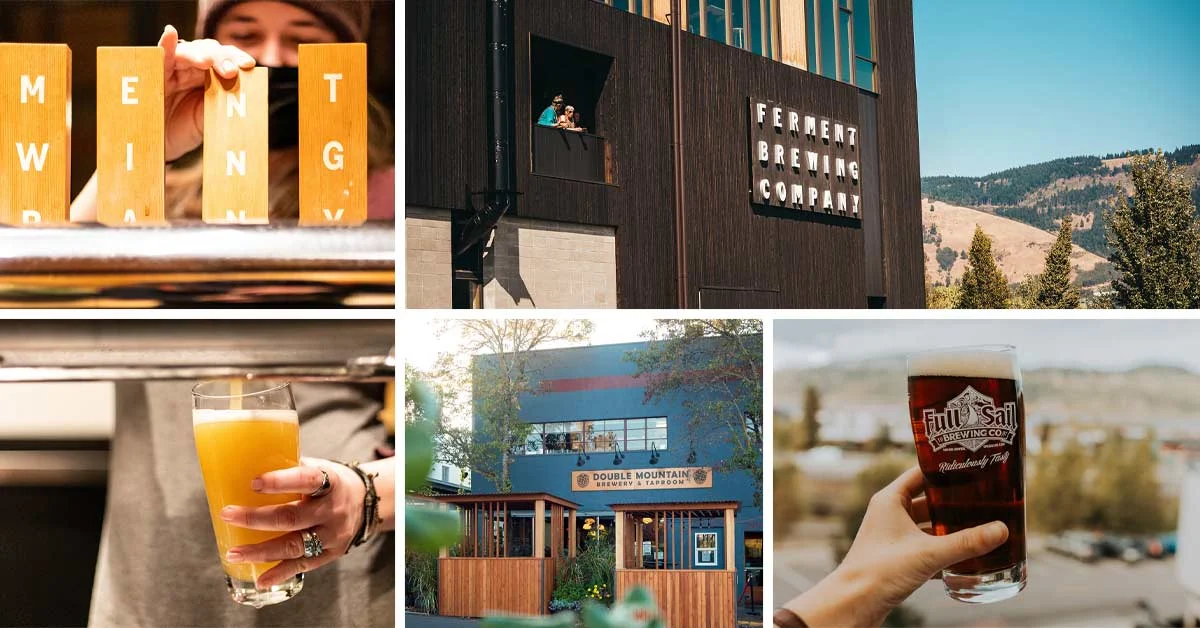
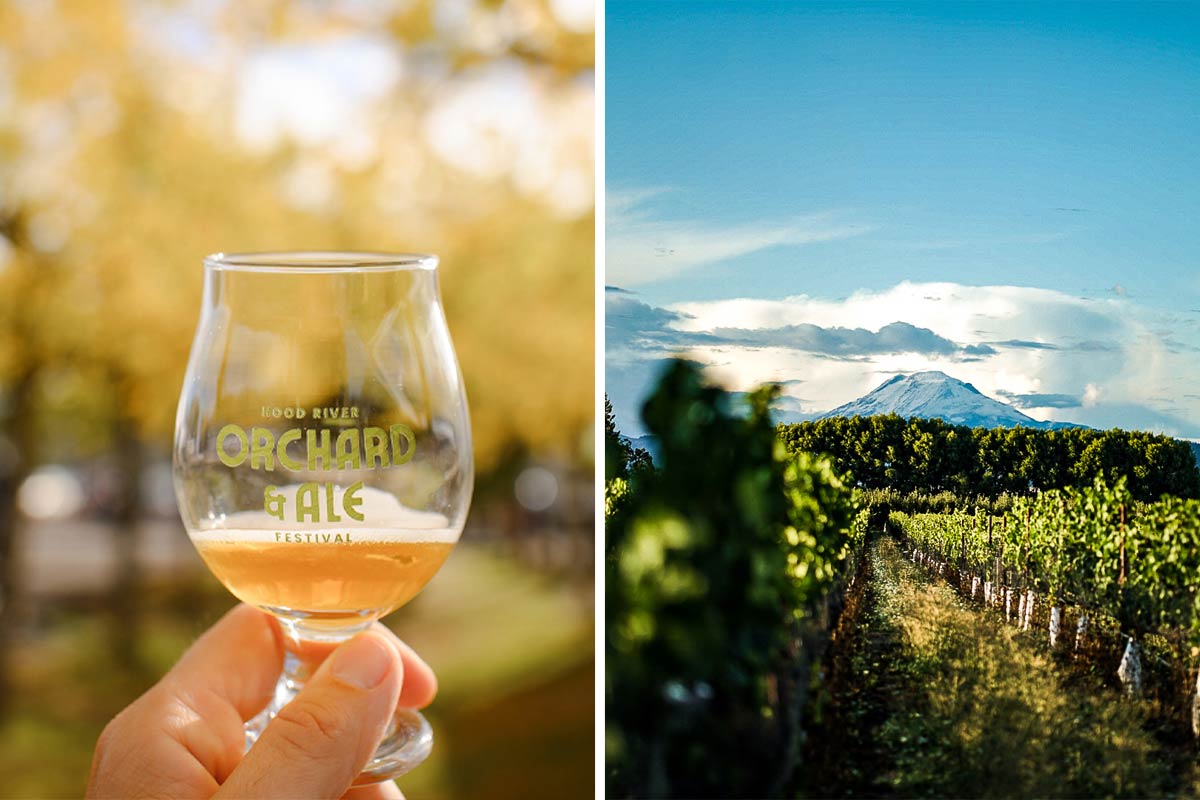
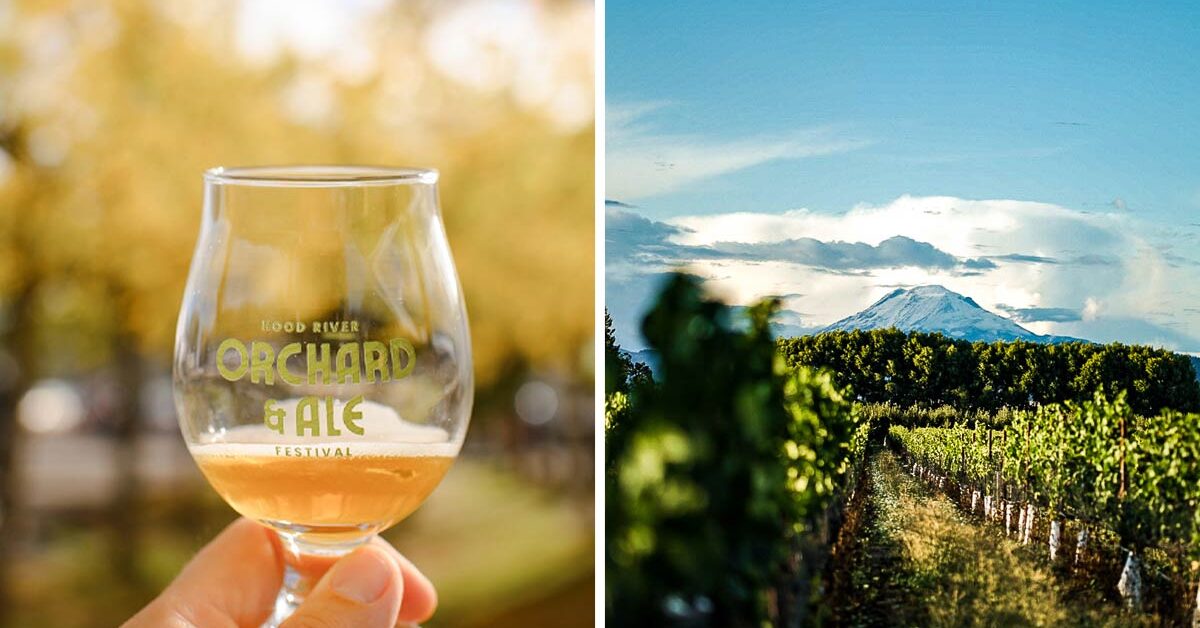
The inaugural Hood River Orchard and Ale Festival recently transformed the Columbia River waterfront into a central hub for Pacific Northwest craft beverage culture, marking a significant evolution in the region’s event programming. Set against the backdrop of the Columbia River Gorge, the festival served as a showcase for the unique intersection of Oregon’s world-class brewing industry and its historic agricultural roots. Attendees navigated the event grounds amid the characteristic high-velocity winds of the Gorge, a geographical feature that both defines the local climate and supports a thriving outdoor recreation economy. The event highlighted a sophisticated local industry that leverages pristine natural resources to maintain one of the highest concentrations of craft breweries per capita in the United States.
Geographical and Environmental Foundations of Hood River Brewing
The success of the brewing industry in Hood River is inextricably linked to the unique geological and hydrological features of the Columbia River Gorge National Scenic Area. While the Columbia River provides a dramatic visual setting, the breweries in the region rely on the Hood River watershed for their production. This water originates as snowmelt from the 14,000-foot peaks of the Cascade Mountains, specifically Mount Hood. As the water descends, it undergoes natural filtration through layers of volcanic basalt rock.
This process results in a water profile characterized by its softness and a specific mineral balance that is highly coveted by brewers. Such water requires minimal chemical adjustment, providing a clean, neutral base that allows the nuances of malt and hops to emerge. Furthermore, Hood River’s proximity to the Willamette Valley—one of the world’s premier hop-growing regions—provides local brewers with access to fresh, often "wet" hops within hours of harvest. This logistical advantage has made the region a center for "Fresh Hop" brewing, a seasonal tradition that was a primary focus of the Orchard and Ale Festival.
A Chronological Evolution of the Hood River Brewing Scene
The Hood River brewing landscape has evolved over nearly four decades, transitioning from a single pioneering establishment to a diverse ecosystem of international renown. This development can be categorized into three distinct eras: the foundational years, the regional expansion, and the modern artisanal movement.
The Foundational Era: Full Sail Brewing Co.
The modern craft beer movement in Hood River began in 1987 with the establishment of Full Sail Brewing Co. As one of the original craft breweries in Oregon, Full Sail played a pivotal role in introducing traditional styles to a wider audience. Their flagship Amber Ale, known for its balance of malty sweetness and spicy hops, remains a staple of the region. Over the years, Full Sail has modernized its operations and expanded its portfolio to include contemporary West Coast and Hazy IPAs, maintaining its relevance in an increasingly competitive market.
The Era of Regional Expansion: Double Mountain and pFriem
The mid-2000s and early 2010s marked a period of significant growth. Double Mountain Brewery, founded in 2007, quickly became a local institution, recognized for its commitment to traditional brewing methods and its popular taproom culture.
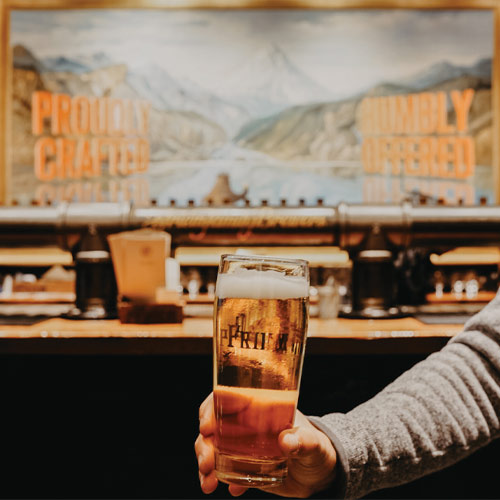
In 2012, the arrival of pFriem Family Brewers significantly elevated the town’s profile on the national stage. pFriem focused on European-inspired styles, ranging from crisp Pilsners to complex Belgian-style ales. Their facility on the waterfront has become a cornerstone of the local tourism economy, drawing visitors with fresh-hopped versions of classic styles, such as Czech Dark Lagers and floral Pilsners.
The Modern Artisanal Movement: 2020 and Beyond
In recent years, the Hood River scene has diversified further with the introduction of specialized and boutique operations. Ferment Brewing Company, situated near the waterfront, utilizes farmhouse techniques and focuses on capturing the local terroir. Their use of local ingredients, such as Oregon strawberries in the "Lost in Fragaria" sour ale, exemplifies the synergy between the orchard and the brewery.
The years 2023 through 2025 saw the addition of Hood River Brewing Company and Kings & Daughters Brewery. The latter opened "The Walled Garden," a public house that emphasizes lighter lagers and hazy IPAs, reflecting a shift in consumer preferences toward lower-alcohol, high-flavor profiles. Meanwhile, Working Hands Fermentation, located atop the city’s bluff, has gained a reputation for its mastery of bottom-fermented lagers, specifically its Night Shift Schwarzbier, which integrates subtle smokiness into a light-bodied dark lager.
Economic Impact and Industry Data
The Hood River Orchard and Ale Festival arrives at a time when the craft beer industry is a vital component of Oregon’s state economy. According to data from the Oregon Brewers Guild, the craft brewing industry contributes more than $8.7 billion in total economic impact to the state. With over 300 breweries operating statewide, Oregon remains a leader in the sector, and Hood River, with a population of approximately 8,000, maintains a brewery-to-resident ratio that is among the highest in the nation.
The integration of the "Orchard" element into the festival acknowledges the economic importance of the Hood River Valley’s fruit industry. Known as the "Fruit Loop," this 35-mile scenic drive is home to dozens of orchards producing pears, apples, cherries, and berries. By combining these two industries, the festival creates a platform for value-added products like ciders and fruit-infused beers, which have seen a steady increase in market share over the last five years.
Logistical Challenges and the "Gorge Effect"
Organizing an outdoor event on the Columbia River waterfront presents unique logistical challenges, primarily due to the region’s wind patterns. The Columbia River Gorge acts as a natural wind tunnel, where pressure differences between the coast and the inland desert create consistent, high-speed gusts.
During the festival, these conditions influenced everything from vendor setup to attendee behavior. The wind, which often exceeds 20 knots, is a boon for the local kiteboarding and windsurfing industries, but it requires festival organizers to utilize heavy-duty equipment and weighted structures. For example, the preference for heavy glassware over lightweight plastic tasting cups at such events is not merely a matter of aesthetic choice but a practical necessity to prevent debris and loss of product. These environmental factors are an inherent part of the Hood River experience, shaping both the recreation and the industry of the area.
Official Responses and Strategic Implications
Local stakeholders view the transition to the Orchard and Ale format as a strategic move to broaden the appeal of the region’s autumn tourism season. By highlighting both the harvest and the brewing cycle, the event attracts a more diverse demographic, including culinary tourists, outdoor enthusiasts, and industry professionals.
"The goal of this festival is to celebrate the totality of our region’s output," noted a representative involved in the event’s planning. "We are not just a beer town, and we are not just a fruit-growing region. We are a place where these two worlds collaborate. When you drink a beer here, you are tasting the water from our mountains and the hops from our neighbors. This festival makes that connection explicit."
Industry analysts suggest that such localized, niche festivals are essential for the survival of craft breweries in a post-pandemic market. As national craft beer sales growth has stabilized, regional "destination breweries" rely heavily on taproom sales and local events to maintain margins. The Hood River Orchard and Ale Festival serves as a critical marketing tool to ensure the town remains a premier destination for "beercations."
Broader Implications for the Pacific Northwest
The success of the inaugural festival in Hood River reflects a broader trend across the Pacific Northwest toward "terroir-driven" brewing. This philosophy, borrowed from the wine industry, emphasizes the importance of place and local ingredients in the final product. As consumers become more discerning about the origins of their beverages, regions like Hood River that can boast a direct line from the mountain snowmelt to the glass are well-positioned to lead the market.
Furthermore, the festival underscores the importance of environmental stewardship. The reliance on the Hood River watershed means that local breweries are among the most vocal advocates for forest conservation and water management in the Cascades. The sustainability of the brewing industry is tied directly to the health of the volcanic aquifers and the stability of the local climate.
In conclusion, the Hood River Orchard and Ale Festival is more than a seasonal gathering; it is a manifestation of a highly specialized local economy. By leveraging its unique geography, historical brewing expertise, and agricultural abundance, Hood River has solidified its status as a vital node in the global craft beer network. As the festival enters its second year, it is expected to grow in both scale and influence, further cementing the bond between the orchards of the valley and the ales of the Gorge.